Let's cut to the chase. If you're snorkeling without a dedicated safety vest, you're working harder than you need to and missing out on a huge chunk of relaxation and safety. I've guided hundreds of first-timers and seasoned snorkelers over the years, and the single biggest improvement in their experience—beyond finding a good mask—is putting on a proper snorkeling safety vest. It's not just a piece of foam; it's your personal confidence booster, energy saver, and peace-of-mind provider. This guide isn't about scaring you into buying gear. It's about showing you how the right vest turns a good snorkel into a great one, and more importantly, a safe one.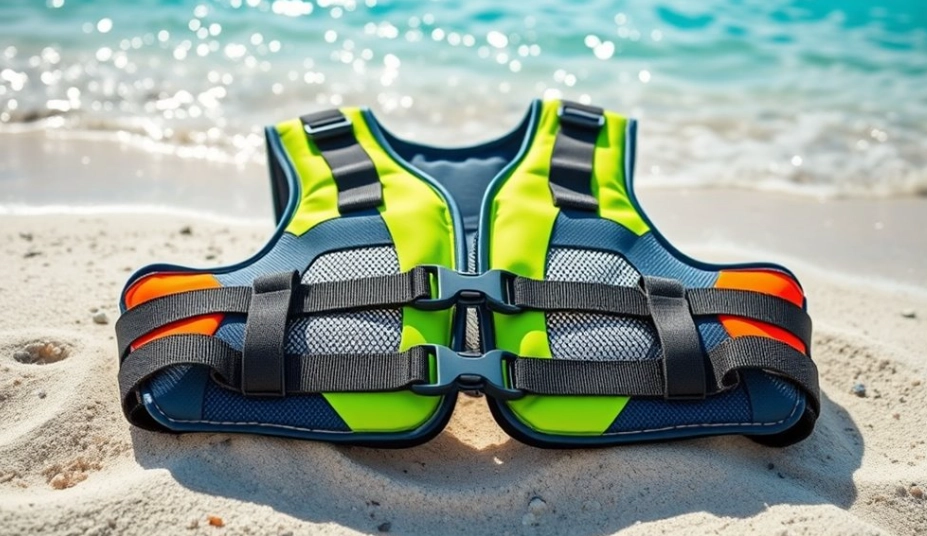
What’s Inside This Guide?
Why a Snorkeling Safety Vest Isn't a Life Jacket
This is the most common misconception. You see a bulky orange life jacket (or Personal Flotation Device - PFD) on a boat and think, "That'll do." It won't.
A US Coast Guard-approved Type III life jacket is designed to keep an unconscious person face-up. It's bulky, restricts movement, and is awful for swimming. A snorkeling safety vest has a completely different job. Its primary function is adjustable buoyancy. You inflate it a little when you're tired to rest effortlessly. You deflate it completely when you want to dive down to get a closer look at a turtle. That control is everything.
Think of it this way: A life jacket is for survival. A snorkeling vest is for enhanced enjoyment and proactive safety. It lets you conserve energy, stay warm (the air layer provides insulation), and reduces anxiety, which means you breathe slower and your air lasts longer.
The 3 Main Types of Snorkeling Vests
Not all vests are created equal. Picking the wrong type is the main reason people give up on them. Here’s the breakdown.
| Type | How It Works | Best For | What to Watch For |
|---|---|---|---|
| Manual Inflatable | Has an oral inflation tube. You blow into it to inflate, press a valve to deflate. | Most snorkelers. Offers the most control. Brands like Cressi and Seavenger make popular models. | Requires a bit of lung power to inflate fully. The tube can get in the way if not tucked. |
| Hybrid (Foam + Inflatable) | Has a thin layer of inherent foam buoyancy, plus an oral inflatable bladder for extra lift. | Beginners and weaker swimmers. Provides some safety even if uninflated. | Bulkier than pure inflatables. Can be warmer in tropical water. |
| CO2 Auto-Inflatable | Inflates instantly when you pull a cord, deploying a CO2 cartridge. Often has an oral backup. | Boat-based snorkeling where entering deep water is likely. More common in scuba as a "snorkel vest" attachment to a BCD. | Expensive. One-time use per cartridge. Not for casual, repetitive inflation/deflation. |
For 95% of recreational snorkelers, the manual inflatable vest is the sweet spot. It’s affordable, gives you total control, and packs down to nothing in your bag.
How to Choose Your Snorkeling Safety Vest: A Step-by-Step Fit Guide
Forget just picking a size based on weight. A bad fit is uncomfortable and can even be dangerous. Here’s how to get it right.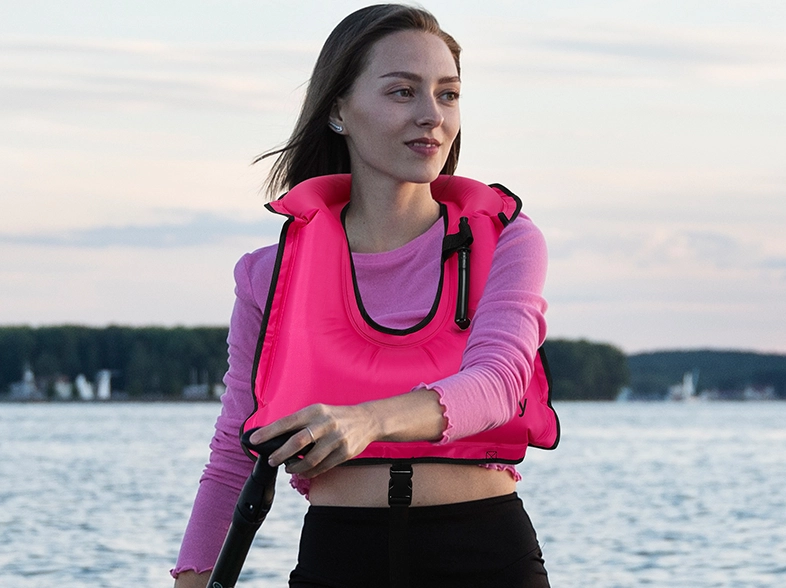
Step 1: Measure Your Torso, Not Just Your Weight
Manufacturer size charts (S, M, L, XL) are notoriously vague. The most critical measurement is your torso length—from the crotch to the top of your shoulder. A vest that's too long will ride up and choke you when inflated. Too short, and it won't support your chest properly. Grab a tape measure.
Step 2: The Straps Are Everything
Look for a vest with at least three adjustment points: two shoulder straps and a waist strap. The crotch strap is a game-changer that most cheap vests omit. This strap connects the front and back between your legs, preventing the vest from riding up over your head when fully inflated. It’s non-negotiable for a secure fit.
Step 3: Material and Details Matter
Nylon or polyester is standard. Check the stitching—it should be tight and even. The buckles should feel sturdy, not flimsy. A whistle attached to the shoulder is a fantastic safety feature that costs the manufacturer pennies but could be invaluable. Does it have a dump valve for quick deflation? A clear, easy-to-use oral inflator valve?
I learned this the hard way on a trip to Belize. My old vest's waist buckle snapped during a long surface swim. I spent the next 30 minutes holding my vest closed with one hand, which is exhausting and totally avoidable.
Using It Right: Inflation, Fit, and Care
You've got the vest. Now let's use it properly. Most people under-inflate.
Pre-Snorkel Check: Before you even get wet, put it on over your rash guard or wetsuit. Adjust all straps snugly. You should be able to take a deep breath comfortably, but the vest shouldn't shift if you lean side to side. Now, inflate it fully on land. Does it feel tight anywhere? Does it ride up? Adjust the straps. This is your dry-run.
In the Water: Deflate it completely before entering. Swim out to your spot. When you're ready to float, put your snorkel in your mouth, take a deep breath, and exhale into the inflation tube. It usually takes 3-5 full breaths. You want it inflated enough that you can rest with your face in the water without kicking, but not so much that you feel like a cork popping out of the water. That middle ground is perfect.
Post-Snorkel Care: Rinse it thoroughly with fresh water, especially the valves. Let it dry COMPLETELY before storing. Never store it inflated or folded tightly wet. Mildew in the bladder is a death sentence for the vest and smells terrible.
Common Mistakes Even Experienced Snorkelers Make
These are the subtle errors I see all the time.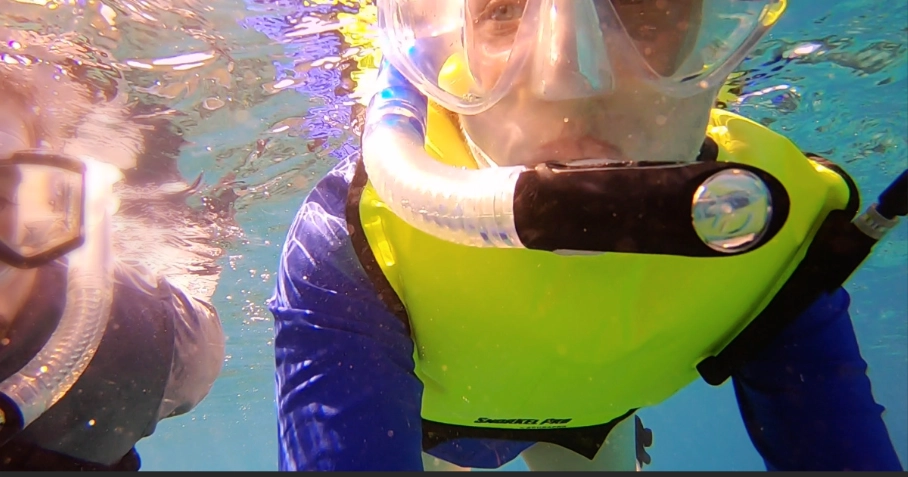
Mistake 1: The "Just in Case" Inflation. People inflate it 10% "just in case" they get tired. This is the worst of both worlds. It's not enough to help you rest, but it's enough to make diving down frustratingly difficult. Commit. Either inflate it enough to actually float you, or deflate it to dive.
Mistake 2: Ignoring the Crotch Strap. They leave it dangling. Then they inflate the vest, it balloons up, and suddenly they're looking at the sky with the vest under their chin. Secure the crotch strap. It transforms the fit.
Mistake 3: Over-tightening the Neck. A vest shouldn't choke you. The buoyancy comes from the chest and back panels. If the neck is too tight, it's the wrong size or the shoulder straps need loosening.
Mistake 4: Using it as a Tow Float. I've seen people try to tow a tired friend by their vest straps. This can put dangerous stress on the buckles and material. A vest is personal safety gear, not a rescue device for others.
Your Snorkeling Vest Questions, Answered
Can I use a regular life jacket for snorkeling?
Technically, you could, but you'll hate it. It will force you into a vertical, upright position, making it impossible to swim face-down comfortably. It's bulky, hot, and designed for emergency flotation, not active swimming. A snorkeling vest's low-profile, horizontal design is purpose-built for the activity.
My tour operator provides pool noodles or foam belts. Aren't those enough?
Those are flotation aids, not safety devices. A noodle can slip away from you if you get tired or distracted. A foam belt offers minimal, non-adjustable buoyancy and doesn't secure to your body. They're better than nothing for absolute beginners in calm, shallow water, but a proper vest offers security, control, and is attached to you.
How much should I expect to spend on a good snorkeling safety vest?
You can find basic, functional models for $30-$50. For a vest with better materials, a crotch strap, a whistle, and reliable valves from a known brand, plan on $60-$100. It's a one-time purchase that lasts for years with proper care, so I recommend investing in the mid-range. The cheapest ones often have poor valve mechanisms that leak or fail.
Is it safe for children to use an adult-sized snorkeling vest?
No. Never. Flotation devices are not one-size-fits-all, especially for kids. A vest that is too large can slip off over their head or fail to keep their airway clear. Always choose a vest specifically designed and rated for your child's weight range, and ensure it has a secure crotch strap. Constant, touch supervision is required regardless of gear.
I'm a strong swimmer. Why do I need one?
Even strong swimmers get cramps, tired from fighting a current, or chilled. The vest isn't about lacking skill; it's about conserving energy. It lets you relax completely between swims, extending your time in the water. It also provides an extra layer of warmth and visibility to boats. Think of it as a tool for efficiency and extended enjoyment, not a crutch.
 The bottom line is simple. A snorkeling safety vest isn't an admission of weakness; it's a tool for smarter, safer, and more relaxed exploration. It lets you focus on the fish, not on floating. Skip the guesswork and the subpar rental gear. Get one that fits you, learn how to use it, and your next snorkeling adventure will be fundamentally better. The ocean is meant to be enjoyed, not just endured.
Reader Comments