Quick Snorkeling Insights
- What's Actually in a Floating Snorkel Set? Breaking Down the Pieces
- The Secret Weapon Most Sets Forget: Buoyancy
- How to Pick Your Perfect Floating Snorkel Set (No BS)
- Gearing Up and Getting It Right: Your Pre-Swim Checklist
- Leveling Up: Beyond the Basic Floating Snorkel Set
- Your Floating Snorkel Set Questions, Answered
Let's be honest. The first time you try snorkeling, it's rarely the graceful, National Geographic-esque experience you imagined. More likely, you're choking on saltwater, your mask is fogged up, and you're flailing around like a confused octopus. I know because I've been there. My first "floating snorkel set" was a cheap, all-in-one package from a beachside stall. The mask leaked, the snorkel tasted like plastic, and I spent more time clearing the tube than looking at fish. It nearly put me off for good.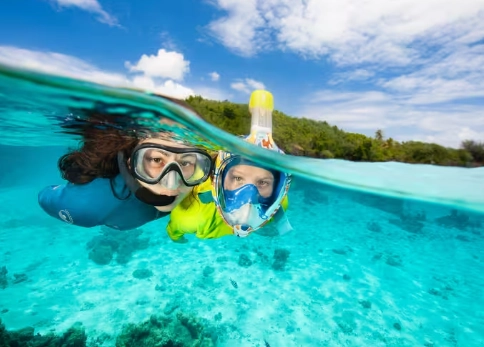
That's why I'm writing this. Not as a distant expert, but as someone who learned the hard way. A good floating snorkel set isn't just gear; it's your passport to a whole new world. It's the difference between a frustrating struggle and effortless floating, between seeing a blurry blue mess and watching a parrotfish crunch on coral with perfect clarity. This guide is everything I wish I'd known before buying my first set.
What's Actually in a Floating Snorkel Set? Breaking Down the Pieces
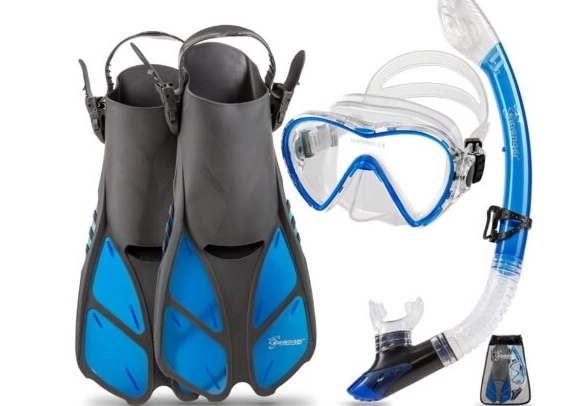
You see the box with the shiny pictures. But what are you really getting? Let's strip it down.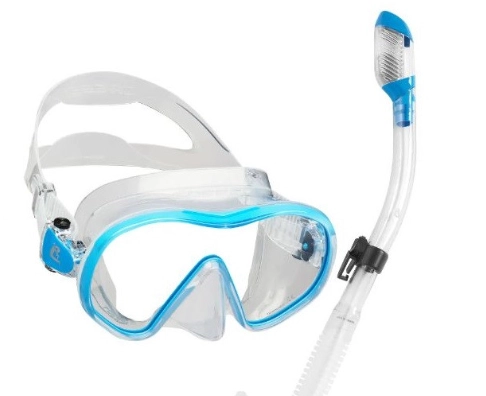
The Mask: Your Window to the Underwater
This is non-negotiable. A bad mask ruins everything. The fit is everything—it should suction gently to your face without the strap being cranked down super tight. Try this: place the mask on your face without the strap, inhale gently through your nose, and let go. If it stays put for a few seconds, you've got a contender. Look for a silicone skirt (the soft part that touches your face). Black or dark skirts cut down internal glare and light reflection, which is a pro-tip for better viewing.
My personal gripe? Masks with tiny lenses or complex frames that limit your field of view. You want a panoramic view, not tunnel vision.
The Snorkel: Your Lifeline to Air
This is where the "floating" tech often lives. You've got two main types, and the choice matters more than you think.
| Type | How It Works | Good For | My Take |
|---|---|---|---|
| Classic J-Tube (Wet Snorkel) | Simple open tube. If you dive under, it fills with water. You must blast it clear with a sharp exhale when you surface. | Experienced snorkelers, freedivers, minimalists. | It's reliable because there's nothing to break. But for beginners, that mandatory "blast clear" can be intimidating and tiring if you're doing it constantly. |
| Dry Snorkel / Semi-Dry Snorkel | Has a floating mechanism or splash guard at the top. A buoyant ball or clever valve seals the tube when submerged, preventing most water entry. | Beginners, casual snorkelers, anyone who wants to relax. This is the heart of most modern floating snorkel sets. | This is a game-changer for ease of use. No more surprise mouthfuls of sea. The "semi-dry" ones with just a splash guard are good; the full "dry" ones with a float valve are even better for peace of mind. |
I switched to a dry snorkel years ago and never looked back. The mental freedom of not worrying about water crashing down the tube lets you focus on the fish, not your breathing.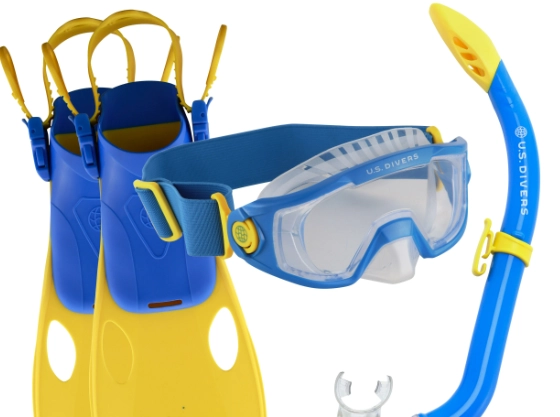
The Fins: Your Underwater Motors
Don't underestimate these. Short, lightweight travel fins are all the rage because they fit in a suitcase. And they're great for casual surface snorkeling. But if there's any current, you'll appreciate a bit more blade length for power. The key is comfort. Blisters from stiff, ill-fitting fins can end your day fast. Look for adjustable open-heel fins with booties for the best fit, or softer, full-foot fins for warm, calm waters.
The Secret Weapon Most Sets Forget: Buoyancy
Here's a huge gap in most basic guides. True comfort and safety in a floating snorkel set experience come from managing your buoyancy. When you're relaxed and floating high, you breathe easier and move less.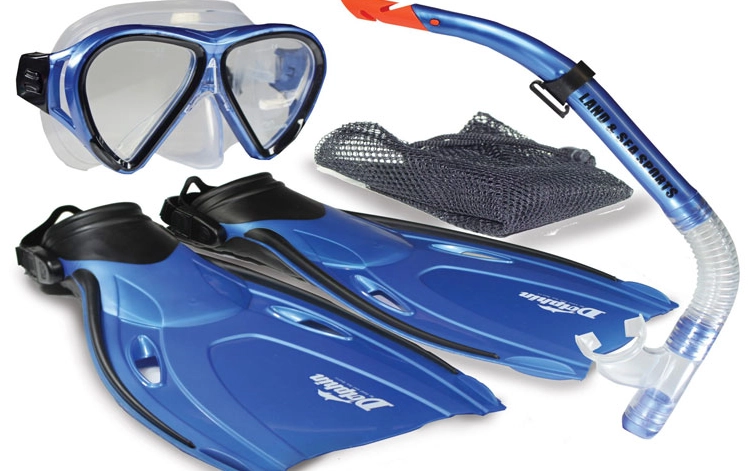
This is where a snorkel vest comes in. It's not a life jacket, but an inflatable bladder you can add a little air to for positive buoyancy. You can deflate it to dive down slightly. For beginners, kids, or anyone who isn't a strong swimmer, this is arguably more important than the type of snorkel. It reduces fatigue by 80%. I always recommend one, especially in ocean environments. The U.S. Coast Guard's page on Recreational Boating Safety emphasizes the importance of proper flotation devices for all water activities, and the principle applies here—staying afloat effortlessly is the foundation of safety.
Some high-end floating snorkel sets might include a simple vest, but often it's an add-on. Trust me, it's worth it.
How to Pick Your Perfect Floating Snorkel Set (No BS)
Forget the marketing fluff. Ask yourself these questions:
- Budget: Are you a once-a-year vacation snorkeler or a weekly enthusiast? A $50 set can be fine for the former. If you'll use it more, invest in separate, higher-quality pieces (like a $80 mask and a $40 snorkel). They last for years.
- Your Skill Level: Be real with yourself. If you're new, prioritize a dry-top snorkel and comfort. Experienced? You might prefer a simpler setup.
- Where You'll Go: Calm Caribbean cove? A basic full-foot fin set is fine. Rocky shore in Hawaii? You'll want open-heel fins with booties to walk in.
- Fit for Your Face: This is the most personal part. A mask that fits your friend might not fit you. If possible, try before you buy. If buying online, check the return policy.
Navigating the Brand Jungle
Lots of names out there. Cressi, Aqua Lung, and Mares are the legacy diving brands—their engineering is top-notch. Brands like Phantom Aquatics and Wildhorn offer great value. Then you have the countless Amazon bundles. The latter can be hit or miss. I've had a cheap bundle fin snap at the strap on the third use. You often get what you pay for in terms of durability and silicone quality.
Here’s a quick, opinionated rundown:
| Brand Vibe | Typical Price Point | Best For | My Experience |
|---|---|---|---|
| Premium Dive Brands (Cressi, Aqua Lung) | $$$ (for separates) | Serious snorkelers, those who want gear to last a decade, people with fit issues (they offer many mask sizes). | My Cressi mask is 8 years old and still perfect. The silicone hasn't degraded. It's a buy-once-cry-once situation. |
| Value-Oriented Brands (Phantom, Seavenger) | $$ (for full sets) | Casual and beginner snorkelers looking for a reliable all-in-one floating snorkel set without breaking the bank. | Great for introducing friends to the sport. The dry snorkels work well, though the masks might not have the same optical clarity as premium ones. |
| Ultra-Budget Bundles (Generic Amazon/Ebay) | $ | The "I just need something for a trip tomorrow" crowd. Extreme budget constraint. | It's a gamble. The plastic can be brittle, the silicone thin. Fine for a single, gentle use, but don't expect it to be your forever set. |
Gearing Up and Getting It Right: Your Pre-Swim Checklist
You've got your shiny new floating snorkel set. Don't just jump in. A few minutes of prep saves a world of frustration.
- Defog the Mask: Spit in it, rub it around the lens, rinse lightly with seawater. It's crude, but it works better than most commercial sprays. Baby shampoo is another good trick. Do NOT use toothpaste on new masks—it can scratch the lens.
- Adjust the Gear on Dry Land: Fit the mask strap high on the back of your head, not around your neck. The snorkel keeper should position the mouthpiece so it swings easily into your mouth without you craning your neck.
- Enter the Water Gracefully: Walk in backwards if wearing fins, or put them on once you're chest-deep. Never dive headfirst with a snorkel in your mouth.
- The Breathing Rhythm: In through the mouth, out through the mouth. Slow, deep, deliberate breaths. The sound of your breathing is normal—it's your underwater soundtrack. If you feel panicky, stop, float, and look up. Breathe normally without the snorkel.
Leveling Up: Beyond the Basic Floating Snorkel Set
Once you're comfortable, you might want to enhance the experience.
Prescription Lenses: If you wear glasses, you're not doomed to a blurry world. You can get masks with custom diopter lenses (expensive but perfect), or use stick-on corrective lenses (affordable and effective). It changes everything.
GoPro Mounts: Many snorkel sets now come with a camera mount on the mask strap. Be cautious—these can throw off the mask's balance and seal. I prefer a hand-held grip or a chest mount.
Upgrading Pieces: Your first floating snorkel set is a starting point. Your first upgrade is usually the mask. Then the fins. The snorkel lasts a long time.
Your Floating Snorkel Set Questions, Answered
The Final Dive
Choosing the right floating snorkel set boils down to one thing: removing barriers between you and the wonder below. It's about a mask that doesn't leak, a snorkel that doesn't flood, and fins that don't hurt. It's about feeling confident and buoyant so your brain is free to be amazed by the underwater world, not preoccupied with your gear.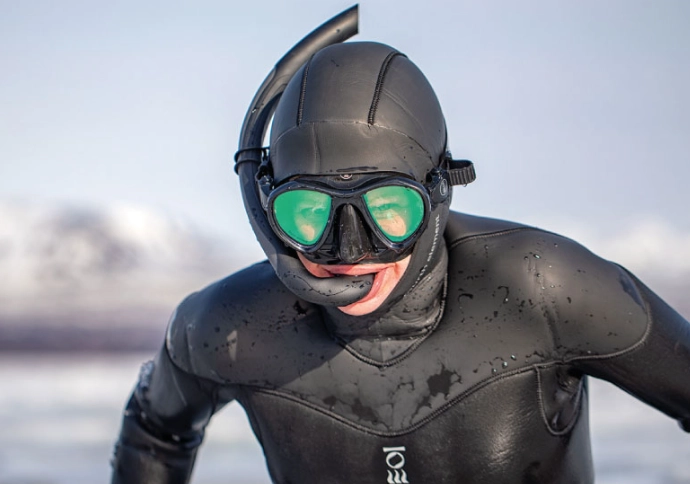
Don't overcomplicate it. Start with a decent value set from a known brand, maybe add a vest, and just get in the water. Practice in a pool first. The skills come quickly. The memories—of floating weightlessly over a garden of coral, of a turtle gliding past you—those last forever. And it all starts with trusting the simple, brilliant technology of your floating snorkel set.
Now go get wet.
Reader Comments