Quick Navigation
- The Big Picture: It's Always a Good Time (But Some Are Just Better)
- The Crowd Calendar: When the Islands Feel Like a Theme Park
- The Weather Wild Cards: Months with Higher Frustration Potential
- The Wildlife Focus: What You Might Miss (Timing is Everything)
- The Budget Breakers: When Prices Hit the Stratosphere
- So, When NOT to Go? The Summary of Worst-Case Scenarios
- But What If You HAVE to Go Then? Damage Control Strategies.
- Your Questions, Answered (The Stuff You're Really Wondering)
- The Final Word: It's About Your Personal Filter
Let's be real. Planning a trip to the Galapagos Islands is a big deal. It's expensive, it's a long journey, and the expectations are sky-high. You've seen the pictures – pristine beaches, giant tortoises, swimming with sea lions. It's a bucket-list dream for a reason.
But here's the thing nobody talks about enough: go at the wrong time, and that dream can feel like a damp, crowded, overpriced slog. I'm not here to scare you off. I'm here to make sure your trip is everything you hope it will be. And sometimes, that means knowing when not to go to the Galapagos Islands.
This isn't about saying "never go in January." It's about understanding the trade-offs. Maybe you're on a tight budget. Maybe you hate crowds more than anything. Maybe you have your heart set on seeing a specific animal behavior. Your "worst time" might be someone else's perfect window.
The core question of "when not to go to the Galapagos Islands" really boils down to your personal tolerance for three things: weather uncertainty, other tourists, and your bank account balance. Get honest with yourself about these before you look at a calendar.
The Big Picture: It's Always a Good Time (But Some Are Just Better)
First, a quick reality check. The Galapagos is amazing year-round. The wildlife is always there. The landscapes are always stunning. There's no "terrible" month that will completely ruin your trip. But there are periods where the challenges stack up, and knowing about them is half the battle.
The archipelago has two main seasons, driven by ocean currents rather than just temperature. This is crucial to understand.
The Warm & Wet Season (Approx. December to May)
This is often called the "garua" season, though that's a bit of a misnomer. It's warm. Air and water temperatures are pleasant. But it's also the rainy season. We're not talking all-day downpours, usually. It's more like short, heavy bursts in the afternoon, with plenty of sun in between. The sea is generally calmer. Lush greenery pops up on the islands. This is prime time for land bird breeding and seeing sea turtle nests.
The Cool & Dry Season (Approx. June to November)
The Humboldt Current brings cooler, nutrient-rich water. This means cooler air and water temps (a wetsuit is a must for snorkeling), and drier, overcast skies, especially in the highlands. The magic here is in the marine life. The cooler water attracts a bonanza of fish, which in turn attracts sharks, rays, and whales. Sea lion pups are playful, and albatrosses perform their dramatic courtship dances on Española Island (but only for a limited window!).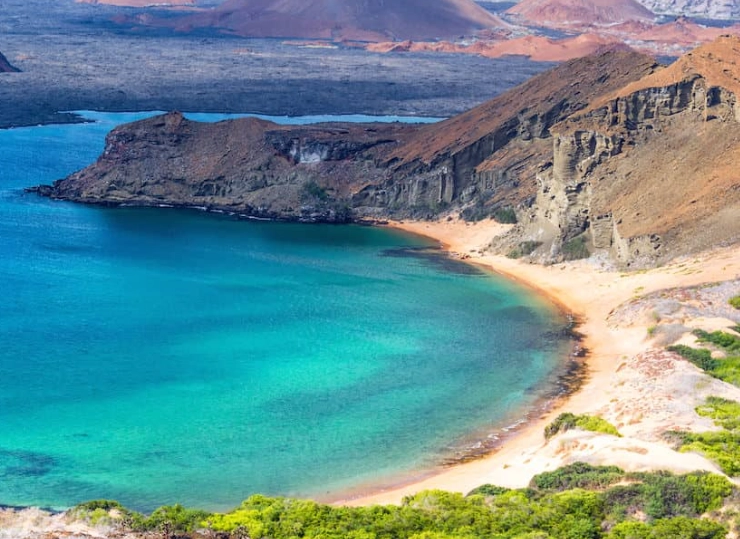
See? Both have major draws. So when does the scale tip towards "maybe reconsider"?
The Crowd Calendar: When the Islands Feel Like a Theme Park
This is the number one complaint I hear from people who had a less-than-perfect experience. The Galapagos isn't huge, and visitor sites are strictly controlled. When too many boats and day-trippers converge on the same spot, it can feel... well, not very wild.
Peak crowd periods are almost perfectly aligned with Northern Hemisphere vacation times:
- Mid-December through early January: The Christmas and New Year's rush. This is arguably the single most crowded and expensive time. Every cruise is booked solid, flights are pricey, and the main streets of Puerto Ayora are bustling. If solitude is a key part of your wilderness dream, this is a clear signal for when not to go to the Galapagos Islands.
- Late March through April: Spring Break season, especially around Easter (Semana Santa). A huge influx of South American and international families.
- Mid-June through August: The classic summer holiday period. Combine this with the excellent wildlife activity of the dry season, and you've got a perfect storm of high demand.
What does this mean for you? Longer waits at visitor sites, more people in your snorkeling photos, and a harder time getting last-minute bookings or changes. The guides are pros at managing groups, but the feeling of discovery is diminished.
Suddenly, that iconic Pinnacle Rock photo has ten other people in your shot.
The Weather Wild Cards: Months with Higher Frustration Potential
Again, no guarantees with weather. But some months have a higher probability of disruptive conditions.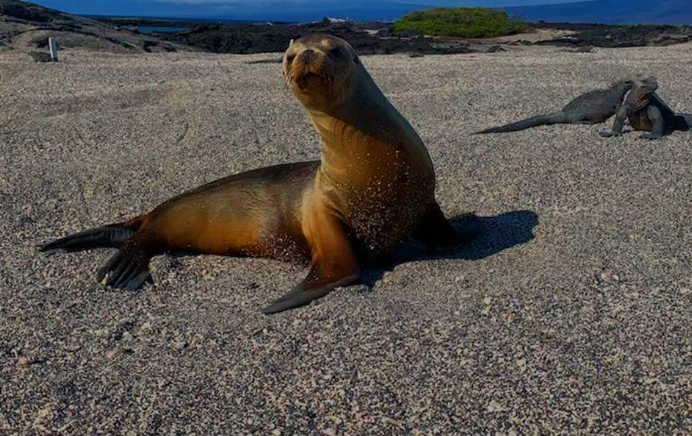
February and March are typically the hottest and wettest months. The rain can be intense, turning hiking trails into muddy slogs. While the warm water is nice, daily afternoon downpours might cancel or shorten your planned hikes. If you're someone who gets genuinely frustrated by plans changing due to weather, take note. This is a key period to consider for when not to go to the Galapagos Islands if you have a low tolerance for rain.
August and September see the peak of the garua – the misty, dense fog that blankets the highlands. It can be downright chilly in the mornings. More importantly, the seas are at their roughest. The Drake Passage gets all the press, but the channels between islands (like the infamous crossing from Isabela to Fernandina) can be seriously choppy. If you are prone to seasickness, these months are your enemy. Even with medication, it can be a miserable few hours. I've seen tough-looking folks reduced to a pale, groaning state during these crossings. It's no joke.
Seasickness Tip: If you must travel in Aug/Sep, book a larger cruise ship (like a catamaran) over a smaller yacht for more stability. And pack every remedy known to science.
The Wildlife Focus: What You Might Miss (Timing is Everything)
You're going for the animals, right? If you have a very specific sighting on your list, your timing is critical. Going in the "wrong" month might mean you just miss a key event.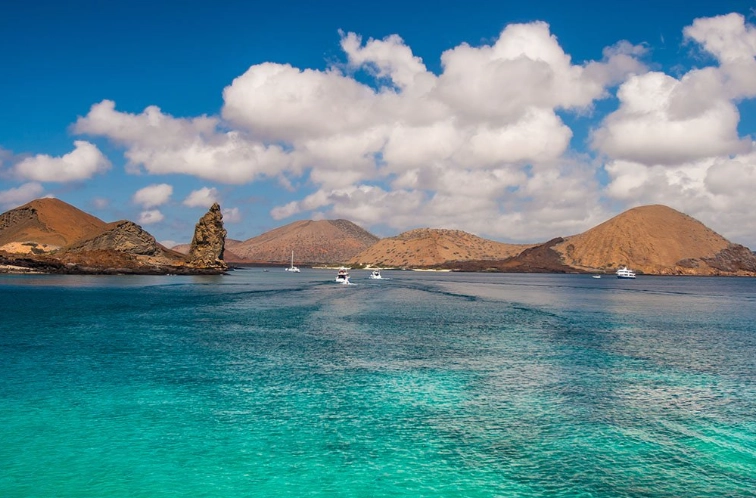
The most famous example is the Waved Albatross. These magnificent birds are only on Española Island from roughly late March/April through December. Arrive in January or February, and the island is empty of them. They've all flown out to sea. If seeing an albatross is a non-negotiable for you, then clearly, early year months are when not to go to the Galapagos Islands for that purpose.
Similarly, whale shark sightings around Wolf and Darwin Islands (liveaboard diving trips only) peak from June to November. Miss that window, and your odds drop dramatically.
Here's a quick table to visualize the key wildlife calendars. This alone can answer the question of when not to go for you.
| Wildlife Event | Best Viewing Period | Poor/No Viewing Period | Notes |
|---|---|---|---|
| Waved Albatross Courting & Nesting | April - December | January - March | They abandon the island entirely. Española is still great, but no albatrosses. |
| Sea Turtle Nesting (Green Turtles) | December - March | June - September | You may still see them swimming, but nesting on beaches is rare. |
| Sea Lion Pupping | August - November | Varies by island | Pups are everywhere in late dry season, incredibly playful. |
| Galapagos Penguin Activity | May - September (Cooler Water) | Warmer months | They are more active and easier to find when water is cool. |
| Whale Sharks (Wolf & Darwin) | June - November | December - May | Exclusively for divers on liveaboards. Peak season is almost a guarantee. |
| Flightless Cormorant Courtship | March - April & Sept - Oct | Outside those windows | You'll still see them, but not their unique blue-eyed courtship dance. |
See how it works? If your dream is to photograph a fluffy albatross chick, September is brilliant. If you want to see turtle hatchlings scurrying to the sea, aim for later in the wet season. Go in the opposite season, and you'll have a great trip, but you'll miss that one specific thing.
The Budget Breakers: When Prices Hit the Stratosphere
Let's talk money. The Galapagos is never cheap. But there are times when it shifts from "expensive" to "eye-wateringly expensive."
Peak pricing mirrors the crowd calendar almost exactly. Christmas/New Year's rates can be 30-50% higher than shoulder seasons. Last-minute deals? Forget about it. Everything is booked.
But there's another factor: last-minute booking windows. Contrary to popular belief, you don't always save money by booking a Galapagos cruise at the last minute in Puerto Ayora. For peak seasons, this is a terrible strategy – you'll find nothing. For true last-minute bargains, you need to be looking during the shoulder or off-peak times. Even then, you're limiting your choice.
If budget is your primary constraint, the absolute worst time to go to the Galapagos Islands is during holiday peaks. You'll pay more for the same experience. The sweet spot for budget and decent weather is often the shoulder months: late April/May and October/early November. You might catch some rain or some cooler water, but the crowds are thinner, and the prices are more reasonable.
Thinking of a Land-Based Trip? This is where timing gets interesting. Hotel prices on Santa Cruz, San Cristobal, and Isabela also spike during peaks, but you might find better flexibility than with cruises. However, the downsides of peak season – crowded visitor sites, busy restaurants – still apply. A land-based trip in, say, February might let you dodge some cruise crowds at certain hours, but you'll be dealing with the rain.
So, When NOT to Go? The Summary of Worst-Case Scenarios
Let's synthesize all this. Here are the scenarios where the cons heavily outweigh the pros, giving you a clear answer for when not to go to the Galapagos Islands.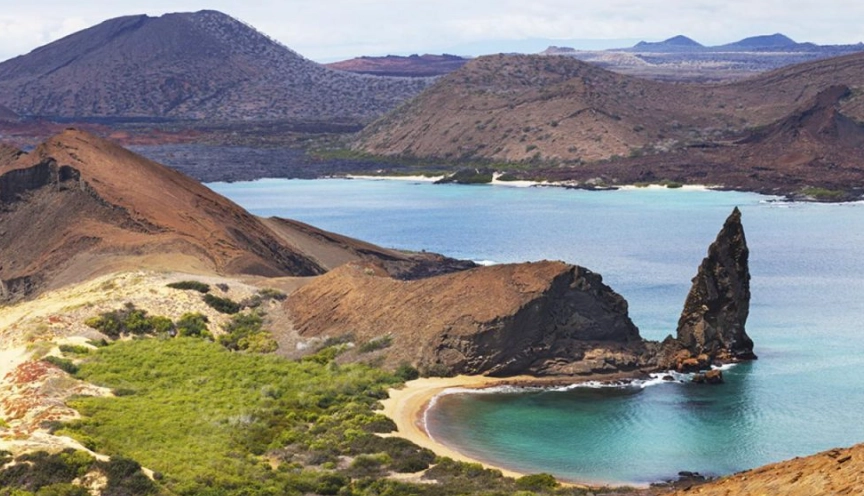
- If you hate crowds and love a deal: Avoid late December, July, and August. The triple whammy of high prices, full boats, and packed sites is real.
- If you are severely prone to seasickness: Avoid August and September. The Pacific swell is no joke, and smaller boats will rock relentlessly on longer crossings.
- If you desperately want to see the Waved Albatross: Avoid January, February, and most of March. They simply won't be there.
- If you want guaranteed dry, sunny weather for hiking and photography: Avoid February and March. You'll likely get rain, humidity, and overcast skies that mute colors.
- If you're on a very tight, inflexible budget: Avoid Christmas/New Year's and Easter week. The price premiums are punishing.
But What If You HAVE to Go Then? Damage Control Strategies.
Maybe your vacation time is locked in for July. Or your family can only travel during Spring Break. Don't panic. You can still have an incredible trip by managing the downsides.
For Crowds: Book a smaller yacht or a boutique cruise that visits less-frequented, more advanced visitor sites. The Galapagos National Park Directorate regulates which sites each boat can visit. Larger, cheaper boats often stick to the most popular, easier sites. Paying more for a smaller boat itinerary can buy you solitude. Also, be the first group off the panga in the morning. That 10-minute head start means photos without anyone else in them.
For Weather: Pack strategically. For the wet season, bring a high-quality rain jacket, quick-dry pants, and waterproof bags for your camera. For the cool season, pack layers, a warm fleece, and a beanie for early mornings. A good 3-5mm wetsuit is essential for snorkeling June-November.
For Budget in Peak Season: Book way in advance. Like, 9-12 months. This locks in better prices and ensures you get the boat/itinerary you want. Consider a land-based trip focusing on one or two islands, which can be more affordable than a cruise, though you'll see less.
Your Questions, Answered (The Stuff You're Really Wondering)
Let's tackle some specific queries that swirl around this topic.
Is the "worst time" also the cheapest time?
Not necessarily. The true "worst" times (holiday peaks) are the most expensive. The cheaper times are the shoulder seasons (Apr-May, Oct-Nov), which are actually quite good! There's a sweet spot where lower demand meets still-good conditions. The absolute cheapest might be the tail end of the wet season (April) when the chance of rain is still high but starting to drop, scaring off some travelers.
I've heard September is great for wildlife. But you said it's rough seas. What gives?
Both are true. September offers spectacular marine life activity and the adorable sea lion pups. It's a wildlife bonanza. But the ocean conditions are challenging. This is the perfect example of a trade-off. It's a fantastic time to go for a hardy diver or wildlife enthusiast who doesn't get seasick. It's a time to potentially avoid going to the Galapagos Islands for someone who knows they suffer on boats. You have to know your own priorities.
Are any months actually "closed" or a definite no-go?
No. The Galapagos is open year-round. There's no month where all boats stop or the parks close. Even in the rainiest or roughest months, operations continue. The decision is purely about your preferences and risk tolerance.
How reliable is this seasonal information with climate change?
It's a great question. Patterns are shifting. The Woods Hole Oceanographic Institution and other bodies monitor El Niño events, which can dramatically warm Galapagos waters, disrupting wildlife patterns (like causing marine iguana die-offs). While the broad seasonal descriptions still hold, expect more variability. A "dry" season month might see unexpected rain. This is another reason to build flexibility into your expectations. The park's rules and guides are constantly adapting to these changes to protect the ecosystem.
The islands don't read our calendars.
The Final Word: It's About Your Personal Filter
So, when not to go to the Galapagos Islands?
There's no universal evil month. There's only the month that's wrong for you. Filter the seasons through your personal lens: your budget, your crowd tolerance, your seasickness susceptibility, and your must-see wildlife list.
For me? I'd steer clear of the Christmas rush no matter what. The premium price and crowds suck the magic out of it for my taste. And as someone who values clear water for snorkeling, I lean towards the dry season, even with a wetsuit. But I pack my seasickness pills like they're gold.
Do your homework. Be honest about what you love and hate in a trip. Use that to find your window. The Galapagos is waiting, and getting the timing right is the first step toward the trip of a lifetime. Just don't go blindly in the peak of peak season and then wonder why it felt rushed and expensive. Now you know better.
Want to check official park visitor statistics and site management plans? The Galapagos National Park's official site is the definitive source for regulations and conservation efforts, which ultimately shape the visitor experience more than any weather pattern.
Reader Comments