Let's be real. Shore snorkeling is fun, but it's limiting. You're stuck with the crowded spots everyone else can walk to. Snorkeling from a kayak? That's a different game. It's your ticket to secret coves, untouched reefs, and the quiet corners of the sea where the best marine life hides. I've been doing this for over a decade, from the mangroves of Florida to the atolls of the South Pacific, and I can tell you it's the most rewarding way to experience the underwater world. But most guides miss the crucial, gritty details that separate a magical day from a miserable or dangerous one.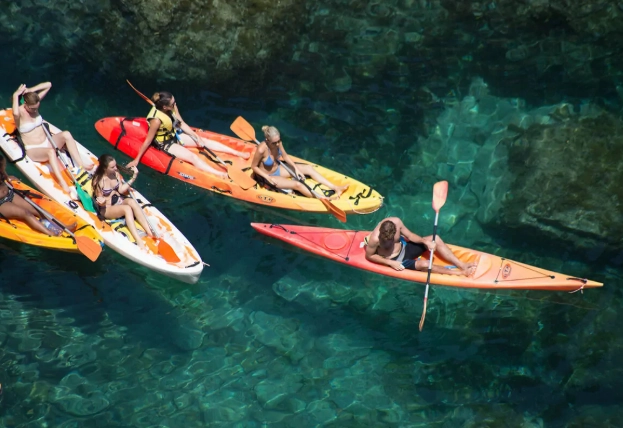
Your Kayak Snorkeling Adventure Starts Here
Why Kayak Snorkeling is a Game-Changer
Think of your kayak as a mobile dive platform. It solves the three biggest problems in snorkeling: access, fatigue, and carrying stuff.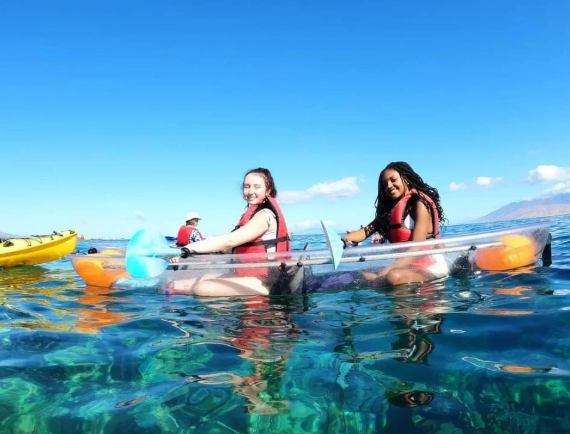
Access. You can paddle over shallow seagrass beds that would tear up a boat's hull, slip into narrow mangrove channels, or cross a bay to a distant reef wall. I once paddled a mile off Kauna'oa Bay in Hawaii to a lava tube entrance completely invisible from shore. The parrotfish there were the size of small dogs.
Fatigue. Swimming long distances in open water burns energy and air. With a kayak, you save every ounce of stamina for the good part—the snorkeling. Paddle out fresh, tie off, explore until you're content, then climb back in and let your legs rest while you paddle to the next spot.
Carrying Capacity. Dry bag for your camera, phone, and lunch? Check. Extra water? Check. A small first-aid kit? Easy. You're not limited to what you can awkwardly float with on a pool noodle.
The Gear You Absolutely Can't Skip
This isn't a generic "get a kayak and a mask" list. This is the specific, field-tested kit that works together.
The Kayak: Stability is King
Forget speed. Forget sleek touring designs. You need a stable platform for getting in and out of the water, often in mild waves. A wide, sit-on-top kayak is your best friend. They're self-draining, easy to re-board, and have plenty of deck space for gear. Inflatable kayaks have come a long way; a high-quality one from a brand like Sea Eagle or Advanced Elements can be surprisingly stable and packable for travel.
| Kayak Type | Best For | Considerations | Approx. Price Range |
|---|---|---|---|
| Sit-On-Top (Hard Shell) | Warm water, beginners, easy entry/exit. | Heavy to transport, needs roof racks. | $400 - $1,200 |
| High-Pressure Inflatable | Travel, storage space, calm waters. | Setup time, slightly less rigid. | $800 - $2,000 |
| Tandem Kayak | Going with a partner, sharing gear load. | Requires coordination, heavier. | $600 - $1,500 |
Snorkeling Gear: The Usual Suspects, Upgraded
Mask & Snorkel: A fog-free, silicone-skirt mask that seals perfectly is non-negotiable. Spend time here. For the snorkel, I insist on a dry-top snorkel. When you're climbing back into the kayak, a wave can splash over you. A dry-top prevents that gulp of seawater. The full-face snorkel mask debate? I'm not a fan for kayak snorkeling. They can be bulky, and the integrated design can feel claustrophobic for some. A traditional set is more reliable.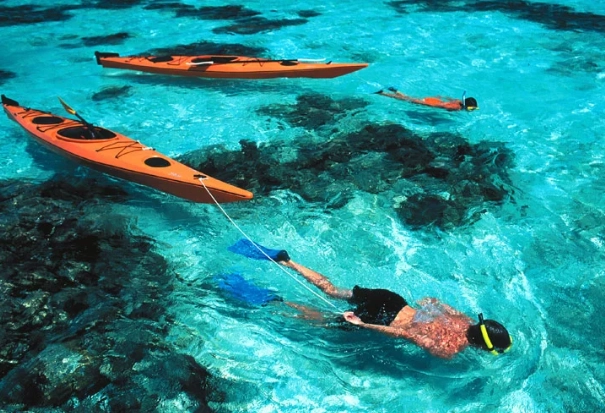
Fins: Open-heel fins with booties are the professional's choice. They protect your feet on rocky entries and give better propulsion. But for pure simplicity, full-foot fins work if you're launching from a sandy beach.
The Most Important Piece: Your Anchor
This is the piece most rentals forget to give you, and it's critical. You can't just drop anchor on a coral reef. You need a reef-friendly anchor system.
- Anchor: A small folding grapnel anchor (2.5-4 lbs) works on sand. For reef or rocky bottoms, use a reef pick or a length of chain that won't snag and break coral.
- Line: 50 feet of floating polypropylene line. Floating line won't get tangled in the reef below.
- Float & Clip: Attach a small buoy (like a dive float) to the end of your anchor line. Before you drop anchor, clip the buoy to your kayak with a carabiner. When you're done, simply unclip the buoy, paddle over to it, and pull up the anchor from directly above. This prevents you from dragging the anchor across the reef, which destroys marine life.
I learned this system from a Bahamian guide, and it's the single best piece of eco-advice I can give.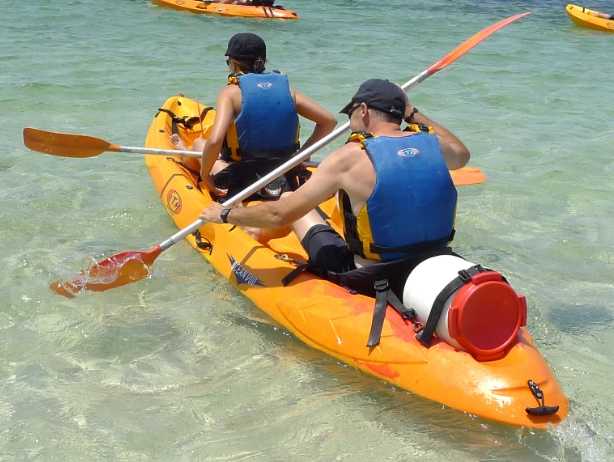
The Rest of Your Kit
Personal Flotation Device (PFD): Not a suggestion. A legal and lifesaving requirement in most places. Get a comfortable, kayaking-specific PFD you'll actually wear.
Dry Bag: A 20-liter bag is perfect for keys, phones, towels, and lunch.
Sun Protection: Rash guard, hat, reef-safe sunscreen (like Stream2Sea or Badger). Regular sunscreen kills coral.
Waterproof VHF Radio or Phone in a Case: For emergencies. Tell someone your float plan.
Safety Rules Most People Learn the Hard Way
These aren't the obvious "don't snorkel alone" tips. These are the nuanced ones.
1. The PFD Stays ON. Even while snorkeling? In deep water, rough conditions, or currents, yes. A good kayaking PFD is buoyant and won't hinder you much. It's your lifeline if you get separated from your kayak. In calm, shallow, clear water, you can clip it to the kayak, but it must be within immediate reach.
2. Master the Entry and Exit. Practice in calm, waist-deep water first. The technique: Hold the kayak steady alongside you. Place your hands on the far side of the cockpit, kick your legs up, and roll your belly onto the deck, then swing a leg over. It's ungainly but effective. Exit is the reverse. Always do this on the lee side (downwind side) of the kayak so the wind doesn't push it on top of you.
3. Read the Water, Not Just the Sky. Check tide charts and currents. A calm outgoing tide can become a rushing river through a channel an hour later. Websites like Windy.com or local marine forecasts are essential. If you see whitecaps from your launch point, reconsider.
4. The Buddy System is a Protocol, Not a Suggestion. One person stays with/in the kayak as a lookout and gear tender while the other snorkels. Then switch. This ensures the kayak—your transportation and safety platform—is never unattended and adrift.
5. Leave It Better. Bring a mesh bag. If you see trash, pick it up. Don't touch or stand on coral. Your fin stroke should be gentle and high off the bottom to avoid stirring sediment.
Where to Go: Top Spots Around the World
These locations offer protected waters, easy kayak rentals, and phenomenal snorkeling right from the paddle trail.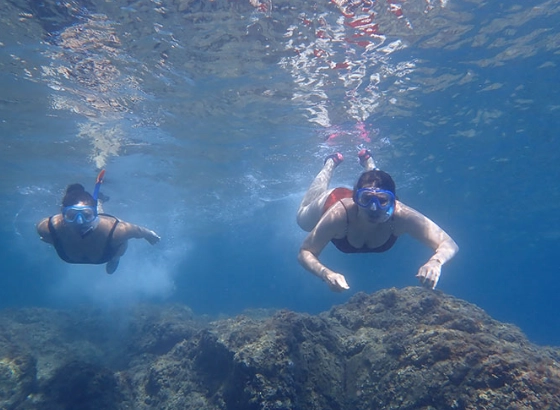
1. Kealakekua Bay, Hawaii (Big Island)
The Draw: Pristine coral gardens, spinner dolphins, and the Captain Cook Monument. The bay is a Marine Life Conservation District, so fish are abundant and fearless.
Kayak Logistics: Rent from vendors in nearby Captain Cook. They provide the kayak, gear, and permit (required). Paddle about a mile across the bay to the best reefs.
Pro Tip: Go early. The tour boats arrive by 10 AM. Having the place to yourself at 8 AM is magical.
2. John Pennekamp Coral Reef State Park, Florida Keys
The Draw: The first undersea park in the U.S. Mangrove trails, seagrass beds, and easy paddling to shallow patch reefs.
Kayak Logistics: Rent directly from the park concession. They have clear kayaks, which are a fun novelty. Launch from the park marina.
Pro Tip: Paddle the mangrove trails at high tide. Look for juvenile tarpon and nurse sharks in the shadows.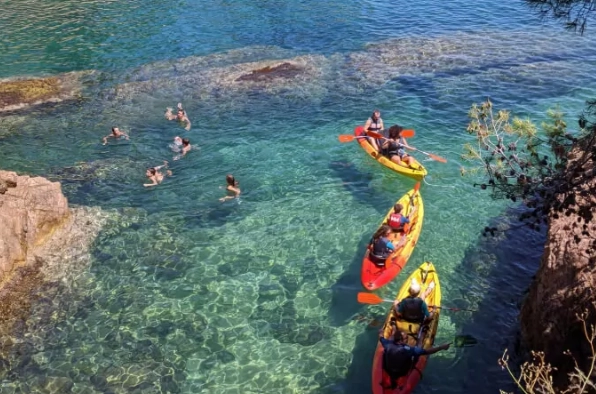
3. The Baths, Virgin Gorda, British Virgin Islands
The Draw: Giant granite boulders form secret seawater pools and grottoes. Snorkeling around the boulders is fantastic.
Kayak Logistics: Many charter companies offer kayak/snorkel combos. You can also rent from resorts like Bitter End Yacht Club and explore the sound.
Pro Tip: Anchor off Devil's Bay and swim ashore to explore The Baths from the water side, avoiding the cruise ship crowds on land.
4. El Nido, Palawan, Philippines
The Draw: Jaw-dropping limestone karsts, hidden lagoons, and vibrant reefs. It's a paddler's paradise.
Kayak Logistics: Kayaks are standard gear on most island-hopping tours. For more freedom, rent from beachfront operators in Corong-Corong or Las Cabanas.
Pro Tip: Paddle to Small Lagoon or Secret Lagoon early. By midday, they're packed with motorized tour boats.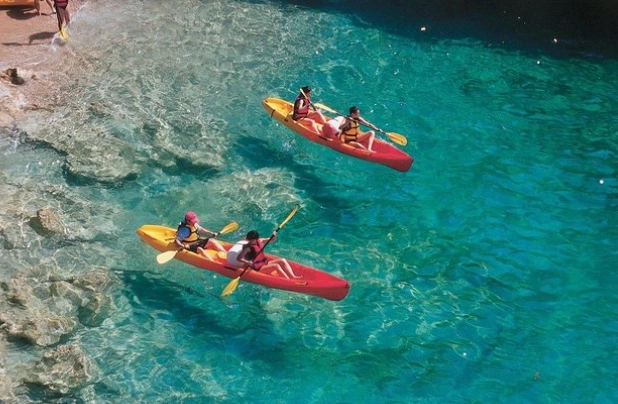
Your Questions, Answered (By Someone Who's Made the Mistakes)
I get panicky switching from snorkeling to regular breathing on the kayak. Any tips?
What's the one piece of cheap gear that's actually worth upgrading first?
Can I do this solo if I'm a strong swimmer and experienced kayaker?
My kids want to try. What's the best age and how do I manage it?
How do I take good photos while managing all this gear?
What's the biggest environmental mistake kayak snorkelers make?
Reader Comments