Your Quick Guide to the Coral Gardens
- What Exactly Is the Coral Garden in Bora Bora?
- Top Spots to Experience the Bora Bora Coral Gardens
- When is the Absolute Best Time to Go?
- What Will You Actually See? The Marine Life Roll Call
- How to Snorkel Responsibly: This is Non-Negotiable
- Beyond Snorkeling: Other Ways to Experience the Garden
- Frequently Asked Questions (The Real Stuff People Worry About)
- Making Your Choice: Tour vs. DIY Resort Snorkeling
Let's be honest. When you think of Bora Bora, you picture those insane overwater bungalows, right? The ones that look like they're floating on liquid sapphire. I did too. But let me tell you, the real magic of this island isn't just above the water. It's underneath it. The phrase "Coral Garden Bora Bora" gets thrown around a lot in travel brochures, and honestly, it sometimes feels like a marketing gimmick. Until you put your face in the water. Then you get it. It's not just one spot; it's a whole series of living, breathing underwater neighborhoods teeming with life. This isn't an aquarium. It's the real deal, and it can be overwhelming (in the best way possible) to plan for. I've been there, floating above coral heads the size of small cars, wondering what I was even looking at. So I put this together – not as a formal guide, but as a chat from someone who's been mesmerized (and occasionally confused) by what lies beneath Bora Bora's surface.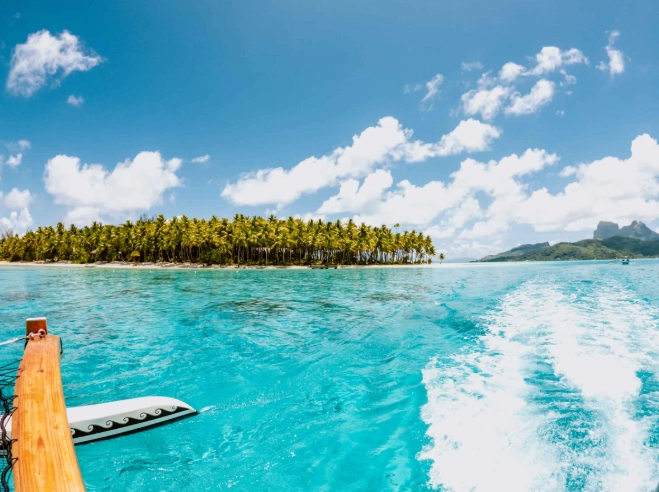
Quick Reality Check: The term "Coral Garden" often refers to a specific, popular snorkeling spot near the motus (small islets) in the lagoon. But in a broader sense, much of Bora Bora's protected lagoon is a sprawling, interconnected coral garden system. When people search for info on the Coral Garden Bora Bora, they're usually looking for the best access points to this system.
What Exactly Is the Coral Garden in Bora Bora?
Okay, first things first. Let's clear up the name. You might be expecting a single, fenced-off underwater park. It's not like that. Think of it more as a series of shallow, sandy-bottomed areas within the lagoon that are absolutely packed with coral formations. These areas are like underwater oases. The water is often only 3 to 10 feet deep, which is what makes it so incredible for snorkeling. You're right on top of the action.
The coral itself is a mix of hard corals (the ones that build the reef structure) and soft corals (the wavy, flowing ones). You'll see massive brain corals (they really do look like giant brains), elegant staghorn corals, and colorful patches of what's aptly named cauliflower coral. This dense, garden-like growth is what gives the area its name. It's a nursery, a restaurant, and an apartment complex for thousands of marine creatures.
Now, is it all perfect? I have to be straight with you. You will see areas where the coral is vibrant and exploding with color. And you might also see patches that are bleached or broken. It's a reminder that these are living ecosystems under pressure. The NOAA Coral Reef Conservation Program has tons of resources on the stressors reefs face globally, and seeing it firsthand in a place as famous as Bora Bora really drives the point home. It makes you want to be a more responsible visitor.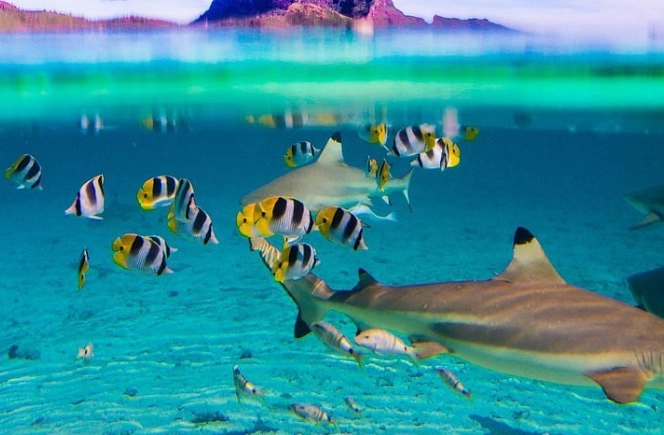
Top Spots to Experience the Bora Bora Coral Gardens
This is probably what you're really here for. Where do you go? While the lagoon is full of life, a few spots are consistently fantastic and accessible. I've ranked them not just by beauty, but by practicality for different types of travelers.
| Spot Name / Area | How to Get There | What Makes It Special | Best For |
|---|---|---|---|
| The "Classic" Coral Garden (near Motu Piti Uu'uta) | Boat tour from Vaitape or your resort. Almost every snorkel tour stops here. | The poster child. Dense coral formations in very shallow, calm water. Often includes a chance to see/feed stingrays & blacktip reef sharks nearby. | First-timers, families, those who want the classic "Bora Bora snorkel" photo. |
| Lagoonarium & Surrounding Reef | Part of a specific paid tour to the Lagoonarium, usually a combo day trip. | More controlled environment with a fenced coral area. Guaranteed fish sightings (they're fed). Good for nervous swimmers to get comfortable. | Beginners, kids, people who want a guaranteed wildlife encounter. |
| Reef Passes (like Tupitipiti Point - for advanced) | Specialized diving or advanced snorkel tours only. Strong currents. | Where the lagoon meets the open ocean. Massive coral walls, bigger pelagic fish (eagles rays, sharks, Napoleon wrasse). Dramatic topography. | Experienced snorkelers/strong swimmers, adventure seekers. |
| Resort House Reefs | Simply walk off the beach or your bungalow ladder at certain resorts. | Unbeatable convenience. Quality varies hugely by resort location. The Four Seasons and Intercontinental Thalasso often have excellent house reefs. | Lazy days, quick morning snorkels, resort guests who want privacy. |
My personal favorite? It's a tie. The classic Coral Garden Bora Bora spot is just so easy and rewarding. But slipping into the water right from my bungalow at the Intercontinental at sunrise, with nobody else around, was pure magic. You have to weigh convenience against the curated tour experience.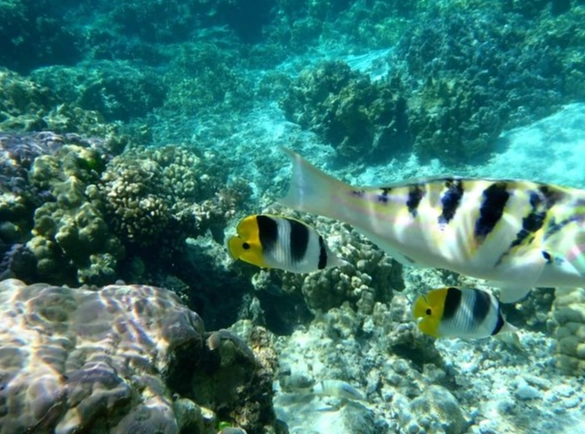
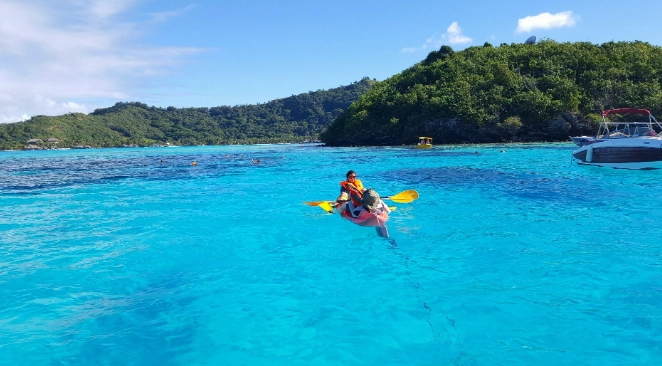
A Word on Tours: The classic tour that goes to the Coral Garden, the stingray sandbar, and a shark-feeding area is incredibly popular. It's fun, but it can feel a bit rushed and crowded with multiple boats. If you hate crowds, look for a smaller-group or private tour operator. They exist, and they're worth the extra francs for a more serene experience.
When is the Absolute Best Time to Go?
Timing is everything, and not just for good weather. You want clear water and calm seas to really appreciate the gardens.
The Weather Sweet Spot
Bora Bora has two main seasons: the dry season (May to October) and the wet season (November to April). For snorkeling the Coral Garden Bora Bora, the dry season is king. The skies are clearer, the humidity drops, and the southeast trade winds are more consistent, which actually helps keep the lagoon water clear. Rain isn't just about getting wet; it can stir up sediment and reduce underwater visibility from amazing to just "good." I went in early June, and the visibility was easily 100 feet. It was like swimming in air.
Water Temperature & Comfort
The water is warm year-round, rarely dipping below 79°F (26°C). But in the wet season, it can feel like a bath, getting up to 84°F (29°C). That's warm. Some people love it; I found I overheated faster in my snorkel vest. The drier months offer a slightly more refreshing dip. A thin wetsuit skin or rash guard is a good idea anytime for sun and coral protection, not warmth.
Avoiding the Crowds
This is the insider tip. High season aligns with the dry season and northern hemisphere summer/ holidays. July, August, and December are packed. If you can swing it, the shoulder months of May, early June, late October, and early November often have similar weather but fewer people. Fewer people on the reef is better for the reef, and for your experience.
 So, May to October. Mark it on the calendar.
What Will You Actually See? The Marine Life Roll Call
This is the fun part. The Coral Garden Bora Bora is ridiculously stocked. It's like a well-curated, but totally wild, aquarium. Here’s a breakdown of the usual suspects, from the common to the "oh my god" rare.
The Always-There Crew (You'll definitely see these):
- Parrotfish: The lawnmowers of the reef. They're big, colorful, and you can hear them crunching on coral. Look for the stunning midnight parrotfish – it's blue!
- Butterflyfish: The little yellow and black ones that look like they belong in a cartoon. They're everywhere.
- Surgeonfish (like the Convict Tang): Oval-shaped with bold stripes. They have a sharp spine near their tail – hence the name.
- Clownfish (Nemo): Nestled safely in their anemones. They're smaller than you think but feisty if you get too close to their home.
- Moray Eels: Usually just a head poking out of a hole. Looks grumpy, mostly just shy. The honeycomb moray is common.
The Lucky Sightings (Keep your eyes peeled):
- Blacktip Reef Sharks: Small, sleek, and harmless to humans. They cruise the sandy channels between coral patches. Seeing them is common on tours that include feeding, but spotting one naturally in the garden is a thrill.
- Eagle Rays: The most graceful creature in the ocean. Seeing one glide over the coral garden is a memory that sticks. Less common than stingrays.
- Sea Turtles (Green or Hawksbill): A true treasure. They're endangered, so a sighting is special. They're often found munching on seaweed or sponges. Move slowly and don't chase them.
- Napoleon Wrasse (Humphead Wrasse): A massive, blue-green fish with big lips. They're curious and can get quite large. Seeing one feels like meeting the mayor of the reef.
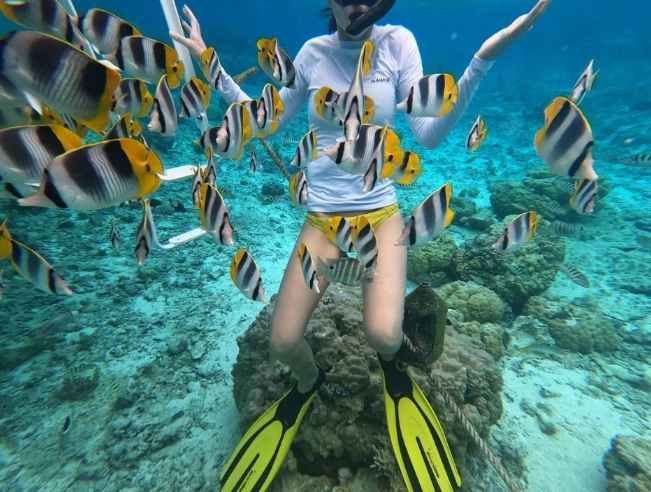
My Weirdest Sighting: A flounder. It sounds boring, but this flatfish was perfectly camouflaged on the sandy bottom. I only saw it because it decided to swim up a few inches, looking like a magical hovering pancake, then settled back down and vanished. It's the small, weird things that sometimes delight you the most.
How to Snorkel Responsibly: This is Non-Negotiable
Look, the Coral Garden Bora Bora is fragile. We're visitors in their home. The rules aren't complicated, but they're vital. The Marine Conservation Institute has great global guidelines, but here’s the Bora Bora-specific version.
The Golden Rules:
- No Standing, No Kicking, No Touching. Your fins can break decades of coral growth in one swipe. If you need to adjust your mask, float vertically and tread water gently. Never stand on coral, even if it looks like rock. It's alive.
- Reef-Safe Sunscreen ONLY. This is huge. Chemicals like oxybenzone and octinoxate in regular sunscreen bleach and kill coral. It's banned in some places, and you should act like it's banned everywhere. Use mineral-based (zinc oxide/titanium dioxide) sunscreen. Apply it at least 20 minutes before getting in the water. Better yet, wear a UV-protection long-sleeve rash guard and leggings. I used Raw Elements and it worked great.
- Look, Don't Feed. Feeding fish human food or even "approved" fish food changes their behavior and can make them sick. Let them do their natural thing.
- Take Nothing, Leave Nothing. No shells, no coral pieces (this is illegal). And obviously, no trash. If you see plastic, pick it up if you can do so safely.
I saw a guy on a tour standing on a brain coral to adjust his GoPro. The guide yelled at him, thankfully. Don't be that guy. The health of the coral garden you're enjoying depends on every single person respecting it.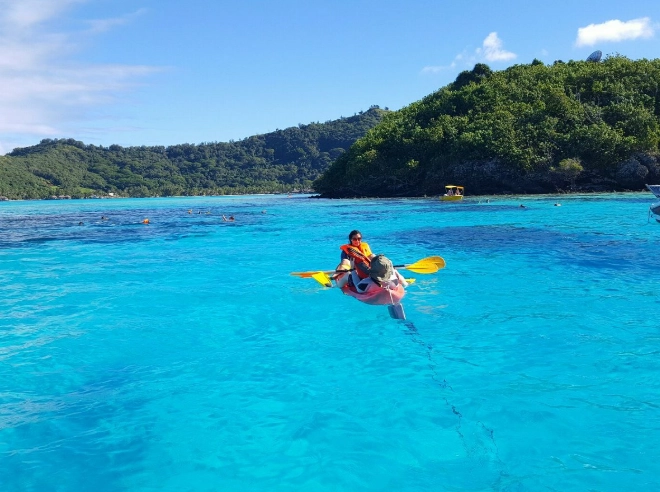
Beyond Snorkeling: Other Ways to Experience the Garden
Snorkeling is the main event, but it's not the only show in town.
Glass Bottom Boat Tours
Perfect for non-swimmers, young children, or anyone who wants a preview. You get a fish-eye view without getting wet. It's a great way to scout the area before you jump in. Some tours combine this with a short snorkeling stop, which is a nice intro.
Scuba Diving
If you're certified, diving takes you to the outer reef walls and passes. The coral structures are bigger, and you have more time to observe the micro-life. You'll see a different, often more dramatic, side of the Bora Bora ecosystem. The coral gardens inside the lagoon are generally too shallow for diving, so boats will take you to the drop-offs.
Underwater Scooters or Sea Walks
These are more gimmicky, touristy activities. The underwater scooter (you ride it with a helmet that has air) can be fun for a novelty. The "sea walk" where you wear a heavy helmet and walk on the bottom? I find it a bit clumsy and disruptive to the sandy areas. Snorkeling is simpler and gives you more freedom, in my opinion.
Frequently Asked Questions (The Real Stuff People Worry About)
I had these questions. You probably do too.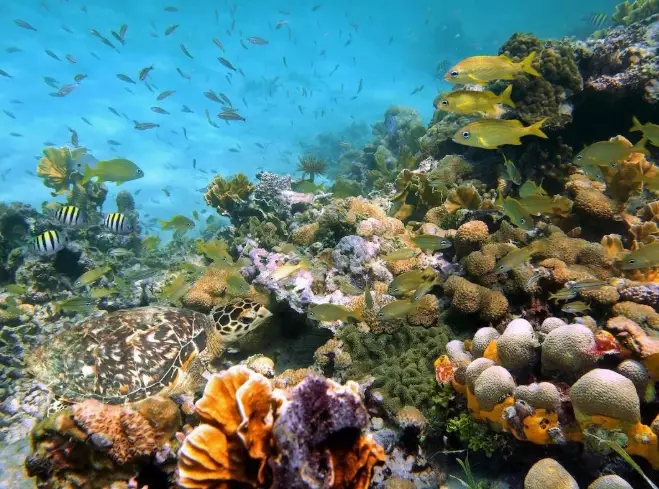
Yes, absolutely. The classic spots are in shallow, protected lagoon water with little to no current. Most tours provide buoyancy vests, which are a game-changer. They let you float effortlessly without kicking. If you're nervous, start in waist-deep water near your resort to get used to breathing through the tube. The biggest hurdle is psychological, not physical.
The blacktip reef sharks in the lagoon are not interested in you. They're small (3-5 feet) and eat fish. The southern stingrays are like underwater puppies—they're gentle, and their barb is defensive (stepping on them), not offensive. On guided tours where they are fed, they may brush against you. It feels weird and silky, not scary. Just listen to your guide's instructions.
- Your own mask and snorkel (if you have a good fit): A leaky mask ruins everything. Tours provide them, but the quality varies. I bring my own.
- Reef-safe sunscreen & a rash guard: Seriously. Don't forget.
- Waterproof camera/GoPro: Memory maker.
- A towel and a dry change of clothes: The boat ride back can be breezy.
- Cash: For tips for the guide/crew and maybe to buy a drink at a motu.
- Reef shoes (optional but helpful): For walking on the motu or in very shallow water. Don't wear them while swimming/finning.
This is a great question. Compared to heavily impacted reefs in the Caribbean or near dense populations, Bora Bora's lagoon is generally in good health because of its isolation and protective status. However, like all reefs globally, it faces threats from climate change (coral bleaching events), occasional storms, and tourist pressure. You will see vibrant, healthy sections and some areas showing stress. The U.S. Coral Reef Task Force monitors global threats. The takeaway: It's beautiful and vibrant, but it's not a time capsule. It needs our care.
This is tricky. The best, most concentrated gardens are in the lagoon, away from the main island. You need a boat to get to them. You could rent a private boat or a small powerboat (if you're experienced with lagoon navigation and know the channels—they're shallow!). For 99% of people, a guided tour is the safest, easiest, and most informative way to go. They know the exact spots and handle all the logistics.
Making Your Choice: Tour vs. DIY Resort Snorkeling
Let's wrap this up with some final thoughts to help you decide how to structure your time.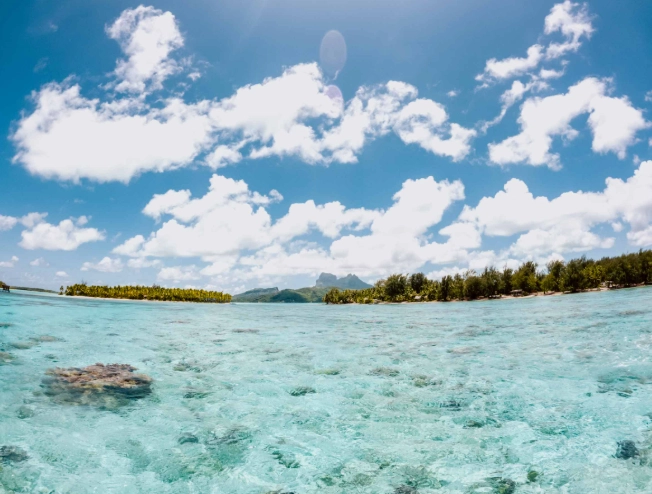
If it's your first time, or if you're on a shorter trip, book a half-day snorkel tour. It's the most efficient way to hit the highlights: the Coral Garden Bora Bora, the rays, the sharks. You get guidance, equipment, and transportation all sorted. It's a no-brainer.
If you're staying at a resort with a great house reef (do your research before booking!), you can have an amazing experience just steps from your room. This is perfect for lazy days, early mornings, or when you just want 30 minutes in the water. It's more intimate and on your own schedule.
The ideal scenario? Do both. Take one guided tour to see the famous spots and learn from a guide. Then, spend the rest of your days leisurely exploring your resort's house reef. That combination gives you the breadth and the depth of experience.
Planning this trip can feel like a lot, but once you're there, floating weightless above a city of coral, watching a parrotfish do its work, it all makes sense. The Coral Garden Bora Bora isn't just a tourist stop. It's the heart of the island's magic. Go see it, but go gently.
Reader Comments