You've booked the flights, found the perfect beachfront villa, and can already picture the crystal-clear water. But then the anxiety hits. What do you actually need to bring for snorkeling? A quick Google search throws up a hundred generic lists telling you to pack a swimsuit and towel. That's like telling a chef to bring a pan to a cook-off. It's not wrong, but it's hopelessly incomplete. After over a decade of leading snorkel trips from the Caribbean to Southeast Asia, I've seen every packing mistake in the book. The goal isn't just to have a list; it's to have a list that guarantees a great experience and solves problems before they happen. This guide is that list.
Your Quick Packing Guide
The Core Gear: Your Non-Negotiables
This is the stuff that separates a frustrating, foggy, leaky experience from pure underwater bliss. I'm not just listing items; I'm telling you why the specific choice matters.
How to Choose a Snorkeling Mask That Won't Leak
Forget brand names for a second. The single most important thing is the fit. A $200 mask that doesn't seal is worthless. A $40 mask that seals perfectly is gold. Here's the trick most rental shops won't tell you: place the mask on your face without the strap. Inhale gently through your nose. If it stays suctioned to your face for a few seconds without you holding it, you've got a contender. Now check the skirt (the soft part). It should sit comfortably on your upper lip and not press into the bridge of your nose. If you have a mustache, consider a mask with a wider, softer skirt or be ready to use a bit of silicone grease (yes, that's a thing).
Your Snorkel: Simple is Usually Better
The debate between dry, semi-dry, and classic J-tube snorkels is endless. My take? For 90% of snorkelers, a simple, flexible-tube snorkel with a comfortable mouthpiece is perfect. The complex dry-top snorkels with float valves can fail, and when they do, they prevent you from clearing them easily. A semi-dry (with a splash guard) is a good compromise. The key is the mouthpiece. Bite on it in the store. It shouldn't make your jaw ache after thirty seconds.
Fins: The Engine of Your Swim
Full-foot fins are great for warm, calm water from a beach. They're compact and easy. Open-heel fins with booties are my default recommendation. Why? They protect your feet from rocky entries, provide warmth, and usually offer more power. Booties also let you walk comfortably from your hotel to the shore. Size them so your heel is snug in the fin pocket, not swimming around.
| Core Gear Item | Key Feature to Look For | Common Mistake to Avoid |
|---|---|---|
| Mask | Perfect seal on face (test without strap), low volume, tempered glass lens. | Choosing based on color/cool factor over fit. Not packing a spare mask strap (they break). |
| Snorkel | Comfortable, flexible silicone mouthpiece. Simple purge valve if any. | Opting for an overly complex "dry" snorkel that is hard to clear when it inevitably fails. |
| Fins | Open-heel with neoprene booties for versatility, full-foot for simplicity and travel. | Getting fins that are too stiff (causes cramps) or too long (hard to pack, awkward in shallow water). |
| Exposure Protection | Rash guard or thin wetsuit (1-3mm). Protects from sun and minor scrapes. | Skipping it to "tan" and ending up with a vicious sunburn on your back, ruining the trip. |
Beyond the Mask: Travel & Shore Essentials
This is where most lists fall short. They get the snorkel gear right and forget everything else that makes a day at the shore enjoyable and safe.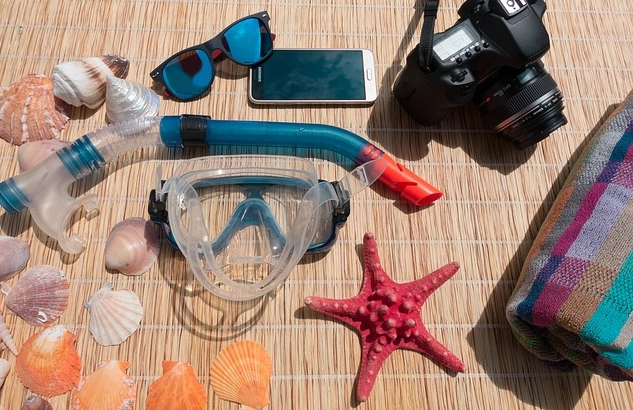
Let's talk about the bag. A mesh gear bag is non-negotiable. It lets sand and water drain out, preventing your car rental or hotel room from becoming a swamp. Inside it, you need a dry bag. Not just any dry bag, but one with a clear window. This lets you stash your phone, keys, wallet, and towel on the beach while you snorkel, and you can actually see the contents from the outside. It's a theft deterrent and an organizational lifesaver.
Speaking of towels, a microfiber travel towel is a game-changer. It packs to the size of a soda can, dries you off quickly, and dries itself even faster. A giant cotton beach towel is a burden.
Now, the sun. Reef-safe sunscreen is a must, and not just for environmental reasons. Many destinations like Hawaii, Key West, and parts of Mexico now legally require it. Apply it 30 minutes before you get in the water. But sunscreen isn't enough. A long-sleeved rash guard or swim shirt is your primary sun defense. I learned this the hard way after a trip to Belize where I reapplied SPF 50 constantly but still got fried through the water's magnifying effect. A shirt blocks 98% of UV rays, full stop.
Other shore-side must-haves:
- Reef-safe zinc oxide stick: For your nose, ears, and lips. It stays on in the water.
- Water shoes or sandals: For walking over hot sand and sharp coral rubble.
- Reusable water bottle: Snorkeling is dehydrating. Fill it up before you go.
- Waterproof phone case or dedicated camera: Test it in a sink with a paper towel inside before you trust it in the ocean.
Personal Care & Comfort Items
These are the small things that have a massive impact on your post-snorkel comfort. Salt water, sun, and sand are a brutal combo for your skin, hair, and eyes.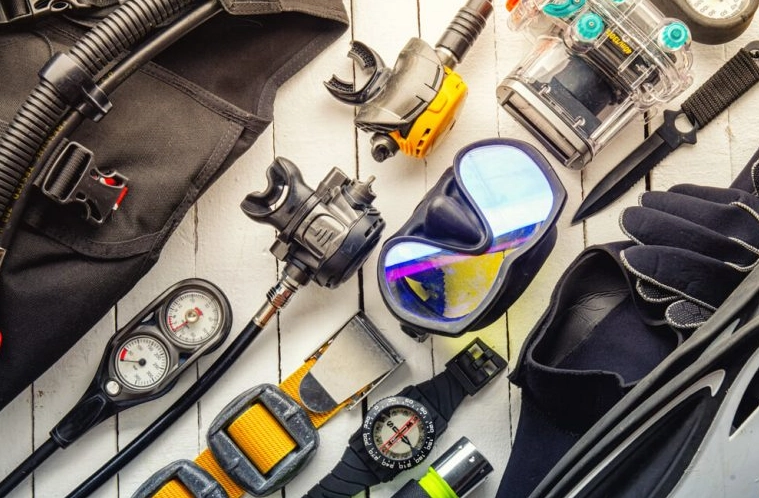
Pack a small bottle of leave-in conditioner. Before you snorkel, coat your hair with it, especially if it's long or color-treated. It creates a barrier against salt. After your swim, a quick rinse with fresh water will leave your hair manageable, not like a stiff, salty broom.
For your skin, a bottle of aloe vera gel or a soothing after-sun lotion is wise, even if you're careful. A mild steroid cream (like 1% hydrocortisone) can be a trip-saver for unexpected jellyfish stings or coral scrapes that get irritated.
Eyedrops. Get the saline or lubricating kind. Flushing your eyes after a long snorkel session gets rid of any residual salt or sunscreen that might have seeped in. It feels incredible.
Don't forget a wide-brimmed hat and polarized sunglasses for your surface intervals. Polarization cuts the glare off the water, letting you see fish and coral from the boat or shore before you even get in. It's like a cheat code for spotting good sites.
Next-Level Pro Gear (For the Enthusiast)
If you're past the beginner stage and find yourself planning trips specifically for snorkeling, these additions will transform your experience.
How to Stay Warm and Extend Your Time in the Water
A 1mm to 3mm neoprene shorty or full wetsuit does more than keep you warm. It provides buoyancy (so you expend less energy), protects from sun, and guards against accidental scrapes on coral or rock. In water below 78°F (25°C), it's the difference between a 30-minute shivering session and a comfortable 90-minute exploration. Look for suits with front zippers for easy on/off.
Dive computer or waterproof watch: It's easy to lose track of time when you're fascinated. A simple watch helps you manage your schedule and surface intervals.
Dive light: Not just for night snorkeling. Shining a light into crevices and under ledges during the day reveals colors that natural light doesn't reach, making corals and sponges fluoresce. It's like turning on a TV in a dark room.
Surface marker buoy (SMB) or snorkel float: If you're snorkeling from a boat in an area with any boat traffic, or even just drifting from a beach, a bright orange float makes you highly visible to boat captains. It's a critical safety item that most recreational snorkelers never consider. You can attach a dry compartment to it for your water and snacks.
Dive knife or line cutter: This isn't for fighting sharks. It's for entanglement. Old fishing line and nets are a sad reality in many oceans. Having a small, blunt-tipped tool to cut yourself free is a smart precaution.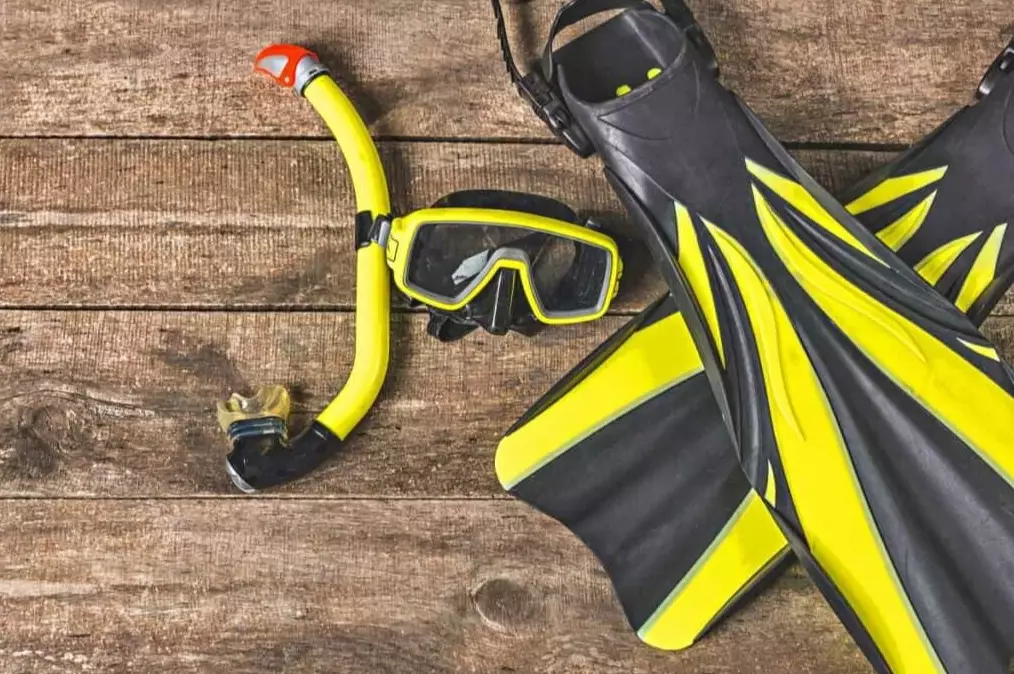
Your Snorkeling Packing Questions Answered
 Is it worth bringing a heavy underwater camera, or is a phone case enough?
Reader Comments