Let's cut to the chase. The best snorkeling safety gear isn't about having the fanciest mask or the most expensive fins. It's about having the right tools that keep you alive and comfortable when the ocean decides to throw a curveball. I've been snorkeling for over a decade, from calm Caribbean coves to choppy Pacific channels. I've been caught in unexpected currents, had equipment fail, and watched fellow snorkelers panic. That experience shapes every review here.
This guide isn't a list of random products. It's a breakdown of essential safety categories, with specific gear I've tested (and sometimes regretted buying), aimed at turning a potentially risky activity into a genuinely relaxing and secure experience. We'll move beyond the basics and talk about the subtle differences that matter when you're a half-mile from shore.
What's Inside This Guide?
Essential Snorkeling Safety Gear: A Detailed Breakdown
Forget "Top 10" lists that include waterproof phone cases as safety gear. Real safety is layered. Think of it like this: your primary gear (mask, snorkel, fins) gets you in the water. Your safety gear gets you back to the boat or shore, signals for help, and prevents exhaustion or injury. Here's the core lineup, reviewed through a safety-first lens.
1. The Flotation Device: More Than Just a Pool Noodle
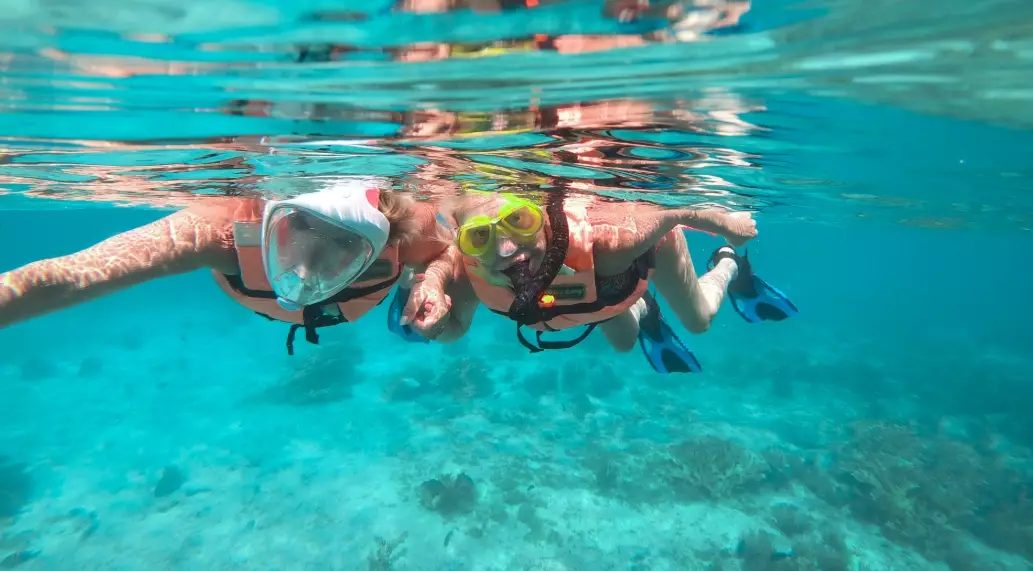
This is non-negotiable, especially for beginners or in open water. A good flotation device provides rest, conserves energy, and increases visibility.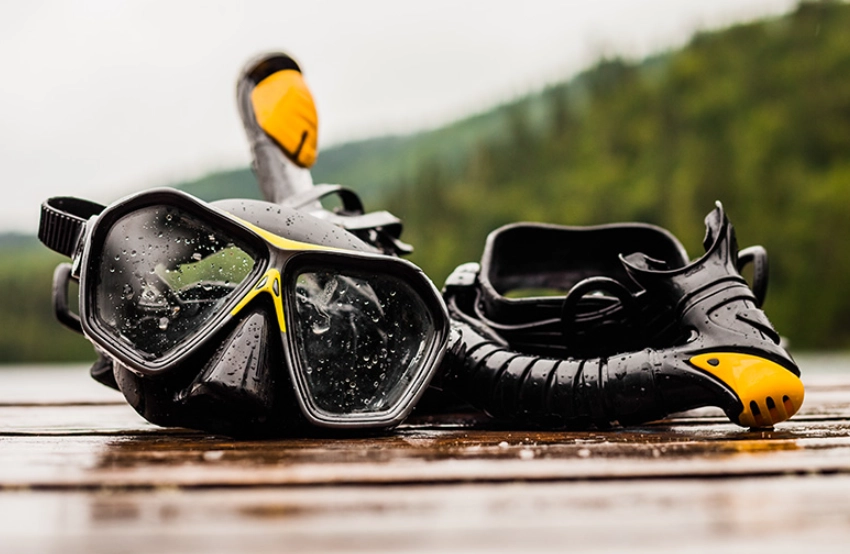
- Snorkel Vest (The Standard): Inflatable vests you blow into. They're compact. The Key Fit from Cressi is reliable with a decent oral inflator. But here's my gripe: in a real panic, fumbling with a mouthpiece to inflate is harder than you think. I prefer models with a CO2 cartridge backup, like some from SeaSense. A pull-trigger gives you instant buoyancy if you cramp up.
- Full Buoyancy Compensator (BC) / Snorkeling Jacket: This is the upgrade. It looks like a slim life jacket and uses a small oral inflator. The Body Glove 3D Pro Snorkel Vest is a standout. It's more substantial than a vest, offers better torso coverage, and doesn't ride up. It feels secure, not like you're wearing a balloon. The extra cost is worth the confidence.
- Pool Noodles & Belts: Fine for a calm, shallow, roped-off resort area. Useless in current or waves. Don't let them give you a false sense of security.
My Take: I used to skip the vest to feel "free." That changed after fighting a mild current in Hawaii for 20 minutes. Exhaustion is a silent threat. Now, I always have a BC-style jacket. It's my mobile resting platform, letting me watch fish for hours without treading water.
2. The Snorkel Itself: Dry, Semi-Dry, or Classic?
The snorkel is your lifeline to air. A bad one means constant water clearing, which is distracting and can lead to panic if you inhale water.
| Type | How It Promotes Safety | Top Pick & Review | Watch Out For |
|---|---|---|---|
| Dry Snorkel | Has a float valve that seals the top when submerged. Prevents water entry from waves or diving. | Cressi Supernova Dry: The valve mechanism is reliable. The purge valve at the bottom is large, making clearing effortless. The flexible lower section reduces jaw fatigue. | Some cheap dry snorkels have sticky valves that fail. The mechanism adds buoyancy, which can tug on your mask strap. |
| Semi-Dry Snorkel | Has a splash guard (a baffle) at the top to deflect water, but doesn't fully seal. Lighter and simpler. | Aqua Lung Impulse 3: Excellent splash protection, a comfortable mouthpiece, and a low-profile design. It's my personal favorite for general use—less to go wrong than a full dry snorkel. | If you fully submerge, it will flood. You must be comfortable with the basic blast clearing technique. |
| Classic J-Snorkel | Simple tube. No safety features beyond its simplicity (no parts to break). | Only for very experienced, calm-water snorkelers who dive frequently. Not recommended for primary safety-focused use. | Any wave or splash sends water straight into the tube. Requires constant clearing, increasing effort and risk of inhalation. |
Most rental gear uses worn-out classic snorkels. Bringing your own reliable dry or semi-dry model is one of the easiest safety upgrades you can make.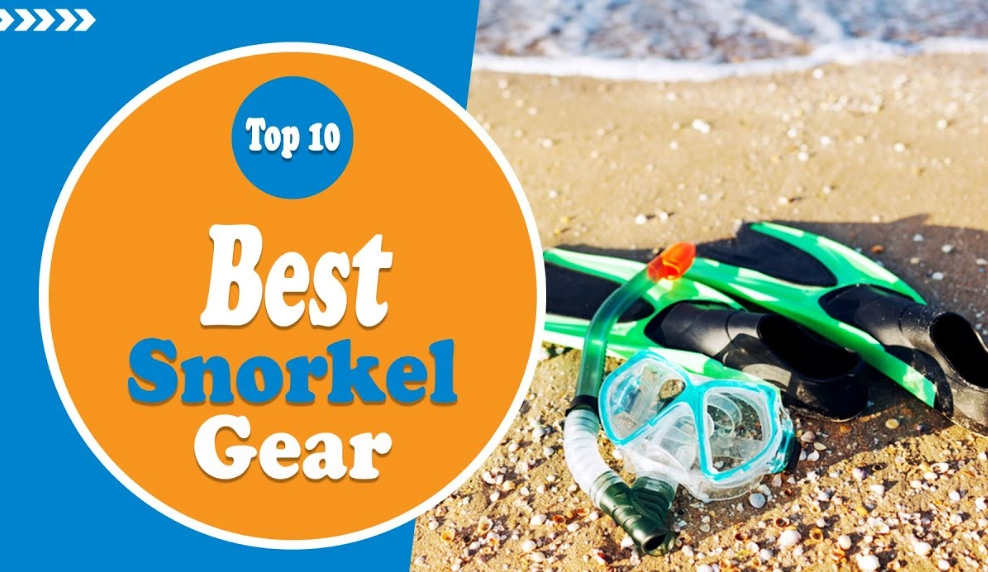
3. Signaling & Communication: Getting Noticed
If you're in trouble, you need to be seen and heard. This is where most snorkelers have a total blind spot.
- Audible Signal: A whistle attached to your vest or mask strap. Sounds basic, but your voice won't carry over wind and engine noise. The Storm Whistle brand is notoriously loud even when wet. I have one on every piece of gear.
- Visual Signal - Safety Sausage: A compact, bright orange tube you inflate and hold upright. It makes you visible from over a mile away. The Sea to Summit 6-Foot Deluxe Snorkeling Safety Tube packs tiny and is crucial for open water or drift snorkels. It tells the boat captain "I'm here!" better than waving your arms.
- Dive Flag: If you're snorkeling from a private boat or kayak, a diver down flag is legally required in many places and tells other vessels to steer clear. The Stohlquist Waterwear Wavedancer Flag is a good portable option.
4. Exposure Protection: Sun & Sting
Sunburn and jellyfish stings aren't just annoyances; they're medical issues that can ruin a trip or require evacuation.
- Rash Guard / Wetsuit Top: A long-sleeve rash guard (SPF 50+) is the minimum. A 1mm or 2mm neoprene top (O'Neill Reactor series) is better. It provides sun protection, prevents chafing from the vest, and offers slight warmth and buoyancy. It also gives minor protection against accidental scrapes or jellyfish tentacles.
- Reef-Safe Sunscreen: This is an environmental and personal safety issue. Chemicals in non-reef-safe screens can burn your eyes underwater. Use mineral-based (zinc oxide) brands like Stream2Sea or Badger. Apply it 15 minutes before getting wet.
How to Choose the Safest Snorkeling Gear for Your Needs
Your location and skill level dictate your gear priorities. A beginner in Cozumel has different needs than an experienced snorkeler in the Galapagos.
Scenario Planning: Ask yourself: Will I be near shore or from a boat? Is there current (check with local guides)? Is the water warm or cool? Will I be with a group or more independent? Your answers filter the gear list above.
For Calm, Shore-Based Snorkeling (e.g., Hanauma Bay, Hawaii): A semi-dry snorkel and a snorkel vest are sufficient core safety items. A rash guard is smart. The whistle is still a good idea due to crowds.
For Boat-Based or Drift Snorkeling (e.g., Great Barrier Reef, Palau): This is where you gear up. Buoyancy Compensator, dry snorkel, safety sausage, whistle, and a wetsuit top. You're more exposed, farther from help, and at the mercy of the boat's schedule. Your signaling devices become as important as your flotation.
For Cold Water Snorkeling (e.g., Pacific Northwest, New Zealand): Exposure protection is safety. A proper 5mm-7mm wetsuit or even a drysuit is necessary to prevent hypothermia. Your buoyancy will change dramatically with the thicker suit—practice in a pool first.
Common Safety Gear Mistakes (And How to Avoid Them)
I see these every single time I'm out. Avoiding them is free and massively boosts your safety.
- Relying Solely on Rental Gear: Rental masks fog and leak, snorkels are often cracked, and vests can be leaky. At a minimum, bring your own mask, snorkel, and a compact vest. It ensures a proper fit and reliable function.
- Over-tightening the Mask Strap: This is huge. A mask strap should be low on the back of your head, not over your ears. It should be just tight enough to seal when you inhale gently through your nose. An over-tightened strap causes headaches, leaks more (by distorting the skirt), and is a pain to adjust in the water.
- Ignoring the "Buddy Check": Before getting in, you and your partner should check each other's gear. Is the vest properly secured? Does the whistle work? Is the mask seal clean (no hair in it)? It takes 30 seconds and catches problems early.
- Not Testing Gear in Shallow Water: Never jump off a boat with new or unfamiliar gear. Get in at the shore or use the boat's ladder, put your face in, and test everything. Inflate/deflate the vest. Practice clearing the snorkel. Ensure you're comfortable.
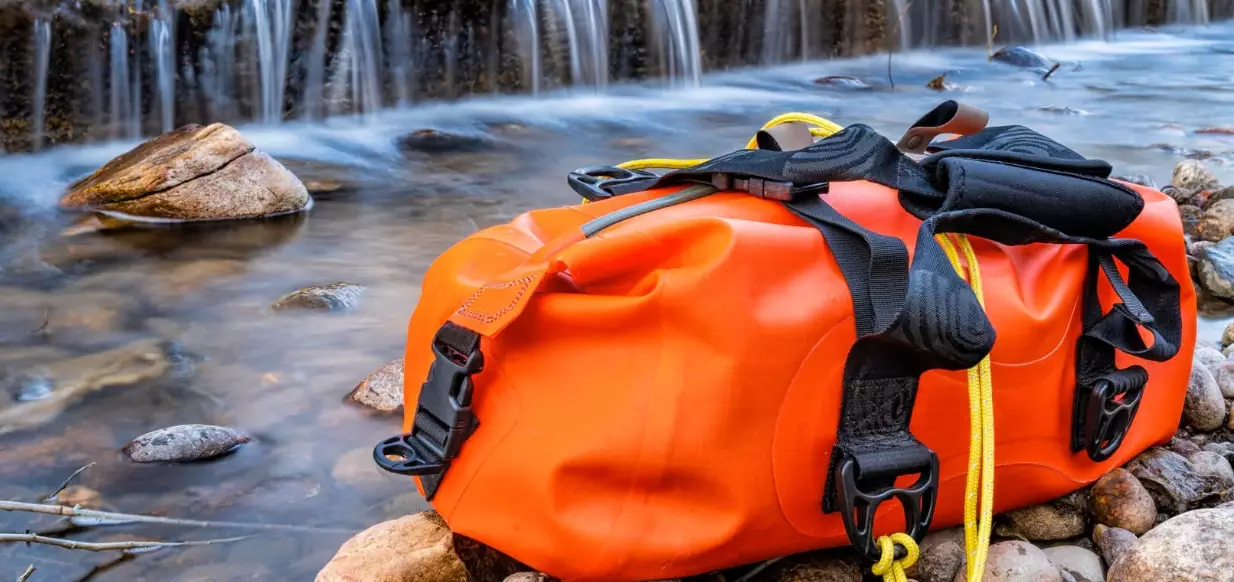
- Forgetting Hydration: Snorkeling is exercise, and sun/sea dehydrate you. Severe dehydration leads to cramps, fatigue, and poor decision-making. Drink water before and immediately after. I keep a water bottle in a dry bag on the beach or boat.
Your Snorkeling Safety Questions, Answered
 What's the one piece of safety gear most people forget that you consider essential?
 Investing in the right snorkeling safety gear transforms the experience. It shifts your mental focus from "what if something goes wrong" to simply enjoying the incredible world beneath the surface. You relax more, see more, and can stay out longer. Start with a reliable snorkel and a proper flotation device. Add a whistle and a rash guard. Build your kit as your adventures grow. The ocean is meant to be enjoyed—giving yourself the right safety tools is how you ensure that happens, trip after trip.
Reader Comments