You've seen the ads. Crystal-clear, 180-degree views of tropical fish, no fog, breathing as easy as on land. Wide view snorkel masks promise to revolutionize your time in the water. But do they deliver? I've spent over a decade testing gear from the Great Barrier Reef to cenotes in Mexico, and I can tell you the answer isn't a simple yes or no. It's about matching the right mask to your face, your skills, and what you actually want from the experience.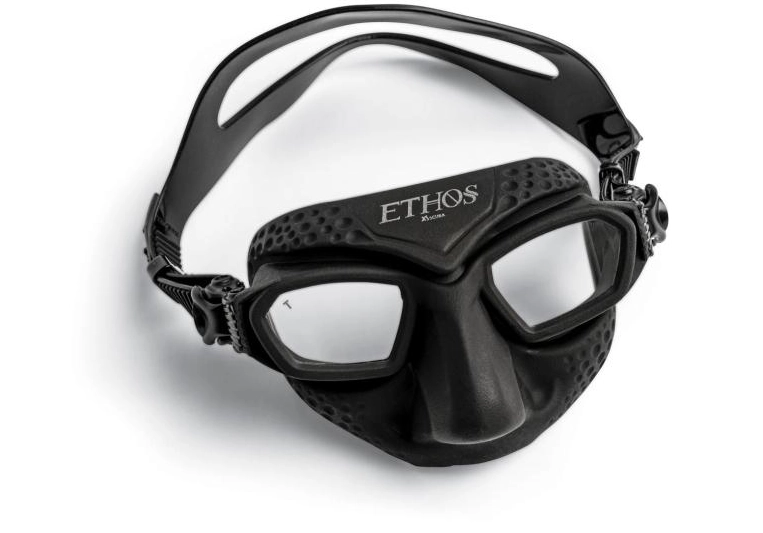
This isn't just another list of top-rated products. We're going deeper. We'll look at why that highly-rated mask might leak on you, the safety debate most retailers gloss over, and the one feature that matters more than the size of the lens.
Quick Navigation: What's Inside This Guide
- The Three Types of "Wide View" Masks Explained
- How to Choose a Wide View Snorkel Mask: The Real Decision Factors
- What Are the Pros and Cons of a Full Face Snorkel Mask?
- Beyond the Stars: What to Look For in Reviews
- Keeping Your View Crystal Clear: Maintenance & Anti-Fog Tips
- Your Snorkel Mask Questions, Answered
The Three Types of "Wide View" Masks Explained
First, let's clear up the confusion. "Wide view" can mean three different things, and picking the right category is step one.
1. Panoramic Traditional Masks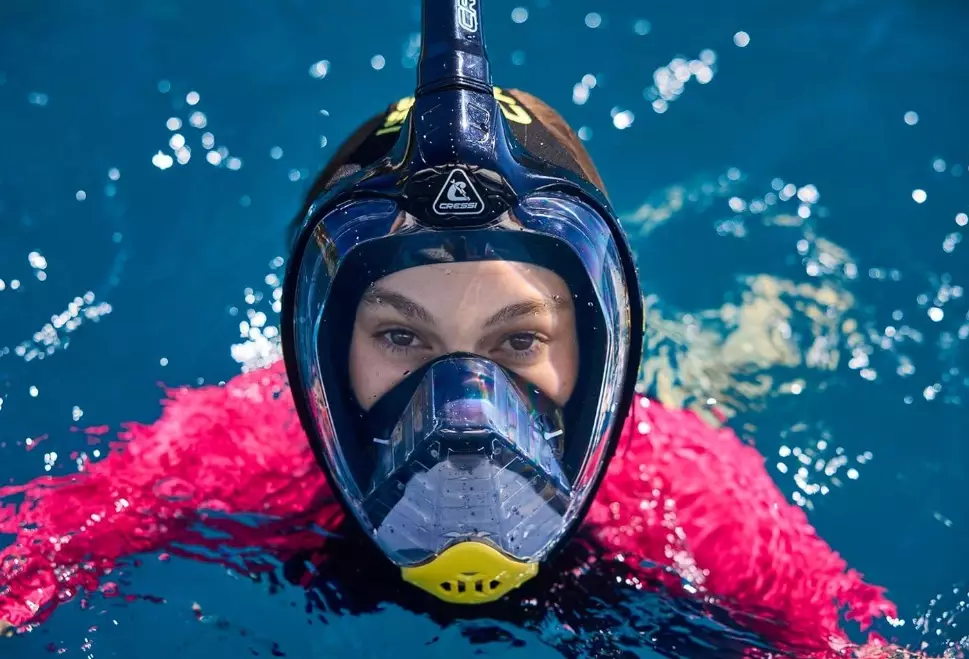
These look like classic scuba masks but with extra windows on the sides. Brands like Cressi and TUSA excel here. The lens is usually two or three panes of tempered glass bonded together, offering a wider peripheral view while keeping a separate, flexible snorkel.
Who it's for: Snorkelers who want more visibility but prefer the tried-and-true, safe design of a traditional setup. They're also the only option if you ever plan to try freediving or scuba, as you need to be able to equalize pressure by pinching your nose (impossible in a full-face mask).
2. Single-Lens Curved Masks
This is where you get that wraparound, almost bubble-like view. The entire front is one curved piece of safety glass. The field of view is immense, but there's a catch—distortion. At the very edges, straight lines might bend. Some people's brains adjust instantly; others find it mildly disorienting.
I used one in Fiji, and while the sheer volume of visible reef was staggering, it took me a good ten minutes to stop feeling slightly off-kilter.
3. Full-Face Snorkel Masks
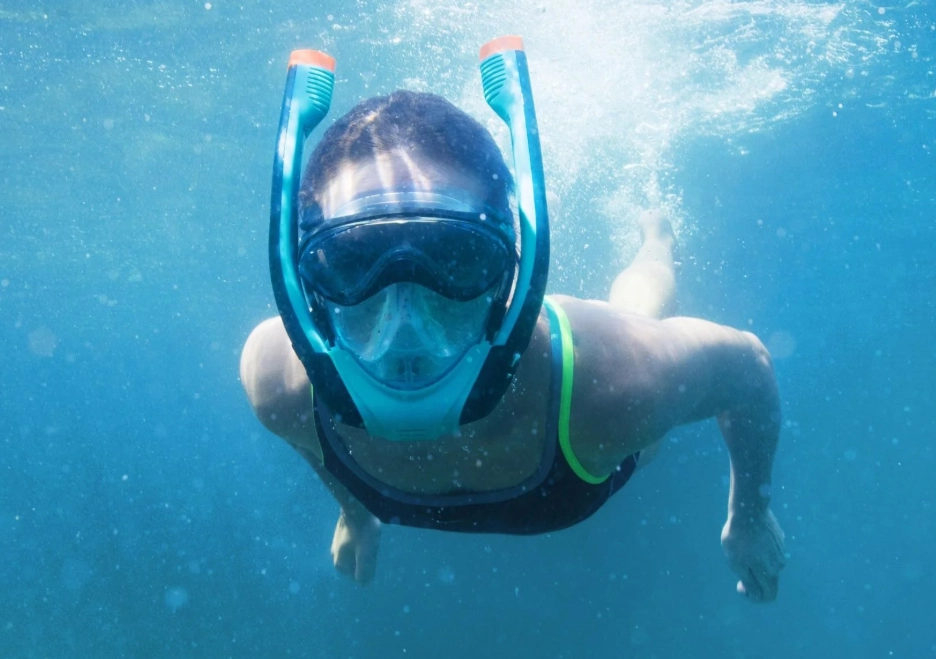
The most controversial and popular category. It covers your entire face, with a built-in snorkel on top. You breathe naturally through your nose and mouth. The appeal is obvious: no mouthpiece fatigue, less fogging (in theory), and a huge, uninterrupted view.
But here's the expert nuance everyone misses: not all full-face masks are created equal. The critical difference is in the breathing chamber design and the dry-top snorkel system. A poor design can lead to CO2 buildup—a serious risk. Organizations like DAN (Divers Alert Network) have issued cautions about certain models. Always, always choose a mask with a separate inhalation and exhalation chamber and proven, reliable valves.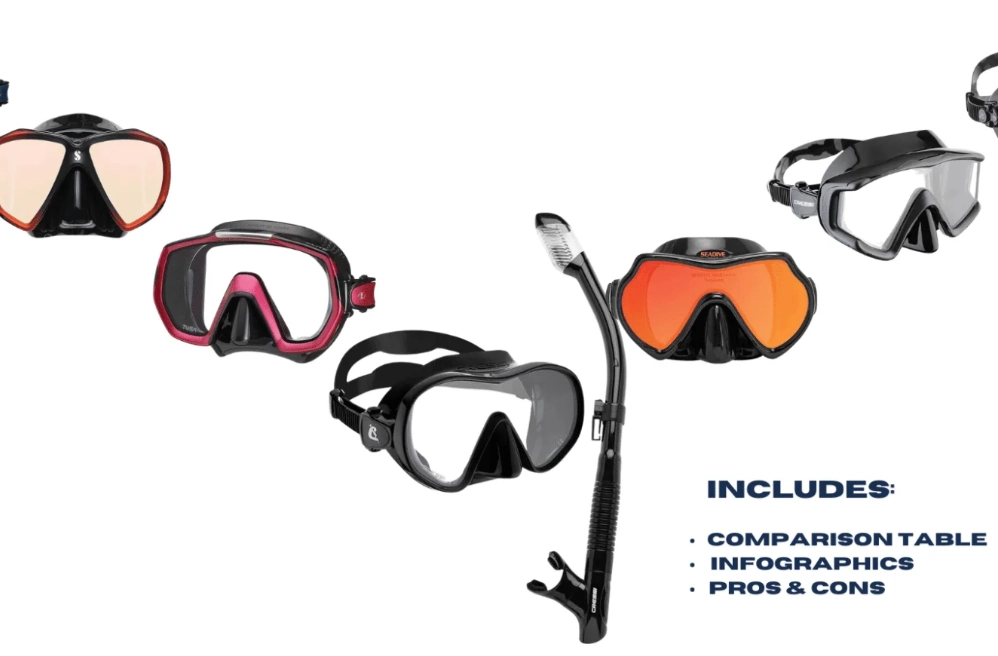
| Mask Type | Best For | Biggest Advantage | Potential Drawback |
|---|---|---|---|
| Panoramic Traditional | Purists, aspiring divers, those prone to claustrophobia with full-face designs. | Safety, familiarity, easy clearing, compatibility with diving. | Less immersive view than single-lens options. |
| Single-Lens Curved | View seekers who don't mind a short adaptation period. | Unbeatable, distortion-free (center) field of view. | Possible edge distortion, can be harder to find a perfect seal. |
| Full-Face Mask | Casual snorkelers, those with jaw fatigue, beginners who struggle with a traditional snorkel. | Natural breathing, no mouthpiece, often includes a GoPro mount. | Safety concerns with cheap models, cannot dive below surface, can feel "stuffy" for some. |
How to Choose a Wide View Snorkel Mask: The Real Decision Factors
Forget the marketing copy about "ultra-wide 180° vision." Here's what actually matters when you're in the water.
Skirt Fit & Material: The lens could be the size of a dinner plate, but if the silicone skirt doesn't seal to your unique face, it's useless. Do you have a narrow nose bridge? High cheekbones? Look for masks with a low-volume skirt (sits closer to the face) and soft, pliable silicone. Some brands offer different skirt shapes. This is why trying a mask on—even just dry—is worth a hundred five-star reviews.
The Snorkel System (for traditional & panoramic masks): If you go the traditional route, the snorkel matters as much as the mask. A dry snorkel with a splash guard is non-negotiable. Look for a flexible tube that positions the mouthpiece comfortably. The cheap, J-tube snorkel bundled with some masks is a recipe for swallowing seawater.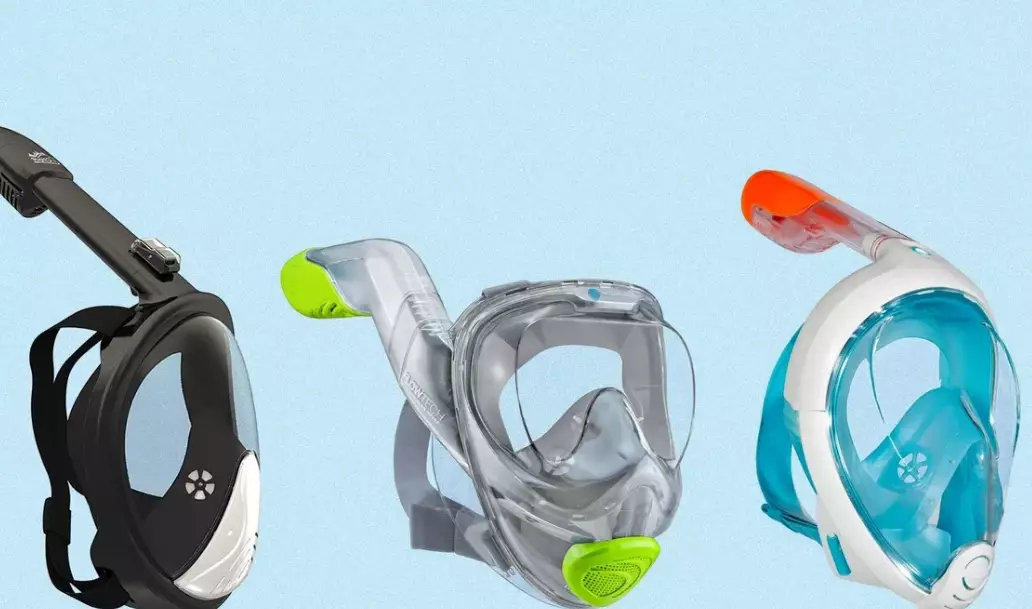
Field of View vs. Your Comfort: A bigger view can sometimes be overwhelming, especially for new snorkelers. It's sensory overload. A panoramic mask with a frame can actually help frame your view and feel more comfortable. Think about your own comfort in the water.
Pro Tip from a Dive Guide: The most common mistake I see? People cranking the strap way too tight to stop a leak. A mask seals by creating a vacuum, not by brute force. If you need to strap it on like a vice, the fit is wrong. The strap should just keep it in place. A proper seal should hold with the strap off if you inhale gently through your nose.
What Are the Pros and Cons of a Full Face Snorkel Mask?
Let's get specific, because this is where most of your questions are.
The Good:
- Breathing Freedom: This is the real win. No more jaw ache after 45 minutes. For people with TMJ issues or who just hate the mouthpiece, it's a game-changer.
- Reduced Fogging (when designed well): Good models separate the breathing flow from the lens, directing moist exhaled air away. It's not perfect, but it's often more effective than a standard mask.
- Great for Photography: Built-in mounts make it easy to film your experience hands-free.
The Not-So-Good:
- You Cannot Dive Down: Not even a little. The design prevents you from equalizing your ears. Seeing something cool 10 feet down? You're stuck at the surface.
- The "Stuffy" Feeling: Some people report a feeling of breathing stale air or slight claustrophobia. It's a very personal sensation.
- Clearing Water is Different: If water gets in (and it will), you must tilt your head back and press the purge valve, usually at the chin. It's less intuitive than the classic mask clear.
- Safety & Quality is Paramount: This cannot be overstated. Avoid no-name brands on online marketplaces. Stick with established names that have clear safety certifications and independent testing. Read the Divers Alert Network (DAN) guidelines on their use.
Beyond the Stars: What to Look For in Reviews
When you're reading those snorkel mask wide view reviews, don't just look at the average rating. Dig deeper.
Search for "fit" and "leak." If multiple people with "narrow faces" say it leaks, and you have a narrow face, take note. This is more valuable than any generic positive comment.
Look for long-term updates. A review saying "worked great on my first trip!" is less useful than one from six months later saying "the silicone skirt started degrading" or "the anti-fog coating wore off."
Pay attention to the snorkel attachment. For full-face masks, reviewers should mention if the snorkel feels secure or wobbles. A wobbly snorkel can let in water.
My personal method? I look for the critical 3-star reviews. They often have the most balanced, detailed insights into the trade-offs.
Keeping Your View Crystal Clear: Maintenance & Anti-Fog Tips
A $200 mask will fog like a $20 one if you don't treat it right.
The Pre-Use Ritual: Before its first swim, you need to scrub the inside of the lens with toothpaste (non-gel, non-whitening) or a dedicated mask scrub. This removes the factory silicone coating that causes fog. Rinse thoroughly. This is the single most important step most people skip.
Daily Anti-Fog: Forget spit. It's inconsistent. A tiny drop of baby shampoo rubbed over the inside lens, then given a very quick dunk in the sea (don't rinse it all off), works miracles. Commercial anti-fog gels are also excellent.
Storage: Never leave it in direct sunlight or a hot car. Store it in a protective case, not loosely tossed in a bag where the lens can get scratched.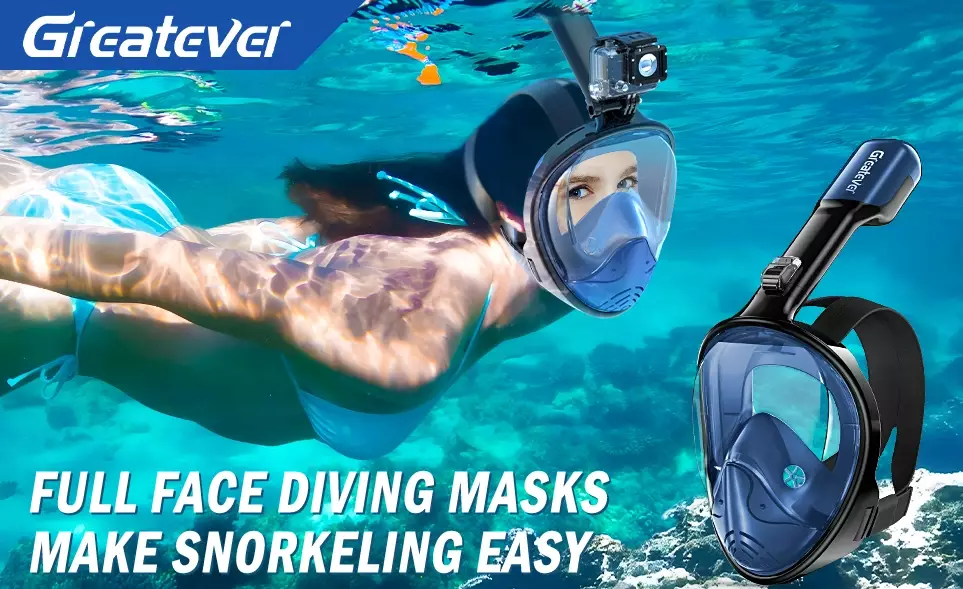
Your Snorkel Mask Questions, Answered
 What's the one mistake most people make when buying a wide view mask online?
Reader Comments