Quick Navigation: What You'll Find Here
Most snorkelers dream of tropical reefs, but cold water snorkeling? That's a whole other adventure. I remember my first time in the waters off Scotland—the shock hit me like a wall, but within minutes, I was gliding through kelp forests, spotting seals that seemed just as curious about me. It wasn't warm, but it was unforgettable. Cold water snorkeling opens up ecosystems you won't find anywhere else, from glacial fissures to temperate coastlines. But it demands respect. You can't just grab your tropical kit and jump in. This guide walks you through everything: gear that actually works, safety no one tells you about, and spots worth the chill.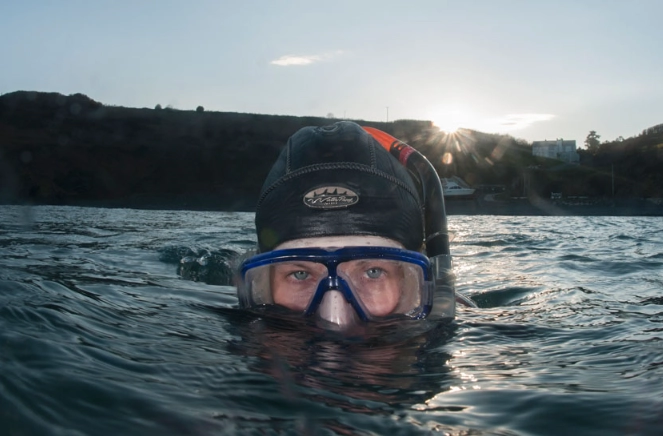
Why Cold Water Snorkeling is Different (and Totally Worth It)
Let's get this out of the way: cold water snorkeling isn't about enduring misery. It's about accessing unique environments. In tropical waters, you see coral and colorful fish. In cold water, you encounter kelp forests that sway like underwater redwoods, sea lions that play in the currents, and visibility that can stretch over 100 feet in places like Iceland's Silfra. The water might be colder, but the life is often more abundant and dramatic.
But there's a catch. Cold water saps heat 25 times faster than air, according to safety data from organizations like the National Oceanic and Atmospheric Administration (NOAA). That means hypothermia is a real risk, even on a sunny day. And gear? What works in Bali will leave you shivering in minutes. I learned this on a trip to Norway, where I tried to use a standard 3mm wetsuit—big mistake. After ten minutes, my teeth were chattering, and I had to call it quits. Cold water snorkeling requires preparation, but the payoff is immense.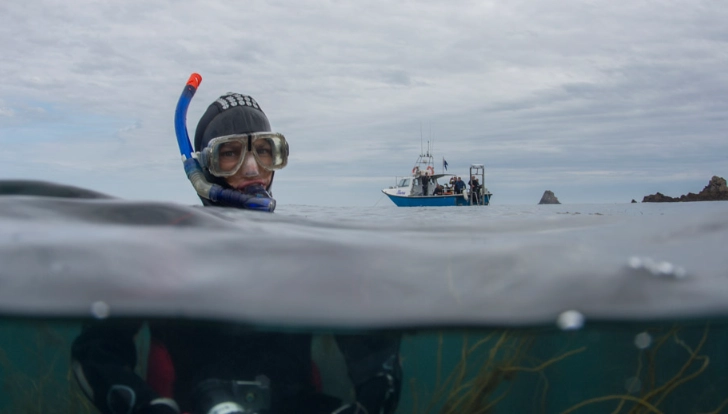
Essential Gear for Cold Water Snorkeling
Your tropical snorkel set won't cut it. Here's the gear you need, broken down from experience.
Wetsuits vs. Drysuits: The Big Decision
This is the most critical choice. For water temperatures above 50°F (10°C), a thick wetsuit—5mm to 7mm—might work. But below 50°F, you need a drysuit. I've seen beginners try to cheap out with a wetsuit in 40°F water, and they never last more than 20 minutes. A drysuit seals at the neck and wrists, keeping you completely dry. You wear insulating layers underneath, like fleece or thermal underwear. Brands like Scubapro and Fourth Element offer reliable options, but renting first is smart. A good drysuit can cost $1,000 or more, while rentals run $50-$100 per day.
Wetsuits are cheaper and more flexible, but they let in a thin layer of water that your body heats—until it can't. In my opinion, if you're serious about cold water snorkeling, invest in a drysuit for temperatures below 50°F. For milder cold water, like California's coast, a 7mm wetsuit with integrated hood might suffice.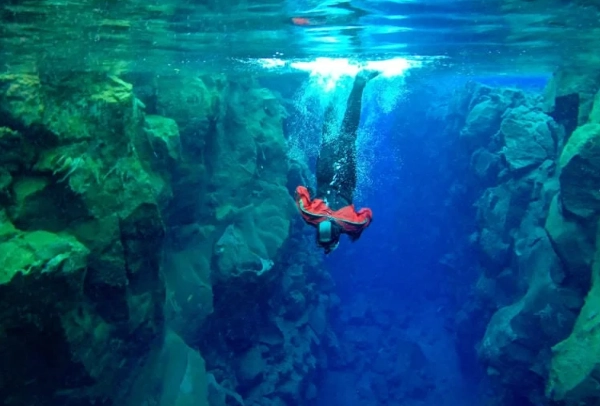
Other Must-Have Equipment
- Hood and Gloves: Your head and hands lose heat fast. A neoprene hood (5mm to 7mm) is non-negotiable. Gloves should be thick but flexible—I prefer three-finger mitts for dexterity. Without these, you'll feel the cold within minutes.
- Booties: Thick-soled neoprene boots (5mm to 7mm) protect your feet from cold and sharp rocks. Make sure they fit snugly with your fins.
- Mask and Snorkel: Choose a low-volume mask for easier clearing and better visibility. A dry snorkel with a splash guard prevents water entry, which is crucial in choppy cold water. Anti-fog treatment is a lifesaver—I use baby shampoo as a cheap alternative.
- Fins: Stiffer fins help you move efficiently in denser cold water. Open-heel fins with adjustable straps work best with booties.
- Weight System: With thicker suits, you'll need extra weight to sink. Integrated weight belts or pockets in your suit are safer than traditional belts.
Don't forget a surface marker buoy for safety, especially in areas with boat traffic. It's a small add-on that can prevent accidents.
Safety Tips for Cold Water Snorkeling
Safety isn't just a checklist; it's a mindset. Cold water adds layers of risk that warm water doesn't.
Pre-Snorkel Preparation
Check water temperatures and weather forecasts religiously. I use NOAA's coastal water temperature maps and local dive shop reports. Always snorkel with a buddy, and tell someone on shore your plan: where you're going, when you'll be back. Hydrate well before—dehydration worsens cold stress. Eat a high-calorie meal, but avoid heavy foods that can cause cramps.
In-Water Safety Protocols
Limit your time based on temperature. Here's a rough guide from my logbook: in 50°F water, max 60 minutes with a wetsuit; in 40°F water, max 30 minutes with a drysuit. Watch for hypothermia signs: uncontrollable shivering, slurred speech, confusion. If you or your buddy show symptoms, get out immediately. Warm up slowly—avoid hot showers, which can cause shock. Instead, change into dry clothes, drink warm fluids, and use blankets.
Another tip: practice breathing slowly. Cold water can trigger panic, but controlled breaths help conserve heat and calm nerves. I do a minute of deep breathing before entering, and it makes a difference.
Top Cold Water Snorkeling Destinations
Ready to explore? Here are some top spots with details to plan your trip. I've included practical info like access and costs.
| Destination | Location | Best Time to Visit | Average Water Temp | Highlights & Practical Info |
|---|---|---|---|---|
| Silfra Fissure | Þingvellir National Park, Iceland | June to August | 36°F (2°C) | Snorkel between tectonic plates in crystal-clear glacial water. Guided tours only; book through operators like DIVE.IS. Price: $150-$200, includes gear. Address: Þingvellir, 806 Selfoss, Iceland. No direct public transport; rent a car from Reykjavik (1-hour drive). |
| Monterey Bay | California, USA | Year-round, best in summer | 50-55°F (10-13°C) | Kelp forests, sea otters, harbor seals. Access via Monterey State Beach. Gear rental at Monterey Bay Dive Center: $50/day for full kit. Address: 225 Cannery Row, Monterey, CA 93940. Open daily 8 AM-6 PM. No entry fee for snorkeling. |
| Lofoten Islands | Norway | July to September | 45-50°F (7-10°C) | Dramatic fjords, cod, occasional orcas. Guided tours from Svolvær. Price: $100-$150. Address: Svolvær Harbor, 8300 Svolvær, Norway. Fly to Bodø, then ferry. Water can be rough, so check conditions. |
| Scotland's West Coast | Oban, Scotland | May to September | 48-54°F (9-12°C) | Seal colonies, historic shipwrecks. Snorkel with Basking Shark Scotland tours. Price: $80-$120. Address: Oban Ferry Terminal, Oban PA34 4DB. Train from Glasgow takes 3 hours. Water visibility varies; spring tides offer best conditions. |
| Alaska's Inside Passage | Sitka, Alaska, USA | June to August | 45-52°F (7-11°C) | Sea stars, octopus, humpback whales (from a distance). Tours from Sitka Sound Ocean Adventures. Price: $130-$180. Address: 304 Lake Street, Sitka, AK 99835. Fly to Sitka via Alaska Airlines. Cold but stunning—bring a drysuit. |
For Silfra, you must book months in advance—it's popular. In Monterey, I recommend going on a weekday to avoid crowds. Lofoten is remote, so plan for extra travel time. These spots offer guided experiences, which I always suggest for cold water beginners.
A Beginner's Step-by-Step Plan
If you're new to cold water snorkeling, don't just dive in. Follow this plan to build confidence.
- Assess Your Skills: Can you swim comfortably in a pool for 30 minutes? If not, practice first. Cold water adds physical strain.
- Rent Gear Before Buying: Test different setups. I rented a drysuit from a local dive shop in Seattle for a weekend—cost $75, but it helped me decide on fit and features.
- Take a Course: Organizations like PADI offer cold water snorkeling or introductory diving courses. Even a one-day workshop covers safety basics. Worth every penny.
- Start in Milder Conditions: Try cold water snorkeling in a place like La Jolla, California, where water temps hover around 60°F. It's a gentler introduction.
- Go with a Guide for Your First Time: Guides know the local hazards and can handle emergencies. I did this in Iceland, and the guide pointed out subtle currents I'd have missed.
- Graduate to Colder Spots: Once you're comfortable, venture to colder destinations. Keep a log of your experiences—it helps track progress and gear preferences.
This plan might seem slow, but rushing leads to mistakes. I've seen people skip steps and end up miserable or worse.
Common Mistakes to Avoid
From my years of snorkeling, here are pitfalls I've witnessed—and how to sidestep them.
- Cheaping Out on Gear: A budget wetsuit from a big-box store won't keep you warm. Invest in quality or rent from reputable shops. I once bought a cheap hood, and it leaked constantly—ruined a whole trip.
- Ignoring Local Knowledge: Water conditions change fast. Talk to local dive shops or check forums like ScubaBoard for real-time updates. In Scotland, I ignored a tip about tide changes and got caught in a strong current.
- Overpacking Your Session: Even with great gear, cold saps energy. Plan short dives—20 to 40 minutes—with warm-up breaks. I used to push for an hour, but now I stick to 30 minutes max in sub-50°F water.
- Forgetting Post-Snorkel Care: After exiting, change immediately. I keep a thermos of hot tea in my car. Avoid alcohol—it dilates blood vessels and increases heat loss.
- Neglecting Mask Maintenance: Cold water fogs masks faster. Use anti-fog gel and rinse with fresh water after each use. I learned this after a foggy mask in Norway made me miss a seal sighting.
These mistakes are common because they're subtle. Pay attention to the small things, and you'll stay safer and enjoy more.
Frequently Asked Questions
Cold water snorkeling might seem daunting, but it's accessible with the right approach. Gear up thoughtfully, respect the environment, and start slow. The thrill of exploring these hidden worlds is worth every bit of preparation. I still get a rush every time I slip into chilly waters—it's a reminder that adventure isn't always about comfort. Stay safe, and happy snorkeling!
Reader Comments