Let's cut to the chase. Drift snorkeling is the most efficient and exhilarating way to explore a reef. You're not fighting the water; you're letting it carry you on a natural tour. But here's the thing most blogs don't tell you: it's also where the most common—and dangerous—snorkeling mistakes happen. I've guided hundreds of first-timers through currents in Hawaii, the Maldives, and the Great Barrier Reef. The difference between a magical experience and a stressful one boils down to a few critical, often overlooked details.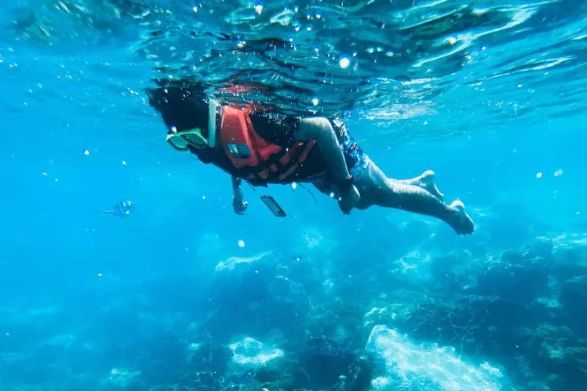
Your Quick Dive Plan
What is Drift Snorkeling? It's Not Just "Going with the Flow"
Imagine a moving sidewalk at an airport, but for fish. That's drift snorkeling. You enter the water at Point A, and a gentle current carries you along the reef wall or coastline to a pre-arranged pickup at Point B. You cover more ground (or water) with less effort, seeing a continuous parade of marine life.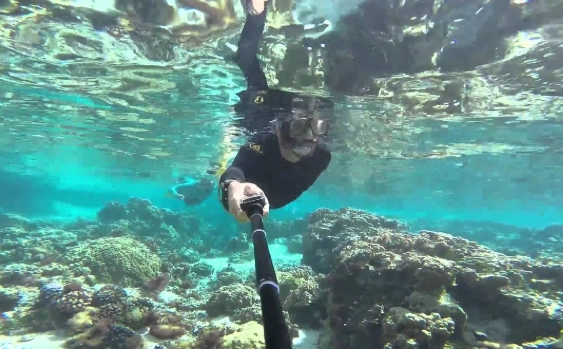
The key word is gentle. We're talking about a lazy river pace, not whitewater rapids. A proper drift snorkel should feel effortless, allowing you to focus on the scenery, not your stamina.
Essential Drift Snorkeling Gear: What You Really Need
Forget the fancy gadgets. Drift snorkeling demands reliability. Here’s the breakdown of what’s essential versus what’s just nice to have.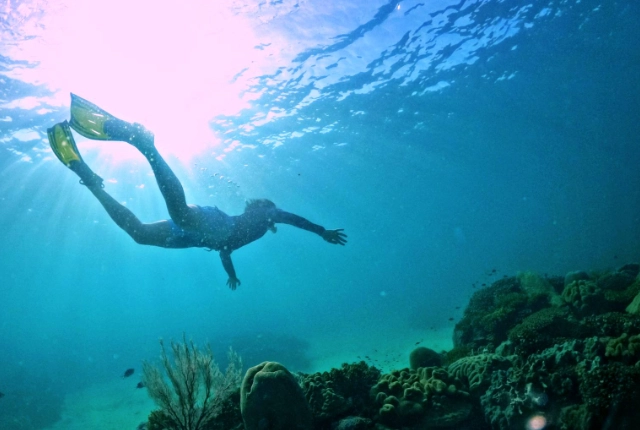
| Gear Item | Why It's Crucial for Drift Snorkeling | Pro Tip / Common Mistake |
|---|---|---|
| Full-Face Snorkel Mask | Provides a wider field of view to see the current's path and your buddies. Easier breathing for relaxed floating. | Mistake: Not testing the anti-fog beforehand. A fogged mask in a current is disorienting. Rinse the lens with a mild baby shampoo solution before you go. |
| Brightly Colored Snorkel Vest | Non-negotiable for safety. Provides buoyancy to rest, makes you highly visible to your boat captain. | Don't get a black or blue one. Go for neon yellow, orange, or pink. The boat captain needs to spot you in choppy water from 100 meters away. |
| Open-Heel Fins with Adjustable Straps | Superior power and control compared to full-foot fins. Essential for quick, efficient kicks to navigate or avoid obstacles. | Adjust the straps before entering the water. A loose fin coming off mid-drift is a major hassle. |
| Rash Guard or Wetsuit Top | Protection from sunburn and minor coral scrapes. You're on the surface longer, so sun exposure is intense. | A 1mm or 2mm top also provides a tiny bit of extra buoyancy and warmth, which helps with relaxation. |
| Waterproof Dry Bag | To keep your phone, keys, and towel dry on the boat or shore while you're in the water. | Get one that floats. If it goes overboard, it bobs instead of sinking. |
I see people skimp on the vest all the time. They think they're strong swimmers. But in a current, fatigue sets in differently. That vest isn't a sign of weakness; it's your personal lifeguard.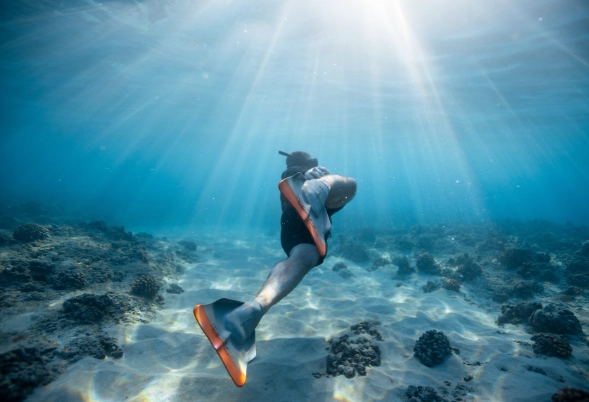
Top 5 Global Drift Snorkeling Destinations (With Logistics)
Not all currents are created equal. These spots offer reliable, manageable drifts and incredible scenery. I've listed the practical details you need to plan.
1. The Great Barrier Reef, Australia (Agincourt Reef)
Address/Area: Departures from Port Douglas, Queensland.
The Drift: Along the outer "ribbon" reefs. The current is consistent, carrying you over giant plate corals and huge schools of fish. Visibility is often 30+ meters.
Best Time: June to October (Australian winter) for calm seas and best visibility.
How to Do It: Book a day trip with operators like Quicksilver or Wavelength. They use a system where a guide leads, and a small boat follows the group, picking you up at the end. No need to swim back to the main platform.
Cost: Day trips range from AUD $250-$350, including gear, lunch, and transfers.
2. Molokini Crater & Turtle Town, Maui, Hawaii
Address/Area: Off the south coast of Maui.
The Drift: At Molokini, you drift along the crescent-shaped crater's inner wall. At "Turtle Town" (Makena), the current sweeps you past lava arches where sea turtles nap.
Best Time: Year-round, but mornings are almost always calmer.
How to Do It: Book a morning snorkel sail from Maalaea Harbor or Kihei Boat Ramp. Operators like Trilogy or Kai Kanani are experts. The boat drops you up-current and picks you up down-current.
Cost: Half-day tours start around $130-$180 USD.
3. Fulhadhoo Channel, Maldives
Address/Area: Around Fulhadhoo Island in the Baa Atoll.
The Drift: This is advanced beginner territory. You fly through a channel between islands, surrounded by hundreds of rays, reef sharks, and pelagic fish. It's fast and thrilling.
Best Time: December to April (dry season).
How to Do It: Book through your local guesthouse on Fulhadhoo. They arrange a dhoni (local boat) to drop you at the channel mouth. The boat follows closely with a ladder ready.
Cost: Around $50-$80 USD for a private boat tour for 2-3 hours.
I remember my first drift in the Maldives. The speed was surprising. You have to keep your head up more to navigate, but the marine life traffic jam below is unbelievable.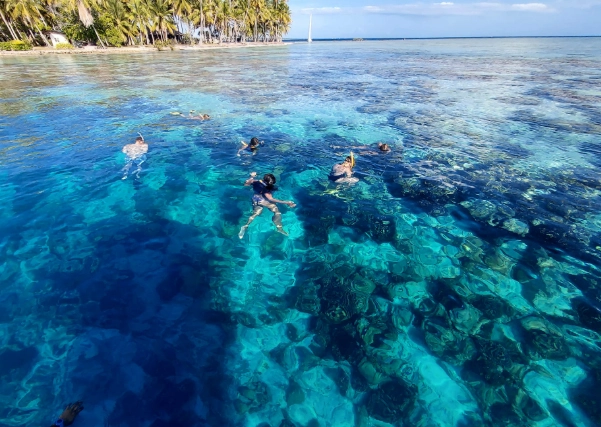
4. Thunderball Grotto, Exumas, Bahamas
Address/Area: Near Staniel Cay.
The Drift: More of a timed entry/exit. You wait for the tide to be just right (slack low tide) to swim safely into the famous cave from the James Bond film. Once inside, you explore, then a gentle outgoing current helps whoosh you back out.
Best Time: Check local tide charts. Timing is everything.
How to Do It: Hire a local guide from Staniel Cay Yacht Club or a nearby resort. They know the exact tide window.
Cost: Guided half-day tours start around $150 USD per person.
5. Shipwreck Bay, Zakynthos, Greece
Address/Area: Navagio Beach (Shipwreck Beach), Ionian Sea.
The Drift: You can't access the beach from land anymore. Boats anchor offshore, and you drift-snorkel around the iconic shipwreck and the dramatic cliffs. Currents can be variable here.
Best Time: May to September. Go early to avoid the crowds of tourist boats.
How to Do It: Book a small group boat tour from Porto Vromi. Avoid the huge party boats.
Cost: Boat tours range from €25-€40.
The 5-Step Safety Protocol: Don't Skip Step 3
This is the core of a safe drift. Guides do this instinctively, but if you're going with a less formal operation, run through this list yourself.
- The Briefing is Gospel. Listen to the guide's hand signals (usually: thumbs up = okay/ascend, flat hand waving = problem, pointing = look/go that way). Know your exit point and what the pickup boat looks like.
- Buddy Check, For Real. Pair up. Agree to stay within 10 feet of each other. Check each other's gear before jumping in. A loose strap on your buddy is your problem too.
- Enter Upstream, Always. This is the most common logistical error. The boat must drop you up-current of the reef or route. If you start in the middle, you'll miss half the sights. If you start downstream, you'll be fighting the current immediately.
- Drift in a Line, Not a Blob. Follow the guide or lead buddy in a single-file line. This minimizes fin kicks to the face of the person behind you and makes the group easier for the boat to track.
- Exit on Signal. When the guide gives the signal or you reach the pre-arranged landmark (a specific buoy, rock, or mooring), swim perpendicular to the current to get out of the flow and towards the pickup boat. Don't try to swim upstream to it.
3 Mistakes Even Experienced Snorkelers Make
You've got the gear and the spots. Now, here are the subtle errors that can ruin your day.
1. The "Look Down" Tunnel Vision. In traditional snorkeling, you look down 90% of the time. In a drift, you need to look ahead 50% of the time. What's the current doing? Are you drifting towards a shallow coral head? Where's your buddy and the boat? Practice a rhythm: look down for 30 seconds, look ahead for 10 seconds. It becomes automatic.
2. Over-finning. People panic and start kicking like they're in a spin class. This burns oxygen, increases heart rate, and clouds your mask with bubbles. Use slow, deliberate flutter kicks. Let the current do the work. Your fins are for steering and the occasional boost.
3. Ignoring the Surface Conditions. You checked the forecast, but did you look at the water from the boat? Small wind waves (chop) can make it harder for the boat captain to see you and can cause you to swallow water. If the surface looks bumpy and you're uneasy, it's okay to sit this one out. A good operator will offer an alternative sheltered site.
Reader Comments