Quick Navigation
- The Core Question: Morning vs. Afternoon at Julian Rocks
- The Game Changer Everyone Forgets: Tide and Current
- Beyond the Clock: Seasonal Considerations & Other Factors
- Practicalities: Making Your Choice and Getting Ready
- Answering Your Other Questions (The FAQ Section)
- The Final Verdict: So, What's the Best Time?
Let's cut straight to the chase. You're planning a trip to Byron Bay, you've heard Julian Rocks is a non-negotiable snorkeling spot, and now you're staring at your calendar and the tour operator's website, trying to figure out the magic slot. What time of day is best to snorkel at Julian Rocks? Is it the first trip out in the morning, or does the afternoon have its own secret perks?
I've been there. I've done the early morning dash with sleep in my eyes and the afternoon float when the sun is high. I've also had sessions that were just okay, and others that were absolutely mind-blowing. The difference often came down to timing. It's not just about picking a time; it's about understanding what that time offers—and what it doesn't.
So, let's ditch the vague advice and get into the nitty-gritty. This isn't about telling you a single "best" time, because honestly, it depends on what you're after. It's about giving you the full picture so you can make the best call for your own adventure.
The Core Question: Morning vs. Afternoon at Julian Rocks
Most tours run two main sessions: morning (typically departing between 8:00 AM and 10:00 AM) and afternoon (usually from around 12:00 PM to 2:00 PM). The debate about what time of day is best to snorkel at Julian Rocks usually centers on this split.
Why the Morning Session Often Gets the Gold Star
Ask many seasoned locals or frequent visitors, and they'll lean towards the morning. Here's the breakdown of why.
The water is usually calmer. Overnight, winds often die down, leaving the surface glassy or with just a gentle ripple by early morning. This means less chop, easier swimming, and clearer surface conditions for getting on and off the boat. For anyone who gets even slightly queasy, this is a massive point in the morning's favor.
The visibility tends to be superior. This is a big one. Overnight, sediment on the bottom has had time to settle. There's been less boat traffic stirring things up. The result? That famous Julian Rocks water clarity is often at its peak. You can see further, colors are more vibrant, and spotting that turtle hiding in the distant seagrass becomes much easier.
The light is magical. The sun is lower in the sky, which means its rays penetrate the water at a better angle. This reduces surface glare and lights up the underwater world in a soft, even way. It's perfect for photography (even with a basic GoPro) and just for appreciating the colors of the corals and fish.
Marine life is active. Think of it as the underwater morning rush hour. Many fish are out feeding. Reef sharks might be more actively patrolling. It often feels like the ecosystem is wide awake and going about its business.
But hold on, it's not a flawless victory.
The water can be colder. Especially outside of peak summer, that first dip in the morning can deliver a brisk shock. You adjust, but it's something to mentally prepare for.
And let's be real—you have to get up early. If you're on holiday, sacrificing a sleep-in for a snorkel is a genuine trade-off.
The Case for the Afternoon Snorkel
Afternoon sessions get a bit of a bad rap sometimes, but they have some serious advantages that might align perfectly with your style.
The water is warmer. The sun has had hours to heat the surface layer. That difference of a degree or two can make the experience significantly more comfortable, meaning you can stay in longer without feeling the chill.
Sunlight penetrates deep. With the sun high overhead, bright shafts of light can beam down into the deeper gullies and overhangs, illuminating spots that might be in shadow in the morning. This can create dramatic lighting for seeing the architecture of the rocks.
Here's a potential downside, and it's a variable one: wind. The infamous "afternoon sea breeze" can pick up on the NSW North Coast. When it does, the surface can get choppy. This affects visibility (stirring up sediment), makes swimming harder, and can increase the likelihood of seasickness. However, this isn't a daily guarantee—many afternoons are perfectly calm. You have to check the forecast.
Another thing—it can feel more crowded. More tours might be out, and other water users (kayaks, other boats) are active. This isn't always the case, but the morning often has a more serene, "first discovery" feel to it.
So, if we're forcing a general answer to what time of day is best to snorkel at Julian Rocks, the morning wins on consistency—calmer seas, better visibility, active wildlife. But the afternoon is the comfortable, warm, and potentially spectacular alternative if the weather plays nice.
The Quick Comparison: Still torn? This table sums up the morning vs. afternoon debate at a glance.
| Factor | Morning Session (8am-12pm) | Afternoon Session (12pm-4pm) |
|---|---|---|
| Water Conditions | Typically calmer, less chop. | Can be choppier if afternoon winds pick up. |
| Visibility | Often excellent, settled sediment. | Can be good, but may reduce if windy. |
| Water Temperature | Cooler, can be a slight shock. | Warmer, more comfortable for extended swims. |
| Sunlight | Softer, angled light, less glare. | Direct overhead light, illuminates depths. |
| Marine Activity | High feeding activity, "rush hour." | Still active, but different species may be prominent. |
| Crowds | Fewer boats/tours, more serene. | Potentially more water traffic. |
| Logistics | Requires an early start. | Allows for a leisurely morning. |
The Game Changer Everyone Forgets: Tide and Current
Okay, we've talked time on the clock. But there's another clock that matters just as much, if not more: the tidal clock. Arguably, the tide state is more critical than whether it's AM or PM. Ignoring this is the biggest mistake I see people make.
Julian Rocks sits in a channel where tidal currents can be strong. These currents dictate everything.
Slack Tide: The Sweet Spot
The absolute prime time to be in the water is during "slack tide"—the short window when the tide stops coming in (flood tide) and is about to go out (ebb tide), or vice versa. The current drops to almost nothing.
Why is this so important?
- Effortless Drifting: You can float and snorkel without fighting a current. It's relaxing and you conserve energy.
- Safety: Strong currents can sweep inexperienced snorkelers away from the group or the boat. Slack tide minimizes this risk.
- Marine Viewing: Fish aren't hunkered down behind rocks battling the flow. They're out and about. You can hover in one spot to watch a cleaning station or a curious wrasse.
Most reputable tour operators schedule their trips to coincide with these slack water periods. It's always worth asking when you book: "Are we aiming for the slack tide?"
What About High Tide vs. Low Tide?
This affects what you see and how you see it.
High Tide: More water covers the rocks and surrounding reef. This can be great because it allows access to more areas, especially the shallower coral gardens on top of the main structures. The water depth can make things feel a bit more expansive, and you're less likely to accidentally kick coral. However, some of the iconic, photogenic boulders and caves might be deeper underwater.
Low Tide: The reverse. The reef's pinnacles are closer to the surface. This can create incredibly dramatic scenery as you weave between rock towers. However, you must be extra careful with your fins to avoid damaging coral that is now much nearer. Some areas might be too shallow to access safely.
My personal take? I don't strongly favor one over the other. They offer different perspectives. A medium to high tide offers a great blend of safety and access.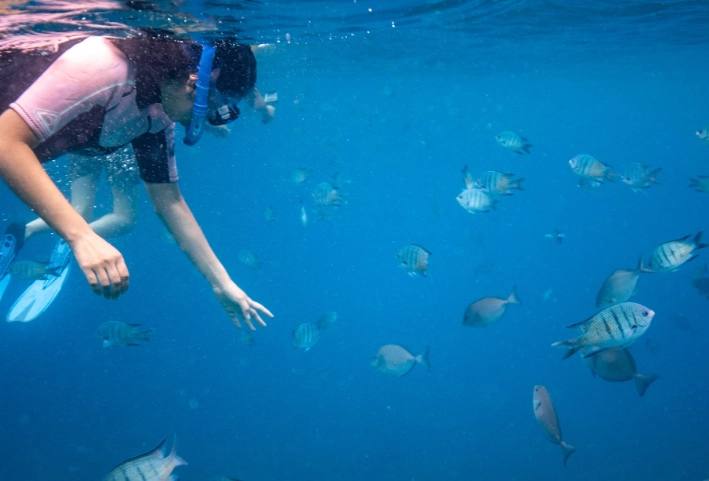
So, when asking what time of day is best to snorkel at Julian Rocks, you should really be asking, "What time of day does the slack tide occur?" That's your true target.
Beyond the Clock: Seasonal Considerations & Other Factors
Time of day is one piece. The time of year is another huge piece of the puzzle.
Water Temperature and Seasonal Shifts
Julian Rocks is blessed with both tropical and temperate currents, but the water temp still varies.
- Summer (Dec-Feb): Warmest water (22-26°C / 72-79°F). A 3mm shorty or even a swimsuit might suffice for some. This is peak season, so book ahead. Afternoon sun is intense—reef-safe sunscreen is a must.
- Autumn/Winter (Mar-Aug): Water cools down, hitting its lowest around August (18-21°C / 64-70°F). A proper 3mm or even 5mm full wetsuit, plus hood and boots, become essential for comfort. The upside? Fewer crowds. Marine life is still fantastic.
- Spring (Sep-Nov): The water is warming up again. It's a lovely time to visit, with good visibility and increasing activity. Humpback whales are migrating past, so your boat ride might include a spectacular show.
This seasonal shift can influence your "best time of day" choice. In winter, that morning cold snap is more pronounced—an afternoon snorkel might feel more appealing for the slight water temp boost. In summer, the cool morning water can be refreshing.
Weather: The Ultimate Wild Card
No guide can control this, but you need to know how to read it. A perfect morning tide is ruined by rain runoff or strong wind.
Always, always check the forecast in the days leading up to your trip. Look for:
- Wind speed and direction: Easterly or northeasterly winds can churn up the ocean. Light winds or southerlies are generally better. The BOM forecast for Byron Bay is your bible here.
- Rain: Heavy recent rain can wash tannins and sediment from the rivers into the ocean, reducing visibility for days. A clear spell after rain is ideal.
- Swell: A large ocean swell can make the boat ride uncomfortable and the snorkeling site unsafe. Operators will cancel if the swell is too big—it's for your safety.
I once booked a morning tour after a week of storms. The tide was perfect, the time was "right," but the visibility was like swimming in weak tea. The lesson? Perfect clock time means nothing if the weather hasn't been cooperating.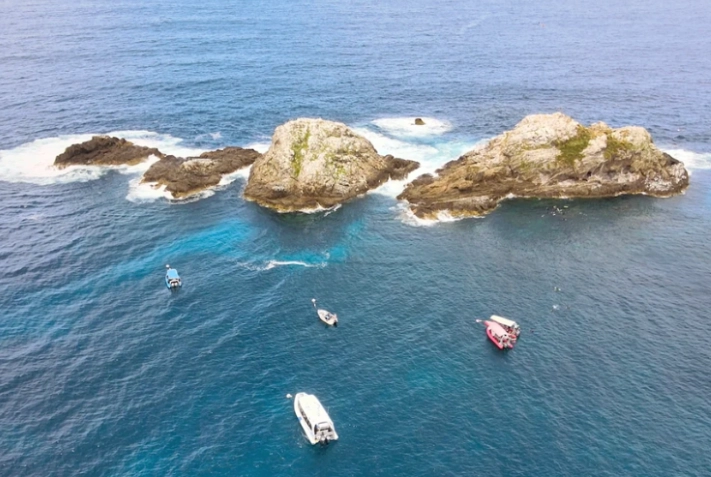
Practicalities: Making Your Choice and Getting Ready
Alright, you've got the theory. How do you apply it?
Booking Your Tour: What to Ask
When you contact a tour operator, have these questions ready:
- "For my chosen date, do you recommend the morning or afternoon trip based on the tide forecast?" (This shows you know your stuff).
- "What is your cancellation policy due to weather?" (Good operators are flexible).
- "What thickness wetsuit do you provide for this time of year?"
- "How many people are typically on the boat?" (Smaller groups are often better).
Remember, they do this every day. Their local knowledge is invaluable. If they strongly suggest one session over another, listen.
What to Bring (Beyond Your Swimsuit)
Your preparation influences your enjoyment as much as the time of day does.
- Reef-Safe Sunscreen: Non-negotiable. Apply it before you get on the boat. Zinc-based is best. The sun reflects off the water intensely.
- Sea-Sickness Prevention: Even if you don't normally get seasick, take precautions. A gentle boat ride can still bob around. Take tablets the night before AND the morning of, as directed.
- A Towel and Warm Layers: You'll get cold after being in the water, even in summer. A dry hoodie for the ride back is bliss.
- Your Sense of Adventure (and Patience): Wildlife isn't on a schedule. You might see a leopard shark, you might not. Enjoy the whole experience—the boat ride, the rocks, the fish you do see.
Answering Your Other Questions (The FAQ Section)
The Final Verdict: So, What's the Best Time?
Let's wrap this up. If you're looking for a single, actionable answer to what time of day is best to snorkel at Julian Rocks, here it is:
Book the tour session (morning or afternoon) that aligns with the predicted slack tide on your chosen date, with a slight personal preference for the morning for its more reliable calm conditions and stellar light.
The best time is when you can go, with a good operator, during a slack tide, on a day with decent weather. Even a "sub-optimal" time at Julian Rocks is better than most snorkeling experiences elsewhere in the world.
Don't stress about perfection. Use the info here to make an informed choice. Check the tide charts, check the weather, talk to the tour company, and then get excited.
Ultimately, the magic of Julian Rocks isn't wholly dependent on the clock. It's in the cold splash of water on your face, the shock of seeing a giant blue grouper eyeball you from a cave, the sound of your own breath through the snorkel as you float over a garden of anemones. Whether it's 9 AM or 2 PM, you're about to have an adventure. Just get in the water.
One last thing—respect the place. It's a precious aquatic reserve. Don't touch the coral, don't chase the wildlife, and take only photos. That way, it stays incredible for everyone who comes after you, no matter what time of day they choose to visit.
Now go book your trip. You won't regret it.
Reader Comments