Your Snorkel Gear Care Roadmap
- Why Bother? The Real Reasons Cleaning Snorkeling Gear Matters
- Your Step-by-Step Post-Snorkel Cleaning Routine
- The Deep Clean: When Your Gear Needs a Little More Love
- The Art of Drying & Storing Your Snorkel Kit
- Tackling Common Problems & FAQs
- Material-Specific Care: Silicone, Plastic, and Rubber
- Putting It All Together: A Sample Checklist
Let's be honest. After a fantastic day of snorkeling, the last thing you want to do is spend ages cleaning your gear. You're tired, maybe a bit sun-kissed, and you just want to crash. I've been there. I used to give my mask and snorkel a quick rinse under the tap and call it a day. Big mistake. That laziness cost me a perfectly good mask that got permanently foggy and a snorkel that started smelling like a forgotten gym bag.
Cleaning snorkeling gear isn't just about making it look nice. It's about performance, safety, and making your investment last for years, not just one season. A clean mask won't fog up as much. A clean snorkel is hygienic. Well-maintained fins won't develop cracks or lose their flexibility. It's a simple routine, but getting it wrong can ruin your next trip before it even starts.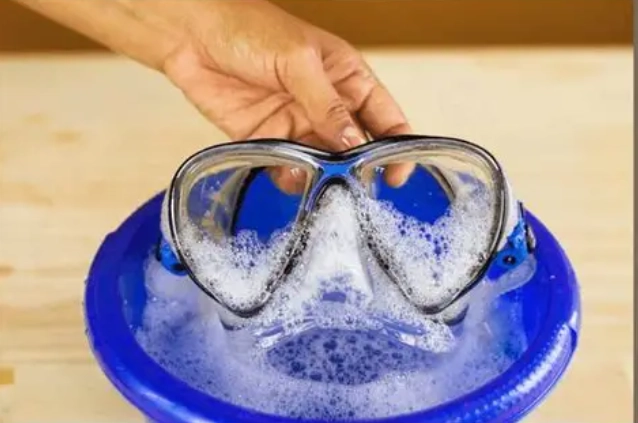
This guide is everything I wish I'd known when I started. No fluff, just the practical steps, the why behind them, and solutions to the annoying problems we all face (looking at you, persistent mask fog).
Why Bother? The Real Reasons Cleaning Snorkeling Gear Matters
You might think a little salt or sand never hurt anyone. But it's not just about dirt.
First, there's hygiene. That snorkel mouthpiece goes in your mouth. The mask skirt touches your face. Over time, bacteria, mold, and other lovely microbes can grow in the damp, organic material (like your saliva) left behind. The U.S. Centers for Disease Control and Prevention (CDC) has guidelines on recreational water hygiene that remind us that personal equipment can be a vector for germs if not cared for. A quick rinse doesn't cut it.
Then there's performance. Salt crystals are abrasive. Left to dry on your mask lens or skirt, they create micro-scratches. Those scratches become permanent fog magnets. Sand in fin buckles or foot pockets causes wear and tear you won't see until a strap snaps. Corrosion from saltwater can seize up adjustment clips, turning your easy-adjust mask into a frustrating puzzle.
Finally, longevity. Snorkeling gear isn't cheap. A good mask and snorkel set can easily run you over a hundred dollars. Fins even more. Neglect is the fastest way to turn that purchase into a disposable item. Proper cleaning and storage protect the materials—especially the silicone, plastics, and rubber—from degrading. Sunlight (UV), heat, and chlorine are like kryptonite to this stuff.
It's also a respect thing. If you're snorkeling in a beautiful coral reef ecosystem, you want to make sure you're not accidentally transporting invasive species or contaminants from one site to another. Rinsing your gear helps with that too. Organizations like the National Oceanic and Atmospheric Administration (NOAA) emphasize the role of responsible practices in protecting marine environments.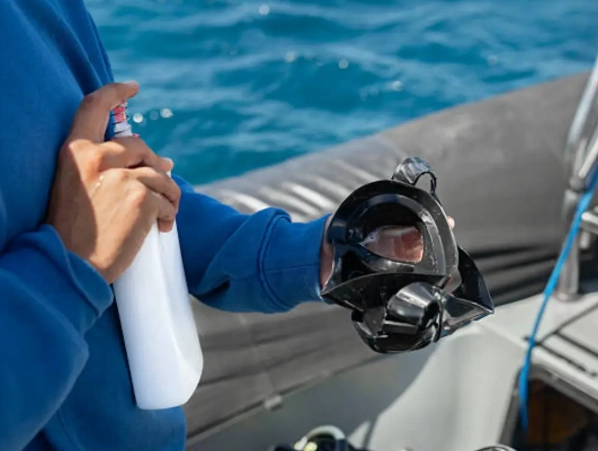
Your Step-by-Step Post-Snorkel Cleaning Routine
This is your everyday, after-each-use ritual. It should take 5-10 minutes, tops.
What You'll Need (The Simple Toolkit)
- A bucket or large sink
- Lukewarm fresh water (NOT hot)
- A mild, non-detergent soap (baby shampoo is a classic diver's hack for a reason)
- A soft microfiber cloth
- A small, soft brush (an old toothbrush is perfect)
Hot water is a no-go. It can warp plastic frames, degrade silicone seals, and generally shorten the life of your gear. Lukewarm is your friend.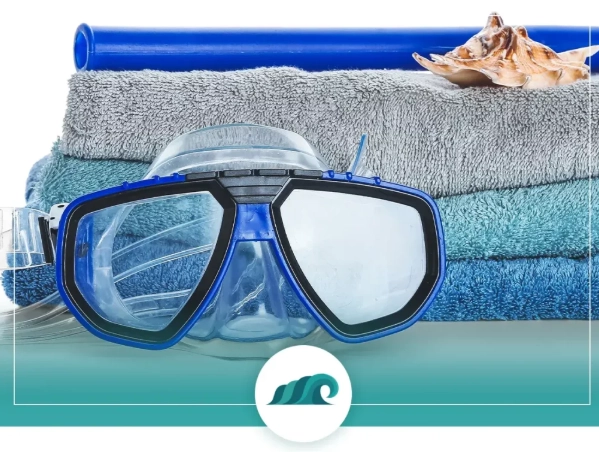
The Rinse & Clean Process
1. The Initial Rinse: As soon as you're done snorkeling, give everything a good dunk and swish in fresh water. Do this even before you get back to your hotel or home, if you can (a beach shower works great). This initial rinse removes the bulk of salt, sand, and organic matter. It's the most critical step to prevent immediate salt crystallization.
2. The Detailed Clean: Fill your bucket with lukewarm water. Add a tiny drop of your mild soap. Don't go crazy with the soap—you'll spend forever rinsing it off.
- Mask: Submerge it. Use your fingers to gently rub the silicone skirt, paying attention to the areas that touch your face and hair. Use the soft brush to gently clean the lens, both inside and out. Never use abrasive pads or paper towels on the lens! For the strap, run your fingers along it to remove salt and sunscreen.
- Snorkel: This is the big one. Swish the snorkel tube in the soapy water. For the mouthpiece, use your soft brush to scrub inside and out, getting into all the little crevices. If your snorkel has a purge valve, gently work the brush over it to dislodge any grit. I can't stress this enough—a clean snorkel mouthpiece is non-negotiable for me now.
- Fins: Scrub the foot pockets thoroughly with the brush. Sand loves to hide in there and can cause blisters next time. Rinse the blades and check the buckles/straps for any trapped sand or debris.
3. The Final Rinse: Empty the soapy water. Now, rinse every item under a gentle stream of fresh, lukewarm water. Make sure all soap residue is gone. Soap left on silicone can break it down over time. Run water through the snorkel tube until it flows clear.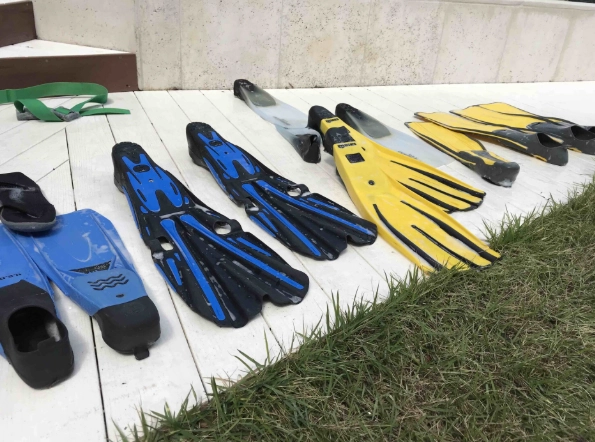
The Deep Clean: When Your Gear Needs a Little More Love
Every 10-15 uses, or if you notice a funky smell or stubborn grime, it's time for a deep clean. This is also essential before storing your gear for a long period (like over the winter).
For this, you can use a dedicated gear cleaner. Many brands make them. They're formulated to tackle bacteria and odors without harming materials. Follow the instructions on the bottle—usually, it involves a longer soak.
The Vinegar Soak for Mineral Deposits: If you have hard water stains or live in an area with mineral-rich water, a white vinegar solution can work wonders. Mix one part white vinegar with three parts fresh water. Soak your mask (without the strap) and snorkel for 15-20 minutes. Then rinse EXTREMELY thoroughly. The vinegar smell will dissipate. Don't use this on fins unless you're sure of the material, as it can be harsh on some rubbers.
Deep cleaning your snorkeling gear is like changing the oil in your car. It's preventative maintenance that saves you from bigger headaches later.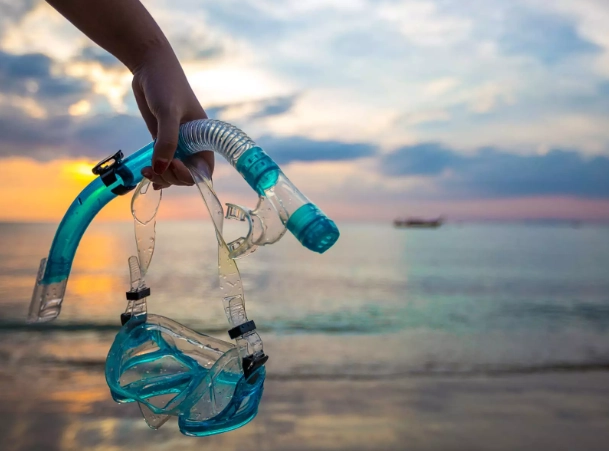
The Art of Drying & Storing Your Snorkel Kit
This is where most people mess up. Storing gear wet or in direct sunlight is the kiss of death.
How to Dry Properly
- Air Dry, Don't Heat Dry: Lay your gear out on a clean towel in a well-ventilated, shaded area. A gear bag is for transport, not for drying. Never use a hair dryer, radiator, or direct sun to dry your kit. Heat is the enemy.
- Get Every Nook: Shake the snorkel vigorously to eject water droplets from the tube. Pat the mask skirt and lens dry with a microfiber cloth. For fins, open the foot pockets wide to let air circulate.
- It's Not a Race: Let it dry completely. This might take a full day, especially in humid climates. Moisture left in a snorkel tube is what leads to that dreaded mildew smell.
Smart Storage Solutions
Once bone-dry, store your gear properly.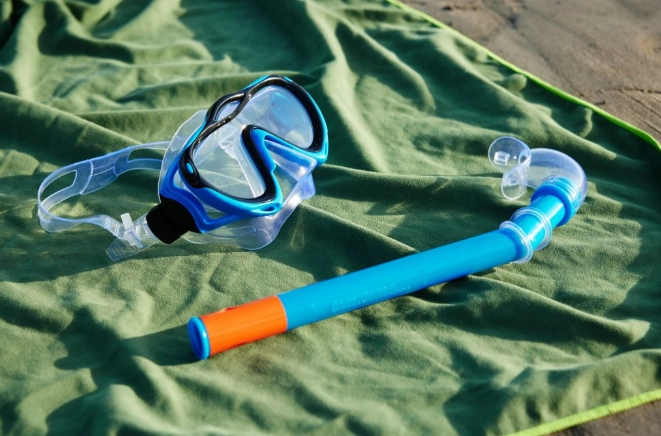
- Keep it Loose: Don't leave the mask strap tightly stretched over the lenses. This can warp the skirt and weaken the strap over months. Store it loosely or flat.
- Mind the Shape: Store fins flat, not bent or folded. Avoid putting heavy items on top of them.
- The Perfect Spot: A cool, dark, dry place is ideal. A closet shelf is perfect. Avoid attics (too hot) or damp basements. Don't leave it in your car's trunk—the temperature extremes will wreck the materials.
- For Long-Term Storage: Some folks give their silicone a very light dusting with pure talc (not cornstarch-based powder) to keep it from getting sticky. It's an old-school trick that works.
Tackling Common Problems & FAQs
Here are the questions I get asked the most, and the problems we all run into.
Material-Specific Care: Silicone, Plastic, and Rubber
Not all parts of your kit are the same. Here’s a quick cheat sheet:
| Material | Found In | Do's | Don'ts |
|---|---|---|---|
| Silicone | Mask skirt, snorkel mouthpiece, fin straps | Clean with mild soap. Rinse well. Dry completely. Store away from ozone (like near motors). | Expose to oils, solvents, or UV light for long periods. Pinch or fold sharply in storage. |
| Tempered Glass | Mask lens | Clean with soft cloth/brush. Rinse with fresh water. | Use abrasive cleaners, scrub with sand, or place lens-down on hard surfaces. |
| Thermoplastic/Plastic | Mask frame, snorkel tube, fin blades/buckies | Rinse thoroughly. Check for sand in moving parts. | Expose to high heat (car dash, hot water). Use harsh chemicals. |
| Neoprene/Rubber | Fin foot pockets (older models), some straps | Rinse inside and out. Ensure total dryness to prevent rot. | Store in compressed state. Expose to excessive heat or ozone. |
Putting It All Together: A Sample Checklist
Feeling overwhelmed? Here's a simple list to follow after your next snorkel trip. Print it out, stick it on your gear box.
☐ Rinse all gear in fresh water immediately.
☐ Prepare lukewarm, slightly soapy water.
☐ Gently scrub mask (lens & skirt), snorkel (tube & mouthpiece), and fins (foot pockets & buckles).
☐ Rinse ALL soap off completely.
☐ Shake out excess water from snorkel.
☐ Lay everything out to air dry in the shade.
☐ Once 100% dry, store loosely in a cool, dark, dry place.
☐ (Monthly) Perform a deep clean with gear disinfectant.
It seems like a lot, but it becomes second nature.
Look, I'm not saying you need to treat your snorkeling gear like a museum piece. But a little consistent care goes an incredibly long way. The process of cleaning snorkeling gear is a small investment of time that pays you back every single time you get in the water: with clear vision, a fresh experience, and the confidence that your kit won't fail you.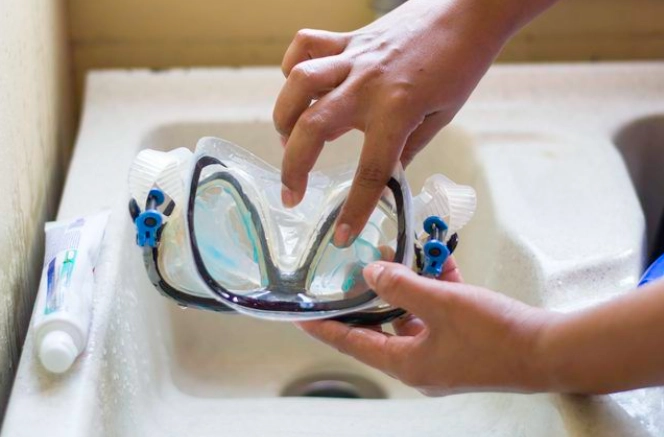
When you're floating above a coral garden, the last thing you want is a foggy mask or a disgusting snorkel mouthpiece pulling you out of the moment. A clean, well-maintained kit just disappears, letting you focus on the wonder below. And honestly, that's the whole point, isn't it?
Start with the post-snorkel rinse. Make that a non-negotiable habit. The rest will follow. Your gear (and your future self on your next amazing trip) will thank you for it.
Reader Comments