Explore This Guide
- Why Bother? The Real Impact of Snorkeling Etiquette
- Rule #1: Your Relationship with the Reef (The Golden Rules)
- Rule #2: Sharing the Water with Marine Life
- Rule #3: Sharing the Water with Other People
- The Pre-Snorkel Checklist: Etiquette Starts on Land
- Common Scenarios & How to Handle Them
- Going Deeper: The Ethics of Snorkeling Tours
- A Quick-Reference Table of Do's and Don'ts
- Final Thoughts: It's About Mindful Enjoyment
Let's be honest. The first time I went snorkeling, I had no clue there were rules. I was just thrilled to be in the water, staring at fish. I probably kicked up a ton of sand, got way too close to a turtle because it was "so cool," and honestly, might have been a bit of a nuisance to others. It wasn't until a seasoned diver gave me a friendly but firm talk later that I realized snorkeling etiquette is a real thing—and it matters. A lot.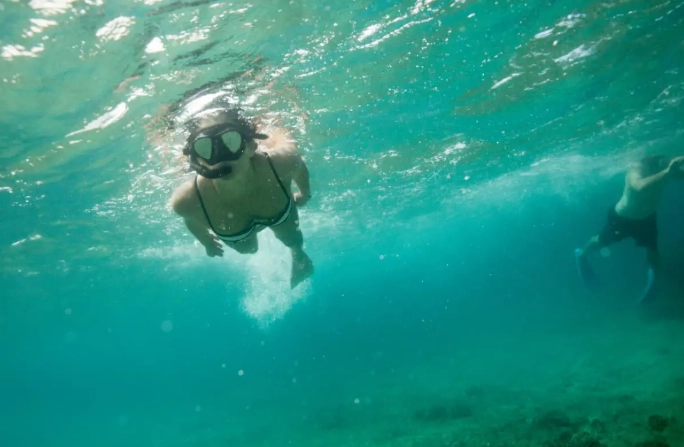
It's not about stuffy regulations. It's about respect. Respect for the unbelievably fragile world you're visiting, and respect for the other people who are there to enjoy the same magic. Good snorkeling etiquette is the difference between being a mindful guest and being that person who ruins the experience, often without even knowing it.
This guide is everything I wish someone had told me before my first fin-kick. We'll break it down, not as a list of don'ts, but as a blueprint for being a better, more responsible snorkeler. Because when everyone follows a few simple principles, the ocean stays healthier, the marine life stays calmer, and everyone gets a better show.
Why Bother? The Real Impact of Snorkeling Etiquette
You might think, "It's just me, how much damage can I do?" I used to think that too. But multiply "just you" by the hundreds of thousands of people who visit popular reefs every year, and the impact is staggering.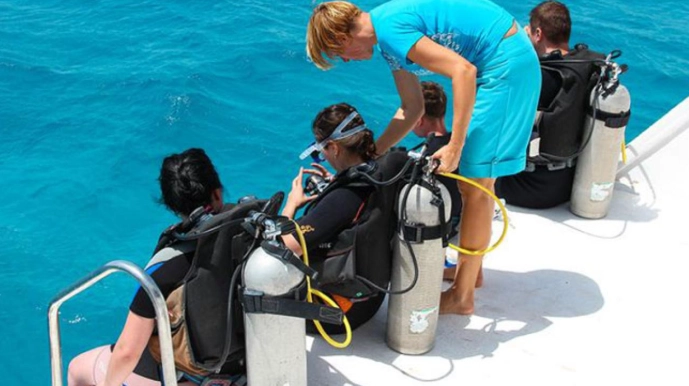
A single careless fin kick can break a piece of coral that took decades to grow. Sunscreen washed off your body can bleach and poison entire coral colonies. Chasing a sea turtle to get the perfect photo stresses the animal and wastes its precious energy.
It's not just about the environment, either. Poor etiquette ruins it for others. No one wants to have their view constantly blocked by someone swimming vertically, or get kicked in the face by erratic fins. Understanding and practicing good snorkeling etiquette is the foundation of sustainable tourism. It ensures these places remain vibrant for future generations—including your own next visit.
Think of it this way: you're a visitor in someone else's home. A home that is ancient, intricate, and incredibly delicate. Would you trample through someone's living room, touch all their valuables, and shout? Of course not. The ocean deserves the same courtesy.
Rule #1: Your Relationship with the Reef (The Golden Rules)
This is the heart of snorkeling etiquette. The reef is not a theme park ride; it's a living, breathing ecosystem. Your number one job is to leave no trace.
Look, Don't Touch. Ever.
This cannot be overstated. My personal rule is to pretend everything down there is both incredibly hot and covered in poison ivy. Coral is made up of tiny living animals called polyps. The slimy coating you feel? That's their living tissue. Touching it can kill the polyps, expose the coral skeleton to disease, or introduce harmful bacteria and oils from your skin.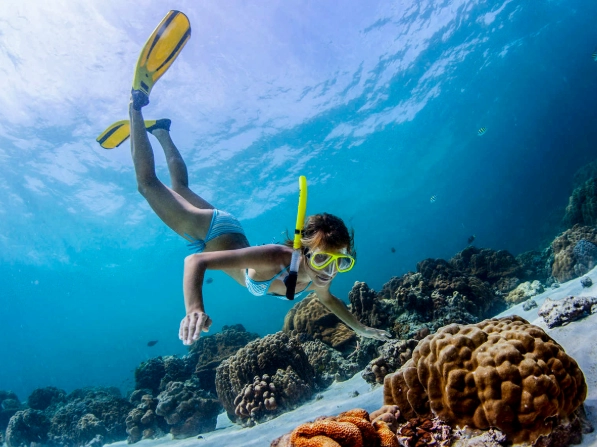
Pro Tip: Master your buoyancy. The key to not touching anything is to not sink. Practice floating horizontally at the surface. If you need to adjust your mask, float vertically for a second, then go flat again. Never stand up, even if the water looks shallow. You will almost certainly be standing on living coral.
And it's not just coral. Don't handle sea stars, don't poke anemones, don't pick up shells that might be a hermit crab's home. Just look. Your eyes are your tools, not your hands.
Fin Awareness is Everything
Your fins are your propeller, but they're also your biggest liability. Long, fluttery kicks might feel powerful, but they stir up sediment from the bottom, which can smother coral. They also increase the chance of you accidentally kicking the reef.
I've found that short, gentle kicks from the hip, more like a modified flutter kick, give me plenty of propulsion without churning up the seabed. Be hyper-aware of where your fin tips are at the bottom of each kick cycle. If you're anywhere near the bottom or a reef wall, keep your kicks small and controlled.
The Sunscreen Dilemma
This is a big one that's finally getting mainstream attention. Many common chemical sunscreens contain oxybenzone and octinoxate. These chemicals are extremely harmful to coral reefs, contributing to bleaching and disrupting coral reproduction.
The fix? Use "reef-safe" sunscreen. But be careful—that term isn't strictly regulated. Look for mineral-based sunscreens with non-nano zinc oxide or titanium dioxide as the active ingredient. Even better, wear a rash guard or a full swim shirt. It's the most effective sun protection and creates zero pollution. I made the switch a few years ago to a long-sleeved shirt and a hat, and I never get burned anymore. It's a win-win.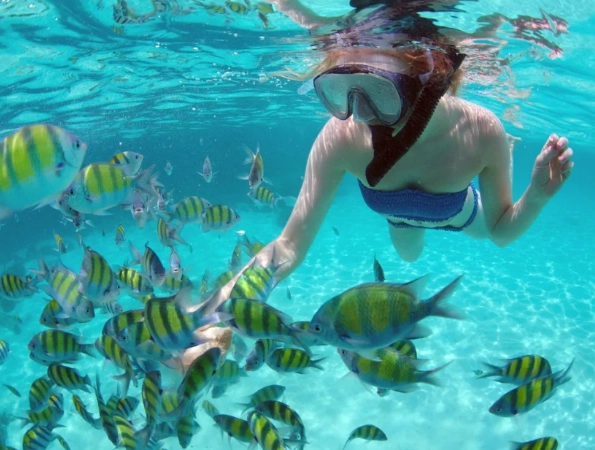
For authoritative information on reef-safe sunscreens and their impact, the National Oceanic and Atmospheric Administration (NOAA) provides excellent, science-based resources.
Rule #2: Sharing the Water with Marine Life
Seeing a sea turtle glide by or a reef shark patrol the edge of the drop-off is unforgettable. But our excitement can't come at their expense. Good snorkeling etiquette with animals is all about passive observation.
Never Chase or Corner an Animal
If you see something amazing, resist the urge to swim directly at it. You'll likely scare it away. Instead, stop moving. Float calmly. Let the animal's natural curiosity sometimes bring it closer to you. If it swims away, let it go. Chasing a turtle to get a photo forces it to burn energy it needs for survival—energy to find food, escape real predators, and migrate.
I learned this the hard way with a majestic eagle ray. I kicked furiously after it, and it just effortlessly outpaced me and vanished into the blue. I was left out of breath and saw nothing. The next time I saw one, I froze. It did a graceful loop and passed right beneath me. A much better memory.
Maintain a Safe and Respectful Distance
How close is too close? A good rule of thumb is if the animal changes its behavior because of you, you're too close. If it speeds up, changes direction, or hides, back off. For larger animals like turtles, manatees, or sharks, many guidelines suggest staying at least 10-15 feet away.
I keep my hands clasped behind my back when I'm near something interesting. It's a physical reminder not to reach out and it also makes my body more streamlined and less threatening.
Do Not Feed the Fish
This might seem like a harmless way to attract a swarm of colorful fish, but it's terrible for them and the reef. It alters their natural feeding behaviors, makes them dependent on humans, and can lead to malnutrition (human food isn't their diet). It also concentrates fish in one area, leading to increased waste and aggression. Just don't do it. The fish are doing just fine finding their own food.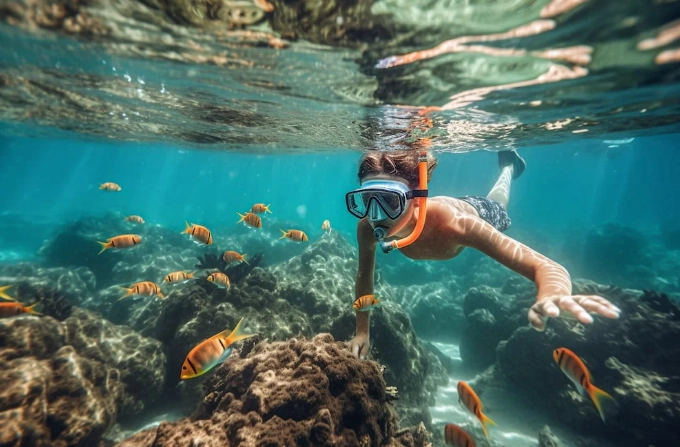
Rule #3: Sharing the Water with Other People
You're not alone out there. Snorkeling etiquette applies just as much to your fellow humans as it does to the fish.
Spatial Awareness: The Buddy System and Crowds
Always know where your buddy is. A quick glance every 30 seconds is a good habit. But also be aware of the other groups around you. Don't swim directly over another snorkeler—you'll block their view of the reef below. If you're in a group, try to swim in a loose line or a cluster, not a wide, blocking wall.
When you stop to look at something, check your surroundings before you suddenly tread water or change direction. A sudden back-kick with your fins can be a nasty surprise for someone behind you.
Noise and Splashing
The underwater world is surprisingly quiet. Loud shouting, exaggerated splashing, and banging on your snorkel to clear it are jarring—for both other snorkelers and the marine life. Communicate with hand signals. Clear your snorkel gently. Be a calm, quiet presence.
Photography Etiquette
We all want that amazing shot. But your photo op shouldn't be someone else's ruined moment. Don't hover directly in front of another photographer. Don't use a flash on marine life—it can startle and disorient them. And never, ever touch or manipulate an animal to get a better shot. If you're using a GoPro on a long stick (a selfie stick), be doubly aware of its length. That stick can easily damage coral if you're not careful.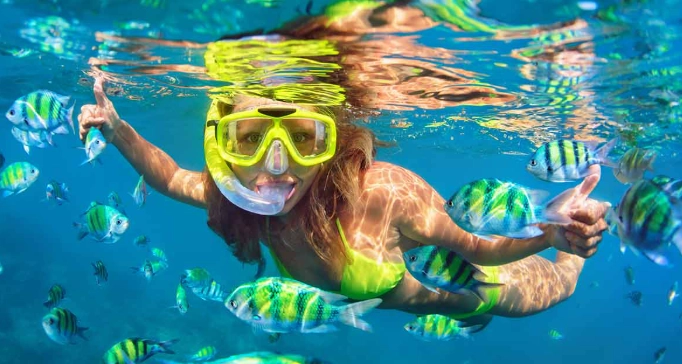
The Pre-Snorkel Checklist: Etiquette Starts on Land
Good snorkeling etiquette isn't just what you do in the water. It starts before you even get wet.
My Pre-Snorkel Ritual: 1) Apply mineral, reef-safe sunscreen 30 mins before entering the water. 2) Do a gear check—mask snug, snorkel clear, fins comfortable. 3) Listen to the boat captain or guide's briefing. They know the local rules and hazards. 4) Plan my entry and exit point to avoid walking over sensitive areas.
If you're new to a site, ask a local guide about any specific rules. Some areas might have no-anchor zones to protect seagrass beds, or specific routes to follow. The briefing might seem boring, but it's packed with crucial local snorkeling etiquette info.
Common Scenarios & How to Handle Them
Let's get practical. Here are some specific situations where knowing the right snorkeling etiquette move makes all the difference.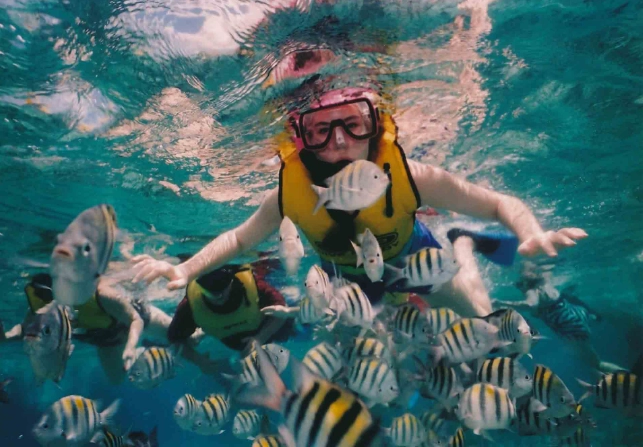
Going Deeper: The Ethics of Snorkeling Tours
Your choice of tour operator is a huge part of your ethical impact. A good operator will enforce snorkeling etiquette, provide thorough briefings, use reef-safe mooring buoys instead of anchors, and limit group sizes.
Do a little research. Look for operators who talk about conservation on their website. Ask questions: "Do you provide reef-safe sunscreen?" "What is your policy on interacting with marine life?" Companies that are proud of their practices will be happy to answer. Organizations like PADI (the Professional Association of Diving Instructors) promote Project AWARE, which includes strong guidelines for responsible interactions, and their affiliated operators often adhere to higher standards.
I once booked the cheapest tour I could find. The boat was overcrowded, the guide said nothing about rules, and people were standing on coral everywhere. It was miserable. Now, I'm willing to pay 20% more for a smaller, eco-focused operator. The quality of the experience is infinitely better, and I feel good supporting a business that cares.
A Quick-Reference Table of Do's and Don'ts
| Situation | DO (Good Snorkeling Etiquette) | DON'T (Bad Form) |
|---|---|---|
| Approaching Coral | Maintain buoyancy, float horizontally, observe from a distance. | Stand on, touch, kick, or break coral. Never use it to push off. |
| Seeing a Turtle/Ray | Stop moving. Observe calmly from the side or above. Let it approach you. | Chase, touch, ride, or corner the animal. Do not block its path to the surface. |
| In a Crowd | Be aware of others. Look before changing direction. Swim in a considerate pattern. | Swim directly over others, kick up sand near them, or monopolize a viewing spot. |
| Your Gear | Secure all gear. Ensure nothing dangles (like a gauge console) to drag on the reef. | Let your snorkel, fin straps, or camera gear contact or scrape the reef. |
| Exiting the Water | Swim to a sandy, non-vegetated area or a dedicated ladder/step. | Walk out over seagrass beds, coral rubble, or muddy bottoms if avoidable. |
| Photography | Use natural light, be patient, keep a respectful distance from subjects. | Use flash on animals, harass subjects for a shot, or sacrifice the reef for an angle. |
Final Thoughts: It's About Mindful Enjoyment
Snorkeling etiquette isn't a buzzkill. It's the opposite. It's what allows the joy of snorkeling to be sustainable. When you float calmly, you see more—animals aren't fleeing from you. When you don't touch, the reef stays colorful for your next visit. When you're considerate of others, the whole vibe is more relaxed and positive.
The core of it all is shifting your mindset from being a consumer of an experience to being a steward of a place. You have a privilege to visit this hidden world. With that privilege comes responsibility.
So next time you gear up, take a deep breath and remember: you're a guest. A good guest observes, appreciates, and leaves everything exactly as they found it, if not better. That's the highest form of snorkeling etiquette there is. And honestly, it makes the whole experience richer, deeper, and something you can feel genuinely good about.
Want to learn more about specific guidelines for different regions? The Reef-World Foundation, which runs the Green Fins initiative in partnership with the UN Environment Programme, is a fantastic resource for international standards on reef-friendly practices.
Reader Comments