Snorkeling in national parks isn't just another beach trip. It's a chance to explore protected marine ecosystems that most tourists miss. I've been snorkeling these spots for over a decade, and let me tell you, the experience is different. The water's clearer, the fish are wilder, and you're part of something bigger—conservation. But planning a trip here? It's not as simple as grabbing a mask and jumping in. You need to know where to go, what gear to bring, and how to avoid common pitfalls that can ruin your day.
Jump to What You Need
Why Snorkel in National Parks?
Think about it. National parks are managed for preservation, not profit. That means the coral reefs and marine life are often healthier. I snorkeled in a popular Florida tourist spot once, and the coral was bleached. Then I went to Dry Tortugas National Park—same region, but the difference was night and day. Vibrant colors, more fish species. According to the National Park Service, these areas are monitored to minimize human impact, which directly benefits snorkelers.
But there's a catch. Access can be limited. Some parks require permits or have restricted hours. That's actually a good thing—it keeps crowds down. If you hate fighting for space with other snorkelers, national parks are your best bet. Just be ready to plan ahead.
Top National Parks for Snorkeling
Not all parks are created equal for snorkeling. Based on my trips, here are three that stand out. I've included specifics so you can actually use this info to book your trip.
| Park Name | Location | Best Snorkeling Spot | Entrance Fee | Operating Hours | How to Get There |
|---|---|---|---|---|---|
| Virgin Islands National Park | St. John, US Virgin Islands | Trunk Bay (underwater trail) | $5 per person (free under 16) | Park open 24/7; snorkeling best 9 AM-4 PM | Fly to St. Thomas, then ferry to St. John; taxi to park |
| Dry Tortugas National Park | Florida Keys, USA | Around Fort Jefferson | $15 per person (7-day pass) | Day use 8 AM-5 PM; camping allowed | Seaplane or ferry from Key West (2-3 hours) |
| Biscayne National Park | Florida, USA | Biscayne Bay coral reefs | Free entry; snorkel tours $50-$80 | Visitor center 9 AM-5 PM; tours vary | Drive to Homestead, FL; boat access from Convoy Point |
Virgin Islands National Park is my personal favorite. Trunk Bay has an underwater snorkeling trail with signs explaining the coral—great for beginners. But go early. By 11 AM, tour groups arrive, and it gets crowded. Dry Tortugas is more remote. The ferry ride is long, but once you're there, the solitude is worth it. I saw sea turtles every time. Biscayne is unique because 95% of the park is water, so you need a boat. Their guided snorkel tours are solid, but book weeks ahead, especially in winter.
What Makes These Spots Special?
Each park has its own vibe. Virgin Islands offers calm, clear waters perfect for families. Dry Tortugas is for adventurers willing to go the extra mile—literally, since it's 70 miles offshore. Biscayne blends accessibility with rich marine life, but watch for weather; wind can churn the bay quickly. A mistake I made once was not checking the marine forecast. Ended up with a choppy, disappointing snorkel.
How to Plan Your Snorkeling Trip
Planning is everything. Here's a step-by-step based on my own blunders and successes.
Step 1: Choose Your Park – Match it to your skill level. Beginners? Stick to Virgin Islands. Experienced? Try Dry Tortugas for deeper waters.
Step 2: Check Permits and Fees – Some parks, like Channel Islands National Park in California, require snorkeling permits for certain areas. Always visit the official National Park Service website for the latest info. Don't rely on third-party sites—they're often outdated.
Step 3: Gear Up – You don't need fancy stuff, but a few items are non-negotiable. Here's my go-to list:
- Mask and Snorkel – Get a silicone mask with a good seal. I wasted money on a cheap one once, and it fogged up constantly.
- Fins – Open-heel fins with adjustable straps. They're more comfortable for long sessions.
- Rash Guard – Protects from sun and jellyfish. Trust me, sunburn while snorkeling is miserable.
- Reef-Safe Sunscreen – This is crucial. Many parks ban non-reef-safe sunscreen. Brands like Stream2Sea work well.
Step 4: Book Transportation and Tours – For remote parks, transportation is key. Dry Tortugas ferry books up months in advance. I missed out once by booking only two weeks ahead. Lesson learned.
Step 5: Pack Extras – Bring a waterproof bag, snacks, and plenty of water. Parks often have limited facilities.
Pro tip: Call the park's visitor center directly. Rangers give insider advice, like which snorkel spots are less crowded on weekdays. For example, at Biscayne, they told me to avoid weekends—saved me from a packed boat.
Safety and Conservation Tips
Safety first, but conservation is just as important. I've seen snorkelers accidentally kick coral, and it breaks my heart. Coral reefs take decades to grow.
Safety Must-Dos
Always snorkel with a buddy. National parks are wild places—currents can change fast. Check weather and tide charts. In Dry Tortugas, I got caught in a sudden current near Fort Jefferson. Managed to swim out, but it was scary. Also, know your limits. If you're not a strong swimmer, stick to shallow areas like Trunk Bay.
Conservation Practices
Follow Leave No Trace principles underwater. Don't touch marine life or coral. Use reef-safe sunscreen—parks like Virgin Islands enforce this. A study by the National Oceanic and Atmospheric Administration shows that chemicals in regular sunscreen harm coral. It's a small change with big impact.
Another thing: avoid feeding fish. It disrupts their natural behavior. I saw a tourist do this in Biscayne, and a ranger had to intervene. It's not just rude; it's harmful.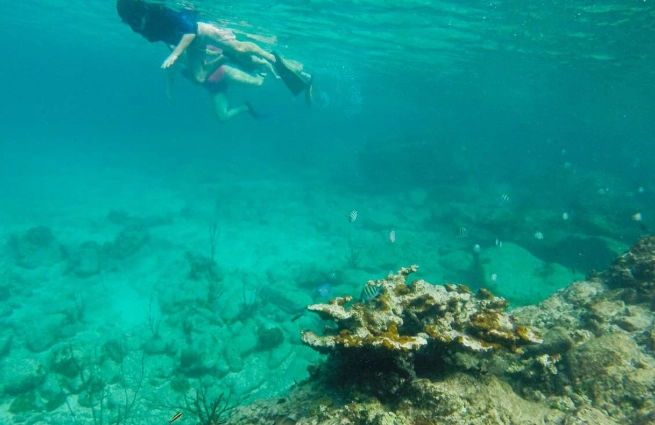
Frequently Asked Questions
Snorkeling in national parks is more than a hobby; it's a way to connect with nature responsibly. With the right planning, you can have an adventure that's both thrilling and sustainable. Start with one of the parks I mentioned, pack your reef-safe sunscreen, and dive in. The underwater world is waiting.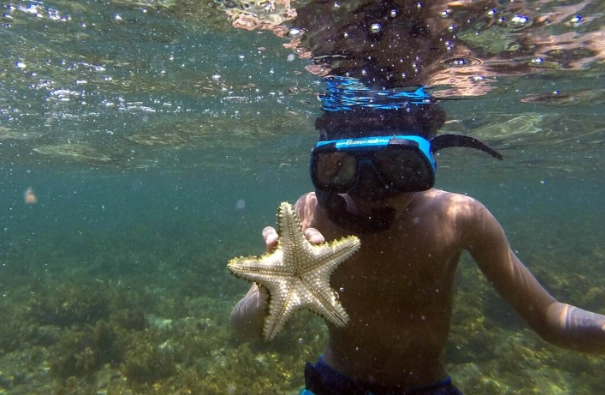
Reader Comments