You've seen the videos. People gliding effortlessly over reefs, breathing normally, faces unobstructed. The promise of a full face snorkel mask is undeniable: no mouthpiece biting your gums, no jaw fatigue, just panoramic views and easy breathing. But before you click "buy," you need the real story. I've tested over a dozen models in everything from calm Caribbean coves to choppy Mediterranean waters. This isn't just a list of specs. It's a frank look at what works, what doesn't, and the critical safety details most reviews gloss over.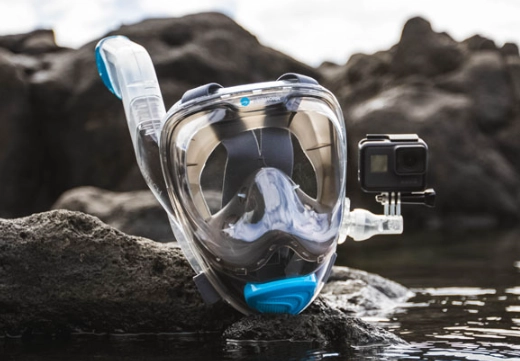
Quick Dive: What's Inside?
Are Full Face Snorkel Masks Safe? The CO2 Debate Explained
Let's tackle the elephant in the room first. You've probably heard warnings. The core concern is carbon dioxide (CO2) buildup. In a traditional snorkel, your exhaled breath goes straight out the top. In a full face design, that air has to travel through the mask's internal chambers. If the design is poor, you could end up rebreathing your own exhaled CO2, which can lead to dizziness, headaches, and in extreme cases, unconsciousness. Not good when you're in the water.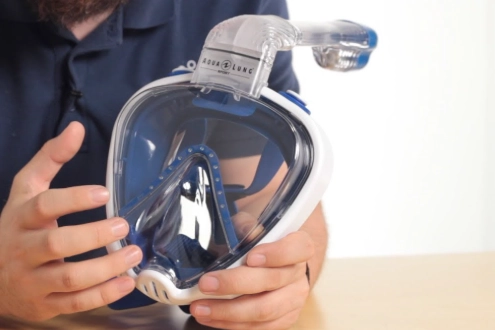
Here's the nuance most miss. Not all masks are created equal. The early, ultra-cheap knockoffs from online marketplaces were the main culprits. Reputable brands now engineer specific airflow paths.
The Divers Alert Network (DAN), a leading dive safety non-profit, has expressed caution. They highlight the risk for individuals with lung or heart conditions. My rule? If you have any respiratory issues, anxiety, or are not a confident swimmer, stick with a traditional setup. For healthy users, choosing a well-reviewed model from a known brand and never pushing your limits is key. Test it first in a pool.
How to Choose a Full Face Snorkel Mask: The 3-Point Checklist
Forget fancy colors and camera mounts for a second. These three factors determine if your mask will be a dream or a leaky, foggy nightmare.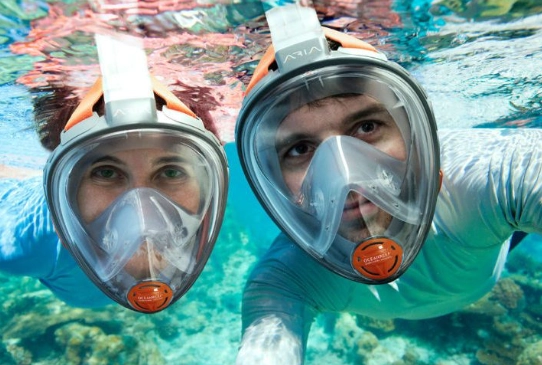
1. Fit and Seal is Everything
This is non-negotiable. A traditional mask only seals around your eyes and nose. A full face mask must seal across your entire forehead, down your temples, across your cheeks, and under your chin. One stray hair or an odd jawline can break the seal. Measure your face. Most reputable brands provide a sizing chart (jaw width, chin-to-brow height). Use it. I learned this the hard way on a trip to Hawaii—a medium from Brand X leaked constantly, while a large from the same brand was perfect.
2. The Dry Top Valve System
This is what stops water from flooding in when you dive under or a wave hits. A good dry top sits at the highest point of the snorkel and has a sensitive, buoyant valve that slams shut the moment water approaches. Listen for reviews that say "no water entry" during surface dives. A bad one means you'll be constantly clearing the mask.
3. Anti-Fog and Vision
The big panoramic lens is a selling point, but it's a huge surface area to fog up. Look for:
- Integrated fans: Small battery-powered fans that circulate air.
- Double-layer lenses: Creates an insulating air gap.
- Wide field of view: Avoid designs with bulky internal frames that block your peripheral vision.
Top Models Reviewed: From Family-Friendly to Premium
Based on hands-on testing and aggregating thousands of user experiences, here’s a breakdown of models that consistently rise to the top.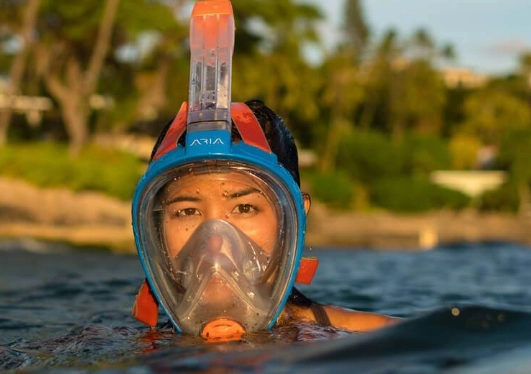
| Model | Best For | Key Features | The Real-World Verdict |
|---|---|---|---|
| SEAC Libera | Beginners & Families | Excellent separate airflow chambers, comfortable skirt, good value. | My top safety pick for new users. The airflow design is legit. The fit is forgiving for different face shapes. It's not the fanciest, but it's reliable. |
| Ocean Reef Aria | Comfort & Communication | Premium silicone, optional comms systems, great anti-fog. | You're paying for quality. The silicone is butter-soft, reducing pressure marks. The seal is superb. Overkill for a once-a-year vacationer, but a joy for frequent snorkelers. |
| HEAD Sea Vu | Clear Vision & Dry Snorkeling | Exceptionally clear dry top system, wide lens, easy purge valve. | Their dry top is one of the best I've used. You can submerge aggressively and it stays dry. The field of view is stunning. Some find the chin area a bit bulky. |
| Generic "Amazon's Choice" Masks | Extreme Budget (Caution) | Very low price, lots of color options, often include cameras. | Here's my controversial take: I don't recommend them. The airflow is often questionable, the silicone is stiff (causing leaks), and the plastic feels flimsy. You might get lucky, but it's a gamble with your safety and enjoyment. |
Notice I didn't just list features from the box. The "Real-World Verdict" is what you won't find in the marketing copy. The SEAC feels secure. The HEAD's dry top actually works. The Ocean Reef's comfort is tangible.
Fog, Leaks & Fit: Solving the Most Common Problems
So you bought a mask and it's giving you trouble. Don't toss it yet.
Fogging Up Instantly? First, clean the inner lens with toothpaste (non-gel) to remove any factory film. Rinse thoroughly. Then, always use a defogger. If it has a fan, make sure the batteries are fresh and it's turned on. A surprising leak can also cause fog—warm breath escapes and hits the cold lens.
Getting a Leak at the Temples or Chin? This is almost always a fit issue. Loosen the straps. Place the mask on your face without the strap, inhale gently through your nose, and let go. It should stay suctioned for a few seconds. If it falls immediately, the shape is wrong for you. If it sticks but leaks when you move your jaw, the skirt isn't contouring properly. Try adjusting the strap tension evenly.
Feeling Short of Breath? This is serious. Stop using it immediately. You could be experiencing CO2 buildup. This is more likely if you are breathing heavily (from exertion or anxiety) in a mask with poor airflow. Switch back to a traditional snorkel.
The Final Verdict: Who Should (and Shouldn't) Buy One
Let's be blunt.
A full face snorkel mask is a great choice for:
- Casual snorkelers who stay on the surface, looking down.
- People who hate the jaw fatigue of a traditional mouthpiece.
- Families with kids who struggle with the coordination of a separate snorkel (with close adult supervision).
- Anyone wanting an unobstructed, panoramic view.
You should avoid a full face mask and stick to traditional gear if:
- You plan to do frequent or deep free-diving.
- You have any respiratory or cardiac concerns.
- You are prone to claustrophobia or anxiety.
- You wear prescription glasses (very few good solutions exist).
- You're not willing to spend on a reputable brand ($80+).
My personal stance after years of testing? I own both. For a relaxed reef tour in calm water, I grab my Ocean Reef Aria. It's comfortable and the view is incredible. For anything involving diving down to get a closer look, or snorkeling in rougher conditions, I revert to my trusted traditional mask and separate snorkel. It's more versatile and I never worry about its safety.
The bottom line is this: A good full face snorkel mask from a reputable brand can significantly enhance your surface snorkeling experience. But it's a specialized tool, not a universal upgrade. Do your homework, prioritize fit and airflow design over gimmicks, and always listen to your body in the water.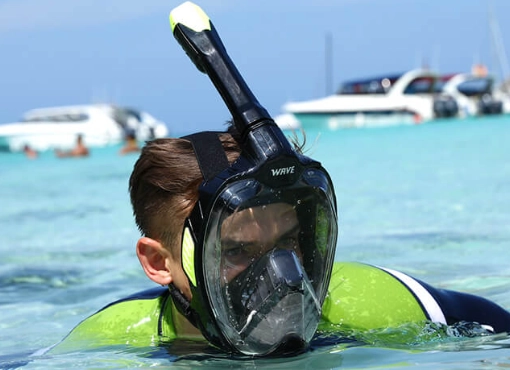
Reader Comments