Jump Straight to What Matters
I remember my first snorkeling trip in Hawaii—I was so excited, but within minutes, my mask fogged up, and I choked on seawater. It wasn't the magical experience I'd imagined. Turns out, I'd skipped some basics everyone assumes you know. If you're new to snorkeling, you're in the right place. This guide cuts through the fluff and gives you the real deal on how to snorkel safely and enjoyably, whether you're in the Caribbean or your local lake.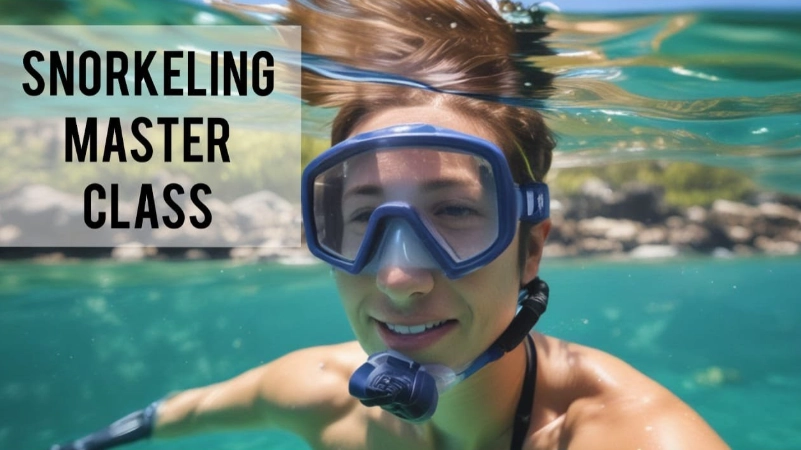
Gear Up: Your Snorkeling Equipment Checklist
Getting the right gear isn't about spending a fortune; it's about fit and function. I've seen people with top-tier masks that leak because they didn't test them properly. Let's break it down.
Mask Fit and Anti-Fog Solutions
Your mask is your window to the underwater world. Press it against your face without the strap—if it sticks without air leaking, you've got a good seal. Avoid masks that pinch your nose too tightly; that's a common mistake. For fogging, skip the expensive sprays. Spit into the lens, rub it around, and rinse with seawater. Sounds gross, but saliva works better than most products. I learned this from a dive instructor in Thailand after wasting money on fogging issues.
Snorkels: Dry vs. Semi-Dry
Dry snorkels have a valve that seals when submerged, preventing water entry. Semi-dry ones have a splash guard. For beginners, I recommend semi-dry—they're simpler and less likely to malfunction. Dry snorkels can sometimes stick, causing breathing issues. Try both in a pool if you can. A good snorkel should feel comfortable in your mouth; silicone mouthpieces are gentler on the gums.
Fins for Efficiency
Fins aren't just for speed; they reduce fatigue. Full-foot fins are best for warm water, while open-heel ones work with boots in cooler climates. Make sure they're snug but not tight—cramps ruin the fun. I once rented fins that were too loose, and I spent half the trip adjusting them. Lesson learned: test before you go.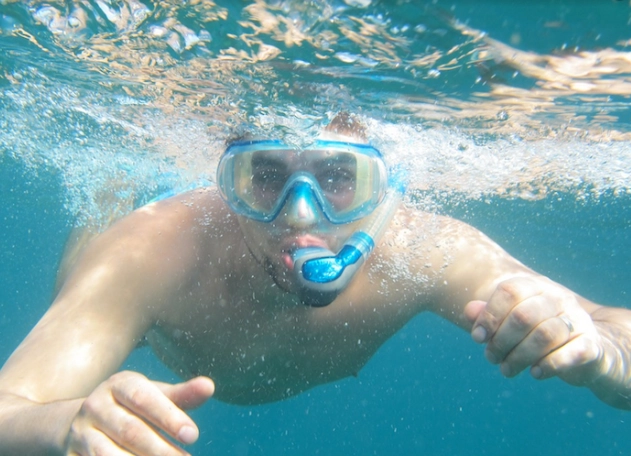
Mastering the Basics: Step-by-Step Snorkeling Technique
Snorkeling is mostly about breathing and buoyancy. Many beginners hold their breath or panic when water gets in the snorkel. Here's how to avoid that.
Entering the Water Safely
If you're starting from shore, walk backward into the water to avoid tripping over fins. From a boat, sit on the edge and roll in gently. Always check the depth—start in waist-deep water to practice. I've seen people jump in and immediately struggle because they weren't ready. Take it slow.
Breathing: The Art of Relaxation
Breathe slowly and deeply through your mouth. Shallow breaths cause hyperventilation. Practice floating face-down while breathing; if you feel anxious, lift your head and tread water. It's normal to take a few minutes to adjust. My first time, I gulped air like I was running a marathon—relaxation is key.
Clearing Your Snorkel
Water will get in your snorkel, especially when diving down. To clear it, exhale sharply through the mouthpiece. For semi-dry snorkels, a gentle blow often works. Practice in shallow water until it feels natural. Don't suck in forcefully; that's how you swallow seawater.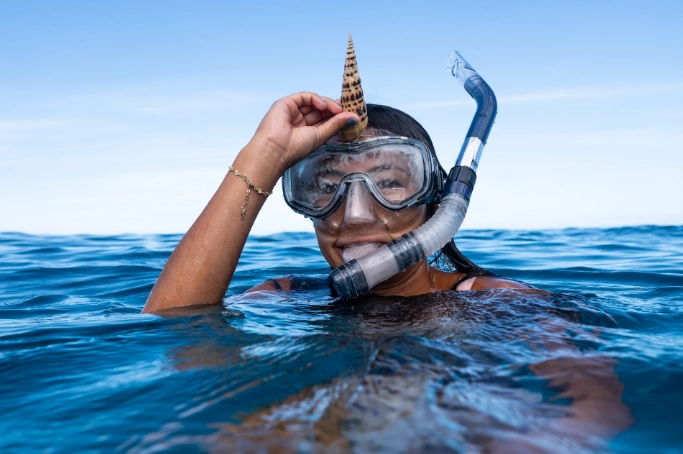
Safety and Etiquette: Do's and Don'ts
Safety isn't just about you; it's about respecting the ocean. I've witnessed snorkelers touching coral or chasing fish, which harms ecosystems and can be dangerous.
Common Beginner Mistakes
Don't touch marine life—even harmless-looking coral can cut or sting. Avoid standing on the seabed; it disturbs habitats. Always snorkel with a buddy, and signal if you need help. According to the Professional Association of Diving Instructors (PADI), most snorkeling incidents stem from ignoring basic rules like overestimating fitness levels.
Marine Life Encounters
If you see a shark or ray, stay calm and back away slowly. Most are not aggressive. For jellyfish stings, rinse with vinegar, not fresh water. The National Oceanic and Atmospheric Administration (NOAA) emphasizes minimal impact snorkeling—take only photos, leave only bubbles.
Where to Start: Recommended Snorkeling Spots for Beginners
Choose calm, clear waters with minimal currents. Here are a few top picks based on my travels and recommendations from local guides.
- Hanauma Bay, Hawaii: A protected marine life conservation area with gentle slopes and abundant fish. Arrive early to avoid crowds; entry fee is around $25 per person. The water is shallow near shore, perfect for practice.
- Molokini Crater, Maui: Accessible by boat tours, this crescent-shaped reef offers visibility up to 150 feet. Tours cost $100-$150 and include gear. Go in the morning for calmer seas.
- John Pennekamp Coral Reef State Park, Florida: The first underwater park in the U.S., with guided snorkel trips for about $40. The waters are warm and sheltered, ideal for families.
These spots have lifeguards and rental facilities, reducing hassle for beginners. Check seasonal weather—avoid rainy seasons when visibility drops.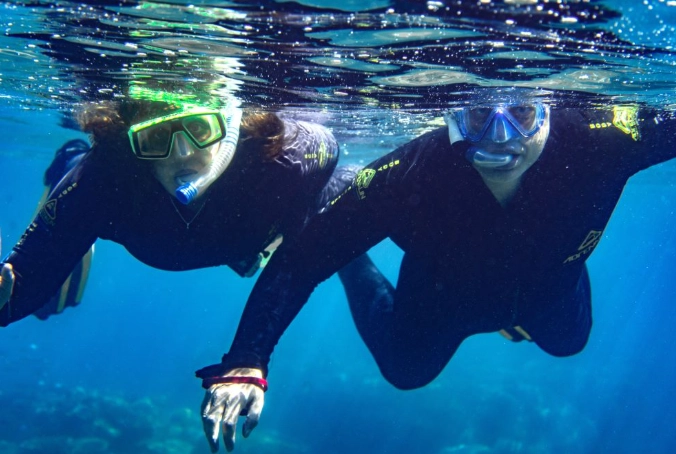
Frequently Asked Questions
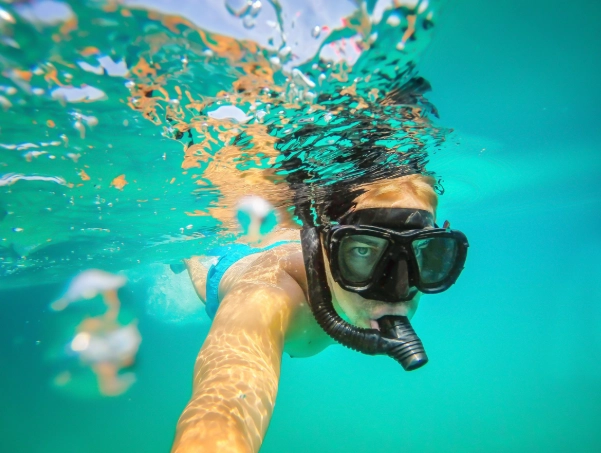 Snorkeling opens up a whole new world, but it's not about being perfect—it's about enjoying the ride. Start with these basics, practice in safe waters, and soon you'll be gliding over reefs like a pro. Remember, every expert was once a beginner who didn't give up after that first salty gulp. Happy snorkeling!
Reader Comments