Let's be honest. The idea of snorkeling can be intimidating if you're not a strong swimmer, or if you're trying it with kids. Images of crashing waves and strong currents flash through your mind. But what if I told you there's a whole world of snorkeling designed for exactly that – calm, clear, and incredibly accessible water? That's what calm water snorkeling spots are all about. They're protected bays, sheltered coves, and shallow lagoons where the ocean feels more like a giant, serene aquarium. I've spent over a decade seeking out these spots, from the Caribbean to Southeast Asia, often with nervous first-timers in tow. This isn't just a list; it's a blueprint for a stress-free underwater adventure.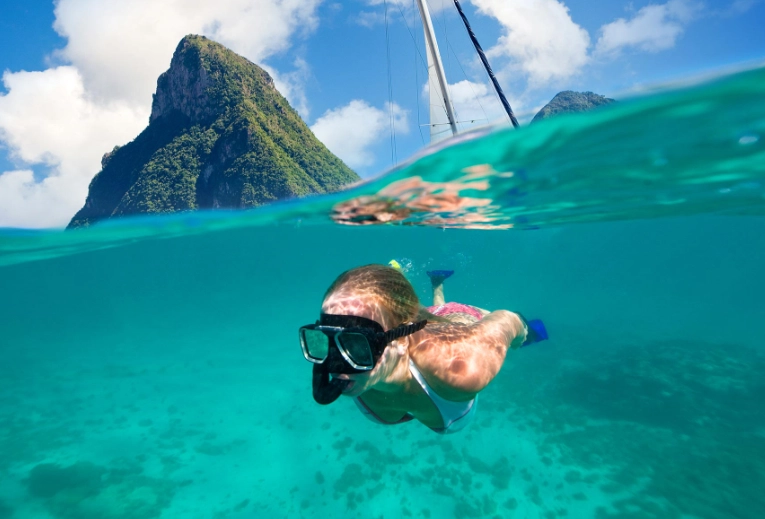
What You'll Find in This Guide
Why Calm Water is a Game-Changer for Snorkelers
Forget fighting the current. In a calm water spot, your energy goes into looking at fish, not staying in place. The benefits are huge, especially for two groups: absolute beginners and families.
Beginners can focus on breathing through the snorkel without the panic of waves splashing over them. You can stand up if you need to (in many spots). Kids aren't being pulled around, so they feel safe and actually enjoy the magic below. The water is usually clearer because there's less sand and silt being stirred up. This means better visibility and brighter colors.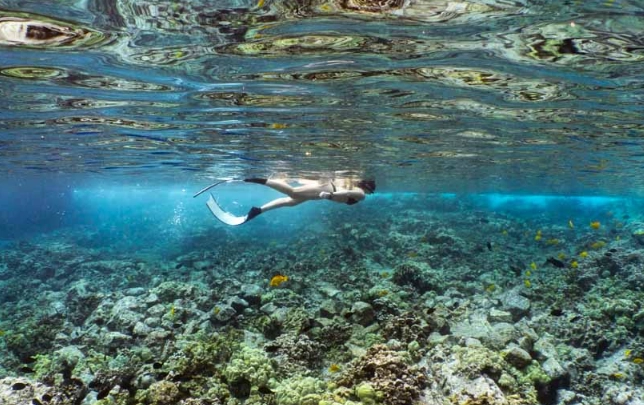
My Personal Rule: If someone in your group is anxious about the water, a calm snorkel spot isn't just a nice-to-have; it's the only way to ensure they have a positive experience. I've seen too many people turned off snorkeling forever by being taken to an unsuitable, choppy site on their first try.
5 Unbeatable Calm Water Snorkeling Spots Worldwide
Here are my top picks, vetted for protection, ease of access, and consistent conditions. I'm including the practical details you need to plan your trip.
This is the textbook example of a protected marine ecosystem perfect for beginners. It's a volcanic crater that formed a bay, meaning it's almost fully encircled by land. The waves break on the outer reef, leaving the inner bay as placid as a swimming pool.
- Address: 7455 Kalanianaʻole Hwy, Honolulu, HI 96825, USA.
- Best Time: Morning, right at opening (8 AM Wed-Sun). It gets crowded, and the sun is best for light.
- Key Feature: Mandatory educational video before entry, which actually helps you appreciate and protect the bay.
- Cost & Booking: Non-resident entry fee is $25 per person (12+). You must reserve your entry time online in advance. This system manages crowds effectively.
- Why it's calm: The geography creates a natural barrier. Stick to the left side (facing the ocean) for the gentlest, sandiest entry.
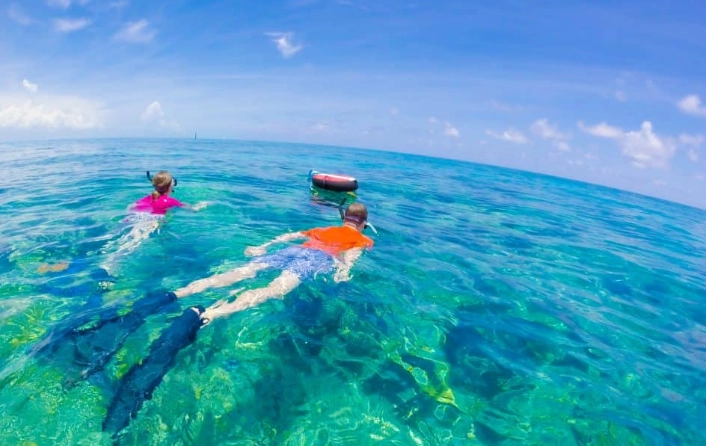
America's first underwater park. While it has offshore reefs, its crown jewel for calm water snorkeling is the Canon Beach area. You can wade in from the shore and snorkel around a small submerged shipwreck just a short swim away.
- Address: 102601 Overseas Hwy, Key Largo, FL 33037, USA.
- Best Time: Year-round, but summer offers the warmest water. Check wind forecasts; calm days are best.
- Key Feature: A true from-the-shore snorkel. No boat needed. Perfect for testing gear or a short, easy session.
- Cost: Park entrance fee is $8 per vehicle (2-8 people) plus $0.50 per person. Very affordable.
- Pro Tip: The nearby Far Beach is often even quieter. The coral here isn't the vibrant rainbow of the deep reef, but the fish life is abundant and the ease of access is unmatched.
A completely different kind of calm. This is freshwater snorkeling between the North American and Eurasian tectonic plates. The water is filtered through lava rock for decades, resulting in visibility of over 100 meters. There is absolutely no current in the main section – you float passively in a drysuit.
- Location: Thingvellir National Park, about 45 minutes from Reykjavik.
- Best Time: Summer for milder air temps, but it's a year-round activity as the water is always 2-4°C (35-39°F).
- Key Feature: A unique geological and ultra-clear water experience. It's more about the sheer clarity and the "touch two continents" feeling than tropical fish.
- Cost & Booking: You must go with a licensed tour operator. Expect to pay $150-$250. It's a guided, drysuit-only experience. Companies like DIVE.IS or Arctic Adventures handle everything.
- Why it's calm: It's a spring-fed fissure. The water moves so slowly it feels stationary.
I could list a dozen more – the mangrove nurseries in Bonaire, the serene House Reef at Bungalows Bay in Roatan, or the giant clam gardens in Palau's German Channel on a slack tide. The point is, they exist on every continent with a coastline.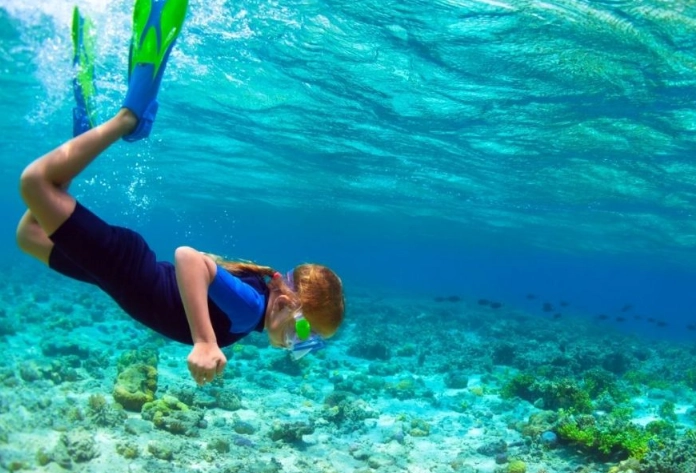
How to Find Your Perfect Calm Water Snorkel Spot
You're not always going to a world-famous park. How do you vet a spot you've heard about or found on a map?
Look for These Geographical Clues
- Bays and Coves: Any indentation in the coastline offers some protection. The deeper the bay, the calmer the inner waters.
- Behind a Reef: A living coral reef or even a rocky breakwater can absorb wave energy. The area inside this barrier (the lagoon) is your target.
- Mangrove Channels: Mangroves are nature's shock absorbers. The channels inside them are current-free and teeming with juvenile marine life.
Research Like a Pro (The Non-Consensus Part)
Most blogs tell you to check the weather. That's obvious. Here's what they miss: check the tide charts and the predominant wind direction.
A spot might be calm 90% of the time, but if the wind shifts to an unusual direction, it can become choppy. Use an app like Windy to see historical wind patterns. More crucially, a spot protected from the open ocean might still have a tidal current flowing in and out of a channel. Snorkel at slack tide (the period between high and low tide when the water movement pauses). I once made the mistake of snorkeling a beautiful lagoon in Fiji at peak tidal flow; it was like trying to snorkel on a treadmill.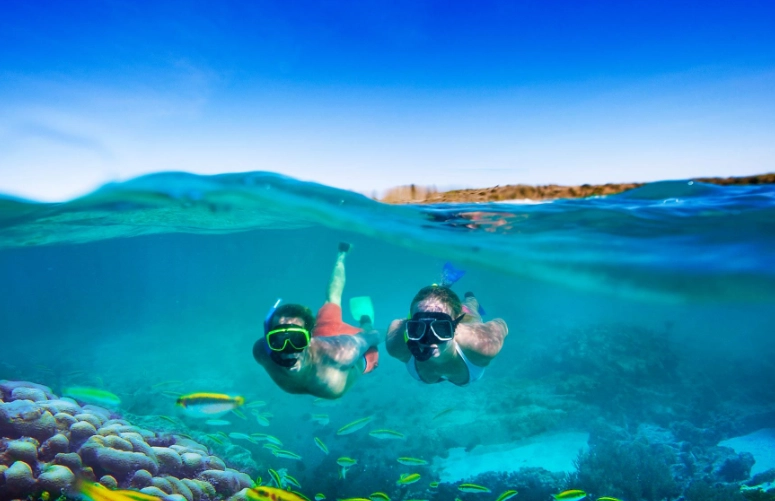
Red Flag: If a local operator says a spot is "always calm," be skeptical. Ask specifically: "Is it calm in a [north/east/south/west] wind?" and "Is there a current at certain tides?" Their detailed answer will tell you they know their stuff.
Essential Gear & Tips for Calm Water Success
Even in calm water, the right gear makes all the difference.
- A Good Mask that Fits: This is non-negotiable. Foggy or leaking masks ruin the experience. Learn how to do a proper fit test (suck in gently without the strap; it should stay on your face).
- Consider a Full-Face Snorkel Mask (Cautiously): For absolute beginners who struggle with the separate mouthpiece, these can help. But buy a reputable brand with separate inhale/exhale chambers to prevent CO2 buildup. Never use a cheap, unbranded one.
- Don't Overlook a Flotation Device: A snorkel vest (often provided on tours) isn't just for non-swimmers. It lets you rest effortlessly without treading water. For kids, it's essential safety gear that lets them relax.
- Rash Guard & Reef-Safe Sunscreen: You float on your back a lot. Your back and the backs of your legs will fry. A long-sleeve rash guard is the best protection. For exposed skin, use a mineral-based, reef-safe sunscreen. Places like Hanauma Bay and many parts of Mexico now mandate it.
The goal is to be so comfortable and safe that you can forget about your equipment and just watch the parrotfish munch on coral.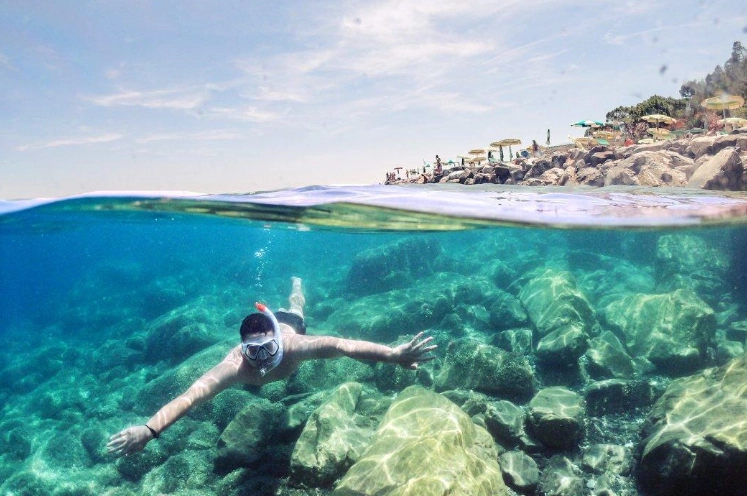
Your Calm Water Snorkeling Questions Answered
What's the biggest mistake people make when choosing a calm water snorkeling spot for the first time?
They assume "beach" equals "calm snorkeling." A beautiful, long sandy beach is often exposed to waves. You need to look for the specific geographical features I mentioned – bays, coves, protected reefs. A rocky point or headland often creates a calm area in its lee. Study the map, don't just pick the prettiest stretch of sand.
I get anxious even in pools. How can I try calm water snorkeling?
Start in a swimming pool with your gear. Just get used to breathing with your face in the water while holding the side. Then, for your first ocean try, pick a spot with a sandy bottom where you can stand up in chest-deep water, like Canon Beach at Pennekamp. Go on a day with literally zero wind. Your goal isn't to see amazing coral; it's to breathe comfortably for five minutes. That's a win. Consider a private guide who specializes in beginners – they provide immense psychological comfort.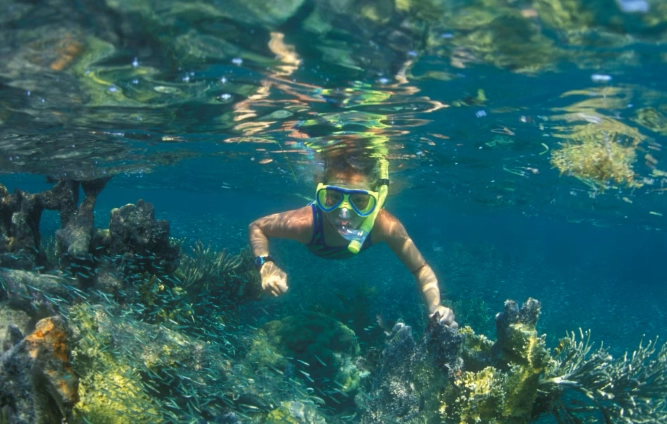
Are these calm spots still good for seeing interesting marine life, or are they boring?
This is a great misconception. Calm, shallow areas are often nurseries. You'll see different life: garden eels poking from the sand, schools of juvenile fish, sea cucumbers, maybe a resting ray. In mangroves, you see life at its most vulnerable and fascinating stage. It's not boring; it's intimate. You're seeing the ecosystem's foundation. For bigger fish, yes, you often need deeper water or drop-offs, but that's a trade-off for the ease and safety calm water provides.
How do I snorkel responsibly in these sensitive calm-water areas?
Calm water often means fragile environments. Never stand on coral or seagrass. Your fins can do a lot of damage in shallow water with a single kick. Practice finning with straight legs, not bent knees. Maintain neutral buoyancy (a snorkel vest helps). Do not touch or chase anything. The U.S. National Oceanic and Atmospheric Administration (NOAA) has excellent guidelines for responsible marine recreation. Your presence should be invisible.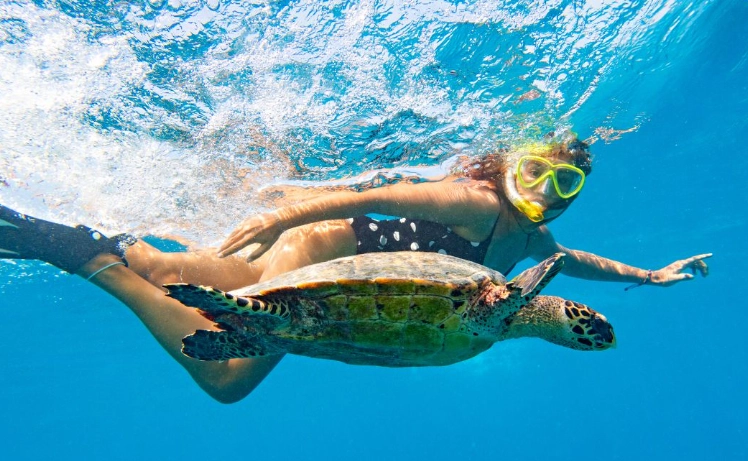
Can I take my 5-year-old to a calm water snorkeling spot?
Yes, but with managed expectations. At that age, they might only be comfortable floating in a life vest, looking down with a mask for 30 seconds at a time. That's okay! Choose a spot with very warm water, a sandy entry with no waves, and maybe some visible fish close to shore. Make it a game. The goal is a positive association with the ocean, not a marathon snorkel session. A place like the lagoon at Molokini Crater (off Maui) on a calm day is ideal, but even a protected beach pool can work.
The ocean doesn't have to be a challenge to be enjoyed. Calm water snorkeling spots are the open door for millions to discover the wonder beneath the surface. By choosing the right location, respecting the environment, and gearing up for comfort, you're not missing out on the "real" snorkeling – you're engaging with it in the most sustainable and enjoyable way possible. Now go find your own placid patch of ocean.
Reader Comments