Your Snorkeling Journey Map
- Why Bother with a Guide? Can't I Just Go Alone?
- Top National Parks for an Unforguided Snorkeling Adventure
- How to Pick the Right Guided Snorkeling Tour (And Not Get Ripped Off)
- The Safety Talk: No One Likes It, Everyone Needs It
- Gear: What to Bring (And What the Guide Should Provide)
- Your Questions, Answered (The Real Stuff)
- The Bigger Picture: Snorkeling as a Conservation Act
Let's be real for a second. You've seen those stunning photos online—crystal clear water, vibrant coral reefs, sea turtles gliding past. The idea of snorkeling in a national park sounds like a dream, right? But then the doubts creep in. Is it safe? Where do I even go? Do I need a guide, or can I just wing it? I had all those same questions before my first trip.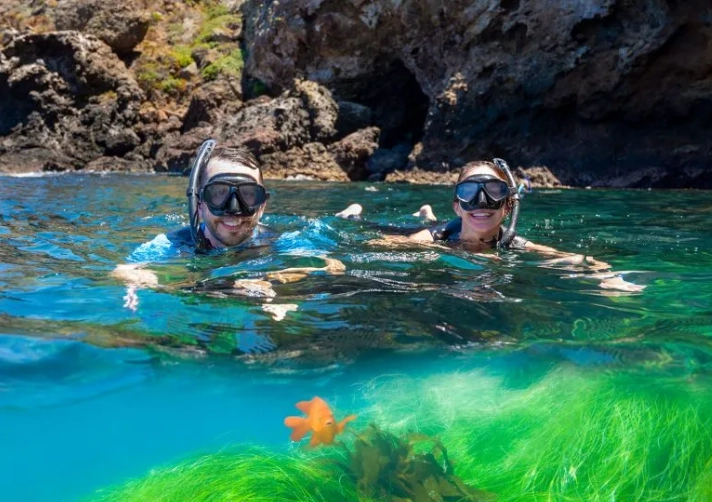
I remember standing on the shore of a lake in a famous park, mask in hand, feeling completely overwhelmed. The water looked deep. The currents were a mystery. I was a decent swimmer but had zero clue about reading aquatic environments. That's when I spotted a park ranger leading a small group into the water. They looked confident, prepared. That day, I learned the immense value of guided snorkeling in national parks. It wasn't just a tour; it was an education and a safety net rolled into one.
This guide is everything I wish I'd known back then. We're going to move past the glossy brochures and get into the nitty-gritty: the best parks, how to pick a guide, what it really costs, and how to not be "that person" who stresses out the marine life. Forget generic advice. This is practical, from-the-ground (or should I say, from-the-water) knowledge.
Why Bother with a Guide? Can't I Just Go Alone?
This is the biggest question people have. National parks are public land, so why pay for a guide? I used to think the same way. Here's the blunt truth I discovered: snorkeling in these protected environments is a different ball game compared to your local beach.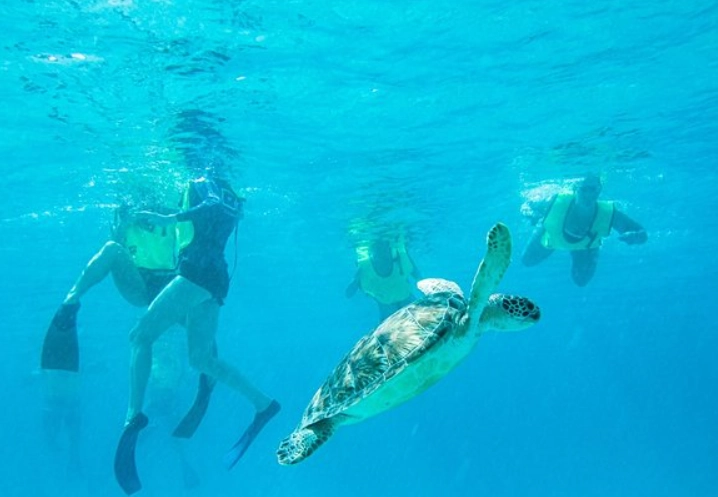
First, safety. Parks like Channel Islands or Biscayne have currents that can change in an instant. A certified guide knows these waters intimately—where the rip currents form, where the waves get rough, which coves are sheltered. They're trained in first aid and rescue. When you're bobbing around in the ocean, that peace of mind is priceless. I once saw a sudden fog roll in at Isle Royale; our guide had us back to shore using a compass bearing before visibility dropped to zero. I would have been paddling in circles.
Then there's the ecological knowledge. A good guide doesn't just point at fish. They explain the entire ecosystem. Why is that kelp forest so dense? What's the relationship between the sea urchins and the otters? On a guided snorkel in Virgin Islands National Park, our guide whispered, "Slow down, look under that ledge." There was a sleeping nurse shark. Instead of panic, we got a five-minute lesson on their docile nature. Alone, I might have freaked out and kicked the coral trying to get away.
Let's talk money for a sec. Yes, guided tours cost more than renting gear yourself. But consider what you're buying: expertise, safety, and often top-quality equipment that fits properly. A leaky mask can ruin your whole experience. I learned that the hard way on a cheap solo rental.
Finally, access. Some of the best snorkeling spots in national parks are only reachable by boat, and many park-authorized concessionaires hold the permits for those trips. Booking a guided tour is often your only ticket to these hidden gems.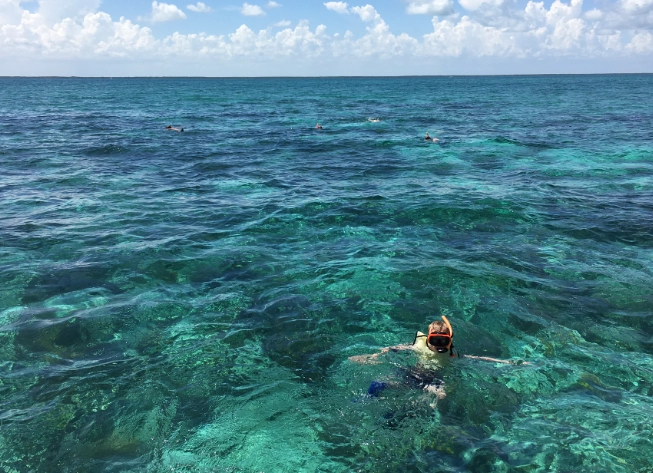
Top National Parks for an Unforguided Snorkeling Adventure
Not all parks are created equal for snorkeling. Some are world-class, others are more of a pleasant dip. Based on biodiversity, water clarity, and the quality of available guided programs, here are my top picks.
For Breathtaking Coral Reefs: The Heavy Hitters
If your dream involves neon-colored fish and elaborate coral cities, head here.
Virgin Islands National Park (St. John): This is snorkeling paradise. The water is warm year-round, and the reefs are accessible right from beaches like Trunk Bay and Cinnamon Bay. The park's official snorkeling page has great maps, but a guide can take you to less-crowded spots like Waterlemon Cay. The guided trips here often focus on reef ecology and conservation—super insightful.
Biscayne National Park (Florida): Over 95% of this park is water! The coral reefs here are part of the third-largest barrier reef system in the world. You need a boat to get to them. The park's official concessionaire, for instance, offers guided snorkel tours that are the only way for most visitors to experience the incredible marine life, including majestic elkhorn coral. It's a full-day commitment but utterly transformative.
National Park of American Samoa: This is the deep cut for serious enthusiasts. It's remote, which means pristine, untouched reefs. The cultural component is huge here. Guided experiences often incorporate Samoan perspectives on the ocean and its resources. It's not a trip you just tack on; it's a destination in itself.
For Unique & Unexpected Ecosystems
These parks offer something you truly can't find anywhere else.
Channel Islands National Park (California): The water is colder, requiring a wetsuit, but the payoff is immense. You're snorkeling in a giant kelp forest. Swimming through sun-dappled corridors of giant kelp feels like flying through an alien rainforest. Sea lions are incredibly curious here. I've had them zoom past my mask, upside down, making eye contact. Guided tours from Ventura or Santa Barbara provide all the gear and know the islands (like Anacapa or Santa Cruz) with the best conditions.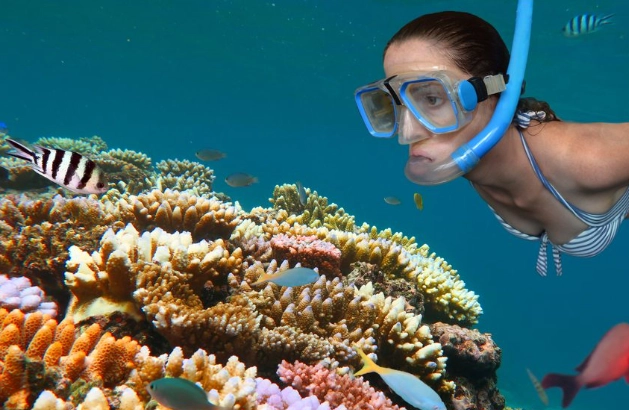
My Channel Islands story: On my first guided trip there, the cold took my breath away. Literally. I gasped. Our guide, seeing my panic, calmly said, "Just float. Breathe slow. Look down." Once I relaxed, I saw the kelp swaying, the garibaldi fish glowing orange. It was magical. I never would have pushed past that initial shock on my own.
Dry Tortugas National Park (Florida): The adventure is in the journey—a long ferry or seaplane ride from Key West. The fort is amazing, but the snorkeling around the moat walls and nearby reefs is spectacular. The water clarity is insane. Guides are essential here because of the remote location and strong currents. They'll show you the shipwrecks and coral heads teeming with life.
Isle Royale National Park (Michigan): Who thinks of snorkeling in a Great Lake? The shipwrecks in this park are preserved in the cold, fresh water like time capsules. Guided snorkeling here is less about tropical fish and more about history and geology. You'll see wooden schooners from the 1800s, perfectly intact. It's eerie and beautiful. The water is very cold, so a proper, thick wetsuit is non-negotiable.
The Honorable Mentions (Still Fantastic)
Haleakalā National Park (Hawaii): While most snorkeling is in the associated marine areas rather than the volcanic summit, guides on the island of Maui offer combo tours that discuss the connection between the volcano's creation and the coastal ecosystems. It's a holistic Hawaiian experience.
Glacier Bay National Park (Alaska): This is for the truly adventurous. The water is freezing, and you need a drysuit (not a wetsuit). But guided snorkeling here lets you see a cold-water ecosystem: kelp, sea stars, and maybe even a curious seal. It's a bragging-rights kind of activity.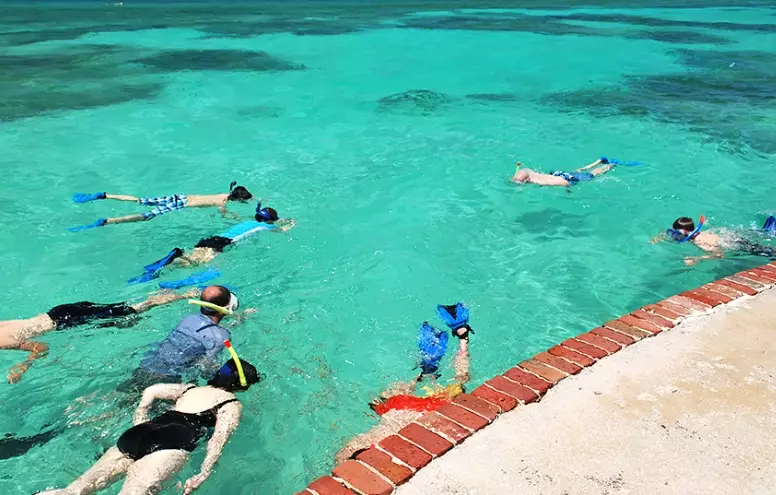
| National Park | Best For | Water Temp | Guide Essential? | Skill Level |
|---|---|---|---|---|
| Virgin Islands NP | Coral Reefs, Ease of Access | Warm (78-84°F) | Highly Recommended | Beginner to Advanced |
| Biscayne NP | Vast Coral Reefs, Boat Access | Warm (75-85°F) | Required for reefs | Intermediate |
| Channel Islands NP | Kelp Forests, Marine Mammals | Cool (55-70°F) | Highly Recommended | Intermediate |
| Dry Tortugas NP | History, Crystal Clear Water | Warm (78-84°F) | Required | Intermediate |
| Isle Royale NP | Freshwater Shipwrecks | Cold (40-65°F) | Required | Advanced Beginner+ |
See what I mean? The context changes everything. A guided snorkeling tour in Dry Tortugas National Park is a logistical operation. A guided snorkel in Virgin Islands National Park is a relaxed, educational swim. You've got to match the park to your expectations.
How to Pick the Right Guided Snorkeling Tour (And Not Get Ripped Off)
Okay, you've picked a park. Now you're staring at a dozen tour operators online. They all look the same. How do you choose?
First, check if they are an official park concessionaire or have a special use permit. This is the golden ticket. It means they are vetted by the National Park Service (NPS), follow strict safety and environmental rules, and their guides are often held to a higher standard. The park's official website will usually list these authorized operators. For example, the Biscayne National Park guided tours page lists its official providers.
Don't just look at the price; look at what's included.
- Gear: Is it high-quality? Does the price include a wetsuit if needed? (In cooler waters, this is a must). Do they offer prescription masks? Ask!
- Group Size: This is huge. I avoid tours that promise "small groups" but then stuff 20 people in the water with one guide. Look for explicit caps—8-10 people per guide is ideal. You get more personal attention and less crowd chaos.
- Guide Credentials: Are they certified lifeguards? Wilderness First Responders? Marine biologists? A guide's bio can tell you a lot. I lean towards tours where the guides have a clear educational or conservation background.
Pro Tip: Call them. Seriously. Email is fine, but a quick phone call tells you a lot. How do they answer questions? Are they patient? Do they sound knowledgeable about the park's specific conditions that week? A good operator will be happy to talk.
Read reviews, but read them critically. Look for reviews that mention safety protocols, guide knowledge, and how the company handled less-than-ideal conditions (like rough water). A bunch of five-star reviews that just say "fun!" aren't as helpful as a four-star review detailing the experience.
What's their environmental policy? Do they talk about reef-safe sunscreen (which is mandatory in some parks like Virgin Islands)? Do they practice "no touch, no trace" principles? A reputable operator for guided snorkeling in national parks will champion these practices.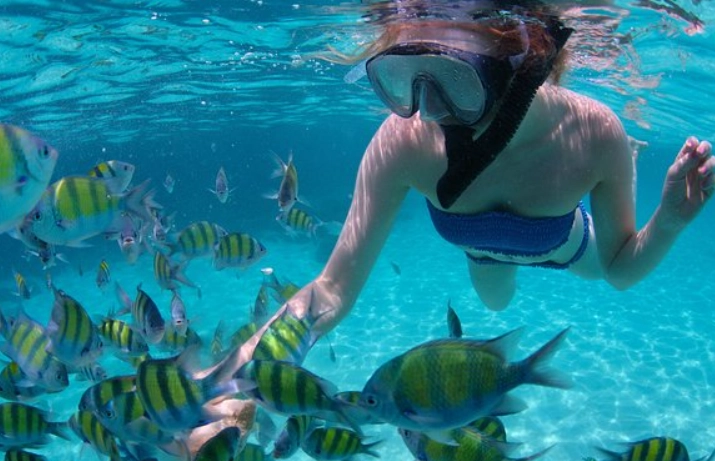
The Safety Talk: No One Likes It, Everyone Needs It
I'm not here to scare you, but drowning is a real risk. The NPS has clear snorkeling safety guidelines that everyone should read. A good guide will cover this, but you should know it too.
- Be Honest About Your Swimming: You don't need to be Michael Phelps, but you must be comfortable in deep water and able to tread water/tread water calmly for extended periods. If you panic in a pool, open water isn't the place to start.
- Listen to the Briefing: I know, you're excited. But when the guide points out the entry/exit point, the current direction, and the hand signals, listen. This info is your roadmap.
- Buddy System: Never wander off. Stay with your buddy and within sight of the guide.
- Conserve Energy: Snorkeling is deceptively tiring. Use your fins efficiently, float often, and don't fight the current. If you're tired, signal to your guide and get on the floatation device (they should have one).
- Respect Wildlife: This is their home. Never chase, touch, or feed animals. A guide will enforce this, but it's on you too. Touching coral can kill it. Harassing a sea turtle is illegal.
A guided tour massively mitigates these risks, but it doesn't eliminate your personal responsibility.
Gear: What to Bring (And What the Guide Should Provide)
Even on a guided tour, you need to pack smart.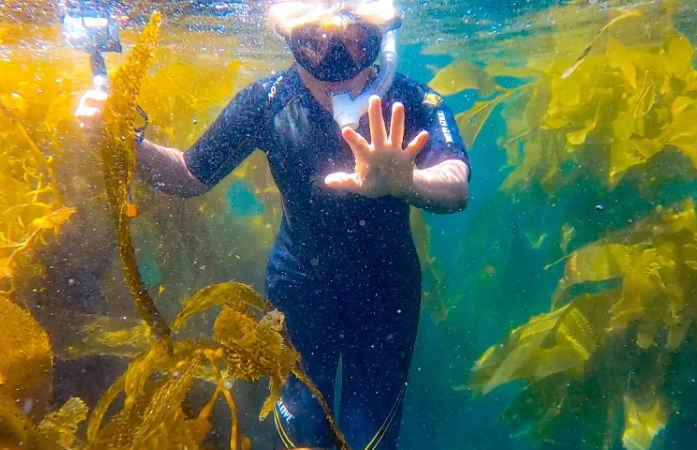
Your Must-Pack List:
- Reef-Safe Sunscreen: Not a suggestion, a rule in many parks. Look for zinc oxide or titanium dioxide-based, non-nano formulas. Put it on before you put on your wetsuit.
- Swimsuit: Wear it under your clothes to the dock.
- Water & Snacks: Snorkeling is exercise. Hydrate. Most tours provide water, but bring your own bottle.
- Quick-Dry Towel & Change of Clothes: You will be soggy afterwards.
- Waterproof Camera or GoPro: If you want photos. Ask the guide about responsible distance from wildlife.
- Sea-Sickness Meds: If you're prone to motion sickness and the tour involves a boat ride, take them preventatively, as directed on the bottle.
What the Tour Should Provide: A properly fitted mask, snorkel, fins, and a flotation device (snorkel vest or pool noodle). In cooler water parks, a wetsuit of appropriate thickness should be included in the price. Don't be afraid to ask for a different size if something doesn't fit right. A leaky mask is misery.
Your Questions, Answered (The Real Stuff)
The Bigger Picture: Snorkeling as a Conservation Act
This is the part that changed my perspective the most. When you participate in guided snorkeling in national parks, you're not just a tourist. You're a witness and a supporter. The fees you pay for permits and tours fund conservation work. Your guide is training you to be a better ocean steward.
You'll learn about threats like coral bleaching, pollution, and invasive species. Organizations like the Coral Reef Alliance work on these issues globally. A good guide connects the dots between what you see in the water and these global efforts.
You leave with more than photos. You leave with understanding. And hopefully, the desire to protect these places. That's the real value of a great guided experience. It turns a vacation activity into something meaningful.
So, is it worth it? From someone who started out skeptical and is now a total convert: absolutely. Do your research, pick a reputable guide, listen, learn, and float. The underwater world of our national parks is waiting, and it's even more incredible when you truly see it.
Just remember to breathe slowly.
Reader Comments