Quick Navigation
Let's be honest. After an amazing day in the ocean, the last thing you want to do is spend time cleaning your gear. You're tired, maybe a bit sun-kissed, and you just want to crash. I've been there. I used to give my mask and snorkel a quick rinse under the hotel tap and call it a day. Big mistake. A few trips later, I was greeted by a faint but unmistakable mildew smell and some cloudy, degraded silicone. That's when it hit me: cleaning snorkeling equipment isn't just about hygiene; it's about protecting a real investment and ensuring every future dive is as good as the first.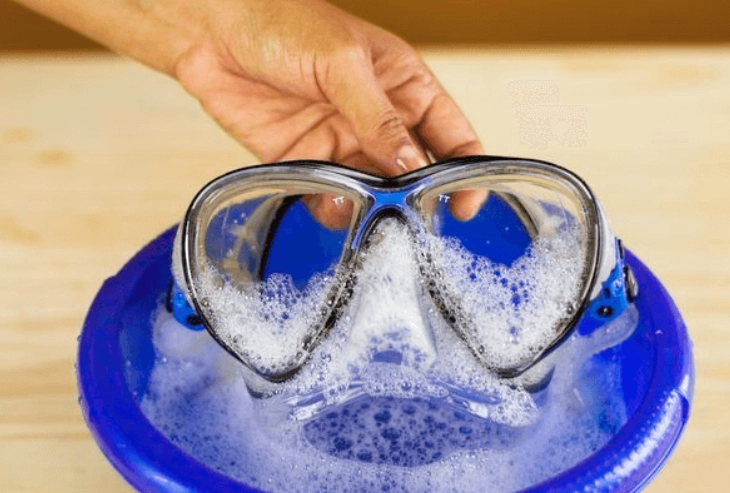
This isn't about following a rigid, complicated ritual. It's about understanding the why behind the steps, so the process becomes second nature. Whether you're a casual vacation snorkeler or someone who hits the water every weekend, a proper cleaning routine will make your gear last years longer, perform better, and most importantly, keep you safe from nasty bacteria or fungi that love to grow in damp, dark places (like the inside of a forgotten snorkel tube).
Why Bother? The Real Cost of Skipping the Clean
You might think saltwater is clean. It's the ocean, right? Well, it's also full of microorganisms, minerals, and other stuff that, when left to dry on your gear, starts a process of decay. Here’s what happens when you neglect cleaning snorkeling equipment:
- The Foggy Mask Forever: That oily film from your skin and sunscreen bakes onto the lens. No amount of spit or defogger will work properly once that layer is permanently etched. Your view of the underwater world stays blurry.
- The Stink: Organic matter (think: your breath, a bit of saliva, ocean plankton) sits in the snorkel's valve or the mask's skirt. It decomposes. The result is a foul, swampy odor that no amount of soaking can fully erase once it sets in.
- Premature Breakdown: Salt crystals are abrasive. Dried salt on silicone skirts, rubber straps, and plastic buckles makes them brittle. Silicone loses its elasticity, leading to cracks and leaks. A $150 mask fails in a couple of seasons instead of a decade.
- Health Risks: This is the big one. Warm, moist equipment is a paradise for bacteria like Pseudomonas and fungi. Inhaling from a contaminated snorkel or pressing a bacteria-laden mask skirt against your face can lead to sinus infections, skin rashes, or worse. Respiratory infections from dirty gear are a real, documented thing in water sports.
So, cleaning isn't just maintenance. It's preventative medicine for both you and your gear.
My Personal Low Point: I once left a wetsuit and snorkel set in a sealed bag, damp, for about three weeks after a trip. When I opened it, the smell was so bad it made my eyes water. The silicone on the mask had visible white mildew spots. I had to throw the whole set away. A $300 lesson learned the hard way. Don't be me.
The Step-by-Step: Your Post-Snorkel Ritual
This is your core routine. Do this every single time you get out of the water, whether it's saltwater or freshwater (yes, lakes and rivers have their own gunk).
Step 1: The Immediate Rinse
As soon as you're done, find a source of fresh, cool water. A hose, a shower, a bucket—anything. Do not use hot water. Hot water can warp plastic and set stains. Rinse every single part thoroughly. Run water through the snorkel tube. Flush out the purge valve if your snorkel has one. Rinse the inside and outside of the mask, paying special attention to the skirt folds and the lens frame. Get the strap and buckle too. This step is about removing salt, sand, and immediate debris. It takes two minutes, max.
Step 2: The Gentle Wash
Now, for a slightly deeper clean. Fill a basin or a sink with fresh, cool water. Add a tiny amount of a mild, non-abrasive cleaner. What do I use? Honestly, unscented baby shampoo is the gold standard for many divers. It's gentle, effective at cutting oils and sunscreen, and rinses completely without residue. Dish soap can work in a pinch, but make sure it's mild and rinse it like crazy—suds in your mask on the next dive are a nightmare.
Submerge your gear. Use your fingers to gently wipe down all surfaces. For the mask lens, use your bare fingertips in a circular motion. Never, ever use a rough cloth, paper towel, or any abrasive material on the lens. You will scratch it permanently. A soft microfiber cloth designed for glasses is okay for gentle drying later, but not for scrubbing.
Step 3: The Rinse (Again) and Disinfect (Occasionally)
Rinse everything again under running water until all soap is gone. No bubbles.
Now, about disinfecting. You don't need to do this after every single snorkel. But you should do it periodically, especially after lending gear to someone, if you've been in water you don't fully trust, or if you're storing it for a while.
A simple and effective disinfectant solution is a mix of one part white vinegar to three parts cool water. Soak your mask (without the strap) and snorkel for 15-20 minutes. Vinegar kills microbes and dissolves mineral deposits. Then, rinse thoroughly with fresh water. The Professional Association of Diving Instructors (PADI) often recommends mild solutions like this for general gear care. For a deeper dive on equipment care from a training perspective, you can check resources on the PADI website.
Step 4: The Critical Dry
This is where most people fail. Drying must be complete and in the right conditions.
- Shake it out: Vigorously shake your snorkel and mask to get rid of excess water droplets.
- Air Dry: Lay your gear out in a well-ventilated, shaded area. Never, ever dry your snorkeling equipment in direct sunlight. UV radiation is the number one enemy of rubber, silicone, and plastic. It causes rapid degradation, fading, and cracking. A shaded patio, a garage, or a room with a fan is perfect.
- Position Matters: Don't just toss your mask on a table. Rest it on its side or hang it so air can circulate inside the skirt. Hang the snorkel by its mouthpiece so any remaining water can drain out of the tube.
Pro Tip: I keep a small, clean microfiber towel in my gear bag just for a final gentle pat-down of my mask lens and skirt after the air dry. It ensures zero water spots and gives me a chance to inspect for any issues before storage.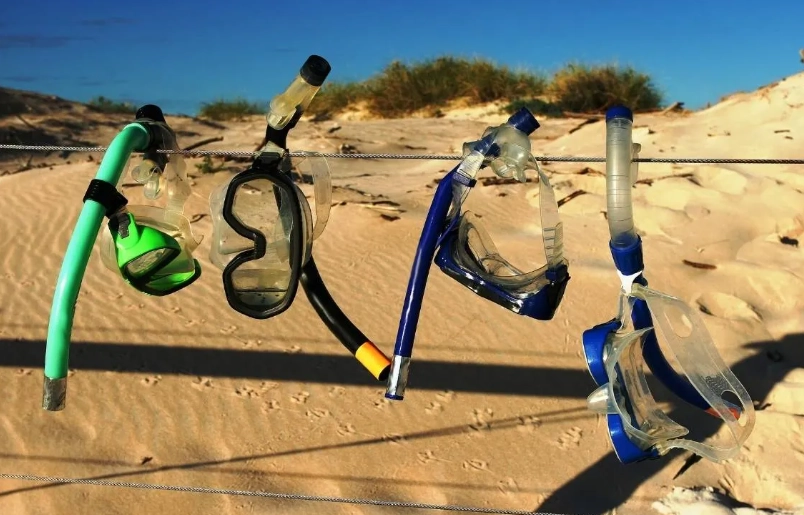
Material Matters: Tailoring Your Approach
Not all gear is made the same. Knowing what you're dealing with changes your cleaning snorkeling equipment strategy slightly.
| Material | Found On | Care Focus | What to Avoid |
|---|---|---|---|
| Silicone | Mask skirt, snorkel mouthpiece, fin straps | Gentle soap, thorough rinsing. Silicone is durable but can hold odors. | Petroleum-based products, direct sunlight, sharp objects. Don't store tightly folded. |
| Tempered Glass | Mask lens | Finger-only cleaning. Rinse immediately after use to prevent salt/sand etching. | ANY abrasive cloths, paper towels, harsh chemicals. Never place lens-down on a hard surface. |
| Plastic/Polycarbonate | Snorkel tube, mask frame, buckles | Cool water rinses. Can be disinfected with mild vinegar solution. | Hot water (can warp), strong solvents like acetone or alcohol. |
| Rubber (Natural) | Older fin straps, some snorkel parts | Gentle care, dry thoroughly. Degrades faster than silicone. | Ozone (from electric motors), extreme heat, UV light. Check for dry rot. |
Storage: The Final, Forgotten Step
How you store gear between trips is just as important as how you clean it. The goal is a cool, dark, dry, and well-ventilated space.
- No Plastic Bags! Storing damp gear in a sealed plastic bag is the #1 cause of mildew. If you must use a bag for transport, make sure everything is bone dry first, and use a mesh bag that breathes.
- Loosen Straps: Don't store your mask with the strap tightened. It puts constant stress on the silicone and can deform it over time. Leave it loose.
- Avoid Pressure: Don't pile heavy objects on top of your gear. Store your mask in its original protective box if you have it, or in a dedicated, padded case.
Think of it like putting your gear to bed. You want it relaxed and in a good environment.
Troubleshooting Common Problems
Even with great care, issues pop up. Here’s how to handle them.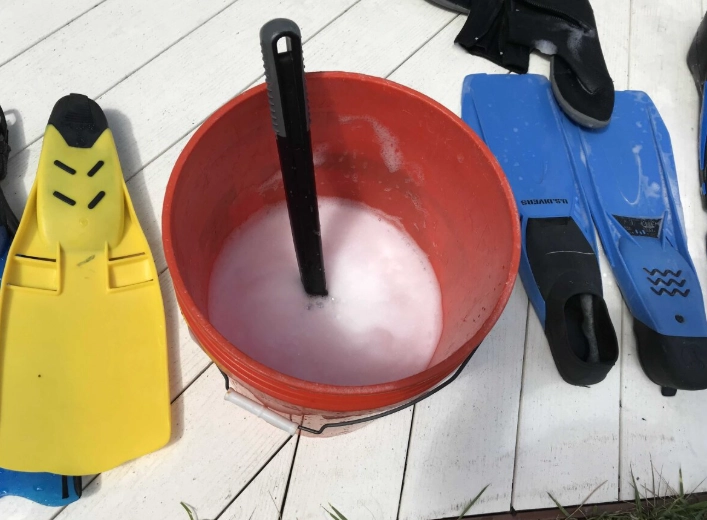
The Mildew and Stink Problem
If you already have a smelly snorkel, a simple rinse won't cut it. Make a stronger solution of 1:1 white vinegar and water. Soak the snorkel (and mask skirt if needed) for up to an hour. Use a flexible cleaning brush (they sell tiny ones for bottles) to gently scrub the inside of the tube. Rinse obsessively. For persistent smells, some divers use a diluted mouthwash soak, but rinse even more obsessively afterward. If the smell is truly baked in, the plastic may have absorbed it, and replacement might be the only option.
The Foggy Lens That Won't Clear
If your lens is permanently hazy from built-up oils, you need to gently remove the coating. Again, use a tiny drop of mild soap (baby shampoo) and rub the lens gently with your fingertips for several minutes. Rinse. If that fails, some people have success with a paste made from baking soda and water, applied with extreme gentleness and rinsed immediately. As a last resort for a lens you're ready to replace anyway, a very light rub with a non-gel toothpaste (the mild abrasive kind) might work. But this is risky and can scratch. I'd try the baby shampoo method five times first.
The Stiff or Sticky Silicone
Stiffness is often from UV damage and is usually irreversible. Stickiness, however, can sometimes be remedied. It's often caused by chemical contamination (sunscreen, bug spray, fuel). Try washing with a mild dish soap, rinsing, then dusting with pure talcum or cornstarch powder. Rub it in gently and wipe off the excess. This can sometimes restore a less-tacky surface.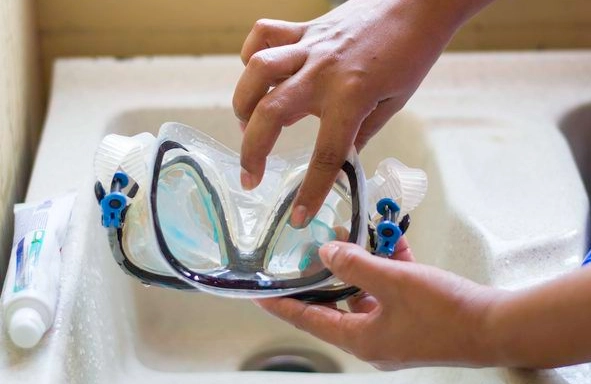
Your Cleaning Snorkeling Equipment Questions, Answered
Putting It All Together: A Simple Checklist
Feeling overwhelmed? Don't be. Here’s the distilled version. Print this out and stick it in your gear bag.
- Rinse thoroughly with cool, fresh water immediately after use.
- Wash gently with mild soap (baby shampoo) and fingertips.
- Rinse all soap away completely.
- Disinfect with a mild vinegar solution every few uses or before storage.
- Dry COMPLETELY in shade with good air flow.
- Store loose, relaxed, in a cool/dark/dry place (not a sealed bag).
That's it. That's the secret to gear that lasts forever, performs flawlessly, and never embarrasses you with a funky smell.
Look, I know it seems like a chore. But once you make it a habit—part of the relaxing unwind after a day on the water—it becomes effortless. The payoff is huge. You save money. Your gear feels better on your face (no stiff, salty straps). Your view is crystal clear. And you have the peace of mind that you're not exposing yourself to unnecessary health risks.
Cleaning snorkeling equipment properly is the ultimate sign of a snorkeler who respects the sport, their own safety, and their wallet.
Now, go enjoy the water. And when you get out, spend those five minutes. Your future self, staring through a perfectly clear mask at a parrotfish on your next vacation, will thank you.
Reader Comments