Quick Navigation
So you're thinking about snorkeling with manta rays. That's amazing. It's one of those bucket-list experiences that people dream about for years. I remember my first time – the mix of excitement and a tiny knot of nervousness in my stomach. The big question, the one that probably brought you here, was front and center in my mind too: is it safe to snorkel with manta rays?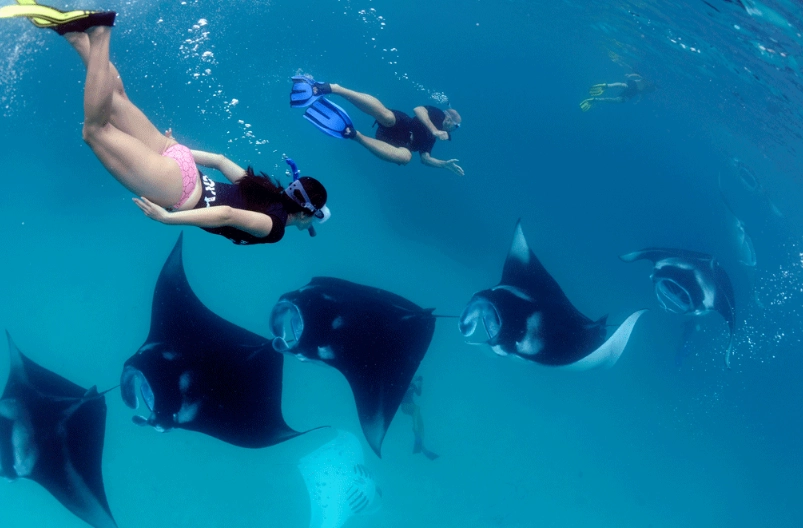
Let's cut right to the chase. For the vast majority of people, following basic guidelines, the answer is a resounding yes. It's considered one of the safer large marine animal encounters. But – and this is a big but – "safe" doesn't mean "risk-free." Your safety hinges almost entirely on two things: your own behavior and the professionalism of the tour operator you choose.
This isn't just a quick yes or no article. We're going to dig deep. We'll look at why manta rays are generally not a threat, the real risks you should be aware of (some might surprise you), and a step-by-step guide on how to ensure your experience is as safe as it is magical. I'll share some stories, point out things I wish I'd known earlier, and give you the tools to make an informed decision.
Understanding the Manta Ray: Biology and Behavior is Key to Safety
You can't really talk about safety without understanding what you're dealing with. Manta rays aren't just random big fish; they have a specific biology and behavior that directly answers the core question, "is it safe to snorkel with manta rays?"
First, the anatomy. Mantas are elasmobranchs, related to sharks and stingrays. But here's the crucial difference: they have no barb, no stinger, and no teeth designed for biting or chewing. Their mouths are massive, but they're filter feeders. They swim with their mouths open to scoop up tiny plankton. A human is not, and will never be, on their menu. Think of them as the gentle, soaring giants of the ocean, more like underwater birds of prey (but for microscopic food).
Quick Fact: There are two main species – the giant oceanic manta ray (Manta birostris) and the smaller reef manta ray (Manta alfredi). Reef mantas are more commonly encountered at popular snorkeling sites. Both are equally harmless to humans.
Their behavior is equally important. Mantas are known to be curious and intelligent. Studies, like those referenced by the Manta Trust, a leading conservation and research organization, suggest they may even recognize individual divers and snorkelers over time. They often approach boats and people out of curiosity. They are not aggressive hunters. In fact, they have few natural predators besides large sharks and orcas.
I've been on dives where a manta will circle back, look you right in the eye (they have the largest brain-to-body ratio of any fish), and then gracefully glide away. It's an intelligence you can feel. This curiosity is often mistaken for something else, but it's key to understanding the dynamic. They're checking you out, not sizing you up for dinner.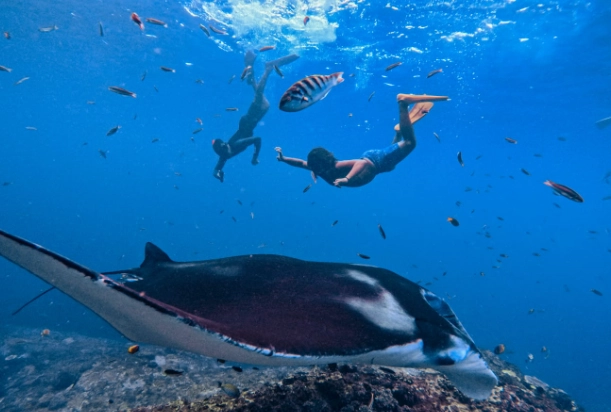
The Core of Safety: Why Manta Rays Are Not Inherently Dangerous
Let's break down the specific reasons why the animal itself poses minimal direct threat.
- No Physical Weaponry: As mentioned, no barbs, no sharp teeth. Their primary defense is their size and speed to swim away.
- Diet: 100% plankton. You are not plankton. End of story.
- Disposition: They are generally passive and non-territorial. They don't guard nests or food sources in a way that would trigger aggression.
- Flight over Fight: Their instinct is to avoid conflict. A startled manta will almost always bolt, not charge.
This is why reputable marine biologists and guides consistently rank manta ray encounters as low-risk compared to interactions with many other large marine animals. The risk isn't from a predatory attack; it's from accidental contact or human error.
Risk Factors: What Can Make Snorkeling Unsafe?
Okay, so the manta itself is gentle. The risks, then, come from the environment and from us. This is the part many blogs gloss over. When people ask is it safe to snorkel with manta rays, they need to know these practical hazards.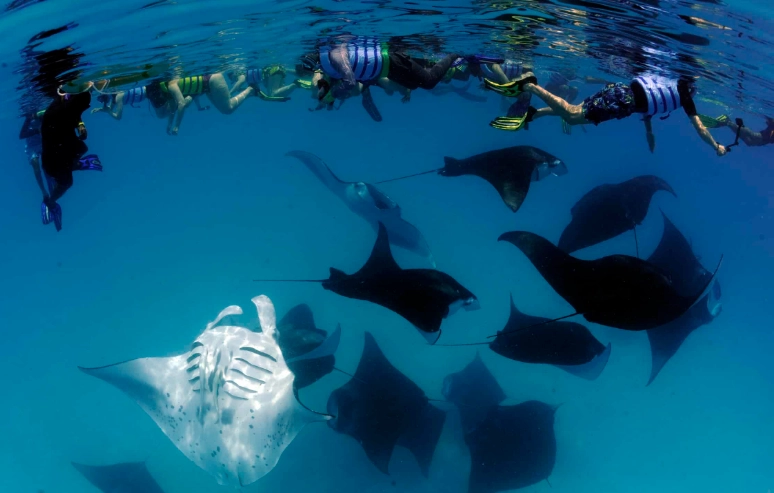
Environmental and Situational Risks
Ocean Conditions: This is the big one. Manta ray snorkeling often happens at night (when plankton gathers under lights) or in specific channels. Currents can be strong. Waves can be choppy. If you're not a confident swimmer or snorkeler, the ocean itself is your primary challenge. I've seen people so focused on the mantas they forget to monitor their position and drift away from the group. A good operator will brief you on this.
Accidental Contact: Mantas are big. A giant oceanic manta can have a wingspan over 7 meters (23 feet). In their enthusiasm or while feeding, they can come very close. The risk isn't a bite, but an accidental bump or swipe from a powerful wing (pectoral fin). This can startle you, knock your mask off, or in rare cases, cause a bruise. It's like being bumped by a large, soft underwater kite – surprising, not malicious.
The Manta's Skin: This is a fascinating one. Manta ray skin is covered in tiny, tooth-like denticles. It feels like coarse sandpaper. A light, gentle touch is fine. But if a manta rubs against you with force (which they sometimes do, possibly to remove parasites), it can cause a significant abrasion or "manta burn." It's not an attack; it's more like a bad rug burn from a very large, sandpapery creature.
Warning: The most dangerous creature in the water is often other humans. Panicked snorkelers who kick wildly, grab onto others, or fail to listen to the guide create hazardous situations for everyone. Your own calmness is a critical safety tool.
Human-Induced Risks (The Bad Tour Operator Problem)
This, in my opinion, is the single greatest variable affecting safety. Not all tour operators are created equal. A bad one cuts corners, overcrowds the site, gives poor briefings, and harasses the animals (which stresses them and makes their behavior less predictable).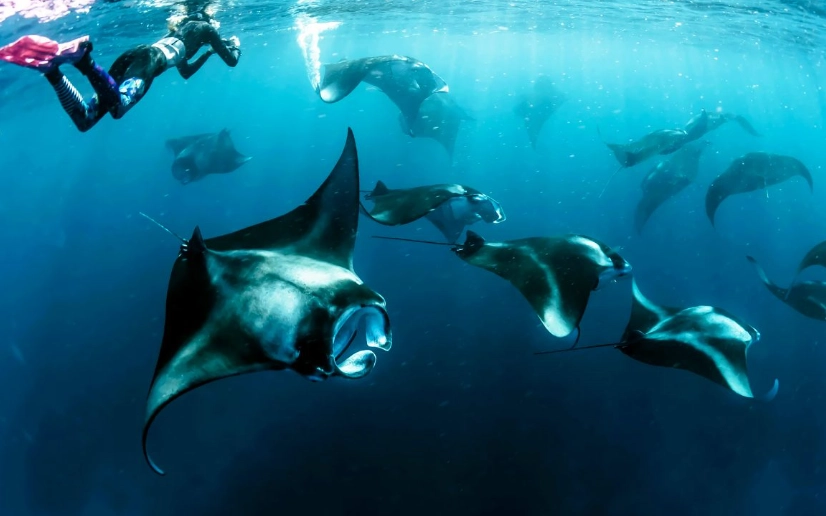
I once went on a cheaper tour in a popular destination (I won't name names) where there were far too many people in the water. The guides were shouting over each other, the mantas seemed agitated, and it felt chaotic and disrespectful. It was the opposite of the serene experience I'd hoped for, and it felt less safe. I left early. That experience taught me that your choice of operator is your primary safety decision.
How to Choose a Responsible and Safe Tour Operator
This is your most important homework. Do not just pick the cheapest option. Your safety and the quality of the experience depend on this. Here’s a checklist I now use religiously:
The Responsible Operator Checklist:
- Small Group Sizes: They should limit the number of snorkelers per guide (e.g., 6-8 people max per guide). Ask directly.
- Comprehensive Briefing: A thorough safety and etiquette talk BEFORE getting in the water is non-negotiable. It should cover hand signals, what to do if a manta comes close, how to manage your buoyancy, and emergency procedures.
- Code of Conduct: They should explicitly forbid touching, chasing, or surrounding the mantas. Look for operators who follow guidelines from organizations like Project AWARE or the Manta Trust.
- Guide Qualifications: Are the guides certified (e.g., PADI/SSI professional ratings) and experienced with manta rays? Do they seem knowledgeable and passionate about conservation?
- Safety Equipment: Do they provide adequate flotation devices (pool noodles, life vests) for those who need them? Is there a first aid kit and oxygen on the boat?
- Reputation: Read recent reviews on multiple platforms. Don't just look at the 5-star ratings; read the 3-star reviews to see what people complained about. Words like "chaotic," "crowded," or "unsafe" are huge red flags.
An operator that prioritizes animal welfare and guest education is almost always a safer operator. They understand the ecosystem and their role in it.
The Snorkeling Safety Protocol: A Step-by-Step Guide
Let's walk through what a safe snorkel should look like, from start to finish. Knowing this will help you assess any tour you're on.
1. The Pre-Departure Briefing: This is your bible. Listen. A good briefing will cover:
- Entry & Exit: How to get in/out of the water safely from the boat.
- The "Manta Parking Lot": You'll typically hold onto a floating surfboard or rope line with lights attached (for night snorkels). You keep your body horizontal, face down, and let the mantas come to the lights.
- Hand Signals: How to communicate with your guide (OK, problem, look, etc.).
- The Golden Rule – DO NOT TOUCH: Keep your hands to yourself, folded on the float or at your sides. This protects you from burns and protects the manta's delicate mucus coating, which shields it from infection.
- Buoyancy & Fin Use: Use slow, small fin kicks. No splashing or frantic movements. If you need to adjust position, signal your guide.
- What If...: What to do if a manta comes directly at you (usually, just stay still and let it pass over you). What to do if you get separated.
2. In the Water – The Safe Snorkeler's Mindset:
Stay with your group. Keep your eyes on your guide as much as on the mantas. Breathe slowly and calmly through your snorkel. If you feel panic rising, lift your head, look at the boat, and take deep breaths. It's okay to need a minute. If you're tired or cold, get out. Don't push your limits.
3. Post-Snorkel: Listen to the debrief. A good guide might talk about the individual mantas you saw (many are identified by belly spot patterns). Rinse your gear. Stay hydrated.
Following this protocol is the absolute best way to ensure that snorkeling with manta rays is safe for everyone involved – you, the other snorkelers, and the magnificent animals themselves.
Top Locations and How Their Safety Measures Compare
Safety standards can vary by location based on local regulations, operator culture, and site-specific conditions. Here’s a quick comparison of some major destinations.
| Location | Typical Encounter | Key Safety/Condition Notes | Regulation Level |
|---|---|---|---|
| Kona, Hawaii (USA) | Night snorkel with LED lights | Often strong currents. Operators are generally highly professional and regulated. Strict briefings. US Coast Guard-approved boats. | High |
| Ningaloo Reef, Australia | Daytime snorkel, sometimes from boats, sometimes from the beach | Generally calm lagoon conditions. Australian water safety standards are very high. Interaction codes are strictly enforced. | Very High |
| Maldives | Night or day snorkels at "manta points" | Can have strong channel currents. Operator quality varies widely – research is crucial. Some resorts run excellent, low-impact programs. | Medium (Varies) |
| Raja Ampat, Indonesia | Daytime snorkeling at cleaning stations | Remote location. Operators tend to be eco-focused but self-regulated. Conditions can be pristine but logistics more complex. | Medium (Community-led) |
| Isla de la Plata, Ecuador | Daytime snorkeling (seasonal) | Part of a national park. Tours are tightly controlled, with mandatory guides and briefings. Water can be cool and choppy. | High |
This table isn't exhaustive, but it shows a pattern. Places with strong national park systems or developed tourism industries (Hawaii, Australia) often have more consistent, enforced safety standards. In other places, the onus is more on you to pick a great operator.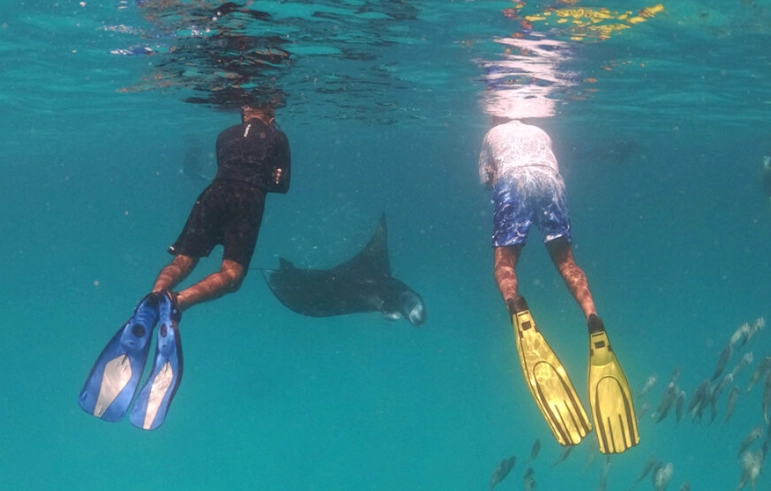
My personal safest-feeling experience was in Ningaloo. The guides were incredibly thorough, the conditions in the lagoon were like a swimming pool, and the whole operation felt seamless. It set the standard for me.
Frequently Asked Questions (The Stuff You're Really Wondering)
Both are very safe when done properly, but they offer different experiences. Snorkeling often happens at the surface with a float, which can be easier for beginners and less intimidating. Diving allows you to sit on the bottom and watch mantas at cleaning stations, which is incredible but requires certification. From a pure safety perspective, snorkeling has fewer variables (no depth, no buoyancy control devices), but diving with a reputable shop offers more direct guide supervision underwater. Choose based on your comfort and skill level.
Freeze. Seriously. Stay perfectly still, maybe even hold your breath for a second. Do not reach out. Do not swim away. The manta has incredible spatial awareness and will glide right over or around you. It's checking you out or following a plankton trail. Moving suddenly increases the chance of an accidental collision. I've had one pass so close its wingtip brushed my hair. It was startling but over in a second, and the manta didn't even change course.
Yes, both species are listed as Vulnerable to Endangered by the IUCN Red List, primarily due to bycatch and demand for their gill plates. This affects safety indirectly. Responsible operators who prioritize conservation are less likely to stress or harass the animals, leading to calmer, more predictable encounters. Supporting these operators is a safety and ethical choice. Stressed animals are less predictable, though mantas are still not prone to aggression.
Possibly, but you must be honest with yourself and the operator. Many tours provide large foam pool noodles or full life jackets. You can hold onto the float line with both hands and just kick lightly. The key is to communicate your needs clearly before booking and again with your guide. If the ocean is rough that day, a good guide might advise you to sit it out. There's no shame in that. Your safety and the group's safety come first.
Here's the final, nuanced answer. The manta ray itself is a gentle, non-threatening animal, making the biological risk extremely low. The activity's overall safety is "conditionally safe." It is safe if you are a competent snorkeler for the conditions, if you listen carefully and follow the rules, and most importantly, if you choose a professional, responsible tour operator that puts safety and animal welfare first. When those stars align, snorkeling with mantas isn't just safe; it's one of the most profoundly beautiful and awe-inspiring experiences our planet has to offer. Do your research, manage your expectations, respect the ocean and its inhabitants, and you'll be set for an unforgettable adventure.
I hope this deep dive has answered your questions, calmed your nerves, and given you a clear path forward. The ocean is a wild place, and we are visitors. But with knowledge and respect, we can have incredible, safe encounters that stay with us for a lifetime. Now go check those operator reviews, and get ready for some magic.
Reader Comments