Quick Guide to This Snorkeling Adventure
- Why Roatan is a Snorkeling Paradise (It's Not Just Hype)
- The Top Contenders: Best Snorkeling Spots in Roatan, Broken Down
- Snorkeling Tours vs. DIY: Which is Right for You?
- What You'll Actually See: A Roatan Marine Life Checklist
- When to Go & What to Bring
- Your Roatan Snorkeling Questions, Answered
- Making It Happen: Final Thoughts for an Unforgettable Trip
Let's cut right to the chase. You're thinking about a trip to Roatan, and the main draw is that crystal-clear Caribbean water. You've heard the rumors, seen the photos – a rainbow of coral, fish everywhere you look, visibility that feels endless. But where do you even start? The island has over 30 miles of coastline, and every local and tour operator will tell you their spot is the "best." It's enough to make your head spin.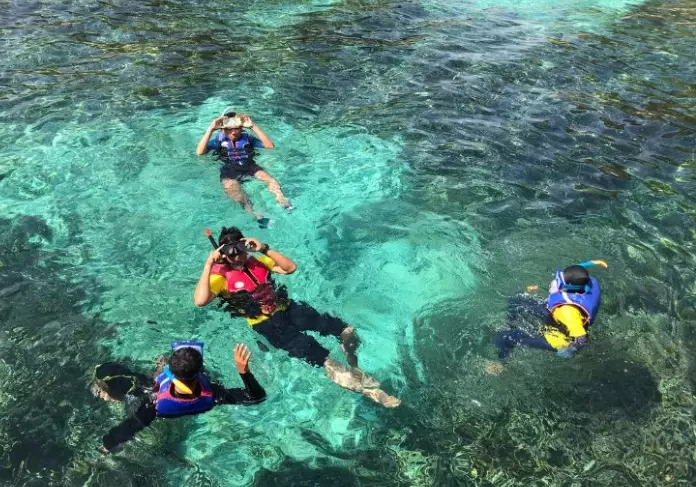
I've been there. I've booked the wrong tour, ended up on a crowded beach fighting for space with cruise ship passengers, and I've also had those magical, silent moments floating above gardens of coral so pristine it felt like a dream. The difference between a good snorkeling trip and the best snorkeling in Roatan experience often comes down to knowing a few key things the glossy brochures don't always tell you.
This isn't just a list of spots. It's the full picture – the secret spots you can swim to from shore, the boat tours that are worth every penny, the times to avoid the crowds, and the real talk about protecting the very reef you're coming to see. We'll dig into the marine life you can expect (get ready for turtles), the logistics, and even some personal blunders so you can avoid them.
Why Roatan is a Snorkeling Paradise (It's Not Just Hype)
Okay, so why all the fuss about this particular island? Roatan sits smack on the Mesoamerican Barrier Reef System, the second-largest coral reef system in the world after Australia's Great Barrier Reef. What does that mean for you? The reef is literally a stone's throw from the shore in most places. You don't need a long, choppy boat ride to get to world-class underwater scenery. In many areas, you can just walk off the beach, swim out 50-100 yards, and you're there.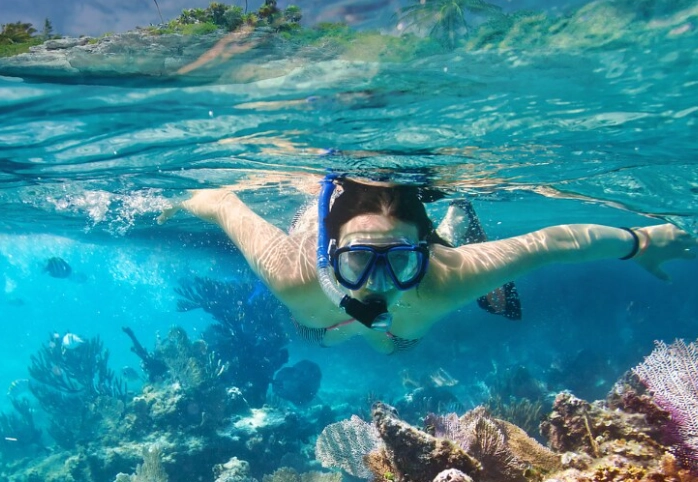
The water is consistently warm year-round (think 78-84°F or 26-29°C). The visibility is often spectacular, ranging from 60 to over 100 feet on a good day. But here's the thing that really sets it apart for snorkelers: the reef's structure. You have shallow coral gardens perfect for floating above, and then dramatic "walls" where the reef shelf drops suddenly into the deep blue. Swimming along the edge of a wall, looking down into the abyss, is an experience that borders on spiritual. You might see eagle rays gliding in the deep, schools of tarpon, or even the occasional curious reef shark far below.
It's accessible, it's vibrant, and it's right there.
The Top Contenders: Best Snorkeling Spots in Roatan, Broken Down
Let's get into the meat of it. Where should you go? I like to break it down into two main categories: spots you can access easily from the shore (great for freedom and budget), and spots that require a boat (often more pristine and diverse).
Shore Access Champions (Walk Right In)
These are the spots that give Roatan its reputation for easy, incredible snorkeling. You just need your gear, some reef-safe sunscreen, and you're golden.
West Bay Beach: This is the most famous beach for a reason. The reef runs parallel to the entire length of the beach, creating a protected, calm lagoon. The coral starts in water as shallow as 3-4 feet, making it fantastic for beginners and kids. You can spend hours exploring the intricate spur-and-groove formations. The area directly in front of the famous "rock" (you'll know it when you see it) is particularly dense with life. The downside? It can get very crowded, especially when cruise ships are in port at the nearby Mahogany Bay. My advice? Go early in the morning or later in the afternoon. The sand underfoot can be a bit rocky in places, so water shoes aren't a bad idea.
West End Wall (via Half Moon Bay): This is my personal favorite for a DIY snorkel adventure. Park or get dropped off in West End Village. From the main street, find the path down to Half Moon Bay. Swim straight out from the bay towards the moored boats. You'll first hit a sandy patch, then the reef starts. Keep swimming out just a bit further, and you'll hit the top of the West End Wall. The transition is incredible – one moment you're over a 15-foot coral garden, the next you're looking over the edge into seemingly bottomless blue. I've seen more turtles here than anywhere else on the island, just casually munching on sponges. The current can sometimes pick up along the wall, so be mindful of your stamina.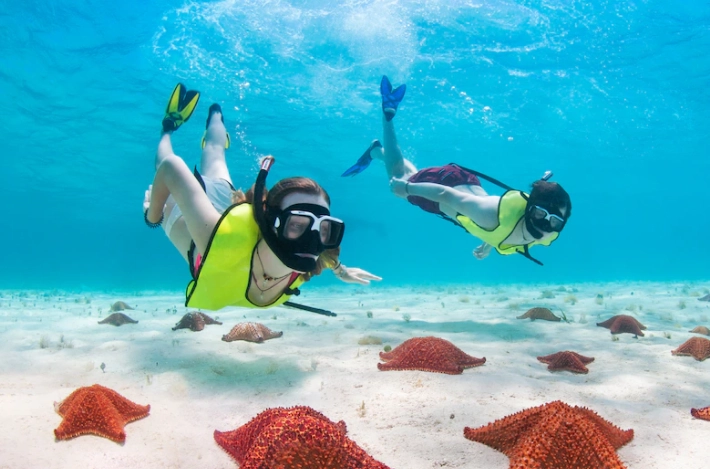
Tabyana Beach: Often mentioned in the same breath as West Bay (it's essentially a privately managed section of the same beach), Tabyana offers excellent, easy-access snorkeling. The reef is very close to shore and in great condition. The main advantage here is that access is sometimes limited to resort guests or tour groups, which can mean fewer people in the water compared to the public parts of West Bay. If you're not staying there, you might need to pay a day-pass fee or book a specific snorkel trip that includes access.
Boat-Access Gems (The Next-Level Spots)
To see some of the most spectacular and less-touched reefs, you'll need to hop on a boat. These spots are often further out, in marine protected areas, where the coral is healthier and the fish life is more abundant and diverse.
Blue Channel: A classic boat snorkel destination, and for good reason. It's a natural channel cutting through the reef, creating a stunning underwater landscape. You can snorkel along the edges of the channel, where the coral walls are decorated with huge sea fans, sponges, and black coral. The depth varies, offering something for everyone. It's a popular spot, so you likely won't be alone, but the area is large enough to spread out. I've had great encounters with schools of blue tangs and parrotfish here.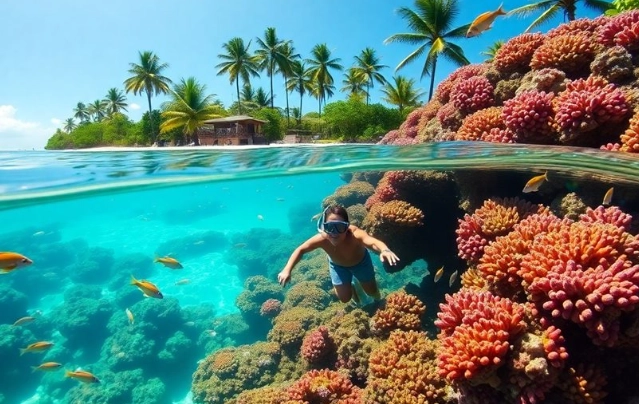
Cal's Cantina / Spooky Channel: This area, near the eastern end of the island, is less frequented by the big tour boats from the west. It's a series of canyons and swim-throughs that feel more adventurous. The name "Spooky" comes from the somewhat eerie, beautiful light that filters through the narrow channels. It's a bit more of a swim, and the topography is more dramatic than the gentle slopes of West Bay. You'll want to be a confident swimmer and have a guide who knows the area well to get the most out of it. This is where you go when you've done the easy spots and want something that feels more like an exploration.
Pablo's Place (Pablo's Reef): A bit of a hidden gem often included on tours from the Sandy Bay or West End area. It's a large, healthy reef patch with a famous resident: a massive, friendly green moray eel named Pablo (or so the legend goes). Whether you meet Pablo or not, the reef is covered in vibrant soft corals and attracts a huge variety of fish. It's usually very calm, making for a relaxed and immersive snorkel.
Snorkeling Tours vs. DIY: Which is Right for You?
This is a big decision point. Should you book a guided tour or just grab your mask and go? It depends entirely on your style, budget, and what you want to see.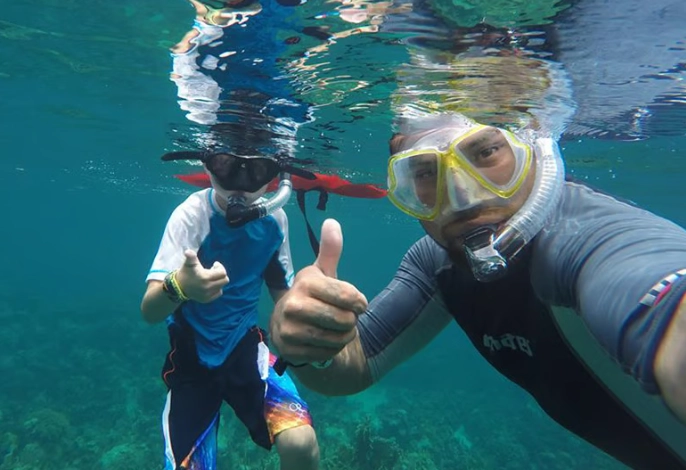
Going the DIY Route: This is perfect if you're staying right on West Bay Beach or in West End. It's the ultimate in freedom and the most budget-friendly option after you have your gear (rental is cheap, around $10-15/day). You can snorkel on your own schedule, take breaks, and explore at your own pace. The best snorkeling in Roatan from shore is truly world-class. The major limitation is geography. You're confined to the reef directly accessible from your stretch of coastline.
Booking a Guided Tour: This is where you unlock the island's full potential. A good guide will take you to 2-3 different sites in a single trip, often combining a shallow garden with a dramatic wall or channel. They know where the turtles like to hang out, can point out hidden creatures like seahorses or frogfish, and ensure you're snorkeling safely with the currents. For first-timers, or anyone wanting to see the top-tier sites like Blue Channel, a tour is 100% worth it. It also usually includes gear, water, and sometimes fruit or snacks.
Here’s a quick comparison to help you decide:
| Feature | DIY Snorkeling | Guided Snorkel Tour |
|---|---|---|
| Cost | Very Low (gear rental only) | Moderate to High ($35 - $70+ per person) |
| Freedom & Flexibility | Total control. Snorkel when you want, for as long as you want. | Fixed schedule, typically 2-4 hours with a group. |
| Location Access | Limited to shore-accessible reefs (still excellent). | Access to remote, pristine boat-only sites. |
| Guidance & Education | None. You're on your own. | Expert guide points out wildlife, explains ecology, ensures safety. |
| Best For | Budget travelers, families with kids, those staying right on prime beach, experienced snorkelers happy to explore independently. | First-time visitors, those wanting to see specific remote sites, anyone wanting learning/guidance, travelers short on time who want a curated "best of" experience. |
My hybrid strategy? Do both. Spend a couple of days enjoying the incredible free snorkeling from your hotel beach. Then, splurge on one really good half-day boat tour to hit the iconic offshore spots. It gives you the best of both worlds.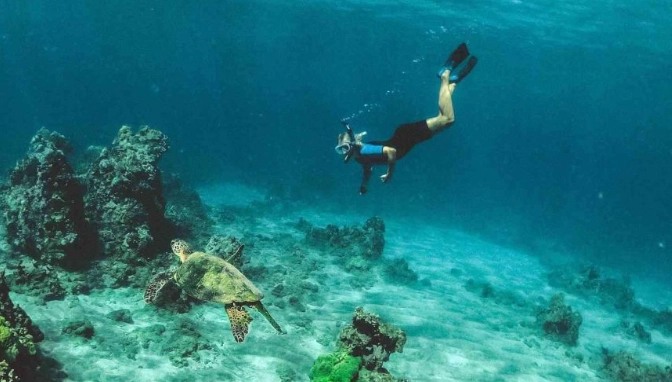
What You'll Actually See: A Roatan Marine Life Checklist
This is the fun part. Roatan's reef is teeming. It's not just about pretty coral (though there's plenty of that). Here’s a non-exhaustive list of who you might meet:
- Coral: Brain coral, elkhorn coral, staghorn coral, massive star corals, delicate sea fans, and colorful sponges in yellows, oranges, and purples.
- Common Fish: You'll see clouds of Blue Chromis, Sergeant Majors, Yellowtail Snapper, French and Queen Angelfish, Parrotfish (listen for them crunching on coral!), Trumpetfish, and schools of Grunts.
- The Bigger Friends: Green Sea Turtles and Hawksbill Turtles are frequent visitors. Southern Stingrays are often nestled in the sand. Eagle Rays are a lucky, majestic sight. Nurse sharks are common but shy, often seen resting under ledges.
- The Hidden Gems: Look closely for Spotted Moray Eels peeking from holes, Flamingo Tongue snails on sea fans, and if you're incredibly lucky, a seahorse clinging to a gorgonian.
When to Go & What to Bring
Best Time of Year: You can snorkel year-round. The dry season (roughly March to September) offers the calmest seas and sunniest skies. The "rainy" season (October-February) can have more wind and brief rain showers, but the water is still warm and there are far fewer tourists. I've gone in November and had whole reefs to myself. Just watch for "nortes" (northern winds) in winter, which can make the north side choppy.
Essential Gear: A well-fitting mask is everything. If you're serious, bring your own. A snorkel (dry-top snorkels are worth it), and fins. Don't forget a reef-safe sunscreen (mandatory – chemicals in regular sunscreen kill coral). A rash guard or long-sleeve swim shirt is even better—it protects you from the sun and prevents your back from rubbing against your snorkel vest or life jacket.
Safety First: Always snorkel with a buddy. Be aware of boat traffic, especially in areas like West Bay. Use a snorkel vest if you're not a strong swimmer—they're often provided on tours. Respect the current; if you're drifting fast, don't fight it, just signal your boat or buddy and swim diagonally towards shore.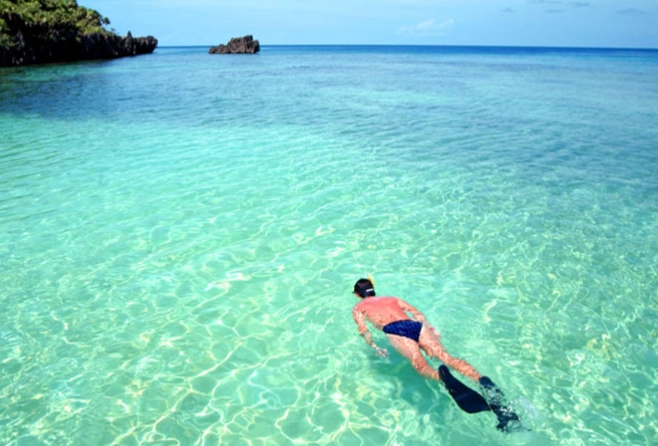
Your Roatan Snorkeling Questions, Answered
Making It Happen: Final Thoughts for an Unforgettable Trip
Finding the best snorkeling in Roatan isn't about one secret GPS coordinate. It's about matching the experience to what you want. Do you value convenience and budget? Post up in West End or West Bay and have a blast right from the sand. Do you want the guided, comprehensive "greatest hits" tour? Book a well-reviewed boat trip to the channels and walls.
No matter which path you choose, come with respect for the ocean. The health of Roatan's reef is remarkable but fragile. By being a responsible visitor—using reef-safe sunscreen, not touching anything, and choosing operators who care—you help ensure that the best snorkeling in Roatan remains the best for generations to come.
The water is waiting. It's even better than the pictures.
Ready to start planning?
For the most current information on marine park regulations, conservation efforts, and responsible tourism practices, I always recommend checking in with the official Roatan Marine Park Website. It's the best source for science-based info on the reef you're about to fall in love with.
Reader Comments