Quick Navigation
- Where and When: The Manta Ray Hotspots of Maui
- Choosing Your Manta Ray Adventure: Tour Operator Deep Dive
- What to Really Expect: A Minute-by-Minute Breakdown
- Gear Up: What to Bring and What to Wear
- Safety, Etiquette, and Your Role as a Guest
- Beyond the Snorkel: Answering Your Burning Questions
- The Bigger Picture: Conservation and Your Impact
Let's be honest, the idea of floating in the dark ocean while a creature with a wingspan wider than your car glides silently beneath you sounds equal parts terrifying and utterly amazing. That's the magic of snorkeling with manta rays in Maui. It's not your typical daytime reef snorkel. It's something else entirely—a specific, almost ritualistic experience that happens after sunset, drawn by light, and centered around one of the ocean's most graceful giants.
I remember my first time. You're bobbing in the water, holding onto a surfboard-sized floating rig with lights, and the black water below you feels infinite. Then, a shadow forms. It doesn't approach like a fish; it materializes. A silent, winged phantom that does slow, looping somersaults right under your nose, its huge mouth funneling in the plankton attracted to your lights. You forget to breathe. It's humbling, peaceful, and wildly exciting all at once.
But here's the thing everyone wants to know: is snorkeling with manta rays in Maui worth it? How do you even do it? And what's the real story behind those perfect Instagram shots? This guide isn't just a list of tour operators. It's the full picture—the how, the where, the when, and the crucial what to expect that most blogs gloss over. We'll dig into the ethics, the practicalities, and yes, even the potential downsides, so you can make the best choice for your adventure.
Where and When: The Manta Ray Hotspots of Maui
First, a crucial fact that trips up many first-timers. While the Big Island's Kona coast is world-famous for its manta ray night dives and snorkels, Maui has its own unique and growing scene. The activity here is more recent, less industrialized, and in my opinion, can feel a bit more intimate. The primary location for snorkeling with manta rays on Maui is off the coast of Lahaina, specifically in an area near Olowalu or Mala Wharf. The rays aren't guaranteed every single night—they're wild animals, after all—but the consistent plankton blooms attracted by boat lights have created a reliable feeding station.
Unlike the Big Island where operators use large, permanent light structures on the ocean floor, Maui tours typically use floating “light rafts” that you hold onto at the surface. This means you're part of creating the attraction, which is a pretty cool feeling.
The season is year-round. Water temperatures in Maui are pleasant enough that you can enjoy snorkeling with manta rays in Maui in both summer and winter, though summer (April to October) offers calmer seas and warmer water. Winter months can have bigger swells and slightly cooler water, but the tours still run. The real deciding factor isn't the month, but the ocean conditions on the specific day.
Choosing Your Manta Ray Adventure: Tour Operator Deep Dive
This is where your decision matters most. Not all tours are created equal. The vibe, group size, guide knowledge, and overall approach can make or break your experience. The goal of snorkeling with manta rays in Maui is to have an awe-inspiring encounter that feels respectful to the animals, not like you're on a marine-life conveyor belt.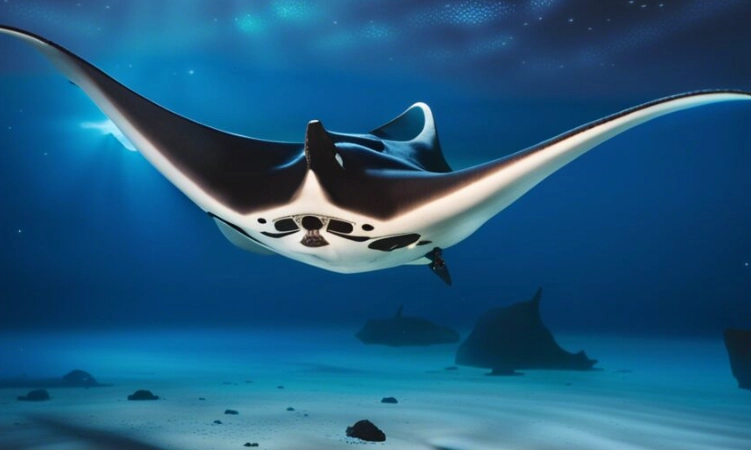
Here’s a breakdown of what to look for, based on what I’ve seen and heard from other snorkelers.
What Makes a Great (and Responsible) Tour
Look for operators who talk about the animals first, not just the photo op. A good guide will give a thorough briefing on manta ray biology, the local population (some are even named!), and strict rules of conduct. No touching is the absolute law—their protective mucus layer is vital to their health. The best guides are passionate educators, not just boat drivers.
Group size is a huge factor. Smaller boats (carrying 12-20 people max) mean less time waiting for your turn on the light raft and a more personal experience. Some budget operators pack larger boats, which can lead to a crowded, rushed feeling in the water. It's worth paying a bit more for a smaller group.
| Tour Focus | Typical Group Size | Best For... | Potential Drawback |
|---|---|---|---|
| Intimate & Educational | 6-12 snorkelers | First-timers, photography enthusiasts, those wanting deep guide interaction. | Higher price point, books out far in advance. |
| Standard Group Tour | 15-25 snorkelers | Families with older kids, friends, standard experience seekers. | Can feel a bit impersonal; may have to share the light raft in shifts. |
| Combination Tour (e.g., Sunset Sail + Manta Snorkel) | 20-40 people | Those wanting a longer ocean experience and variety. | The manta snorkel portion may be shorter; less focus on education. |
Photography is another key point. Does the tour offer a professional photo package, or do they encourage you to bring your own camera? If you're dreaming of that perfect shot, ask about their policy. Some guides are expert underwater photographers who can ensure you get a great memory. If you're bringing a GoPro, practice using it in low light beforehand—it's trickier than you think.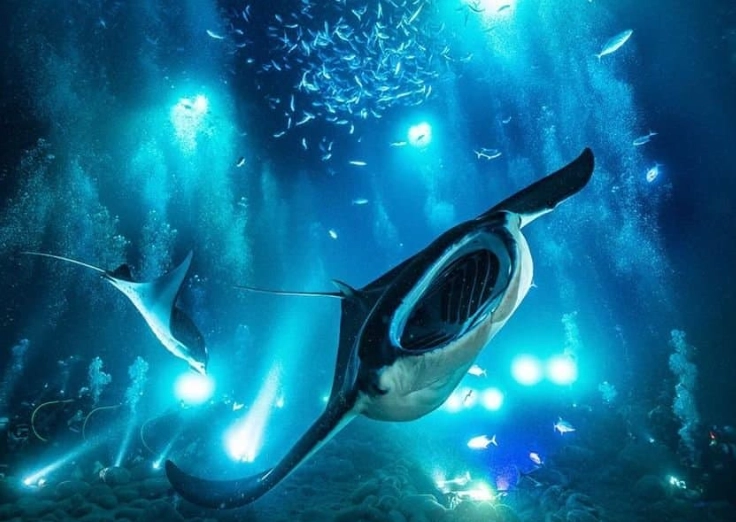
Be wary of any operator that guarantees manta ray sightings. They are wild creatures. Reputable companies will have a very high success rate (often 90%+), but they should always be transparent about the possibility of no-shows. A good policy is to offer a “make-good” voucher for a future tour if no mantas are seen.
What to Really Expect: A Minute-by-Minute Breakdown
Let's demystify the actual event. Knowing what's coming helps ease any nerves and lets you just enjoy the moment.
You'll typically meet your group at the Lahaina harbor around sunset. After check-in and signing waivers (standard stuff), you'll get a briefing. This is important. They'll cover how to use the snorkel gear, how to position yourself on the light raft (you float horizontally, holding on), and the all-important “manta etiquette.” Listen up.
The boat ride to the site is usually short, 15-20 minutes. As it gets dark, the crew will deploy the light raft—a rectangular frame with powerful LED lights pointing down into the water. This is what attracts the plankton, which in turn attracts the mantas. You'll get in the water, grouped around the raft. The first few minutes are just… dark. You're looking down into this lit-up column of water, waiting.
The Arrival.
It often starts with a shout from the guide: “Manta on the left!” or “Here she comes!” You'll twist your head, and there it is. A slow, majestic glide into the light. It might be a smaller one (a 6-foot wingspan) or a behemoth stretching 12 feet or more. They do these effortless barrel rolls, their white belly flashing, their cephalic fins (the little head fins that look like horns) curled like a scoop. They are there to eat, and you are just a lucky spectator.
You'll spend about 30-45 minutes in the water. If it's a good night, multiple rays might visit, or one might stick around for the whole session, looping over and over. The guides are in the water with you, pointing, sometimes free-diving down to get a better view (but you don't have to). You just float, watch, and try not to squeal with joy through your snorkel (it’s hard not to).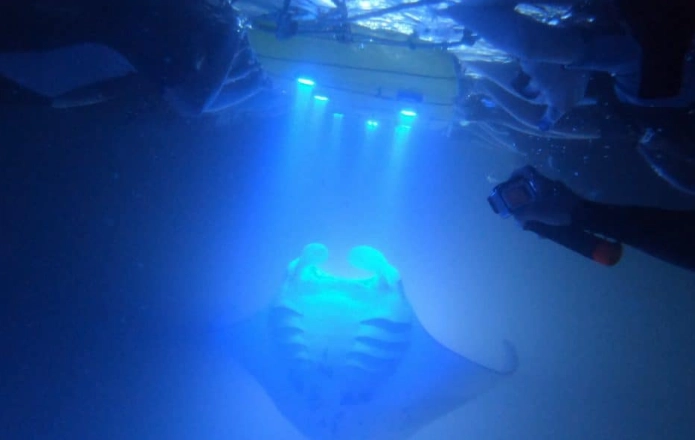
Then, it's back on the boat. There's usually hot chocolate, tea, or water waiting. The mood is always electric—everyone is buzzing, sharing what they saw, checking their cameras. The ride back is filled with stories.
Gear Up: What to Bring and What to Wear
Packing right is half the battle for comfort. Most tours provide the essentials: mask, snorkel, fins, and a wetsuit top or shorty. But bringing a few personal items can elevate your experience from good to great.
Must-Have List:
- A Rash Guard or Swim Shirt: Wear this under the provided wetsuit for extra warmth and chafe protection.
- Anti-Fog for Your Mask: Seriously. Nothing ruins the magic like a fogged-up mask in the dark. Baby shampoo in a tiny bottle works wonders.
- Sea-Sickness Prevention: Even if you're usually okay, bobbing in the swell at night is different. Take non-drowsy meds before you feel sick, as directed.
- A Warm, Dry Change of Clothes: A hoodie and sweatpants for the boat ride back feel like heaven.
- Waterproof Bag: For your towel and dry clothes on the boat.
What about cameras? A GoPro or an underwater housing for your phone is perfect. Just make sure it's securely strapped to your wrist. You do not want to drop it. Many tours now offer professional photo packages, which I highly recommend for your first time. It lets you be fully present instead of fiddling with settings.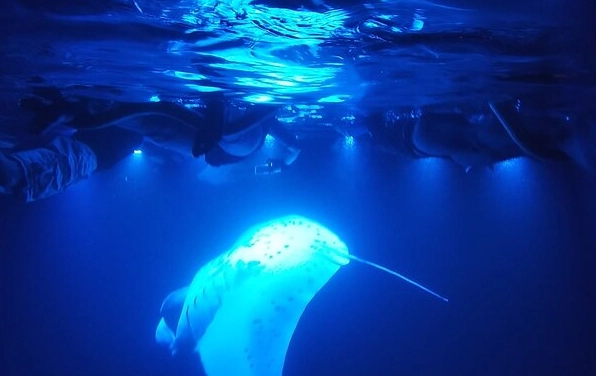
Safety, Etiquette, and Your Role as a Guest
This is the most important section. Snorkeling with manta rays in Maui is a privilege that depends on responsible tourism. These are gentle, intelligent animals with no stingers and no teeth (they filter plankton). They are curious but not aggressive. Your job is to be a passive, non-threatening observer.
The Golden Rules:
- NO TOUCHING. I can't stress this enough. It's illegal in Hawaii, and it harms the ray.
- Minimize sunscreen use before entering the water. Opt for reef-safe, mineral-based sunscreens applied well before the tour. Better yet, use UV-protective clothing.
- Listen to your guide's instructions on how to float. Kicking and splashing can scare the mantas away.
- If you have a cold or are feeling unwell, consider rescheduling. Protecting the marine environment is everyone's responsibility.
Safety-wise, you must be a comfortable swimmer. You don't need to be an Olympian, but you should be confident floating in open ocean swells at night. Life jackets are always available, and guides are trained in water safety. Always disclose any medical conditions to your guide beforehand.
Beyond the Snorkel: Answering Your Burning Questions
Let's tackle the common questions that swirl in your head when planning this trip.
The Bigger Picture: Conservation and Your Impact
It's easy to see this as just a cool tourist activity. But it's become a vital conservation tool. The economic value of live manta rays through tourism is now far greater than their value in the fishing trade. By choosing an ethical operator, you're voting for their protection. Many Maui tour companies partner with or donate to research organizations like the Manta Trust or contribute to local citizen science projects, identifying individual rays by their unique belly spot patterns.
You can go further. After your trip, consider supporting organizations dedicated to manta ray research and ocean conservation. The Hawaii Department of Land and Natural Resources (DLNR) oversees marine life regulations, and their website is a great resource for understanding the rules that protect these animals.
So, is it worth it?
If you've read this far, you probably already know your answer. Snorkeling with manta rays in Maui is more than a checklist item. It's a direct connection with one of the ocean's most majestic creatures. It's quiet, it's profound, and it often changes how people see the ocean. It’s not the cheapest activity on the island, but for most, the memory is priceless. Do your research, pick a responsible operator, manage your expectations (they're wild animals, not performers), and go into it with a sense of wonder. You're in for one of the most unique nights of your life.
Just remember to breathe. And maybe pinch yourself. It's real.
Reader Comments