Snorkeling and beach vacations combine relaxation with adventure, but planning one can feel overwhelming. I’ve spent over a decade exploring coral reefs from the Caribbean to Southeast Asia, and I’ll share everything you need to know—from hidden gems to gear mistakes most beginners make. Let’s dive straight in: this guide will help you plan a trip that’s both unforgettable and hassle-free.
Quick Navigation
How to Plan Your Snorkeling and Beach Vacation
Planning isn’t just about picking a spot; it’s about matching your skills to the environment. Most people start by googling “best snorkeling beaches,” but that’s a mistake. You need to consider currents, marine life seasons, and your own comfort in water.
I learned this the hard way on a trip to Bali. I chose a popular beach, but the waves were too strong for snorkeling that day. Wasted time? Absolutely. Now, I always check local tide charts and seasonal reports from sources like the National Oceanic and Atmospheric Administration (NOAA) for weather patterns.
Choosing the Right Destination
Think beyond the postcard images. For beginners, calm lagoons are key. For experts, drift snorkeling in channels offers thrill. Your budget matters too—some destinations are cheap for flights but expensive for tours.
Here’s a tip many miss: avoid peak tourist seasons. Crowds stir up sand, reducing visibility. I prefer shoulder seasons like late spring or early fall.
Budgeting and Logistics
Snorkeling vacations can range from $500 to $5000 per person. Break it down: flights, accommodation, gear rental or purchase, tours, and food. Don’t forget travel insurance—it saved me when a storm canceled a boat trip in Thailand.
Booking tours in advance often gets discounts, but last-minute local deals can be cheaper. It’s a gamble. I usually book one main tour online and leave room for spontaneity.
Top 5 Snorkeling Destinations for Beach Lovers
Based on my travels, these spots offer the best mix of clear water, vibrant marine life, and beach relaxation. I’ve included specifics so you can plan directly.
| Destination | Best Time to Visit | Key Snorkeling Spot | Entrance/Tour Cost | Address/How to Get There |
|---|---|---|---|---|
| Great Barrier Reef, Australia | June to October (dry season) | Agincourt Reef, Port Douglas | Day tour: ~$200 AUD per person | Port Douglas Marina, Queensland; fly to Cairns, then drive 1 hour |
| Maui, Hawaii, USA | April to October | Molokini Crater | Boat tour: ~$150 USD per person | Maalaea Harbor, Maui; tours depart daily at 7 AM |
| Gili Islands, Indonesia | May to September | Gili Meno Turtle Point | Free from beach; gear rental: $5 USD/day | Gili Meno Island; ferry from Bali to Lombok, then local boat |
| Roatán, Honduras | March to August | West Bay Beach | Beach access free; guided tour: ~$40 USD | West Bay, Roatán; fly to Juan Manuel Gálvez Airport, taxi 30 mins |
| Bora Bora, French Polynesia | May to October | Coral Gardens | Lagoon tour: ~$100 USD per person | Bora Bora Lagoon; international flight to Papeete, then domestic flight |
Each has its vibe. Great Barrier Reef is epic but pricey; Gili Islands are budget-friendly but can get crowded. I found Roatán underrated—the coral is pristine, and locals are passionate about conservation, often partnering with NGOs like the World Wildlife Fund.
For food, don’t miss fresh seafood shacks. In Maui, try “Paia Fish Market” at 100 Hana Highway—their fish tacos cost around $15, open 11 AM to 9 PM. In Gili Meno, “Karma Kayak” serves grilled snapper for $10, right on the beach.
Accommodation varies. In Bora Bora, overwater bungalows start at $500/night. In Roatán, you can find beachfront hostels for $30/night. I stayed at “West Bay Lodge” last year—basic but clean, with direct beach access.
Essential Snorkeling Gear: What You Really Need
Gear can make or break your experience. Most rental masks leak, and fins can cause blisters. After trying dozens of brands, I’ve narrowed it down to essentials you should consider buying.
Pro tip: Avoid full-face snorkel masks. They’re trendy but can trap carbon dioxide, leading to dizziness. I’ve seen beginners panic because of this. Stick to traditional separate mask and snorkel.
Here’s my must-have list:
- Mask: Look for silicone skirts and tempered glass. I use the “Cressi Frameless Mask”—around $50, fits most face shapes. Test it by placing it on your face without the strap; if it sticks, it seals well.
- Snorkel: A dry-top snorkel prevents water entry. The “Aqua Lung Impulse Dry” costs $40 and works reliably. Don’t cheap out—a flooded snorkel ruins the fun.
- Fins: Open-heel fins with adjustable straps are best for travel. “Mares Avanti Quattro” run about $80. They’re lightweight but powerful. I made the mistake of using short fins once; my calves ached for days.
- Rash Guard: Protects from sun and coral scrapes. A basic one costs $30. Sunscreen harms reefs, so this is eco-friendly too.
- Underwater Camera: Optional but great for memories. GoPro Hero series is popular, but I prefer “Olympus TG-6” for its macro mode—around $500. It captures tiny critters others miss.
Rental vs. purchase? If you snorkel more than twice a year, buy. Hygiene is another factor; I’ve gotten ear infections from poorly cleaned rental gear.
For packing, use a mesh bag to dry gear quickly. Sand gets everywhere—shake it out before storing.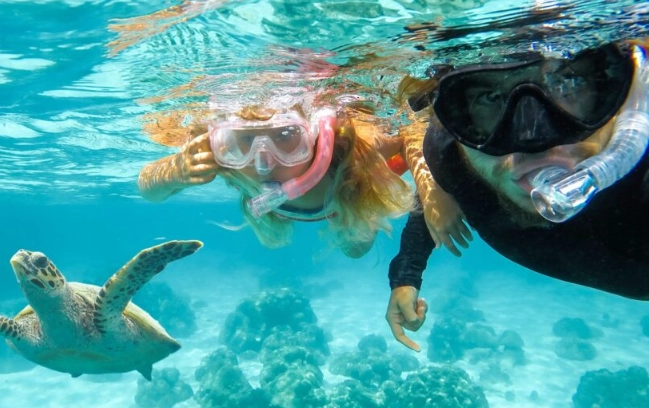
A Sample 5-Day Snorkeling and Beach Itinerary
Let’s assume you’re heading to Maui, Hawaii. This itinerary balances activity and relaxation, based on my own trip adjustments.
Day 1: Arrival and Beach Chill
Fly into Kahului Airport. Pick up a rental car—essential for flexibility. Check into a hotel in Kihei, like “Maui Coast Hotel” (address: 2259 S Kihei Rd, rates from $200/night). Spend the afternoon at Kamaole Beach III for a gentle snorkel session. Water clarity is best before noon. Dinner at “Coconut’s Fish Cafe” (1279 S Kihei Rd, fish tacos $12, open 11 AM-9 PM).
Day 2: Molokini Crater Adventure
Book a morning tour from Maalaea Harbor (departs 7 AM, returns 12 PM). Cost: $150 including gear and snacks. The crater is a marine sanctuary—expect parrotfish and maybe reef sharks. Post-tour, relax at Wailea Beach. Sunset drinks at “Monkeypod Kitchen” (10 Wailea Gateway, happy hour 3:30-5:30 PM).
Day 3: Road Trip and Hidden Snorkel Spots
Drive the Road to Hana. Stop at Honolua Bay for snorkeling (free access, park by the cliff). It’s less crowded but waves can be tricky—check conditions first. Pack a picnic. Return by evening; stay overnight in Hana at “Hana-Maui Resort” (address: 5031 Hana Hwy, rates from $400/night).
Day 4: Cultural Day and Beach Lounging
Visit the Maui Ocean Center (address: 192 Maalaea Rd, tickets $35, open 9 AM-5 PM) to learn about marine conservation. Then, head to Makena Beach for sunbathing. Optional: evening luau at “Old Lahaina Luau” (book in advance, $130 per person).
Day 5: Departure or Free Exploration
If time, snorkel at Napili Bay—it’s calm and great for families. Grab lunch at “The Gazebo” (5315 Lower Honoapiilani Rd, famous for pancakes, open 7:30 AM-2 PM). Depart from the airport.
This plan avoids over-scheduling. I learned that squeezing in too many tours leads to exhaustion. Leave gaps for spontaneity—you might discover a local guide offering a cheaper sunset snorkel.
FAQs: Answering Your Snorkeling and Beach Vacation Questions
Snorkeling and beach vacations are about blending adventure with peace. Start with a clear plan, pack smart, and stay flexible. Remember, the goal isn’t to see everything—it’s to enjoy the moment underwater and on the sand. If you have more questions, drop a comment below; I’m happy to share from my decade of misadventures and triumphs.
Reader Comments