I still remember the first time I dipped my face into the water at Anse Lazio. The clarity hit me like a shock—I could see every detail on the coral thirty feet below, and a school of blue tangs swam so close I almost reached out to touch them. That's Seychelles for you. It's not just another snorkeling destination; it's a living aquarium where the Indian Ocean shows off its best colors. But here's the thing: most guides just list spots without telling you how to actually enjoy them without the crowds or common pitfalls. Let's fix that.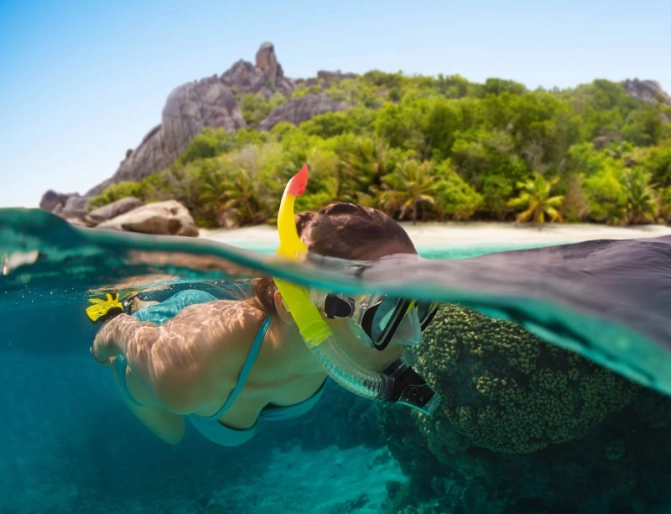
What You’ll Find in This Guide
Why Seychelles is a Snorkeler's Dream
Forget what you've heard about overcrowded reefs. Seychelles offers something rare: pristine waters with visibility often exceeding 30 meters, thanks to strict marine protection laws. The Seychelles Islands are a mosaic of granite islands and coral atolls, creating diverse underwater landscapes. I've snorkeled in places like Thailand and the Caribbean, but here, the coral health is noticeably better—partly due to efforts by the Seychelles government and local NGOs focusing on sustainable tourism.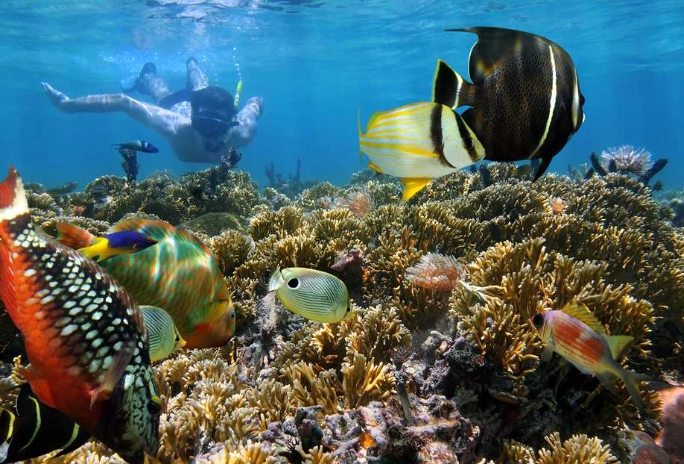
The marine life is ridiculous. We're talking about over 1,000 species of fish, including parrotfish, angel fish, and the occasional harmless reef shark. Turtles? They're practically locals at spots like Curieuse Island. But what really sets Seychelles apart is the accessibility. You don't need a boat for every spot; some of the best snorkeling is right off the beach, making it perfect for families or beginners.
Top Snorkeling Spots You Can't Miss
I've lost count of how many times I've guided friends around these waters. Based on my trips, here are the spots that deliver every single time.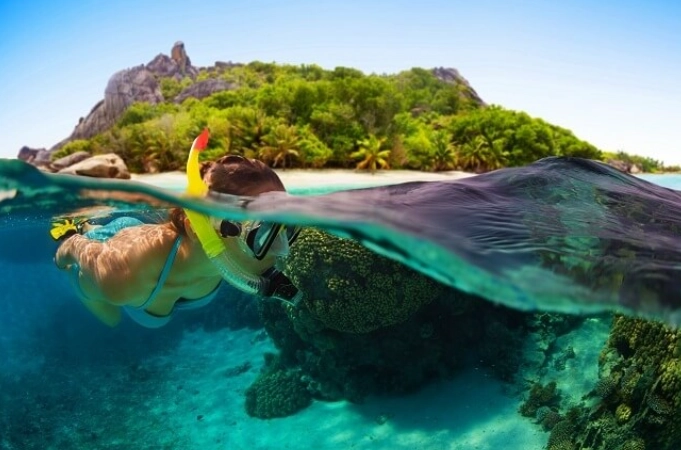
Sainte Anne Marine National Park
Located just off Mahé, this park is a protected area that costs around 20 USD for entry (prices can vary; check the Seychelles National Parks Authority website for updates). It's open daily from 8 AM to 5 PM. You'll need a boat to get there—most tours depart from Victoria, Mahé's capital, and take about 15 minutes. Why go? The coral gardens here are meticulously preserved. I've seen moray eels peeking from crevices and giant clams that look like underwater jewels. Pro tip: Visit on a weekday morning to avoid the tour groups that swarm in by noon.
Anse Lazio, Praslin
This beach on Praslin Island is often called one of the world's best, and the snorkeling lives up to the hype. No entrance fee, open all day. Getting there involves a drive from Praslin's airport or ferry terminal—rent a car or take a taxi for about 30 USD round trip. The water is calm, with granite boulders creating natural pools teeming with fish. Last time, I spotted an octopus camouflaging itself near the rocks. It's ideal for beginners, but watch out for occasional strong currents after rain.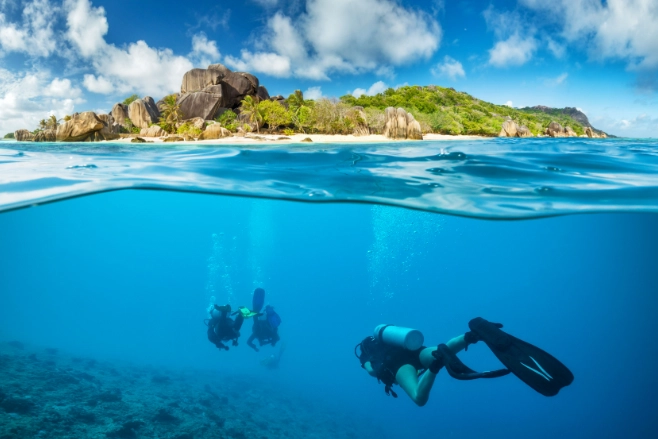
Curieuse Island
A short boat ride from Praslin, Curieuse is a marine park known for its giant Aldabra tortoises and snorkeling trails. Entry is included in most tour packages, which range from 50 to 100 USD per person. Boats leave around 9 AM and return by 4 PM. The snorkeling here is guided, with marked trails over seagrass beds where you can see turtles feeding. I once followed a hawksbill turtle for ten minutes—it felt like a private show. Remember to bring your own gear; rentals on the island are limited.
Quick Comparison: If you're short on time, Sainte Anne offers the most variety, Anse Lazio is easiest for a casual dip, and Curieuse gives a unique eco-experience.
How to Plan Your Snorkeling Trip
Planning can make or break your trip. I've seen too many people show up during the wrong season or without proper transport.
Best Time to Visit
The dry season from May to September is prime time. Winds are calm, visibility is at its peak, and water temperatures hover around 27°C. I went in August last year, and the conditions were flawless. Avoid the rainy season (November to February) when seas can be choppy and visibility drops. But here's a secret: April and October are shoulder months with fewer tourists and still decent weather—just check forecasts.
Getting There and Around
Fly into Seychelles International Airport (SEZ) on Mahé. From there, domestic flights or ferries connect to islands like Praslin and La Digue. Ferries cost about 70 USD round trip and take an hour. For snorkeling spots, renting a car is your best bet on Mahé and Praslin—expect 40-60 USD per day. Taxis are available but pricey. Don't rely on public transport for remote beaches; it's infrequent.
Accommodation ranges from budget guesthouses at 80 USD per night to luxury resorts. I stayed at a self-catering villa on Praslin for 120 USD a night—it had a kitchen, which saved money on meals. Book early, especially for peak season.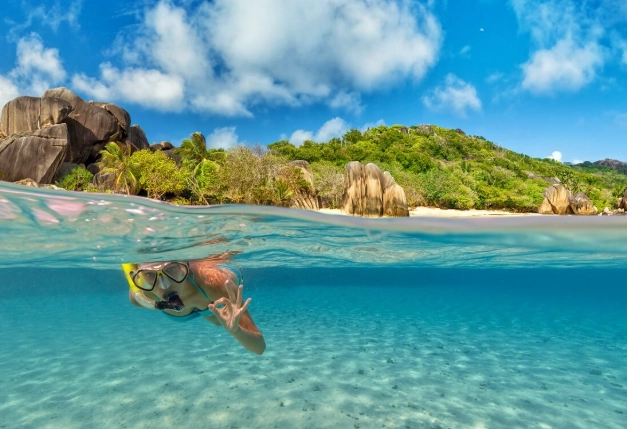
Essential Snorkeling Gear for Seychelles
You don't need fancy equipment, but skimping on gear can ruin your experience. Based on my mishaps, here's what matters.
A good mask is non-negotiable. I once used a cheap one that fogged up instantly—ended up missing a ray gliding by. Look for a silicone skirt that seals well; test it by pressing it to your face without the strap and inhaling slightly. If it sticks, you're good. Fins should fit snugly but not pinch. Full-foot fins are fine for calm beaches like Anse Lazio, but open-heel with booties are better for rocky entries.
Don't forget a snorkel with a splash guard. The waters are generally calm, but waves can surprise you. I always pack a rash guard too; the sun here is intense, and it protects against minor coral scrapes. If you're prone to seasickness, consider a snorkel vest for extra buoyancy—it's a lifesaver on boat trips.
Rental gear is available at major spots, but quality varies. In Sainte Anne, rentals cost about 10 USD per set. I recommend bringing your own if you're serious about snorkeling; it's more hygienic and reliable.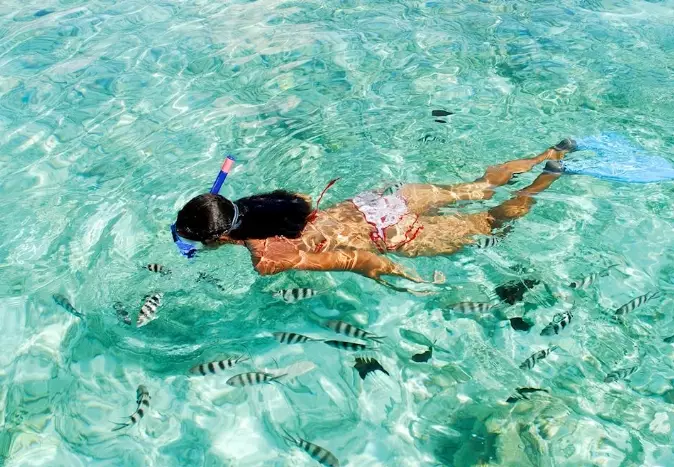
Expert Insights: Mistakes I've Seen (and How to Avoid Them)
After years of snorkeling here, I've cringed at common errors that even experienced travelers make.
Touching the coral is a big one. I saw a tourist stand on a reef to adjust his mask—it took years for that coral to grow, and he damaged it in seconds. Always practice buoyancy control; float horizontally to avoid contact. Another mistake: ignoring weather reports. Seychelles weather can shift fast. Once, I ignored a storm warning and got caught in rough seas off Curieuse. Check the Seychelles Meteorological Authority website before heading out.
Overpacking tours is another issue. Some operators cram too many people onto boats, making snorkeling feel like a crowd scene. Book with small, reputable companies like Mason's Travel or Creole Travel Services—they limit group sizes. Also, people forget to hydrate. Snorkeling is dehydrating; bring water and reapply sunscreen every two hours. I learned this the hard way with a nasty sunburn that ruined my next day.
Lastly, not respecting marine life. Chasing turtles stresses them out. Observe from a distance; use a GoPro with a zoom if you want photos. I've found that patience rewards you with closer encounters anyway.
Frequently Asked Questions
Snorkeling in Seychelles isn't just an activity; it's a way to connect with an ecosystem that's both fragile and breathtaking. From the moment you slip into those turquoise waters, you'll understand why I keep coming back. Plan smart, respect the ocean, and you'll have stories to tell for years. Now, go grab your mask—the fish are waiting.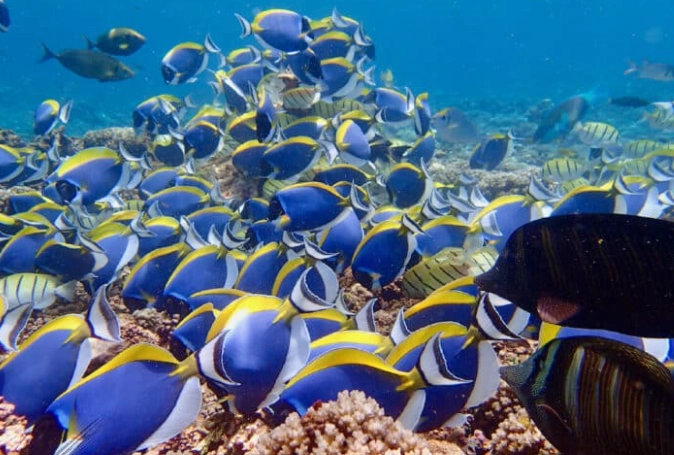
Reader Comments