Your Manta Ray Guide
Let's get straight to the point. If you're sitting in Houston, Dallas, or Austin dreaming of floating next to a giant, graceful manta ray, you're probably typing "snorkeling with manta rays near Texas" into Google right now. I did the same thing a few years back. The dream is vivid—those giant wings gliding silently past you, the sheer size of them taking your breath away. But the reality of geography is, well, a bit stubborn.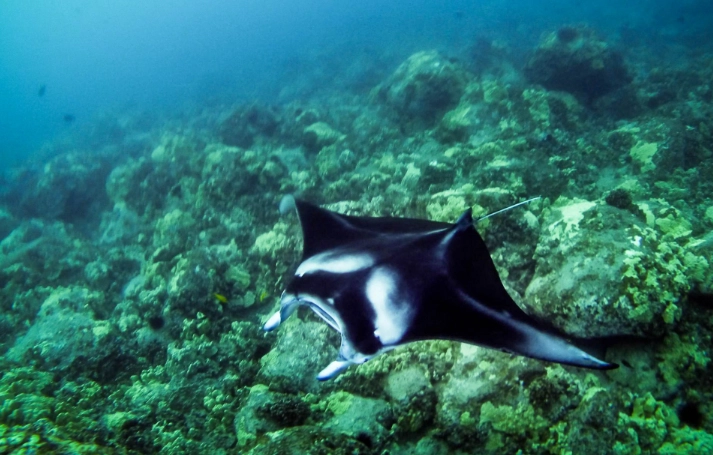
Here's the honest truth you need to hear first: you will not find reliable, year-round manta ray snorkeling right off the Texas coast. The waters of the Gulf of Mexico near Texas are simply not the right habitat for the large populations of reef manta rays (Mobula alfredi) or oceanic mantas (Mobula birostris) that make for consistent snorkeling adventures. The search for "snorkeling with manta rays near Texas" is really a search for the closest, most accessible, and best possible destinations you can reach from a Texas home base. And guess what? Those destinations are absolutely incredible and totally worth the trip.
Where to Actually Go: Top Destinations Accessible from Texas
Forget the vague promises. Let's talk concrete locations. When we say "near Texas," we're talking about flight times under 3 hours, relatively easy travel, and proven manta ray action. Your best bets lie primarily to the south and southeast.
Cozumel and the Mexican Caribbean (The Closest Major Hotspot)
This is, hands down, the most popular answer for Texans. A short flight from major Texas airports to Cancun (CUN), followed by a ferry ride, lands you in Cozumel. Here, you'll find the famous site called "Manta Ray Alley" or "El Cantil." It's not a guaranteed daily sighting, but the chances are very high, especially from November through March when plankton blooms attract them. I've snorkeled here, and the experience is surreal. You're drifting over a deep wall, and these shadows emerge from the blue. They're curious, often circling snorkelers. It's a well-organized operation with many local dive shops running trips.
Beyond Cozumel, the wider Mexican Caribbean, including areas near Playa del Carmen and Akumal, sometimes has manta ray visits, though they are less predictable than in Cozumel. The official Mexico Tourism Board website is a good starting point for general travel info to the region.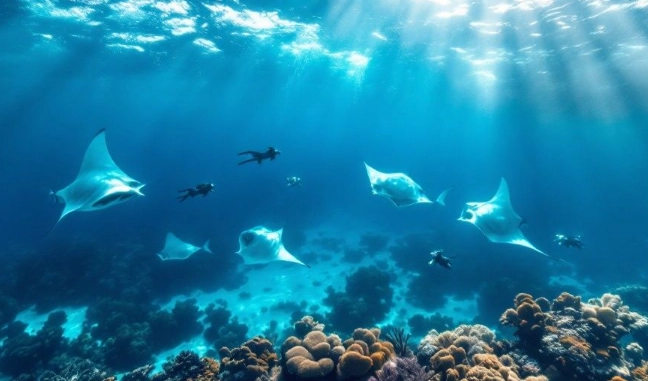
Isla Mujeres, Mexico (Seasonal Aggregation)
North of Cancun, Isla Mujeres is famous for its massive whale shark aggregations in summer. Less famously, but importantly for us, it also sees manta rays. They are often spotted while on whale shark tours (June-Sept) or sometimes independently. It's more of a "bonus sighting" location than a dedicated manta ray snorkel spot, but it's a possibility if you're already there for the whale sharks.
The Flower Garden Banks National Marine Sanctuary (A Texas-Adjacent Maybe)
Now, this one is fascinating for Texans. About 100 miles off the coast of Galveston lies the Flower Garden Banks National Marine Sanctuary. It's primarily a scuba diving destination known for its stunning coral reefs. While not common, manta ray sightings do occur here. They are typically oceanic mantas (M. birostris) passing through. The catch? You need to be a certified diver on a multi-day liveaboard trip to get there. It's not a casual snorkeling day trip. But if you're a diver, this is the closest you can physically get to a manta ray encounter while starting from a Texas port. The sanctuary is managed by NOAA, and you can find scientific monitoring data on the official sanctuary website, which sometimes reports manta sightings.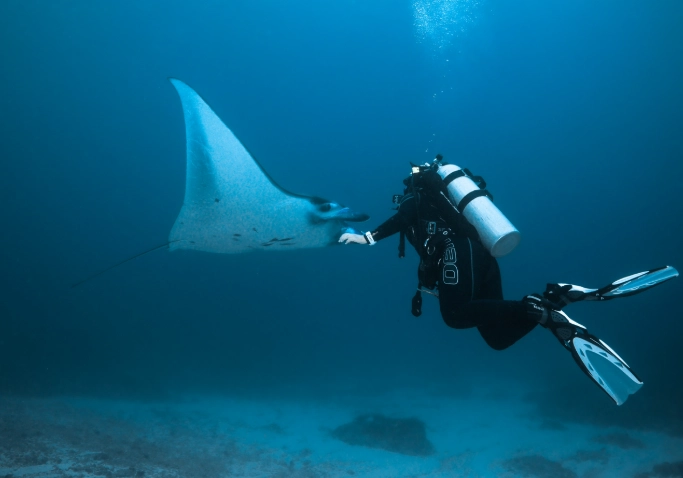
Florida (The Other "Near" Option)
From East Texas, a flight to South Florida opens up another set of possibilities. Areas like the Florida Keys, particularly around Marathon, and more reliably, West Palm Beach, have seasonal manta ray sightings. In Florida, you're more likely to encounter the giant oceanic manta. Tours are less specifically marketed for mantas compared to Cozumel; you might join a general reef snorkel or dive trip with the hope of seeing one. The Florida Fish and Wildlife Conservation Commission's marine life information pages provide ecological context for these creatures in Florida waters.
Snorkeling with manta rays near Texas is less about finding them in your backyard and more about unlocking the shortest path to where they truly thrive.
| Destination | Distance from Texas (Flight Time) | Best Time of Year | Likelihood of Encounter | Typical Travel Style |
|---|---|---|---|---|
| Cozumel, Mexico | ~2 hrs to Cancun + ferry | Nov - Mar | High at dedicated sites | Dedicated snorkel tours |
| Isla Mujeres, Mexico | ~2 hrs to Cancun + ferry | Jun - Sep (overlap with whale sharks) | Low to Moderate (bonus sighting) | Combined wildlife tours |
| Flower Garden Banks (USA) | ~100 miles offshore (boat required) | Summer months | Low (opportunistic) | Scuba liveaboard only |
| South Florida, USA | ~2.5-3 hrs flight | Spring & Summer | Low to Moderate | General snorkel/eco-tours |
See the pattern? Cozumel is the workhorse for this specific dream. The others are potential alternatives with different pros and cons.
Planning Your Trip: The Nitty-Gritty Details
Okay, so you've picked a destination. Now what? Planning a trip for snorkeling with manta rays near Texas (or from Texas, to be precise) requires a bit more thought than a beach vacation.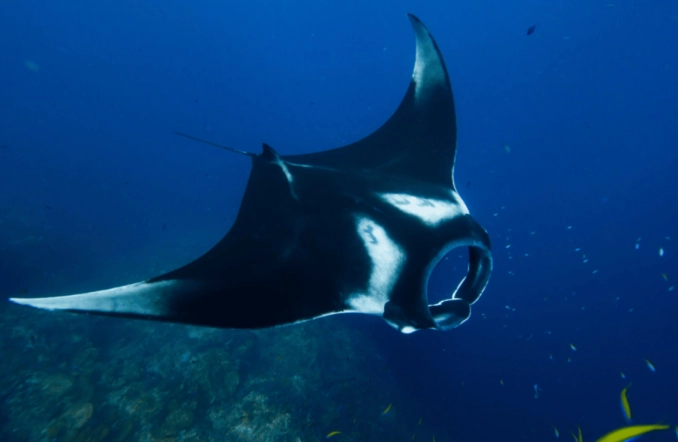
Choosing a Responsible Tour Operator
This is the single most important decision you'll make. A good operator ensures safety, follows ethical wildlife interaction guidelines, and maximizes your chances of a good experience.
- Look for Small Groups: Boats with 15-20 snorkelers max are better than cattle boats. More personal attention, less stress on the animals.
- Ask About Their Guidelines: Do they enforce no-touch rules? Do they use natural light or are they okay with people using bright video lights indiscriminately (which can disturb mantas)?
- Check Reviews Specifically for Manta Trips: Don't just look at overall company reviews. Search for "manta" within the reviews on TripAdvisor or Google.
- Guide Experience: How long have the guides been running these specific trips? Local knowledge is priceless.
What to Pack (Beyond Your Swimsuit)
Most tours provide mask, snorkel, fins, and a vest. But your personal gear can make a huge difference.
- A Good Quality Mask That Fits YOU: Nothing ruins a trip faster than a leaking mask. If you're serious, get your own and practice in a pool.
- Anti-Fog Solution: The cheap toothpaste trick works in a pinch, but proper defog is better.
- Sun Protection: A rash guard or thin wetsuit (3mm) is dual-purpose: protects from sun and cooler water at depth. Reef-safe sunscreen is non-negotiable. Please.
- Sea Sickness Remedy: Even if you think you're okay. Being on a small boat, looking down while floating, can trigger nausea. Take something beforehand.
- Waterproof Camera or GoPro: But remember, experience it first with your own eyes, then try to film.
Best Time to Go & The Weather Factor
For Cozumel, the winter dry season (Nov-Apr) offers the calmest seas and best visibility. However, this is also peak tourist season. The mantas are there for the plankton, which can sometimes reduce visibility slightly—a trade-off for the activity. Summer offers warmer water but a higher chance of rain and storms that can cancel trips.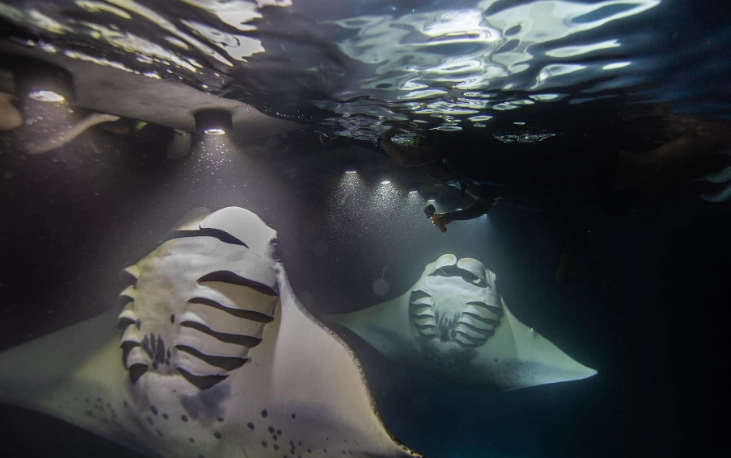
Always build flexibility into your schedule.
If your main goal is snorkeling with manta rays near Texas's closest hotspot, plan for at least 3-4 full days in Cozumel. This gives you a buffer if one day's trip gets canceled due to weather, increasing your odds of getting on the water.
What to Expect During the Snorkel Itself
The boat ride out is usually filled with anticipation. The guides will give a thorough briefing. Listen carefully.
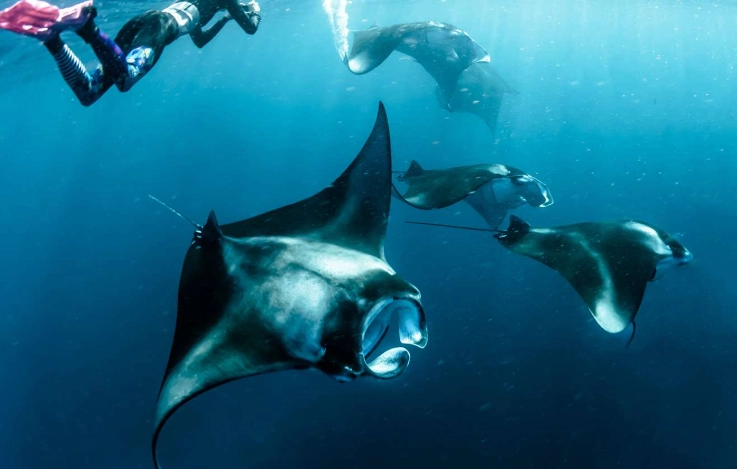
When you get in the water, it might feel chaotic at first. Everyone is excited. Try to calm your breathing. Look into the blue, not just down. Mantas often approach from the side or below.
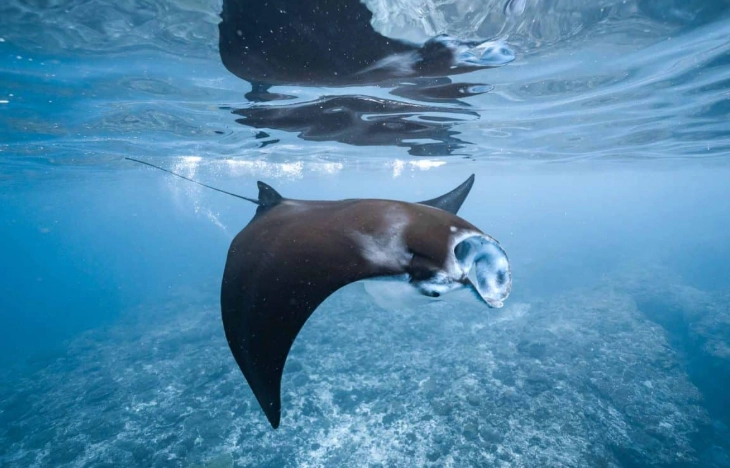
The interaction is passive. You float, they swim. They might circle you. They might come incredibly close. Do not reach out to touch. Their bodies have a protective mucous coating that human touch can damage, making them susceptible to infection. A good guide will position the group so the mantas can approach on their own terms, often using a gentle current to drift everyone along.
The encounter might last 5 minutes or 45. It's unpredictable. Sometimes one manta shows up, sometimes a few. The experience of snorkeling with manta rays near Texas's favorite international destination is less about a long, constant interaction and more about those breathtaking, fleeting moments of connection with a giant, gentle creature.
Common Questions Answered (The Stuff You're Really Wondering)
The Bigger Picture: Conservation and Why It Matters
Manta rays are vulnerable. They grow slowly, have few offspring, and are threatened by bycatch, boat strikes, and the demand for their gill plates in some markets. When you go snorkeling with manta rays, you're not just having an adventure; you're witnessing something precious.
Many tour operators now contribute to research (like photo-ID programs where your photos can help track individual mantas) or directly fund conservation projects. Ask your operator about it. Your interest as a traveler from Texas or anywhere else directly fuels the effort to keep these animals in the ocean.
So, while the literal search for "snorkeling with manta rays near Texas" might not yield a local beach spot, it opens the door to a truly world-class wildlife experience that's just a short journey away. It requires planning, a bit of travel, and a commitment to doing it right. But when you're floating in that blue water and a shadow with a wingspan wider than your car glides silently beneath you, every bit of the effort makes sense.
Start looking at flights to Cancun. Research those Cozumel operators. Get your gear ready. Your manta ray encounter is closer than you think.
Reader Comments