Let's be honest. If you wear glasses or contacts, snorkeling can be a frustrating experience. You're floating in this incredible, vibrant world, but it's all just a colorful blur. You might see the general shape of a fish, but the intricate details, the coral patterns, the tiny shrimp hiding in the anemone—it's all lost. For years, I just accepted this. I'd squint, guess what I was looking at, and feel like I was missing half the show. Then I discovered prescription snorkeling masks, and it completely changed the game.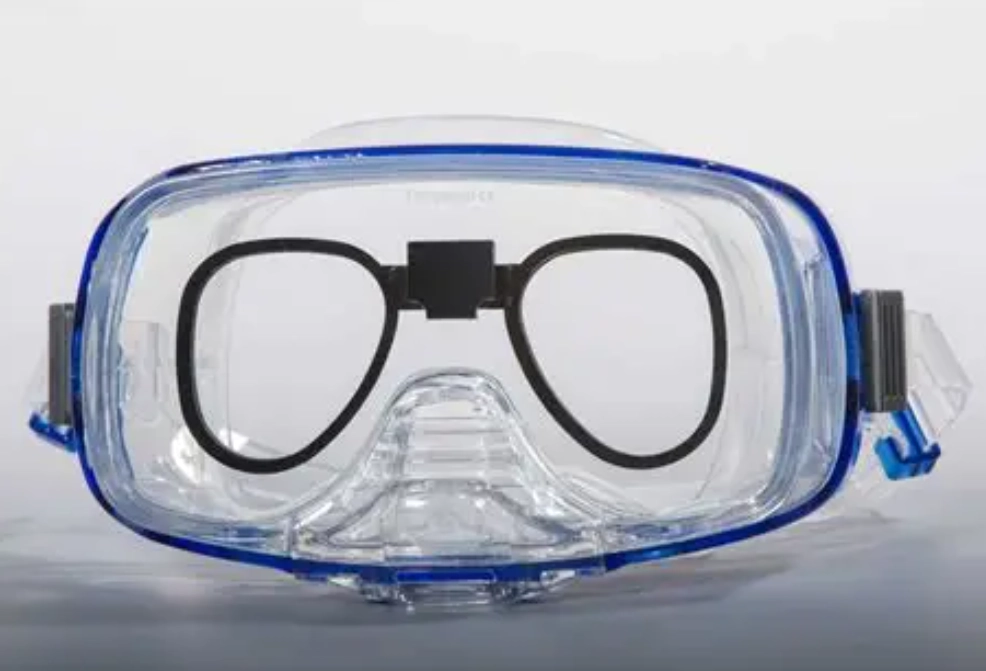
This isn't just about seeing better. It's about the experience. It's about the moment you put your face in the water and, for the first time, the reef snaps into sharp, breathtaking focus. No more guessing. No more feeling left out when your friends point at something "amazing" 15 feet away. This guide is for anyone who's ever thought, "I wish I could see what they're seeing." We'll break down exactly how these masks work, the different types available (some are way more affordable than you think), and how to pick the right one so you can finally enjoy the underwater world in high definition.
Your Quick Guide to Crystal Clear Snorkeling
How Do Prescription Snorkeling Masks Work?
It's simpler than you might expect. A regular snorkel mask has flat, plain lenses. A prescription mask has lenses ground to your specific vision correction needs, just like your everyday glasses. The key difference is the medium: you're looking from air (inside the mask) through glass/plastic into water. Optics get funky here.
Light bends differently in water than in air. Your eye's lens is designed for air-to-eye refraction. When you put a flat mask lens in front of it underwater, it doesn't fix the inherent blur caused by water's density. A prescription lens in the mask compensates for this, bending the light coming from the water through the mask's air pocket so it hits your retina correctly.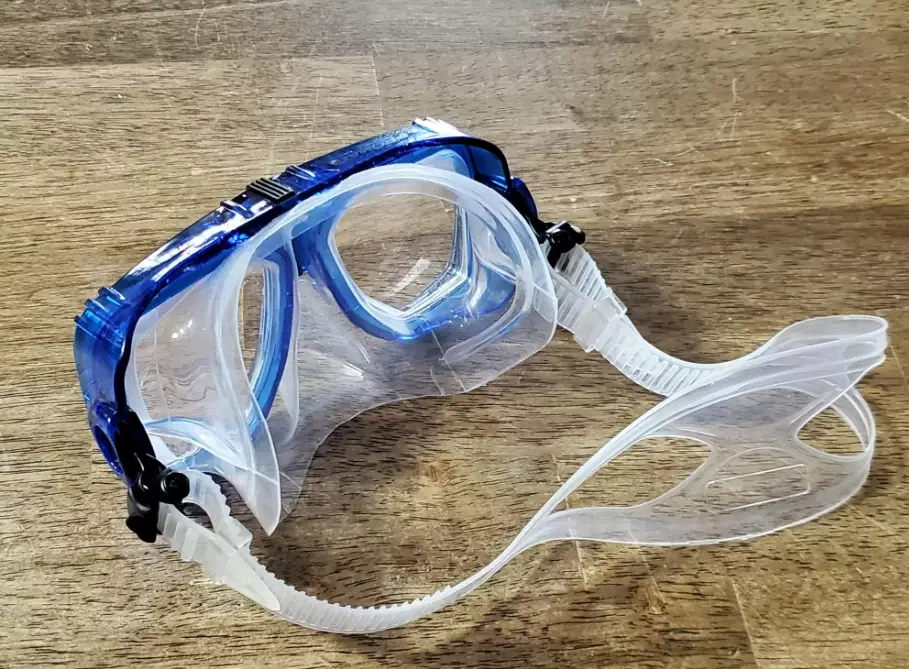
Key Point: Your prescription for a snorkel mask is NOT the same as your glasses prescription. The "vertex distance" (the space between the lens and your eye) is much larger in a mask, and the water interface changes the math. Always, always get your mask prescription calculated by a professional using your latest eye exam data. Don't just send in your glasses prescription—it will be wrong.
The Three Main Types of Corrective Snorkel Masks
You've got options, ranging from quick fixes to fully customized gear. Here’s the breakdown.
td>Budget-conscious snorkelers, occasional users, trying out the concept.| Type | How It Works | Best For | Approx. Cost Range | Biggest Drawback |
|---|---|---|---|---|
| Drop-In Lens Inserts | Small plastic corrective lenses that clip or stick inside your existing mask's frame, behind the main lens. | $50 - $150 | Can reduce peripheral vision, may fog more easily, can feel "stacked." | |
| Bonded (Glued) Lenses | A professional optical lab bonds your prescription lenses directly onto the inside of a standard mask's flat lens. | Those wanting a permanent, cleaner solution without a fully custom mask. | $150 - $300 | If the mask frame breaks, you lose the custom lenses. Limited to masks with flat lenses. |
| Full Custom Prescription Mask | The entire mask lens is manufactured from scratch to your exact prescription (single or dual). No inserts, no bonding. | Frequent snorkelers, divers with complex prescriptions (astigmatism, high diopters), anyone wanting optimal optics. | $250 - $500+ | Highest upfront cost. Not adjustable if your prescription changes. |
I started with drop-ins. They were okay—definitely better than nothing. But on a trip to Hawaii, I upgraded to a full custom mask. The difference in field of view and clarity was night and day. It felt like I wasn't wearing a "corrective device" at all, just a really good, clear mask.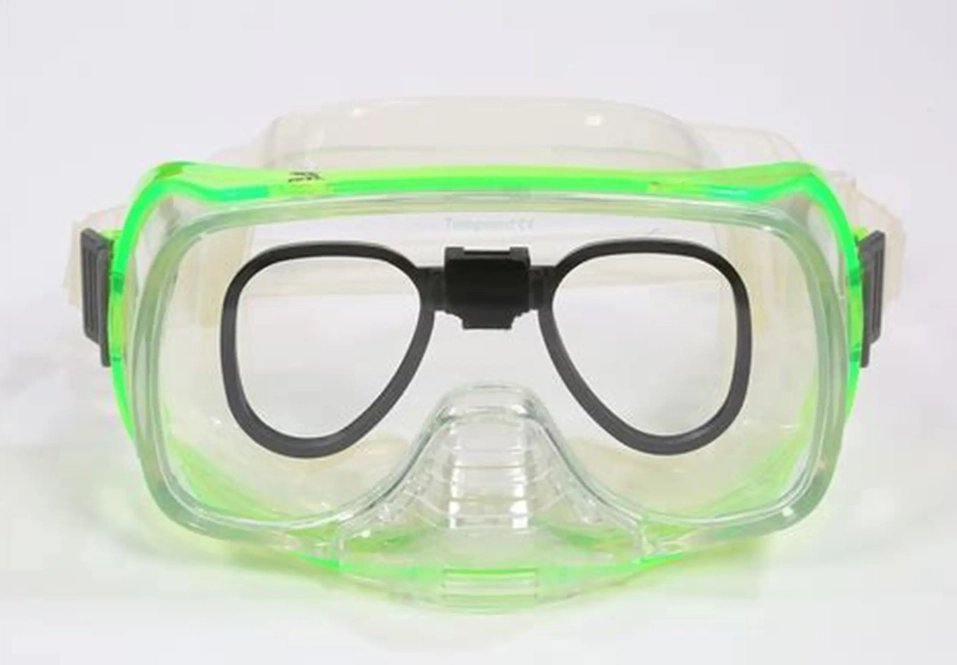
A Special Note on Astigmatism
This is where many off-the-shelf solutions fail. Most ready-made "diopter" masks only correct for spherical power (nearsightedness/farsightedness). If you have significant astigmatism (cylinder correction in your prescription), drop-in inserts and standard bonded lenses often can't handle it. You'll likely need a full custom mask where the lab can grind a "toric" lens that corrects for both sphere and cylinder. Don't let a shop sell you a simple diopter mask if you have astigmatism—ask specifically if they can accommodate your cylinder and axis values.
How to Choose the Right Prescription Mask for You
Don't just buy the first one you see online. Follow this decision path.
First, get your numbers. Have a current eye exam (within the last year). You need your full prescription: SPH (sphere), CYL (cylinder), AXIS, and Pupillary Distance (PD). The PD is critical and often missing from glasses prescriptions. It's the distance between your pupils in millimeters. An inaccurate PD in a mask will cause eye strain and headaches. Measure it precisely or have an optician do it.
Second, assess your usage. Snorkeling once on a honeymoon? Drop-ins might suffice. A yearly tropical vacation? Bonded lenses are a solid mid-range choice. A serious enthusiast or diver who hits the water monthly? Invest in a full custom mask. The cost-per-use plummets.
Third, prioritize fit over everything. The best prescription in the world is useless if the mask leaks. A mask must seal comfortably around your nose and across your brow. Try on masks (without prescription) to find a model that fits your face shape perfectly. Then explore having that specific model fitted with prescription lenses. Brands like TUSA, Cressi, and Aqua Lung have great fit guides. I have a narrow, low-profile nose bridge, and I found that Japanese-designed masks like those from TUSA fit me much better than some European brands.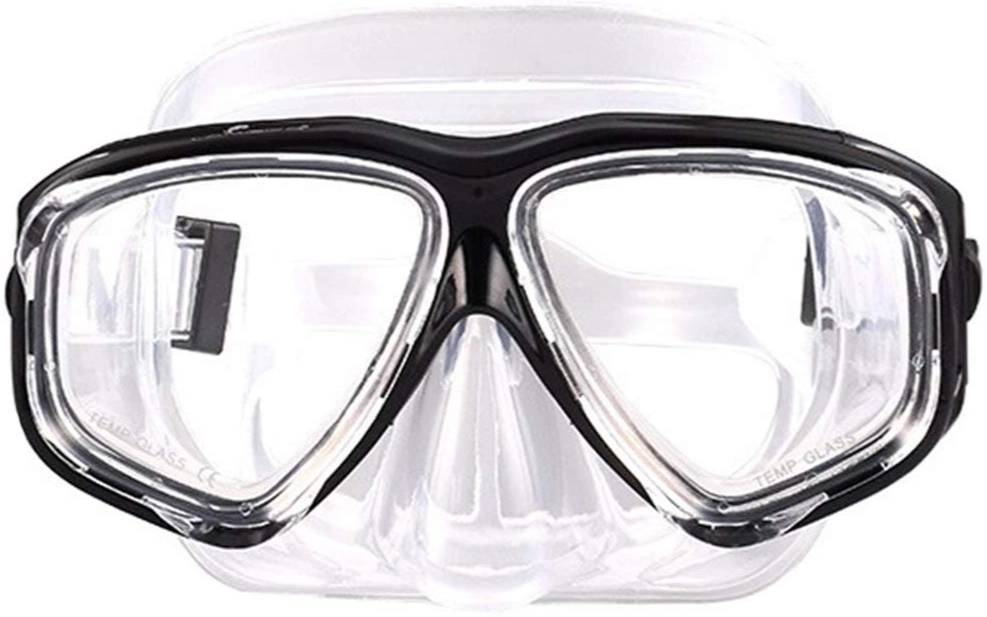
Watch Out: Be wary of cheap "universal" drop-in kits on online marketplaces that claim to fit any mask. They rarely seal well, often fog horribly because they create a dead air space, and the optical quality of the plastic is usually poor, causing distortion. You're better off paying a bit more to a reputable dive shop or optical service.
Common Mistakes and Pro Tips From a Decade in the Water
Here's the stuff you won't find in the product manual.
The "Volume" Mistake. People focus on lens type but ignore mask volume. A low-volume mask sits closer to your face. For prescription masks, this is golden. It means the lenses are closer to your eyes, which can improve the optical performance and widen your field of view. A giant, high-volume mask creates more "tunnel vision" effect. When choosing a mask model to customize, lean towards low-volume designs.
Anti-Fog is Non-Negotiable. Prescription lenses, especially bonded ones or inserts, are more prone to fogging. The extra layers create more surfaces for condensation. Before every use, treat your mask properly. Use a dedicated anti-fog gel (not spit, it's not as effective on treated lenses) and rinse it with a tiny bit of water before putting it on. Never, ever touch the inside of the lens with your fingers.
Your "Water PD" Might Be Different. This is a subtle one. Your optician measures your Pupillary Distance for looking straight ahead in air. Underwater, your eyes might converge slightly differently as you look around. While you should use your standard PD as a baseline, if you have a very strong prescription and get a custom mask, discuss this with the optical technician. Some experienced labs will make a tiny adjustment to account for this.
Carry a Backup. If your prescription mask is your primary, what happens if the strap breaks or you lose it? I always travel with a cheap, non-prescription backup mask. If disaster strikes, I can use it with my drop-in inserts (which I keep as a spare) or just deal with the blur for a bit. Don't let a broken mask ruin your trip.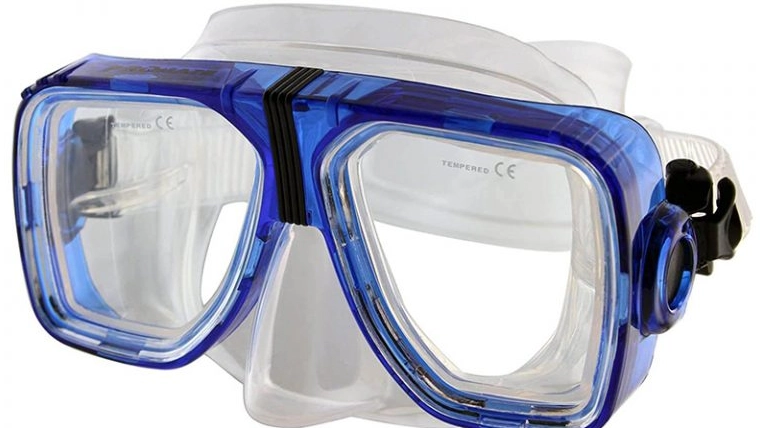
Your Prescription Snorkel Mask Questions Answered
Can I just wear my contact lenses with a regular snorkel mask?
You can, and many people do. It's a valid short-term solution. But the risks are real. If a tiny leak occurs, saltwater or freshwater can get behind your lens, causing extreme discomfort, potentially washing the lens out, or introducing bacteria that can lead to a serious eye infection. For a single afternoon, it might be okay. For a week-long snorkeling vacation, the convenience and safety of a dedicated prescription mask are worth it. I lost a contact lens to an unexpected wave years ago and spent the rest of the day half-blind—never again.
How do I clean and care for my prescription snorkel mask?
Treat it like fine optics, not a beach toy. After each use, rinse it thoroughly in fresh, cool water. Never use hot water, as it can damage lens coatings and the mask skirt. Use a mild soap (like baby shampoo) occasionally for a deeper clean, but avoid harsh chemicals, solvents, or abrasive cloths. Dry it in the shade, not in direct sunlight, which can degrade the silicone skirt and cause the lens adhesive (if bonded) to fail over time. Store it in a protective hard case, not loosely tossed in a gear bag where the lenses can get scratched.
My eyes have different prescriptions. Can I get a mask with two different strengths?
Absolutely. This is called a "bi-focal" or dual-diopter setup, and it's standard for full custom masks and available from many insert/bonding services. You provide the specific prescription for each eye (Left and Right SPH/CYL/AXIS), and they manufacture the lenses accordingly. This is far superior to using a single, averaged prescription, which will leave both eyes straining.
Are prescription masks suitable for scuba diving as well as snorkeling?
Yes, 100%. The principles are identical. A mask that works for snorkeling works for scuba diving. In fact, for divers, the argument for a proper custom mask is even stronger due to the longer time spent underwater and the greater need for precise awareness of your surroundings, gauges, and buddy. Ensure the mask model you choose is rated for the depths you plan to dive (virtually all are). The pressure difference is on the air inside the mask, not the lenses themselves.
Where is the best place to buy a prescription snorkeling mask?
I recommend specialized dive gear retailers with in-house or partnered optical labs. Avoid general e-commerce sites unless they are the official online store of a reputable dive brand. Look for services that ask for your full prescription and PD, not just a diopter number. Good sources include established companies like Prescription Dive Masks (a dedicated service), the custom departments of major retailers like Leisure Pro, or your local dive shop that can send your mask out to a trusted lab. Check reviews specifically about their optical work, not just their general merchandise.
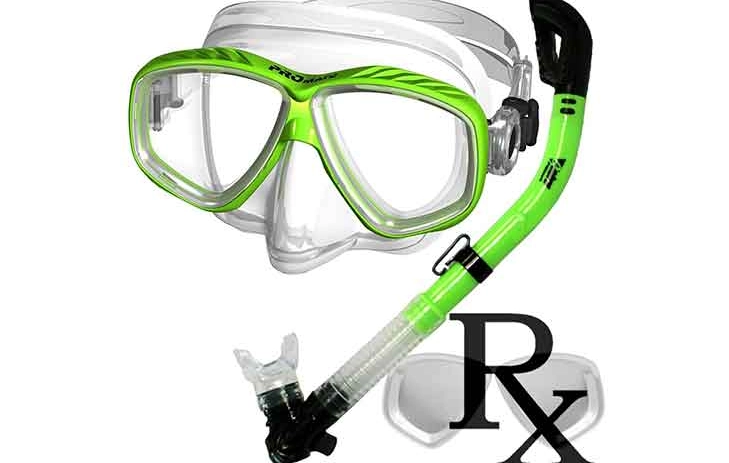 The bottom line is this: clear vision underwater isn't a luxury; it's fundamental to the experience. It transforms snorkeling from a vague, blurry activity into an engaging, detailed exploration. Whether you opt for an affordable insert kit or go all-in on a custom mask, taking that step to correct your vision will make every future trip to the water exponentially more rewarding. You'll see things you never knew you were missing.
Reader Comments