Quick Navigation
- The Top Contenders: Breaking Down Costa Rica's Best Snorkeling Spots
- When to Go: Timing is Everything for the Best Snorkeling in Costa Rica
- Beyond the Location: Pro Tips & Real Talk for Your Snorkel Adventure
- Your Questions, Answered (The Stuff You're Actually Wondering)
- Final Thoughts: Making Your Choice
Let's be honest. When you type "best snorkeling in Costa Rica" into Google, you're probably staring at a dozen articles that all sound the same. Isla del Caño, Catalina Islands, maybe Gandoca-Manzanillo. They list the spots, throw in some stock photos, and call it a day. But you're not just looking for a list. You're trying to picture yourself there. You want to know if the water will be calm enough for your kids, if you'll actually see something other than sand, and whether it's worth the long drive or boat ride. I get it. I've been there—literally. After multiple trips chasing the best snorkeling spots in Costa Rica, from the crowded tours to the hidden gems you need a local to find, I've learned what makes a spot truly great versus just... okay.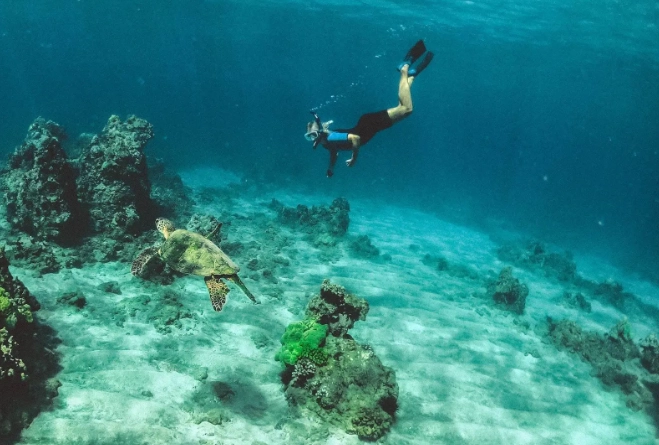
This isn't a generic roundup. It's a breakdown from someone who's floated over those reefs, gotten saltwater in their mask, and learned the hard way about timing the tides. We'll talk about the postcard-perfect locations you've heard of, but also the trade-offs. Some "top" spots can be disappointing if you go at the wrong time of year. Others are absolutely magical but require a bit more effort to reach. My goal here is to give you the full picture, the good and the occasionally frustrating, so you can plan a trip that matches your expectations. Because the best snorkeling in Costa Rica isn't just about a location on a map; it's about the right conditions, the right preparation, and managing your hopes against reality.
The Top Contenders: Breaking Down Costa Rica's Best Snorkeling Spots
Okay, let's dive into the specific places. I'm going to group them by region because where you're staying in Costa Rica will majorly influence your choice. Trying to snorkel the Caribbean coast from a hotel in Guanacaste is a multi-day trek, not a day trip. Here’s the real scoop on each major area.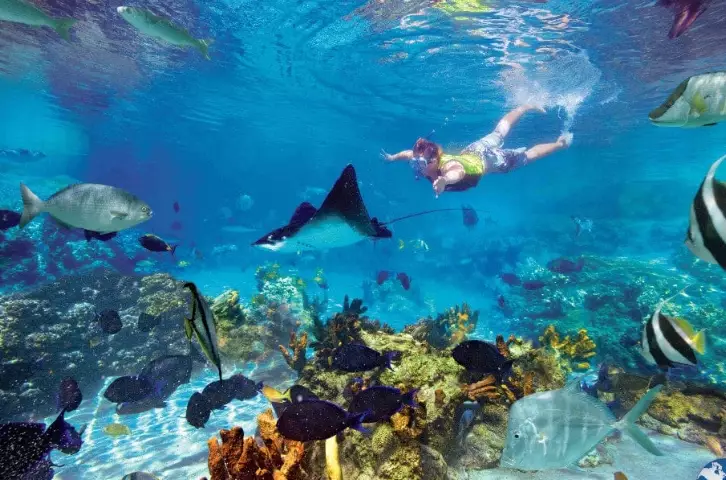
The Pacific Powerhouses: Guanacaste & The Nicoya Peninsula
This is the dry, golden region most people imagine. The snorkeling here is generally reliable from December through April (the dry season), but can get choppy and cloudy the rest of the year. The sites are mostly offshore islands, meaning you need a boat tour.
The Catalina Islands: This is probably the most advertised spot for the best snorkeling in Costa Rica's north Pacific. It's a chain of rocky islets off the coast of Flamingo/Tamarindo. The draw? Massive schools of tropical fish, occasional eagle rays, and if you're incredibly lucky, a passing manta ray. The rock formations are beautiful. However, it's very popular. On a busy day, you might share the water with several other boats. The current can also be strong—not ideal for absolute beginners or weak swimmers. I found the fish life fantastic, but the experience felt a bit like a conveyor belt.
Playa Ocotal & Nearby Reefs: A quieter alternative. Some local operators run trips from Ocotal beach to nearby reefs that are less frequented than the Catalinas. The visibility might not be as consistently stellar, but you often get a more relaxed, personalized trip. Good for spotting pufferfish, angelfish, and moray eels tucked into the rocks.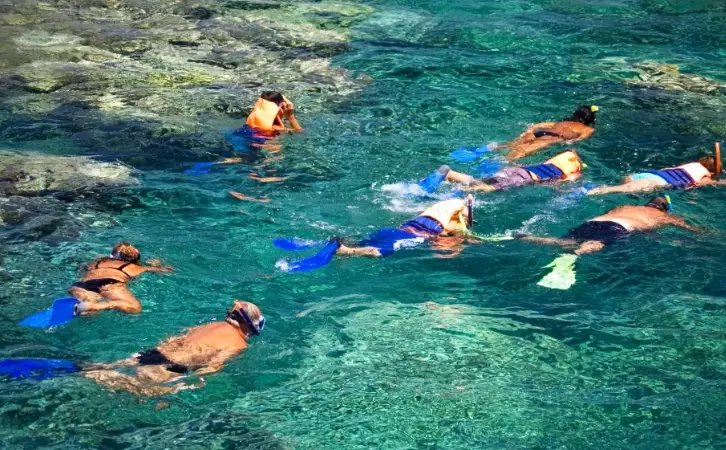
The Osa Peninsula & Southern Pacific: The Untamed Frontier
This is where you go for a more adventurous, wild feel. The water is often clearer here than further north, and the marine life is prolific because it's less pressured.
Isla del Caño (Caño Island Biological Reserve): This is the holy grail for many. A protected biological reserve about 10 miles off the coast near Drake Bay or Uvita. The regulations are strict (limited boats, no touching, etc.), which keeps the reefs healthy. The visibility is frequently exceptional—I've seen 60 feet on a good day. You're almost guaranteed to see sea turtles, huge schools of snapper, and if you're snorkeling over the right spot, white-tip reef sharks sleeping on the sandy bottom. It's breathtaking. The downside? It's a commitment. You need to stay in Drake Bay or the Uvita/Dominical area, and the boat ride is 45 minutes to over an hour each way in open ocean. It can be rough. It's also one of the more expensive tours. But if you ask me for the single best snorkeling in Costa Rica in terms of pristine environment and awe-factor, Caño Island is my top pick.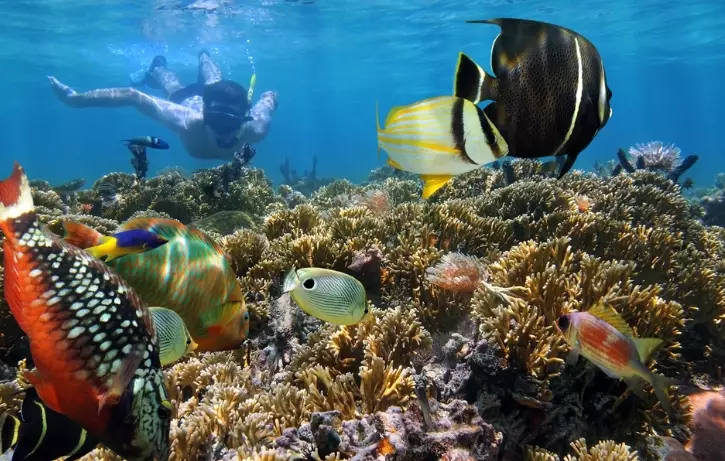
Marino Ballena National Park (Whale's Tail): Famous for its whale-tail-shaped sandbar, the snorkeling here is along the rocky points that form the "tail." It's unique because you can sometimes access decent spots from the shore at low tide, though a kayak or short boat trip gets you to better areas. The highlight here is the seasonal migration. You come for the humpback whales (Dec-April & July-Nov), but the snorkeling can be surprisingly good too, with colorful reef fish and lots of urchins. Visibility is variable—great on a calm morning, murky after rain or wind.
The Caribbean Coast: A Different Vibe
The water is bathwater warm and often calmer than the Pacific. The reef system is different—more seagrass, patch reefs, and coral cayes.
Cahuita National Park: This is the star of the Caribbean side for snorkeling. The park protects a vibrant reef system very close to shore. You take a boat from Cahuita town, and they drop you on the reef. I saw a spotted eagle ray gliding right beneath me here—a magical moment. The coral formations (brain coral, elkhorn) are more prominent than on much of the Pacific coast. However, "good visibility" here means 30-40 feet on a great day. It's often less. The weather is also less predictable; a sudden rain shower can cloud the water quickly. It's a wonderful, laid-back experience, but manage your expectations for crystal-clear blue water.
Gandoca-Manzanillo Wildlife Refuge & Punta Uva: Further south, near Puerto Viejo, these areas offer more secluded snorkeling. Punta Uva has a lovely, calm beach with some rocky outcrops you can swim to. Gandoca requires a guide and a boat to reach the best offshore reefs. The Caribbean side shines for biodiversity; you're more likely to see lobsters, nurse sharks, and a wider variety of coral here than on the Pacific, even if the vistas aren't as wide-open.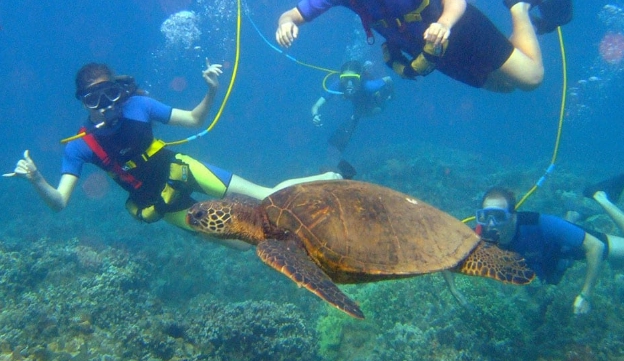
| Spot | Best For | Best Time of Year | Access (Boat/Shore) | My Experience Note |
|---|---|---|---|---|
| Isla del Caño | Pristine reefs, big animal encounters (turtles, sharks), clear water | Dry Season (Dec-Apr) | Long boat ride (45min-1.5hrs) | The gold standard, but a mission to get to. Worth it for serious snorkelers. |
| Catalina Islands | Dramatic rock formations, large fish schools, convenience from N.W. resorts | Dry Season (Dec-Apr) | Moderate boat ride (30-45 mins) | Can feel crowded. Great wildlife, but less "wild" feeling. |
| Cahuita National Park | Calm water, coral diversity, unique Caribbean species | Less rainy periods (Feb-Apr, Sep-Oct) | Short boat ride or guided swim from shore | Visibility is a roll of the dice. Amazing when it's good, disappointing when it's not. |
| Marino Ballena | Combining snorkeling with whale watching, unique geography | Dry Season & Whale seasons (Dec-Apr, Jul-Nov) | Shore (limited) or short boat/kayak | A great "bonus" activity. Don't make it the sole snorkeling goal of your trip. |
| Playa Ocotal / Hidden Reefs | Avoiding crowds, smaller group tours | Dry Season (Dec-Apr) | Short boat ride | An underrated gem if you find a good operator. More intimate. |
When to Go: Timing is Everything for the Best Snorkeling in Costa Rica
This might be the most important section. You can go to the best spot on the planet, but if you go at the wrong time, you'll see a murky, choppy mess. Costa Rica has two coasts with different weather patterns.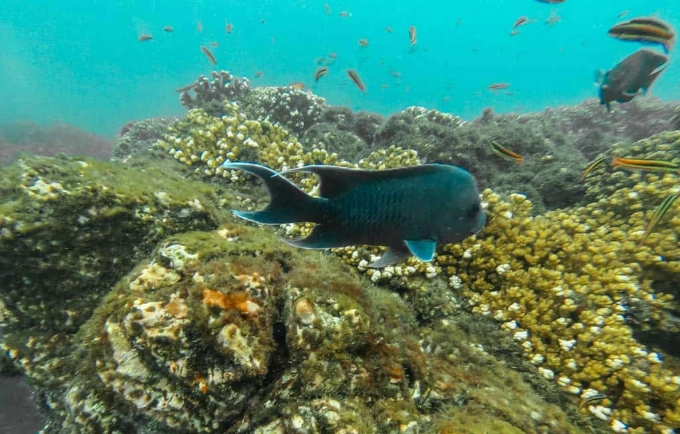
Pacific Coast (Dry Season - Dec to April): This is the prime window. Skies are clear, winds are low, and the ocean is calm. Visibility is at its peak. This is when you book your trips to Caño Island or the Catalinas. It's also peak tourist season, so book tours in advance. Water temperatures are pleasant.
Pacific Coast (Green Season - May to Nov): It rains more, especially in the afternoons. The ocean can get rougher, and rain runoff from rivers clouds the coastal water. Visibility drops significantly. Snorkeling tours still run, but they may be canceled due to weather, and even if they go, the experience is often inferior. I made the mistake of trying to snorkel in Guanacaste in early June once. The boat ride was bumpy, and the water looked like green tea. Not recommended if snorkeling is a priority.
Caribbean Coast: Its weather is opposite! The driest, sunniest period is often February to April and a window in September to October. The worst weather is usually November and December. So, if you're planning a Caribbean snorkeling trip, aim for those drier windows for the best chance at clear water.
Beyond the Location: Pro Tips & Real Talk for Your Snorkel Adventure
Knowing where to go is half the battle. Here’s the other half—the practical, on-the-ground advice that turns a good trip into a great one.
- Choosing a Tour Operator: Don't just pick the cheapest one from a street vendor. Look for operators with smaller boats (10-15 people max). Ask them: How many sites do we visit? Do you provide guidance in the water? What's your policy if the weather is bad? A good guide will get in the water with you, point out creatures, and keep the group safe. I've had fantastic experiences with smaller, eco-focused companies like those listed on the official Visit Costa Rica tourism site. They often have partnerships with reputable local guides.
- What to Bring: Most tours provide mask, snorkel, and fins. But if you're particular (or wear glasses), consider bringing your own mask. Reef-safe sunscreen is non-negotiable. The chemicals in regular sunscreen damage the corals you're there to see. Pack a rash guard or long-sleeved swim shirt—it protects you from the sun and sometimes jellyfish. A waterproof bag for your phone, a towel, and plenty of water.
- Safety First (Seriously): The ocean is not a pool. Currents can be strong, especially around islands. Listen to the safety briefing. If you're not a strong swimmer, use a floatation vest (they usually provide them). Don't touch anything. Fire coral gives a nasty sting, and sea urchin spines are no fun. Respect the marine life. Chasing a turtle stresses it out. For comprehensive safety guidelines, organizations like PADI have great resources for responsible snorkeling practices.
- Managing Expectations: You're going to a wild, natural environment. You might not see a shark or a manta ray. Some days the fish are shy. Sometimes a rain shower passes through. The boat ride might be wet and bumpy. Embrace it as part of the adventure. The best snorkeling in Costa Rica comes with a side of unpredictability.
The goal isn't to conquer a checklist of animals. It's to float quietly and become a guest in an underwater world that was thriving long before you arrived. The magic happens when you stop swimming frantically and just drift.
Your Questions, Answered (The Stuff You're Actually Wondering)
Let's tackle the specific doubts popping into your head right now.
Final Thoughts: Making Your Choice
So, after all this, where should you go for the best snorkeling in Costa Rica?
If you want a guaranteed great experience with minimal hassle and are staying in the northwest (Tamarindo, Conchal, Flamingo), book a high-quality tour to the Catalina Islands. Ask for a smaller boat.
If snorkeling is a central pillar of your trip and you're willing to build your itinerary around it, journey to the Osa Peninsula and make the pilgrimage to Isla del Caño. It's the pinnacle.
If you're exploring the lush south Pacific or are a wildlife enthusiast who also wants to see whales, incorporate a trip in Marino Ballena National Park.
If you're on the Caribbean side, seeking warm, calm water and a funky vibe, Cahuita National Park is your spot—just cross your fingers for good visibility.
There's no single right answer.
But there is a wrong one: going in blind. Now you're not. You know about seasons, currents, crowds, and the real differences between a postcard and the actual experience. You know that finding the best snorkeling in Costa Rica is about matching the place to your travel style, your comfort in the water, and your timing.
The reefs are waiting. Just remember the reef-safe sunscreen.
Reader Comments