That first glimpse into the underwater world is magic. Fish darting through coral, rays gliding over sand, sunlight filtering down. It's all right there, just below the surface. But trying to figure out what gear you need to actually see it all can feel like you need a scuba certification before you even start. Rental gear is often leaky, foggy, and just plain gross. Buying your own? The options are overwhelming.
This guide is your straightforward, no-nonsense map to navigating the snorkeling gear aisle. We're cutting out the marketing fluff and focusing on what actually matters for your comfort, safety, and enjoyment. I've spent years guiding beginners, and I've seen the same simple mistakes turn a dream trip into a frustrating mess. Let's make sure that doesn't happen to you.
What You’ll Learn in This Guide
The Mask: Your Window to the Underwater World
Get this right, and everything else gets easier. Get it wrong, and you'll spend your whole trip fighting leaks, clearing fog, and missing the show. The mask is non-negotiable.
Forget color and style for a second. Fit is king. A mask must form a perfect seal around your face, regardless of your nose shape, brow ridge, or cheekbones. The most common mistake I see? People choosing a mask that "looks cool" or has a fancy tinted lens, but presses uncomfortably on their forehead or leaves gaps at the cheeks.
The Foolproof Mask Fit Test
Never buy a mask without doing this. In the store, follow these steps:
- Place the mask gently on your face without putting the strap over your head.
- Tilt your head forward slightly. Let the mask settle.
- Inhale gently through your nose and hold your breath. The mask should suction onto your face and stay there without you holding it.
- Keep holding your breath. Does it stay sealed? Good. Now, without breaking the seal, look down, left, and right. Does it hold? Excellent fit.
If it falls off when you inhale or breaks seal when you move your face, it's the wrong mask for you. Try another. This test eliminates 90% of fit problems before you even get in the water.
My personal blunder: On my first trip, I bought a mask online because it was rated "best for wide faces." It leaked constantly because the skirt was too stiff for my specific cheekbones. I wasted two days of diving before borrowing a guide's spare mask—a cheap, simple model that fit me perfectly. Lesson learned: in-person testing is priceless.
Beyond fit, here’s what to look for:
- Lens Material: Tempered glass is mandatory for safety (it shatters into dull pieces, not sharp shards). Plastic lenses scratch easily and distort vision.
- Skirt Silicone: Clear or translucent silicone lets in more light and feels less claustrophobic for beginners. Black silicone is great for reducing glare but can feel more "tunnel-like."
- Field of View: A low-volume mask (sits closer to your face) is easier to clear of water. Some masks have a wider peripheral view, which is nice but not essential for starters.
Expect to spend between $40 and $100 for a quality beginner mask from brands like Cressi, TUSA, or Aqua Lung. This is where your budget should focus first.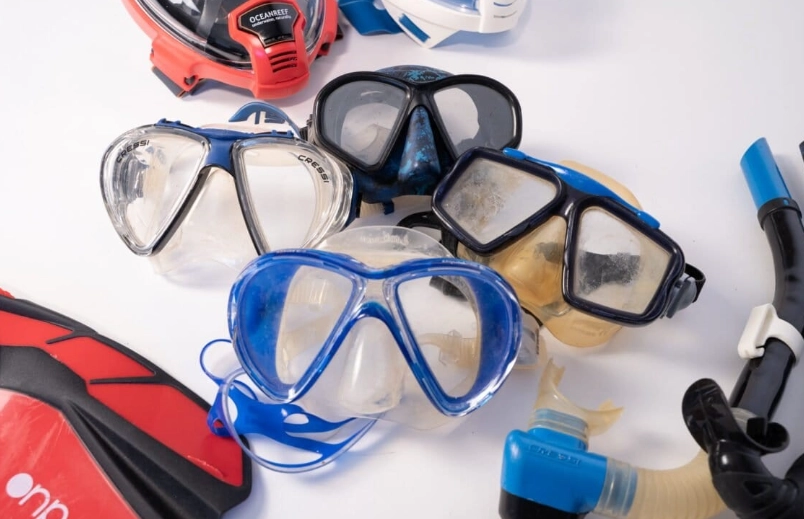
The Snorkel: Your Breathing Tube, Simplified
The snorkel's job is simple: provide an air channel from above the water to your mouth. Modern snorkels add features to make that job foolproof. Forget the basic J-tube you see in cartoons. For beginners, you want either a dry snorkel or a semi-dry snorkel.
Here’s the breakdown:
| Type | How It Works | Best For... | A Key Consideration |
|---|---|---|---|
| Dry Snorkel | Has a floating ball or mechanism in the top that seals the tube when submerged. Prevents almost all water entry. | Absolute beginners, choppy water, or anyone who wants maximum peace of mind. | Can be slightly more buoyant and bulkier. The mechanism can sometimes stick if sand gets in it. |
| Semi-Dry Snorkel | Has a splash guard (a baffle) at the top to deflect waves and spray, but water can still enter if fully submerged. | Beginners who are comfortable clearing the tube with a sharp exhale. A great middle-ground. | Less bulky than a full dry snorkel. You still need to know how to clear it, but you'll do it less often. |
| Traditional/Wet Snorkel (J-Style) | Just a simple tube. Water enters freely if the top goes under. | Experienced snorkelers, freedivers, and those who want minimal gear. | Not recommended for beginners. Requires frequent and confident clearing. |
A dry snorkel is the ultimate training wheel. It lets you focus on breathing and looking around, not on technique. The one subtle error I see? People think the "dry" top is 100% magic. If you dive down forcefully or get tumbled in a wave, water can still get past the seal. You still need to know how to give a sharp exhale (a "blast clear") to clear it, but you'll only need that skill in 1 out of 10 scenarios instead of 9 out of 10.
Look for a comfortable, flexible mouthpiece made of medical-grade silicone. A purge valve at the bottom can help drain any residual water, but it's not essential if you have a good dry top.
Fins 101: Moving Efficiently, Not Just Kicking Hard
Fins aren't about speed; they're about efficiency. Good fins turn a small leg motion into a big push, conserving your energy so you can snorkel longer. The wrong fins will have your calves cramping in 20 minutes.
For beginners, the big choice is: Full-Foot Pockets vs. Adjustable Open-Heel Fins.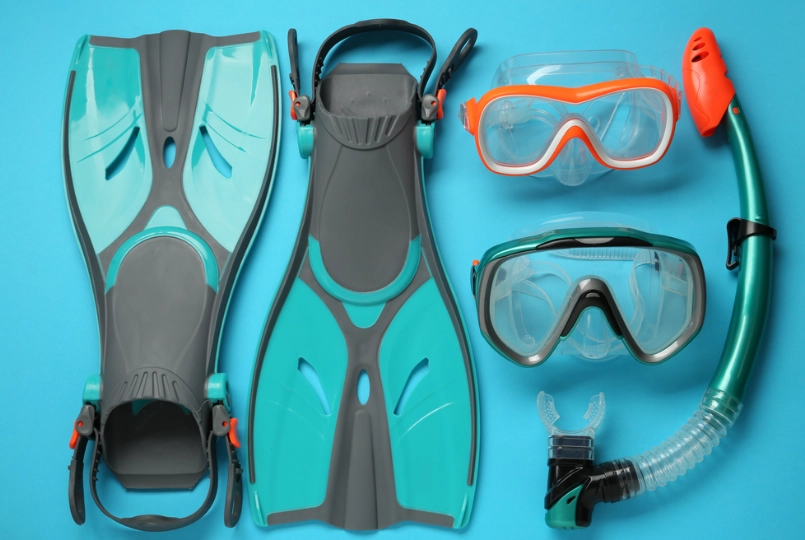
Full-Foot Fins are like slip-on shoes. They're lighter, simpler, and often cheaper. The catch? They need to fit your bare foot perfectly—not too tight, not too loose. They offer no protection from rocks or hot sand, and they can be brutal on your ankles if you're not used to the motion.
Adjustable Open-Heel Fins have a heel strap you tighten. You wear them with neoprene booties (socks). This is my strong recommendation for most beginners. Here’s why:
- Versatile Fit: The strap and bootie accommodate different foot sizes and shapes better.
- Protection: Booties protect your feet from sharp coral, hot sand, and rocky entries.
- Comfort & Warmth: The bootie cushions your foot and provides a bit of warmth.
- Better Leverage: Many find the stiffer blade and foot pocket of an open-heel fin provide more powerful propulsion with less effort.
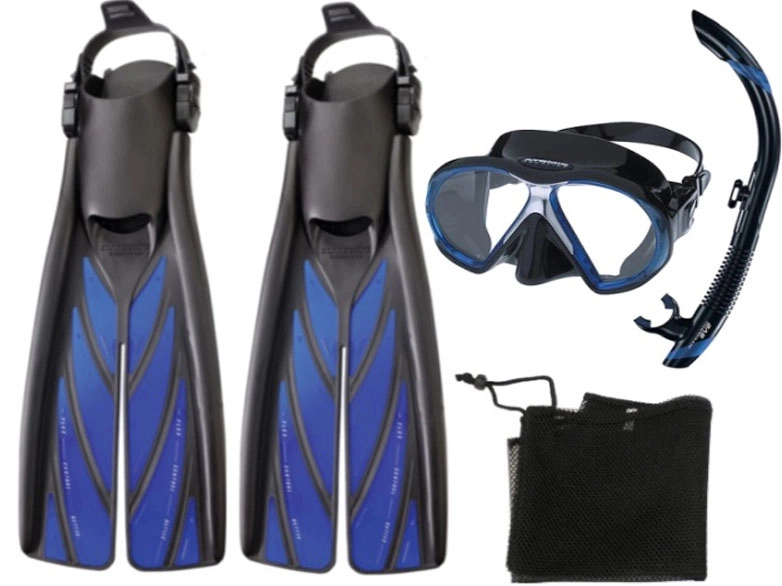
The blade should have some flex—too stiff is exhausting, too floppy gives no power. A channeled blade design helps direct water flow for efficiency. Brands like Mares, Cressi, and Oceanic make great beginner-friendly models in the $50-$120 range.
One pro tip rarely mentioned: if you go the open-heel route, buy the booties first, then try on the fins while wearing them. The fit is completely different.
The Extras: What's Essential and What's Just Nice to Have
With the Big Three (mask, snorkel, fins) covered, let's talk about the supporting cast.
Snorkeling Vest or Buoyancy Aid: This is a lightweight, inflatable vest you wear. It’s not a substitute for knowing how to swim, but it’s a fantastic safety and confidence tool. You can inflate it for a rest, add a bit of buoyancy if you're tired, or deflate it to dive down. Many tour operators now require them. For a beginner, it's a wise investment in peace of mind.
Rash Guard or Wetsuit Top: Sun protection is critical. A simple Lycra rash guard protects your back from sunburn without the mess of sunscreen (which can harm coral). If you're in cooler water (below 78°F/25°C), a 1-2mm neoprene shorty or top adds warmth and buoyancy.
Mesh Gear Bag: Get a bag specifically designed for wet gear. The mesh allows sand and water to drain out, preventing that lovely mildew smell from developing in your hotel room.
Anti-Fog Solution: Even the best mask will fog without treatment. Baby shampoo is a cheap, effective field solution. Dedicated gels work well too. Avoid spit if you can—it works, but it's not as long-lasting.
Here’s a quick-start checklist for your first kit:
| Item | Priority | Budget Estimate |
|---|---|---|
| Well-Fitting Mask | Essential | $40 - $100 |
| Dry or Semi-Dry Snorkel | Essential | $25 - $60 |
| Adjustable Open-Heel Fins | Essential | $50 - $120 |
| Neoprene Booties | Highly Recommended | $20 - $40 |
| Snorkeling Vest | Recommended (Safety) | $30 - $70 |
| Rash Guard | Recommended (Sun Protection) | $25 - $50 |
| Mesh Gear Bag | Nice to Have | $15 - $30 |
Gear Care: Make Your Kit Last for Years
Salt, sun, and sand are the enemies of gear. A little care goes a long way.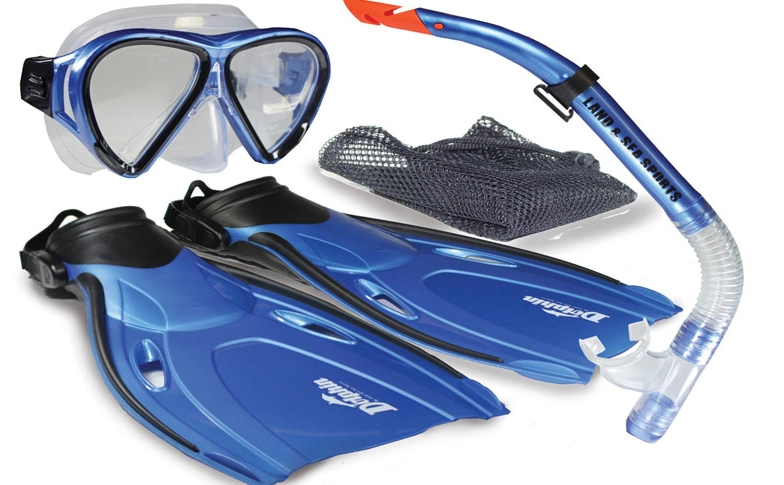
- Rinse Thoroughly: After every use, soak everything in fresh, cool water for 15-20 minutes. Don't use hot water—it can degrade silicone and neoprene.
- Dry in the Shade: Never leave your mask, snorkel, or fins in direct sunlight to bake. UV radiation makes silicone brittle and causes colors to fade.
- Store Properly: Keep your mask in its protective box to prevent the lens from getting scratched. Don't store fins bent or under heavy objects.
- No Touching the Lens: I know I said it before, but it's worth repeating. The oils on your fingers are the #1 cause of fogging. Handle the mask by the frame or skirt.
Following organizations like PADI for general snorkeling safety guidelines or NOAA for information on marine protected areas can help you become a more responsible snorkeler, but the core maintenance is all about that fresh water rinse.
Quick Answers to Common Beginner Questions
What is the single most important piece of snorkeling equipment for a beginner?
The mask, by a huge margin. A leaky, foggy mask ruins the experience completely. Investing time and money in finding one that fits your unique face shape is the best thing you can do. Everything else is secondary.
Should a beginner use a dry snorkel or a traditional J-style snorkel?
Start with a dry snorkel. The confidence boost is worth the slight extra bulk. It lets you learn to breathe comfortably and observe without the constant worry of swallowing water. Once you're completely comfortable and maybe want to try diving down more, you can consider a simpler tube.
 Can I just use my swimming fins for snorkeling?
It's a bad idea. Pool fins are short and stiff, designed for explosive kicks. Snorkeling fins are longer and more flexible, meant for efficient, relaxed cruising. Using swimming fins will exhaust you quickly and might even cause cramps. The right tool makes the activity enjoyable.
How do I prevent my new snorkel mask from fogging up?
First, scrub the inside lens with toothpaste or a dedicated anti-fog gel before first use to remove the factory coating. In the water, a drop of baby shampoo smeared inside, given a quick dunk, works wonders. The old trick of spitting in it does work in a pinch—enzymes in saliva break the surface tension of water droplets—but it's less effective and, well, a bit gross.
Reader Comments