Quick Navigation
Let's be honest. When you're planning a trip to Roatan, the images that flood your mind are of crystal-clear water, vibrant coral, and fish in every color imaginable. And then you look at tour prices. A boat trip for a family can easily run into hundreds of dollars. That's where the dream of free snorkeling in Roatan starts to whisper. Is it real? Can you just walk into the water and see a world-class reef?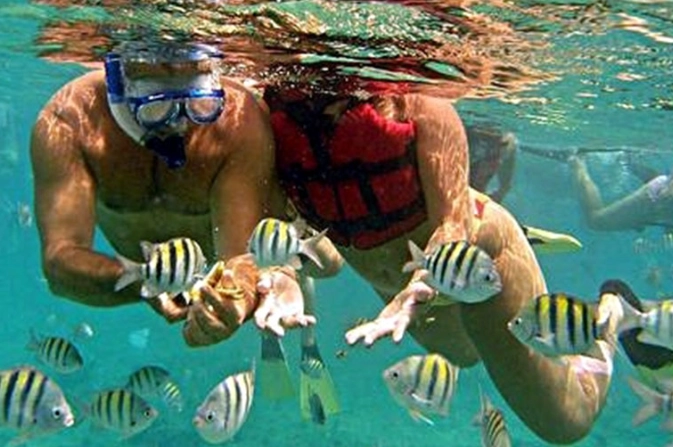
The short answer is a resounding yes. But like anything worthwhile, there's a right way and a wrong way to do it. I've spent weeks on the island, sometimes on a tight budget, searching for those perfect spots where the reef meets the shore. I've had breathtaking days and a few disappointing ones (more on that later). This guide isn't a list copied from a brochure. It's the practical, no-fluff information I wish I'd had before my first trip.
The Big Picture: Roatan is part of the Mesoamerican Barrier Reef System, the second-largest in the world. A huge portion of this reef runs incredibly close to the island's shoreline, especially along the south coast. This geological gift is what makes free snorkeling in Roatan not just possible, but spectacular.
The Ultimate Spots for Free Snorkeling in Roatan
Not all shore access is created equal. Some places are easy, some require a bit of a walk, and others are only calm on certain days. Here’s the real breakdown, based on accessibility, reef health, and overall experience.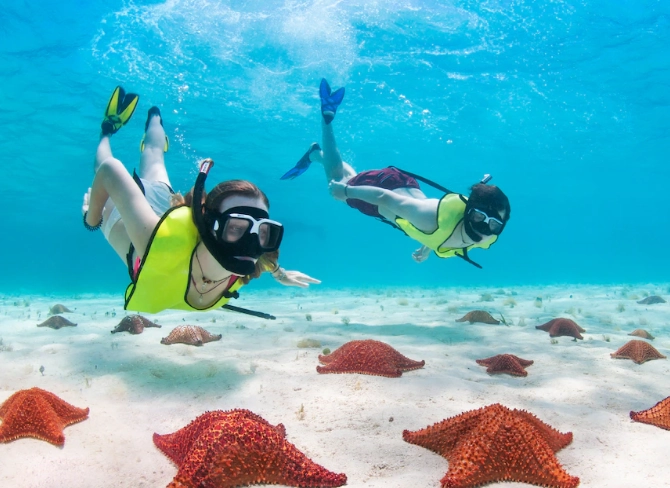
| Spot Name | Location (Near) | What You Need | Best For | The Vibe |
|---|---|---|---|---|
| West Bay Beach | West Bay | Just you & your gear. Public access between resorts. | Beginners, Families, Ease. | Busy, sandy entry, reef starts ~50m out. Amazing coral walls. |
| Half Moon Bay | West End | Gear. Access via beach clubs (small fee for chair) or public spots. | Convenience from West End, variety. | Relaxed. Reef is close, good for turtles & rays. |
| Pillar Coral Beach | Sandy Bay (Marine Park) | Car/taxi, gear. Look for small public beach access signs. | Serious snorkelers, coral lovers. | Quiet, local. Massive pillar coral formations right offshore. |
| Gibson Bight (Mangrove Channel) | Between French Harbour & Jonesville | Car, adventurous spirit. Not always calm. | Adventure, unique ecosystems. | Wild, natural. Snorkel from mangrove channel to reef. |
| Camp Bay Beach | East End | Car, check wind conditions. Can be choppy. | Escaping crowds, long sandy beach. | Remote, local community. Reef is a swim out but pristine. |
West Bay is the undisputed champion for easy, incredible free snorkeling in Roatan. You park (or get a taxi), walk onto the sand, and swim out. The reef is so close it feels like cheating. But go early. After 10 AM, the boats arrive and the sandy entry area gets crowded.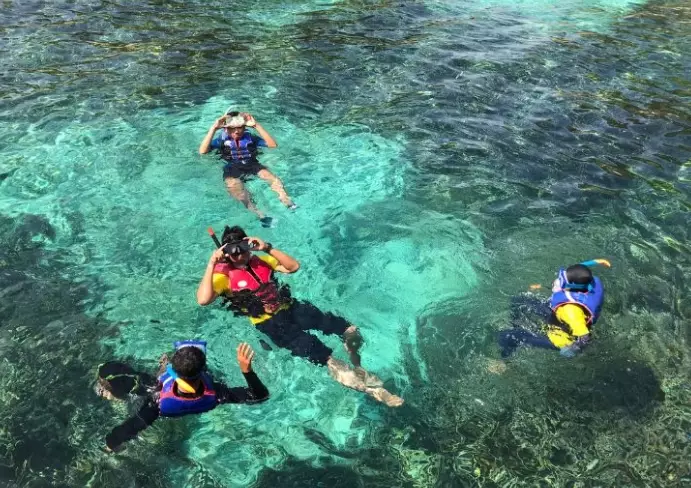
West Bay: A Closer Look
Everyone talks about West Bay, but nobody tells you the little secrets. The reef runs parallel to the entire beach, but the quality changes.
- The Main Area (in front of Infinity Bay): This is the busiest. The sandbar makes for an easy walk out before you swim. The reef here is healthy but sees a lot of traffic. Look for the channel between the beach and the reef—it's a fish highway.
- Towards the Rocks (West End): If you walk left down the beach towards the large rocks separating West Bay from West End, the crowds thin. The reef comes even closer here, and you'll find more interesting overhangs and swim-throughs. The entry is a bit more rocky though.
- Key Tip: High tide is best. It gives you more water over the reef crest, making it easier and safer to navigate without touching anything.
Half Moon Bay & West End Village
Staying in West End? You're in luck. Half Moon Bay, at the east end of the main street, offers fantastic and convenient free snorkeling in Roatan. You can enter from the beach at any of the waterfront bars or dive shops. A small purchase or a chair rental fee is often appreciated for using their facilities, but water access is generally free.
The reef here is a mix of seagrass beds (look for turtles munching!) and coral patches that lead to a steeper wall. It's less intense than West Bay's immediate wall, which can be great for beginners who want to ease in.
What "Free" Really Means: Costs You Can't Avoid
Okay, let's get real. "Free" means no paid boat or guide. It does not mean zero cost or zero responsibility. Here's the honest breakdown of what you'll need to invest in for a safe and enjoyable time.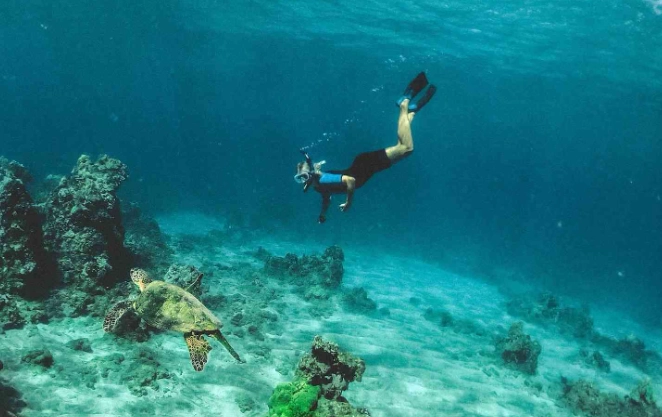
The Non-Negotiable Basics:
- Your Own Gear: Renting daily adds up fast. For a week-long trip, bringing your own mask, snorkel, and fins is cheaper and more hygienic. A good-fitting mask is the difference between a magical hour and a frustrating, leaky mess. Don't cheap out here.
- Reef-Safe Sunscreen: This is non-negotiable. Chemicals in regular sunscreen (oxybenzone, octinoxate) bleach and kill coral. It's also banned in many parts of Honduras. Brands like Stream2Sea or Badger are widely recommended. Apply it 15 minutes before entering the water.
- Transportation: You need a way to get to these spots. Roatan's public buses ("colectivos") are cheap but don't always go to specific beach accesses. Taxis from West End to West Bay are about $5-10 per person. Renting a car gives ultimate freedom but costs $50-80/day.
- Hydration & Snacks: Snorkeling is exercise. You'll get thirsty. Bring water in a reusable bottle. Most public access points have no vendors.
See? The activity itself—entering the water and seeing the reef—is free. The logistics around it have a cost. Budgeting $20-30 a day for transport, water, and a post-snorkel smoothie is realistic.
Safety First: The Unspoken Rules of Shore Snorkeling
This is the most important section. I've seen tourists get into trouble because they underestimated the ocean. A boat guide isn't there to watch you, so you have to be your own guide.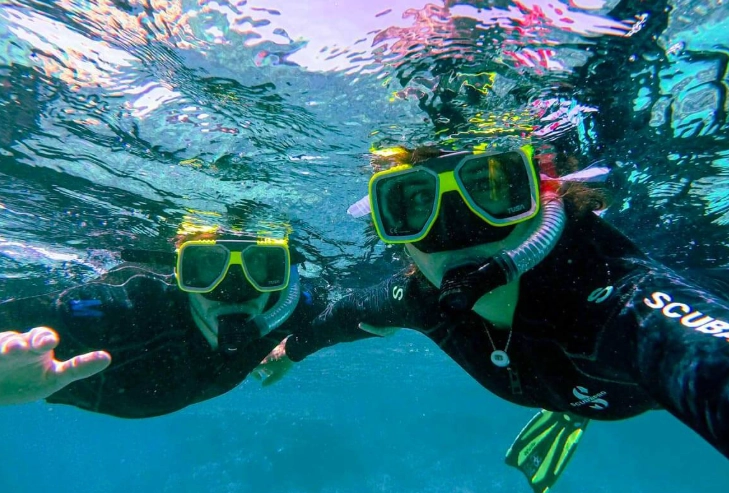
Know Your Conditions
Check the wind. Roatan's south shore is usually calm, but a strong southern breeze can churn up the water, reduce visibility, and make exiting the water tricky. East End spots like Camp Bay are more exposed and can be rough. If it's windy, stick to the protected bays of West Bay or Half Moon Bay.
Understand currents. Generally mild near shore, but especially in West Bay, a current can run along the reef. It's usually not strong, but be aware. Swim against it at the start of your session so you have an easy drift back.
Marine Life Etiquette & Safety
You're a visitor in their home.
- Do Not Touch Anything. Not the coral (it kills it), not the sea urchins (their spines break off in your skin—painful!), not the fish. Coral cuts are nasty and get infected easily.
- Buoyancy is Key. Practice floating horizontally using gentle fin kicks. If you're vertical and kicking, your fins will smash into the coral. If you're not a confident swimmer, use a snorkeling vest. No shame in it.
- Watch for Boats. Especially in West Bay. Stay within the swimming/snorkeling areas, usually marked by buoys. Look up every minute or so when you're near channels.
- The Moray Eel Note: You might see one peeking from a hole. They're curious, not aggressive. Just give them space. Never try to feed them.
Be a Reef Hero: The reef is under stress globally. Your actions matter. Besides using reef-safe sunscreen, practice good buoyancy, never anchor yourself by grabbing coral, and take all your trash back with you—even fruit peels. Consider reporting your sightings to citizen science projects like REEF.org, which helps track fish populations. Supporting the local Roatan Marine Park through donations or by volunteering for a beach clean-up is a fantastic way to give back.
Gear Talk: What You Actually Need
Forget the fancy gadgets. Here's the minimalist's packing list for successful free snorkeling in Roatan.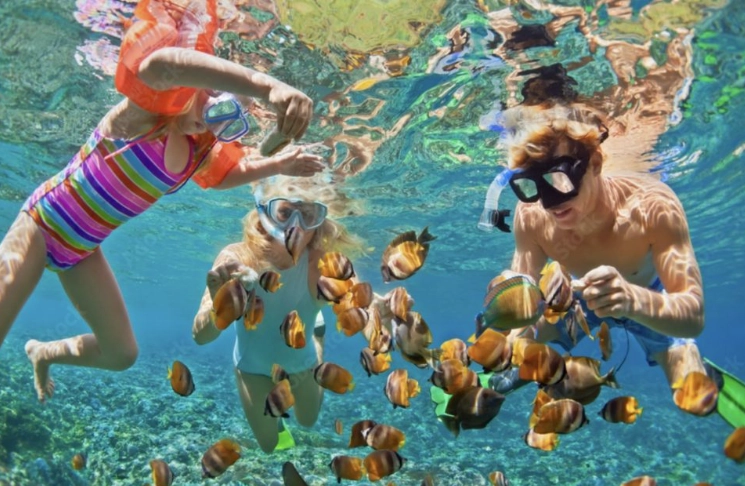
The Core Three:
- Mask: Must fit your face perfectly. Do the suction test—place it on your face without the strap, inhale slightly through your nose. It should stay put. A silicone skirt is more comfortable than rubber. Consider a mask with a wider field of view.
- Snorkel: A simple J-shaped snorkel is often better than a complex dry snorkel (which can jam). Just make sure it has a comfortable mouthpiece.
- Fins: Open-heel fins with booties are ideal for rocky entries (like Pillar Coral Beach). Full-foot fins are fine for sandy entries like West Bay. Don't get ones that are too long; you'll be maneuvering near coral.
The Game Changers:
- Rash Guard/Long-Sleeve Swim Shirt: This is your primary sun protection. It eliminates the need to reapply sunscreen constantly on your back and shoulders. A must-have.
- Water Shoes: For those rocky or unknown entries. A cheap pair from a discount store works.
- Waterproof Dry Bag: To keep your keys, phone, and wallet safe and dry on the beach while you're in the water.
Your Questions, Answered (The Real Ones)
I get it. You're scrolling forums and have specific worries. Let's tackle them head-on.
Is free snorkeling in Roatan as good as a boat tour?
It's different, not necessarily worse. Boat tours take you to specific, often deeper sites like the famous Blue Channel or Valley of the Kings, which can have bigger fish and dramatic drop-offs. Shore snorkeling gives you unlimited time at your own pace. The reefs right off West Bay are considered some of the best on the island, period. For a first-timer or a budget traveler, the free option is overwhelmingly fantastic.
I'm not a strong swimmer. Can I still do this?
Yes, but you must be smart. Stick to West Bay on a calm day. Use a snorkeling vest or a floatation belt. Go at high tide when the water is deeper over the reef shelf, making it easier to float. Never go alone. Stay in water shallow enough that you can stand up if you need to (but watch for coral when standing!).
What about sea urchins? I'm terrified of stepping on one.
This is a valid fear. Their spines hurt. The solution: look where you're walking in shallow water. Wear water shoes if the entry is rocky. In sandy areas like West Bay, they're rarely an issue. If you do get spined, the local remedy is to soak the area in hot water (as hot as you can stand) to break down the protein in the spine. Vinegar also helps. Carry a small first-aid kit.
Are there sharks?
You might see a nurse shark resting under a ledge. They are harmless, docile creatures that will swim away if you approach. Seeing one is a privilege, not a danger. The chance of encountering any other type of shark while snorkeling on the reef is astronomically low.
How do I know where the public access points are?
Look for small, often hand-painted signs that say "Public Beach Access" or "Acceso Publico a la Playa." They are usually narrow paths between houses or resorts. In West Bay, the main public access is a clearly marked path near the center of the beach. Using satellite view on Google Maps is a great way to scout them out before you go.
Making it Happen: A Sample Day for Free Snorkeling in Roatan
Let's stop theorizing and plan a perfect day. Here's what I'd do.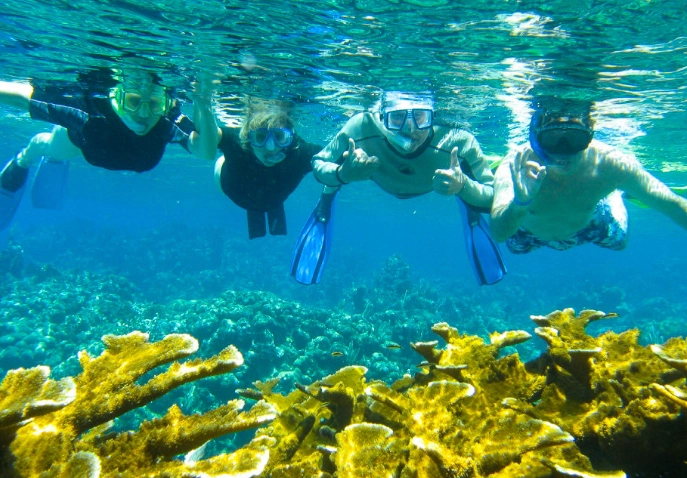
Morning (8:00 AM - 11:00 AM): Grab a taxi from West End to West Bay ($5-10 per person). Arrive early, before the cruise ship crowds and tour boats. Enter the water near the main public access. Spend two hours exploring the reef. The morning light is perfect, and the water is calmest.
Mid-Day (11:30 AM - 1:30 PM): Get out of the sun! Walk down the beach and grab a casual lunch at one of the local grills (try the fried fish or a baleada). Rehydrate with plenty of water.
Afternoon (2:00 PM onwards): The wind might pick up slightly. This is a good time to explore the shallower, calmer areas of Half Moon Bay back in West End. Taxi back or, if you're feeling energetic, take the scenic water taxi (a fun experience itself). Snorkel the seagrass beds for turtles, then relax at a beach bar with a cold drink.
Total cost for the day? Transport ($15-20), Lunch ($10-15), maybe a chair rental ($5). For under $50, you've had a world-class snorkeling experience on your own terms.
The Bottom Line
Free snorkeling in Roatan is absolutely real and can be the highlight of your trip. It democratizes the experience of one of the world's great natural wonders. It's not about cutting corners; it's about self-reliance, respect for the environment, and discovering the magic at your own pace.
The key is preparation. Get the right gear, understand the conditions, respect the reef, and choose your spot based on your skill level. Do that, and you'll have stories and memories that rival those of people who spent ten times as much.
The island's greatest treasure isn't locked behind a paywall. It's right there, under the surface, waiting for you to take the plunge. Just remember to look, don't touch, and take only pictures.
Reader Comments