You're floating above a coral garden, and a turtle glides into view just ahead. You give a few kicks, but it feels like you're moving through syrup. The turtle drifts away, and you're left breathing hard, your calves already burning. Sound familiar? Most snorkelers blame their fitness. I blamed mine for years. Turns out, I was just wearing the wrong fins.
The right snorkeling fins for speed don't just make you faster; they make the entire experience effortless. You cover more ground with less energy, keep up with marine life, and handle mild currents without panic. This isn't about racing; it's about unlocking freedom in the water.
What You'll Learn in This Guide
How Do Fins Actually Make You Faster?
It's simple physics. Fins increase the surface area of your foot, displacing more water with each kick. More water pushed backward = more forward thrust. But there's a nuance everyone misses.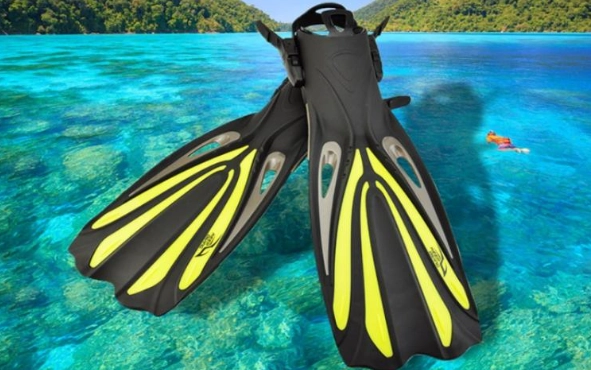
Efficiency matters more than raw power. A poorly designed long fin can feel powerful but forces a slow, laborious kick that drains your oxygen and tires specific muscles. A good speed fin optimizes the transfer of energy from your leg muscles to the water. It has the right balance of flex and rigidity, so it loads and releases energy like a spring. You get a powerful propulsive phase with a relaxed recovery.
Think of it like gears on a bike. Swimming without fins is like riding in a high gear uphill—hard work. The right fin puts you in an optimal gear for covering distance.
Key Factors in a Speed-Oriented Snorkeling Fin
Not all fins are built for the same purpose. Scuba divers need powerful, stiff fins for maneuverability with heavy gear. Freedivers need long, flexible blades for silent, efficient motion. Snorkelers need something in-between. Here's what to dissect: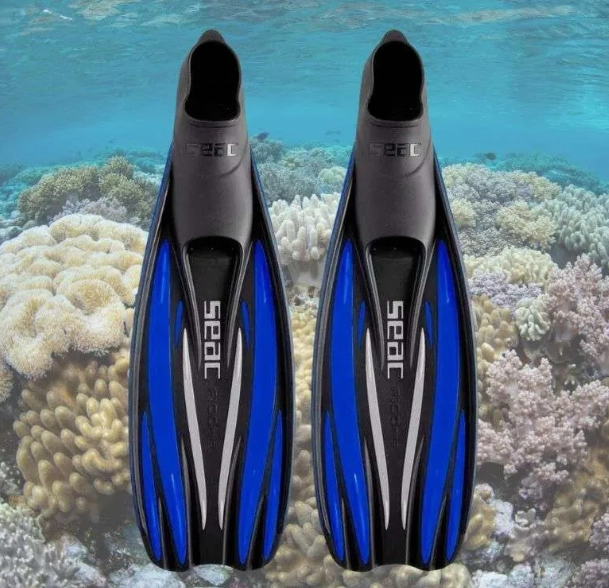
Blade Length and Shape
Longer blades generally provide more thrust. But there's a limit. Too long, and they become unwieldy, increase drag, and can strain your ankles. The sweet spot for most snorkelers is a medium-to-long blade (22-28 inches total). Look for a blade that's slightly wider at the tip—this improves the "catch" phase of your kick.
Split fins (like the classic Apollo Bio-Fins) are a different philosophy. They work like a propeller, creating lift with less effort on the knees. They're fantastic for efficiency and reducing fatigue, especially for people with joint issues. Their top-end speed, however, can be less than a well-designed paddle fin when you need a burst of power.
Blade Stiffness (Flex)
This is where most people get it wrong. Stiffness is not binary. A very stiff blade requires strong leg muscles to bend and will give a powerful thrust—if you can manage it. A very soft blade bends too easily, wasting energy.
For speed and efficiency, you want a progressive flex. The blade should have some give at the foot pocket, be firmer in the middle, and have a responsive tip. This creates a whipping action. Materials matter here. Thermoplastic rubber blends often offer this nice progressive feel.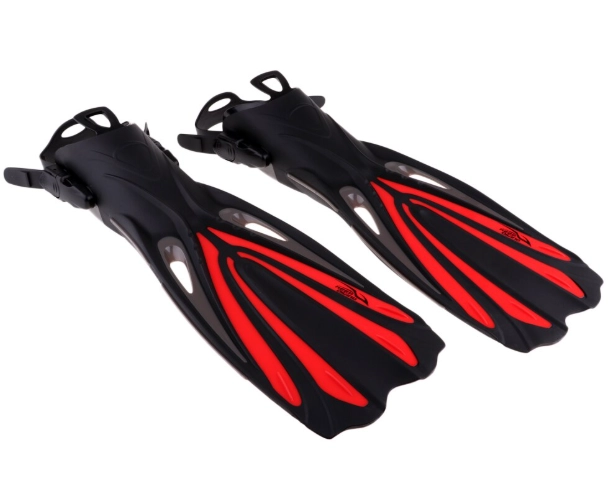
The Foot Pocket
If the blade is the engine, the foot pocket is the drivetrain. A sloppy fit wastes energy. A pocket that's too tight cuts off circulation and causes cramps (the #1 snorkeling killer).
You need a snug, ergonomic fit that hugs your arch and heel without pressure points. Always try fins on with the snorkel socks you'll actually wear. Your heel should not slip, but your toes shouldn't be jammed. Brands like Mares and Cressi are known for their comfortable, articulated pockets.
How to Choose the Right Snorkeling Fins for Speed (A Step-by-Step Guide)
Don't just buy the top-rated fin online. Match the gear to your body and your snorkeling style.
Step 1: Assess Your Fitness & Kick Style. Be honest. If you're a casual swimmer, a medium-flex, medium-length fin will serve you better than an ultra-stiff racing fin. Do you have strong, flexible ankles? You can handle a stiffer blade. Prone to cramps? Prioritize fit and moderate flex.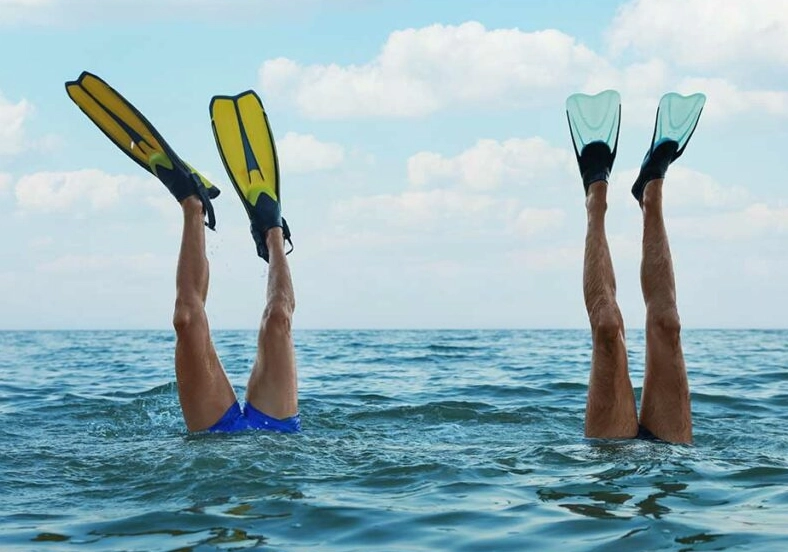
Step 2: Define Your Primary Use Case. Are you mostly doing lazy reef tours from a beach? A shorter, more flexible fin might be perfect. Planning a trip to the Maldives where you'll be crossing channels between reefs? You'll want a longer, more efficient blade for covering open water.
Step 3: Fit is King. Try Before You Buy. If possible, visit a dive shop. Try on multiple brands. Your feet are unique. Walk around in them. Do a mock kick while holding onto a counter. Feel for any immediate pressure points, especially on the top of your foot or around the ankle bones. That minor rub in the shop will be a blistering wound after 30 minutes in saltwater.
Step 4: Consider Practicalities. Are these for travel? Full-foot fins (no boot needed) are lighter and pack smaller, but they offer less protection and adjustability. Open-heel fins (require a boot) are more versatile, warmer, and often have adjustable straps for a perfect fit, but are bulkier.
Top Snorkeling Fins for Speed: A Hands-On Rundown
Based on years of testing and guiding trips, here are models that consistently deliver on the speed-and-comfort promise. Prices are approximate and can vary.
| Fin Model | Key Characteristics for Speed | Best For | Price Range |
|---|---|---|---|
| Cressi Pro Light | Long, lightweight paddle blade with a gentle progressive flex. Very efficient energy transfer. The foot pocket is famously comfortable. | Snorkelers who want classic paddle fin performance without extreme stiffness. Great for long days. | $70 - $90 |
| Mares Avanti Quattro+ | Four vertical channels on the blade reduce vibration and drag. Stiff enough for power, but with strategic flex zones. A workhorse. | Stronger swimmers and those who encounter occasional current. Durable and reliable. | $100 - $130 |
| Atomic Aquatics Split Fin | The split-fin design reduces effort by up to 40% (as noted in user reviews and tests by dive training organizations). Speed comes from a fast, easy flutter kick. | Anyone prone to fatigue or leg cramps. The king of effortless cruising. | $120 - $150 |
| Scubapro Go Sport | A shorter, travel-friendly fin that punches above its weight. Stiff blade with a quick snap. Easy to pack but still propulsive. | Travelers who need a compact fin but refuse to sacrifice too much performance. |
I used the Cressi Pro Light for a week in Raja Ampat. We had to cross several small channels between islands. While others were struggling and falling behind, the efficient blade let me maintain a steady pace without raising my heart rate. That's the real win.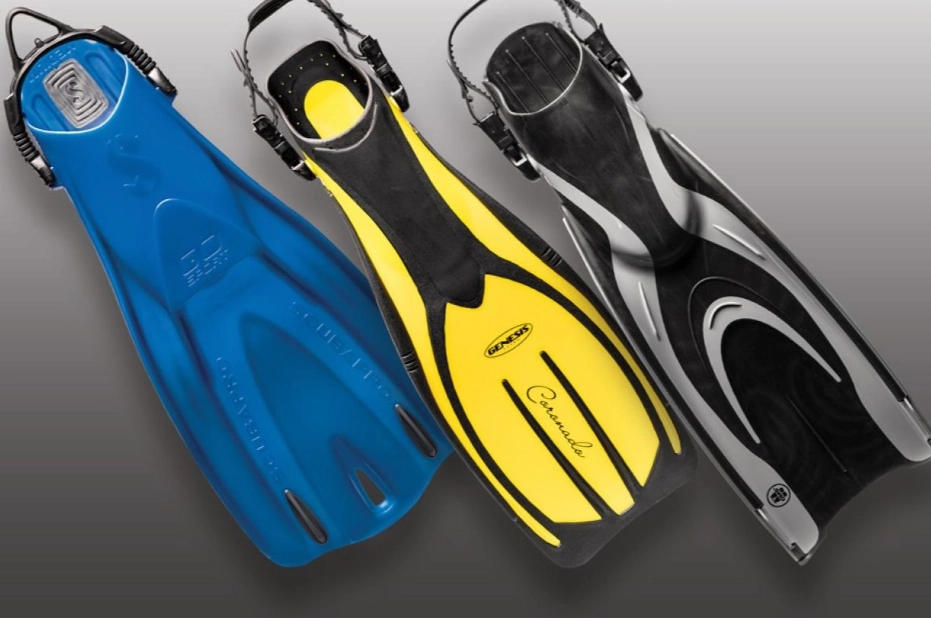
Mastering the Kick: Technique Trumps Gear
The best fin in the world is useless with a bad kick. The most common mistake? Bending the knees too much. You're not riding a bicycle underwater.
The Efficient Flutter Kick: Power comes from the hips and upper thighs, not the knees. Keep your legs mostly straight, with a slight, relaxed bend at the knee. The motion is a fluid up-and-down whipping action initiated from the core. Your fins should stay within the "wake" of your body to reduce drag. Kick from the hip, not the knee.
Try this in a pool: Float face down, arms at your sides. Kick slowly, focusing on feeling the flex of the fin. If you see your knees breaking the surface or your fins splashing wildly, you're kicking from the knees. Try to make your kick almost invisible from the surface.
Another pro tip: Learn to feather your fins. On the up-kick, relax your ankle slightly to let the blade slice through the water with less resistance. On the powerful down-kick, point your toe to engage the full blade. This subtlety adds huge efficiency.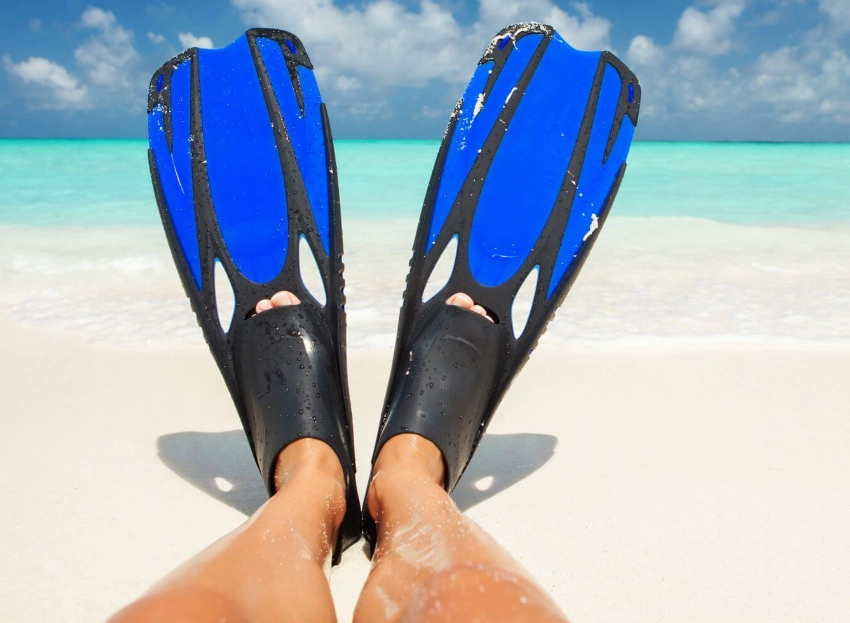
Your Speed Fin Questions, Answered
The journey to finding your perfect snorkeling fins for speed is personal. It's about the marriage of equipment and your own movement in the water. When you get it right, the difference isn't subtle. The ocean stops feeling like a resistance gym and starts feeling like a playground. You stop thinking about your legs and start seeing more fish.
Start with fit. Respect your current ability. And remember, the fastest fin is the one that lets you swim longer, see more, and come back to the boat with a smile instead of a grimace.
Reader Comments