You booked the tour. You're picturing turquoise water and technicolor reefs. Then reality hits: you're handed a leaky, foggy rental mask and stiff fins that rub your heels raw. Suddenly, that dreamy underwater scene is a blurry, frustrating mess.
It doesn't have to be that way.
As someone who's guided hundreds of snorkel tours and seen every gear mishap imaginable, I can tell you this: the right equipment isn't a luxury; it's the difference between a good trip and a great one. It's the difference between fighting your gear and floating effortlessly, seeing every detail.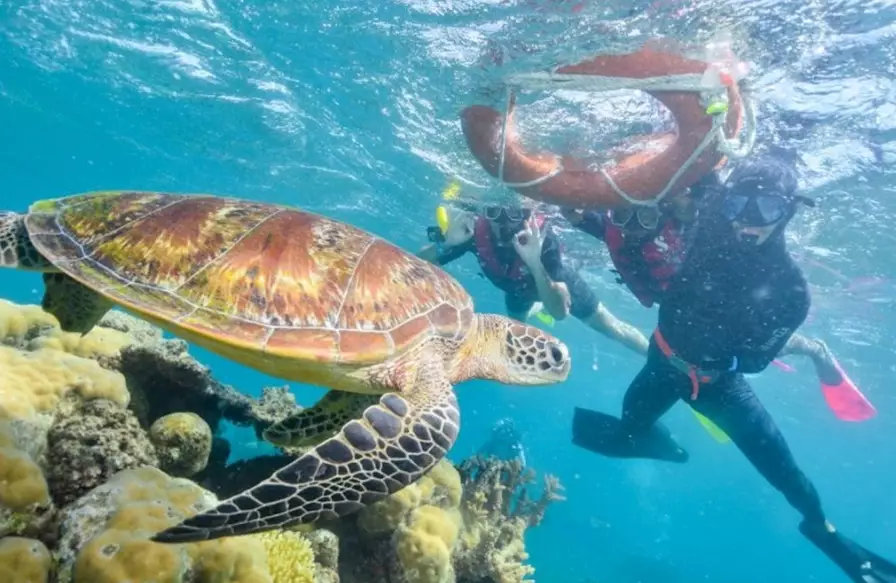
This guide isn't about selling you the most expensive stuff. It's about giving you the knowledge to choose, pack, and use gear that makes your snorkel tour safer, more comfortable, and infinitely more enjoyable. Let's get you sorted.
What's in This Guide?
Why Your Gear Matters More Than You Think
Think of your snorkel gear as an extension of your body. When it fits poorly, it's like walking in shoes two sizes too big. You're clumsy, uncomfortable, and focused on the wrong thing.
On a guided tour, you have a schedule. Boats wait for no one. If you're constantly stopping to clear a flooded mask, adjust a slipping fin, or spit out seawater from a leaky snorkel, you miss the action. You hold up the group. You get tired faster.
Good gear makes you efficient. A proper mask seal means no leaks, so you're not swallowing water. Fins that fit propel you with minimal effort, letting you keep up with the guide who's leading you to the best spots. Comfort means you can stay in the water longer, see more, and end the day energized, not exhausted.
It's not about having the fanciest brand. It's about having gear that works for you.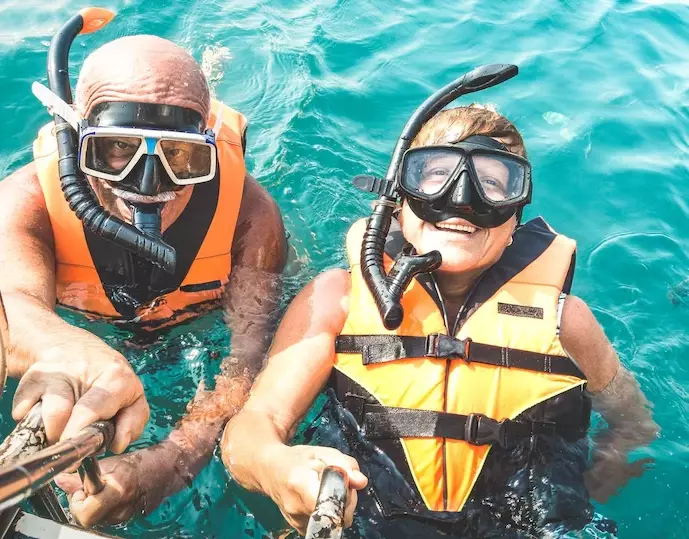
Choosing the Big Three: Mask, Snorkel, Fins
Let's break down the core items. Forget the gimmicks; focus on these.
The Mask: Your Window to the Underwater World
This is your most critical piece. A bad mask ruins everything. Here’s what most beginners get wrong: they prioritize lens color or style over fit.
Pro Fitting Trick: Place the mask gently on your face without using the strap. Inhale slightly through your nose. If the mask stays suctioned to your face for a few seconds, you have a good seal. No need to pull the strap tight—that causes headaches.
Look for a low-volume design (less air space inside). It's easier to clear of water if it floods and sits closer to your face. Silicone skirts should be soft and mold to your skin. If you have a mustache, consider a mask with a wider, more flexible skirt or use a dab of silicone grease (sold at dive shops) to help the seal.
My personal, non-consensus take? Avoid ultra-wide panoramic masks for your first set. Yes, they offer a huge view, but that also means more mask to seal and more potential to leak. A standard two-lens mask is often more reliable for beginners.
The Snorkel: Your Breathing Tube
Keep it simple. A basic J-shaped snorkel with a comfortable mouthpiece is often best. The fancy “dry-top” snorkels with a floating valve to block water are great in theory, but that valve can fail or get stuck. A simple splash guard at the top is sufficient.
The mouthpiece is key. It should feel soft and fit your jaw without forcing it open wide. If it hurts after five minutes, it's wrong.
Safety Note: I strongly advise against full-face snorkel masks for tours. Many reputable operators now ban them due to risks of CO2 buildup. Stick with the traditional separate mask and snorkel. It's safer and offers better visibility.
The Fins: Your Underwater Engine
For tours, you want open-heel fins with adjustable straps, not full-foot fins (like swim fins). Why? You'll wear neoprene booties with them. The booties protect your feet from hot decks, sharp rocks walking into the water, and fin chafing.
Choose fins with medium flexibility. Too stiff and your legs will tire quickly. Too soft and they won't push you effectively. The blade shouldn't be much longer than your foot—shorter travel fins are easier to pack and maneuver in crowded snorkel spots.
The Ultimate Tour Packing Checklist
Packing for a snorkel tour is about more than just the big three. This is the list I wish every guest had seen before boarding.
| Item | Why It's Essential | Tour Guide's Tip |
|---|---|---|
| Mask, Snorkel, Fins | Your core system for breathing and moving. | Pack the mask in a hard case (like the box it came in) to protect the lens. |
| Neoprene Booties | Protects feet, prevents blisters, provides insulation. | Get a 3mm thickness. Try them on with your fins before you travel. |
| Rash Guard / Sun Shirt | #1 most forgotten item. Blocks UV, prevents jellyfish stings, keeps you warm. | A long-sleeve is worth it. Avoid cotton—it gets heavy and cold when wet. |
| Reef-Safe Sunscreen | Protects you and the marine ecosystem. Many destinations ban non-reef-safe types. | Apply 30 mins BEFORE boarding. Reapply after snorkeling. Mineral-based (zinc oxide) is best. |
| Mesh Gear Bag | Carries wet gear, lets it drain and dry. | Get one with a shoulder strap. It makes life on a moving boat much easier. |
| Anti-Fog Solution | Prevents the #1 annoyance: a fogged mask. | Baby shampoo in a tiny bottle works better than most commercial products. |
| Water, Snacks, Dry Bag | Snorkeling is dehydrating. Keep essentials dry. | A 5-10L dry bag is perfect for your phone, wallet, and a towel. |
I once saw a guest use a hotel shower cap as a makeshift dry bag for his phone. It worked in a pinch, but a proper dry bag costs $15 and saves a lot of stress.
The Tour Guide's Take: Rent vs. Buy
This is the eternal question. Here's my blunt advice.
Rent if: You snorkel once every few years on vacation. You're trying it for the first time and aren't sure you'll like it. Your luggage space is extremely limited.
Buy if: You plan to snorkel on more than one trip in the foreseeable future. You value hygiene and a guaranteed good fit. You want to be comfortable and perform well in the water.
The cost equation is simple. Renting a full set can cost $15-$30 per day. A decent beginner set of mask, snorkel, fins, and booties can be bought for $100-$150. If you use it on two separate week-long trips, you've already broken even in cost, and you've had a superior experience both times.
My recommendation for most people? Buy your own mask and snorkel. They are personal, relatively cheap, and pack flat. You can often rent fins and booties from the tour operator if needed, as fit there is slightly more forgiving.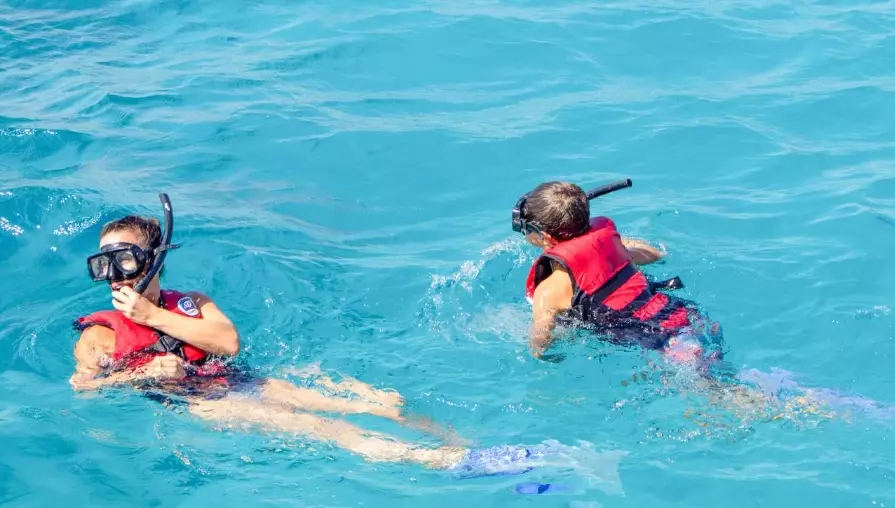
Your Snorkel Gear Questions Answered
Can I use regular swimming goggles for snorkeling?
No, you shouldn't. Swimming goggles only cover your eyes, leaving your nose exposed. A snorkel mask creates an air pocket that covers both your eyes and nose, which is essential for equalizing pressure as you dive slightly deeper (even just a few feet). Using goggles will cause discomfort and can even lead to a condition called 'mask squeeze' or facial barotrauma.
What's the one piece of gear most people forget to pack for a snorkel tour?
A rash guard or a thin, long-sleeved sun shirt. Everyone remembers the mask, but they forget about sun protection. You're floating on your back for hours, and the tropical sun reflecting off the water is brutal. Sunscreen washes off and harms coral reefs. A simple rash guard prevents painful burns, protects against minor jellyfish stings or coral scrapes, and keeps you warmer in cooler water.
My rental snorkel mask always fogs up. Is buying my own the only solution?
Not necessarily, but it helps. Fogging happens because of oils and moisture on the lens. For any mask, new or rental, the key is a proper pre-dive prep. Spit in the mask, rub it over the entire lens (yes, really), then rinse it briefly with seawater—don't use fresh water until you're done for the day. This creates a temporary surfactant layer. Buying your own allows you to permanently treat the lens with a mild abrasive like toothpaste (for new masks) to remove the factory silicone film, making it less prone to fogging long-term.
Are full-face snorkel masks safe for guided tours?
Many tour operators now ban them, and for good reason. The design traps a large volume of air (dead space) which can lead to CO2 buildup if you're breathing heavily. On a tour, where conditions can change quickly and you might be swimming harder to keep up, this risk increases. A traditional two-piece setup (separate mask and snorkel) is safer, offers better field of view for spotting marine life, and is what professional guides universally recommend.
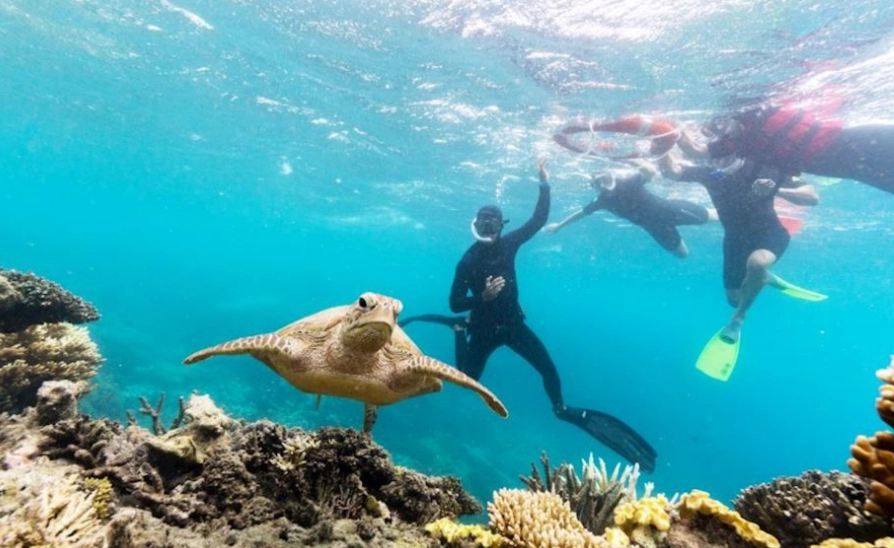 The goal isn't to turn you into a gearhead. It's to remove obstacles. When your equipment disappears from your awareness, that's when the magic happens. You stop thinking about your mask and start watching the parrotfish crunch on coral. You forget about your fins and find yourself effortlessly following a sea turtle.
Invest a little thought in your gear now. It pays back tenfold in memories later.
Reader Comments