You know the feeling. You're 45 minutes into an incredible reef snorkel, surrounded by fish, and then it starts. The mask seal pinches. A trickle of saltwater finds its way into the snorkel tube. Your feet ache from cramped fins. Suddenly, you're thinking more about your gear than the underwater world. That's the difference between regular snorkeling and embarking on a long session. The right gear isn't just about function; it's about forgetting you're wearing any gear at all.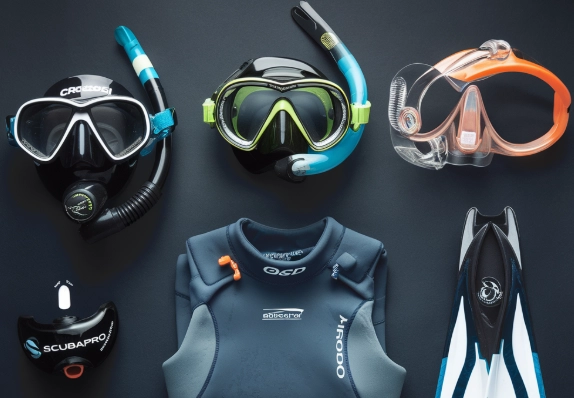
I've guided snorkel tours for over a decade, from quick one-hour dips to full-day, multi-location adventures. The gear that works for a brief swim often falls apart (figuratively and sometimes literally) under the demands of prolonged use. This guide cuts through the marketing hype. We'll look at the specific features that transform a good snorkeling experience into a great, enduring one.
In a Hurry? Jump to What Matters
Why Long Sessions Demand Different Gear
Think of it like hiking shoes versus running shoes. Both cover your feet, but one is built for comfort over uneven terrain for hours. Long-session snorkeling gear prioritizes three things:
Reduced Fatigue: Every unnecessary movement—clearing a snorkel, adjusting a mask, fighting stiff fins—drains energy. Efficient gear conserves it.
Superior Comfort & Fit: A minor pressure point becomes a major annoyance after 90 minutes. Skirts, foot pockets, and mouthpieces need to feel like a natural extension of your body.
Reliability: A fin strap shouldn't chafe. A mask shouldn't fog persistently. A snorkel valve must work every time. Failures are more than inconvenient; they can cut your session short.
The Core Trio: Mask, Snorkel, Fins
Let's break down each piece, moving beyond basic specs to the details that matter when the clock is ticking.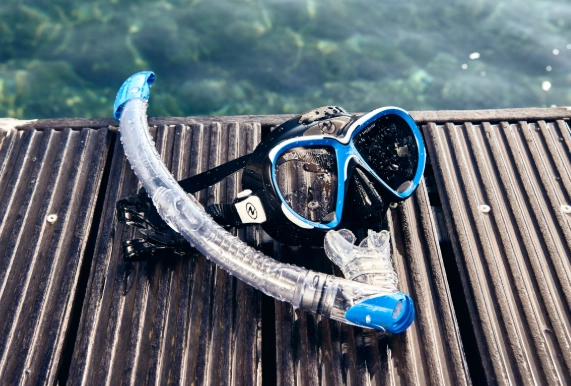
The Mask: Your Window to the World
Fogging is enemy number one for long sessions. But here's the non-consensus part everyone misses: fog is often a symptom, not the root cause. The root cause is usually a poor seal letting in micro-droplets of water or residual oils on the lens.
For long sessions, look for:
- Double-Flange Skirt: This isn't just marketing. A skirt with two layers of silicone conforms better to unique facial contours, creating a reliable seal with less strap pressure. It's the difference between a tight grip and a gentle hug.
- Silicone Quality: Premium, soft silicone feels better against your skin and maintains its shape. Stiff silicone can leave a red ring on your face for hours.
- Wide Field of View: A low-volume design with panoramic lenses reduces drag and lets you see more without craning your neck. Less neck strain equals more time in the water.
My personal go-to for years has been a mask with a clear silicone skirt. Why clear? It lets in more light around your peripheral vision, reducing that "tunnel vision" feeling during long, relaxed floats.
The Snorkel: Your Lifeline to Air
The debate between classic J-tubes, semi-dry, and dry snorkels ends here for long sessions. You want a dry snorkel, full stop. A dry snorkel has a floating valve at the top that seals the tube when submerged.
Why it's essential for endurance:
Imagine you're following a turtle for ten minutes, head down. With a classic snorkel, you'll eventually need to surface and exhale forcefully to clear water. With a dry snorkel, you simply turn your head and breathe. This eliminates the minor but cumulative stress of constant clearing. Look for a simple top valve mechanism—the more complex the purge valve at the bottom, the more potential points of failure. The Professional Association of Diving Instructors (PADI) recommends dry snorkels for beginners and long-distance snorkelers for this exact reason: reduced task-loading.
The Fins: Your Engine
This is where most people choose wrong, leading to leg cramps that ruin the day. Stiff, short travel fins might pack easily, but they turn your legs into pistons, demanding high energy for minimal thrust.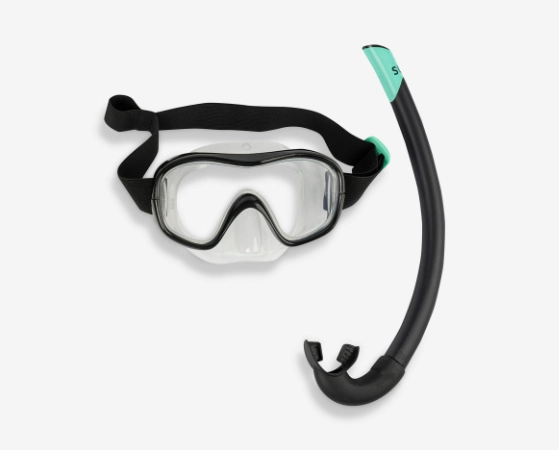
| Feature | Good for Short Sessions | Best for Long Sessions |
|---|---|---|
| Blade Stiffness | Stiff / Very Stiff | Medium / Medium-Soft Flex |
| Foot Pocket | Often narrower, harder rubber | Wider, padded, anatomical design |
| Key Benefit | Maximum power per kick (for speed) | Efficient propulsion with minimal effort |
| Result | Fast fatigue, potential cramps | Sustainable kicking for hours |
Full-foot fins (like booties) are generally better for pure snorkeling as they transfer power more directly. If you need to walk on rocky shores, get separate neoprene booties and open-heel fins with adjustable straps. Never get fins that are "just a little tight"—your feet will swell slightly in the water, and that tight fit becomes a cramp-maker.
Accessories That Boost Your Endurance
The right extras can be the difference between calling it quits and pushing for one more lap around the reef.
Rash Guard or Thin Wetsuit Top (1-2mm): Sun protection is the obvious reason. A less obvious one is buoyancy and warmth. Even in warm water, spending 2+ hours in it will slowly sap your body heat. A thin neoprene top provides just enough insulation to stay comfortable indefinitely, plus it adds a bit of float, reducing effort.
Floating Snorkel Vest: Don't confuse this with a bulky life jacket. A simple, inflatable snorkel vest (often required on tours) is a safety must-have. For long sessions, it's also a rest tool. Get tired? Inflate it slightly and float effortlessly while you catch your breath. The Divers Alert Network (DAN) consistently highlights surface safety as a critical factor in snorkeling incidents.
Anti-Chafe Solution: This is a pro tip. Apply a product like petroleum jelly or a dedicated anti-chafe stick to areas where mask straps, fin straps, or snorkel mouthpieces rub. It prevents the red marks and sore spots that build up over time.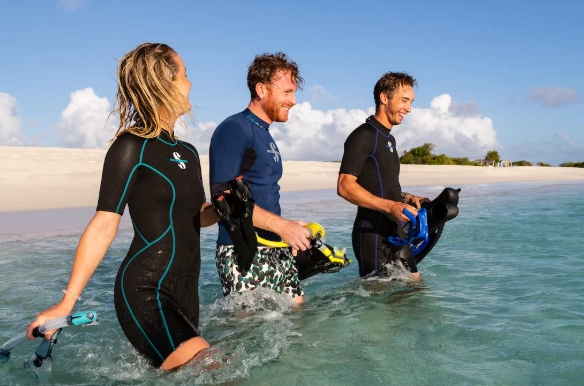
Keeping Your Gear Happy (Simple Maintenance)
Good gear treated poorly becomes bad gear quickly. Salt, sun, and sand are the trio of destruction.
After every long session, especially in saltwater, give your gear a freshwater rinse. Not just a quick splash—run water through the snorkel tube, over the mask skirt, and inside the fin foot pockets. Shake off excess water and let it air dry in the shade. Sunlight degrades silicone and plastic faster than anything.
Store your mask in its box to prevent the lens from getting scratched. A simple habit like this keeps your "window to the world" crystal clear for years.
Answering Your Gear Questions
Over the years, I've been asked every question imaginable about snorkeling gear. Here are the ones that come up most about long sessions.
Reader Comments