Forget everything you think you know about snorkeling. The Galapagos Islands aren't just another pretty beach destination. This is where you step—or rather, float—into a living laboratory of evolution. The water can be surprisingly cool, the currents sometimes playful, but the payoff is staring a marine iguana in the eye as it munches on algae, or having a playful sea lion pup twirl around you. It's raw, it's real, and it's the most profound snorkeling experience on the planet. I've been guiding trips here for over a decade, and I still get chills (and not just from the water) every time I slip below the surface.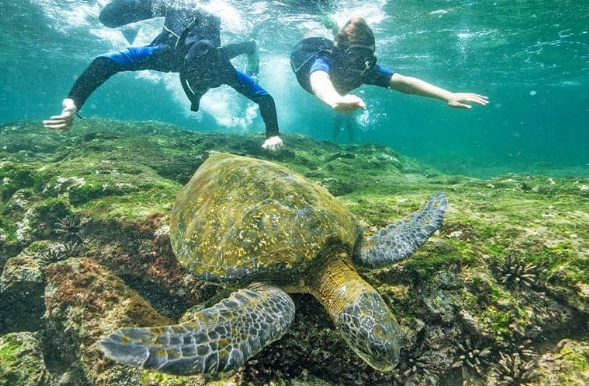
Your Quick Dive Plan
- Why Snorkeling in the Galapagos is Unmatched
- Top Snorkeling Sites in the Galapagos: A Site-by-Site Breakdown
- How to Plan Your Galapagos Snorkeling Adventure
- Essential Snorkeling Gear for Galapagos Waters
- Galapagos Snorkeling Etiquette and Safety
- Beyond the Mask: Enhancing Your Experience
- Your Galapagos Snorkeling Questions Answered
Why Snorkeling in the Galapagos is Unmatched
It's the biodiversity, stupid. (I say that with love). The convergence of three major ocean currents creates a unique marine ecosystem where tropical, temperate, and even Antarctic species mingle. You're not just looking at colorful fish on a reef—though there are plenty. You're witnessing behaviors and creatures found nowhere else. Where else can you see flightless cormorants diving for fish, Galapagos penguins zipping past like underwater missiles, and ancient-looking marine iguanas feeding, all in a single morning? The animals have no innate fear of humans, a legacy of their protected status. They go about their business, letting you observe. It feels less like visiting an aquarium and more like being granted a visa to another world.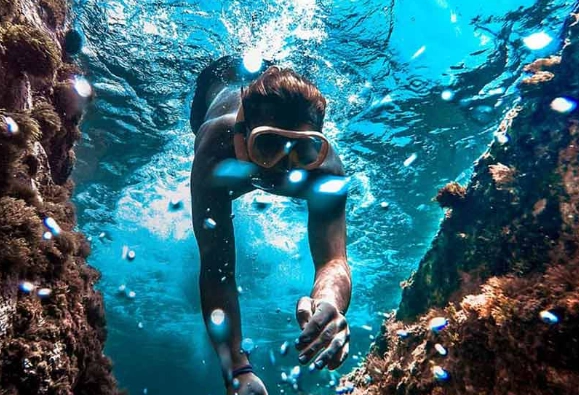
A Note on "The Cold Water": This is the number one surprise for first-timers. The Humboldt Current brings cool, nutrient-rich water. Surface temps range from 66°F (19°C) in the austral winter (Aug-Nov) to 76°F (24°C) in summer (Dec-May). That 66°F feels brisk. Most packaged tours provide shortie wetsuits, but they're often thin and well-used. Being cold ruins the fun. I'll tell you exactly what to bring later—this is a gear mistake almost everyone makes.
Top Snorkeling Sites in the Galapagos: A Site-by-Site Breakdown
Not all snorkeling spots are created equal. Access depends heavily on your tour itinerary (liveaboard vs. land-based day trips). Here’s the real scoop on the legendary sites.
1. Punta Vicente Roca (Isabela Island)
Access: Typically only accessible on liveaboard cruises on the western itinerary. No land landing.
The Draw: This isn't a gentle beach entry. You jump off a panga (dinghy) into deep, cool water along a dramatic volcanic cliff. The nutrient upwelling here is insane, attracting massive schools of fish, sea turtles, and the main event: ocean sunfish (Mola Mola) and hammerhead sharks. Visibility can be lower, but the pelagic action is top-tier. It's advanced snorkeling due to currents and depth.
2. Devil's Crown (Floreana Island)
Access: Common stop on south-central cruise itineraries and some day tours from Puerto Ayora.
The Draw: A semi-submerged volcanic crater. You snorkel the channel between its jagged peaks. The coral here is some of the healthiest in the archipelago, and the current sweeps nutrients through, making it a bustling fish metropolis. Expect white-tipped reef sharks sleeping on the sandy bottom, eagle rays, and countless tropical fish. The current can be strong—it's a drift snorkel. Guides are essential.
3. Los Tuneles / Cabo Rosa (Isabela Island)
Access: Long day trip from Puerto Villamil (Isabela) or a stop on western cruises.
The Draw: A labyrinth of lava tunnels and arches creating calm, shallow pools. It's surreal. You snorkel in crystal-clear, sheltered water among formations that look like something from a sci-fi film. This is the best spot to reliably see seahorses and green sea turtles up close. It's also excellent for beginners and photographers due to the calm conditions and fantastic light.
Other must-mention spots: Punta Espinosa (Fernandina) for marine iguanas by the hundreds; Gardner Bay (Española) for playful sea lion colonies from a gentle beach entry; and Chinese Hat for penguins and reef sharks close to shore.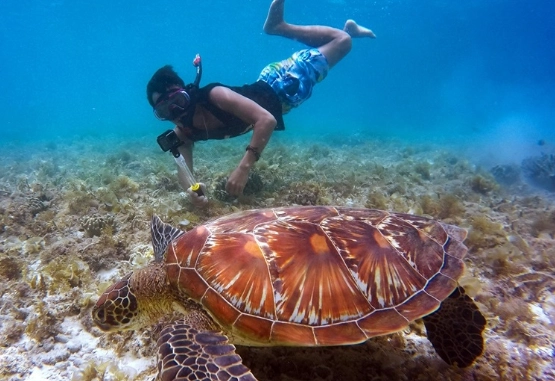
How to Plan Your Galapagos Snorkeling Adventure
Your experience hinges on how you choose to see the islands. This is the biggest decision you'll make.
Liveaboard Cruise vs. Land-Based Day Trips
Liveaboards: The gold standard for serious snorkelers. They reach remote, pristine sites like Wolf & Darwin (for advanced divers, but some snorkeling) and the western islands (Isabela, Fernandina). You get multiple snorkels per day. It's expensive, but it's an immersion. You're on a moving hotel that takes you to the wildlife. Operators like Ecoventura and Quasar Expeditions have excellent reputations for guiding and sustainability.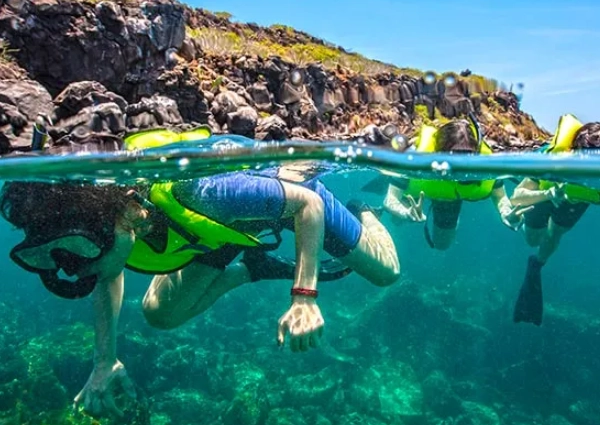
Land-Based: You stay in hotels on Santa Cruz, San Cristobal, or Isabela and book day tours. Pros: more flexibility, often cheaper. Cons: You're limited to sites reachable within a few hours by boat. You'll miss the far western and northern sites. The day trips to places like Bartolomé or North Seymour are fantastic, but you'll share the site with many other boats at peak times. For a first-time visitor who wants a mix of land and sea, this can be perfect.
Booking Tip: Don't just look at the boat's pictures. Ask the operator specifically: "How many guided snorkeling excursions are included per day?" and "What is the guide-to-guest ratio in the water?" A good guide in the water with you points out the camouflaged seahorse you'd have missed and ensures your safety in currents.
When to Go
Warm & Wet Season (Dec-May): Warmer water (70s F), calmer seas, better surface visibility. Sunnier but with sporadic rain showers. Peak season for tourism. Marine life is active; you might see turtle and albatross courtship rituals.
Cool & Dry Season (Jun-Nov): Cooler water (60s-70s F), more nutrient-rich, meaning more plankton. This attracts whale sharks (mainly near Wolf & Darwin), penguins are more active, and sea lions are pupping. Seas can be choppier. Fewer tourists. This is my personal favorite—the wildlife spectacle is intense, and you just need a better wetsuit.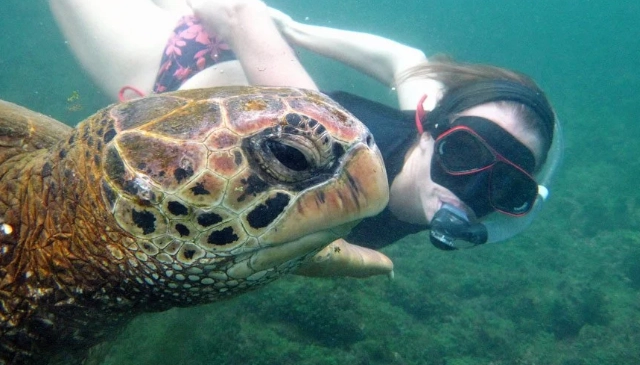
Essential Snorkeling Gear for Galapagos Waters
Here’s where I see people mess up constantly. Relying solely on the gear provided by the tour is a gamble for comfort.
Non-Negotiables to Bring Yourself:
A High-Quality 3mm or 5mm Full Wetsuit: Not a shortie. A full suit with long arms and legs. The provided suits are often 2mm shorties, threadbare, and can smell… well-used. Being cold cuts your snorkel time short. Rent a good one from a dive shop at home or invest in your own if you're a serious snorkeler. This is the single best upgrade you can make.
Your Own Mask and Snorkel: A leaky, foggy mask is misery. A properly fitted mask makes all the difference. Get a snorkel with a simple splash guard, not a complex dry-top valve that can fail. Practice in a pool before you go.
Fins with Heel Straps (Open-Heel): Booties + open-heel fins are superior to full-foot fins. You'll need booties for wet landings on rocky shores anyway. This combo gives you better control in currents and protects your feet.
Other Must-Packs: Reef-safe sunscreen (mandatory! The Galapagos National Park is strict), a rash guard for extra sun/warmth, a waterproof dry bag for your boat, and anti-seasick medication if you're prone—those open-water crossings can be bumpy.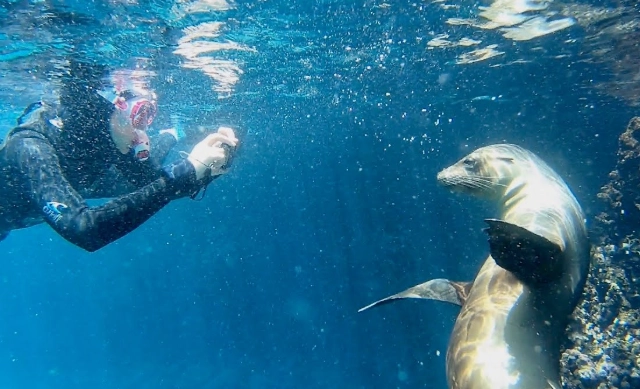
Galapagos Snorkeling Etiquette and Safety
The rules here exist for a reason. This is a fragile, protected UNESCO site.
Never Touch or Chase Wildlife. It's illegal and stresses the animals. Stay 6 feet (2 meters) away. Let them approach you (they often will).
Control Your Buoyancy. Don't stand on or kick the coral. It's alive and grows painfully slow.
Listen to Your Naturalist Guide. They know the currents, the animal behaviors, and the park rules. If they say stay close, stay close.
Currents are Real. Some sites have strong drifts. Always snorkel with a buddy and stay aware of the boat's location. Don't be embarrassed to use a snorkeling vest if you're not a strong swimmer.
Beyond the Mask: Enhancing Your Experience
Consider an underwater camera. A GoPro or Olympus TG-series in a good housing is ideal. You'll want to capture those moments. If you're new to snorkeling, practice floating and breathing calmly in a pool first. The more relaxed you are, the longer you can stay down to watch that turtle sleep under a ledge. Finally, read up a little beforehand. Knowing the difference between a Sally Lightfoot crab and a marine iguana's life cycle deepens the experience immensely. The Charles Darwin Research Station website has fantastic resources.
Reader Comments