Let's get straight to it. You're looking at adjustable snorkel fins because you want one less hassle on your vacation. You don't want to lug bulky gear, worry about sizes for the whole family, or deal with fin cramps ruining your view of a turtle. I get it. After ten years of guiding trips and testing gear from Thailand to Belize, I've seen the good, the bad, and the blister-inducing ugly of adjustable fins.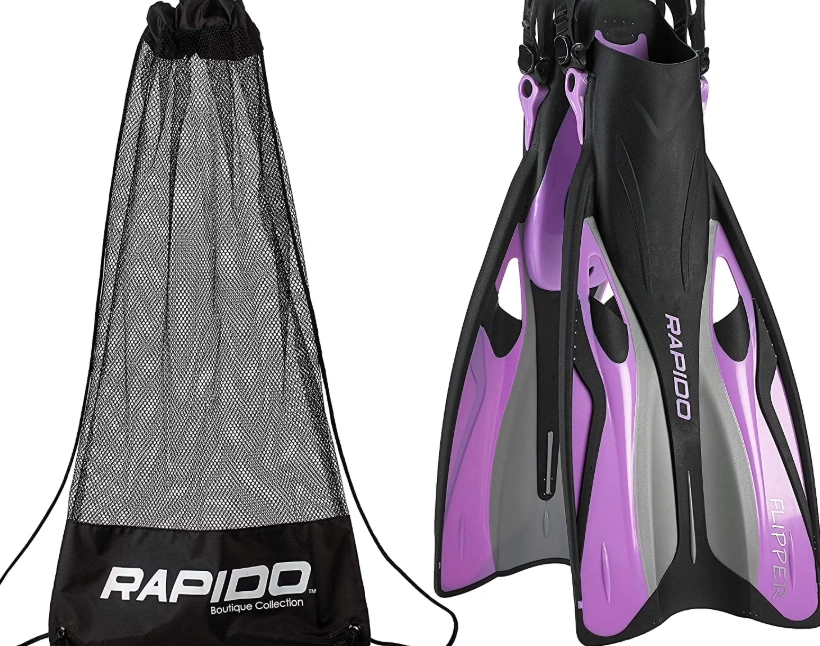
This isn't just a list of products. It's a reality check. We'll look at who they're really for, tear apart the marketing speak, and I'll give you my straight-up picks based on where you're going and what you need.
What's Inside This Guide
The Real Reason to Go Adjustable (It's Not What You Think)
Everyone talks about the convenience. And yes, packing one pair for a trip instead of four is a game-changer. But the biggest win? It solves the "first-hour" problem.
Your feet change in the water. They get cold, they swell a tiny bit, and the pressure from a rigid, full-foot pocket can become unbearable after 45 minutes. A good adjustable fin lets you micro-adjust that strap. Not at the beach before you go in, but in the water, when you feel that first hot spot on your instep.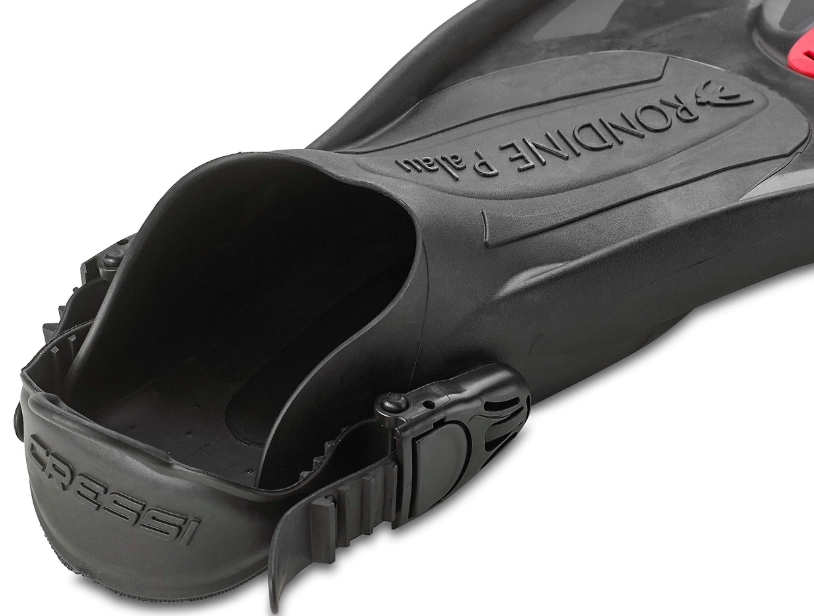
Think about a family trip to Hawaii. Your teen's feet grew since last summer. Your spouse has wider feet. You're renting a condo and have zero space for a gear locker. This is the adjustable fin's sweet spot.
But here's the non-consensus part most reviews miss: An adjustable strap does NOT mean a universal fit. The foot pocket itself has a fixed shape. If you have very wide feet or a high arch, a fin labeled "adjustable" can still be torture. The strap just holds an ill-fitting shoe on tighter.
How to Choose: The 4 Things That Actually Matter
Forget blade length jargon for a second. Let's talk about what impacts your comfort and fun.
1. Fit Over Everything Else
The foot pocket is king. Put the fin on (dry is okay for this test). Your toes should be able to wiggle slightly, not be jammed against the end or squeezed together. The sides shouldn't cut into the ball of your foot. The arch should feel supported, not like you're standing on a ridge. If it doesn't feel good in your living room, it'll be awful in the ocean.
2. Strap Quality: The Make-or-Break Detail
This is where cheap fins fail. Look at the buckle. Is it flimsy plastic that might snap? Is the strap thin, slick nylon that will slip when wet? The best systems use a wide, textured rubber or neoprene strap with a sturdy, easy-to-use buckle you can operate with one hand. A slipping strap is more than annoying—it's a safety drag in current.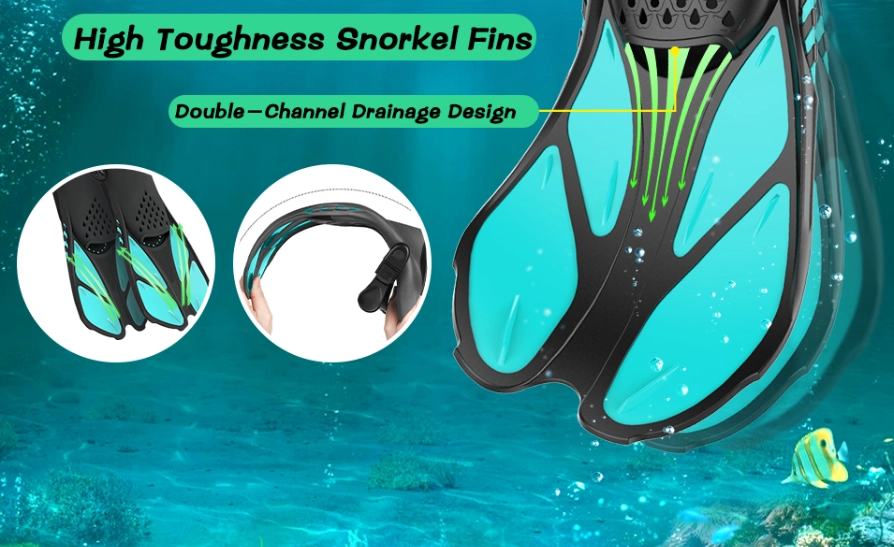
3. Blade Stiffness & Length: Match Your Fitness
Softer, shorter blades are easier on your legs—perfect for casual snorkelers or anyone who isn't a gym regular. They're forgiving. Stiffer, longer blades move more water per kick, giving you more power and speed, but they demand stronger legs. For 90% of recreational snorkelers on vacation, a medium-soft, medium-length blade is the perfect balance.
4. Materials & Drainage
Pure rubber fins are durable but heavy. Thermoplastic blends are lighter and stiffer. Look for vented blades or side channels—these let water flow through, reducing the "up-kick" effort and making your motion more efficient. It's a small feature that makes a huge difference in fatigue.
My Top Picks Reviewed: From Budget to Premium
I've narrowed it down to three that represent the best in class for different needs. This isn't an exhaustive list of every fin on Amazon. These are the ones I'd recommend to a friend.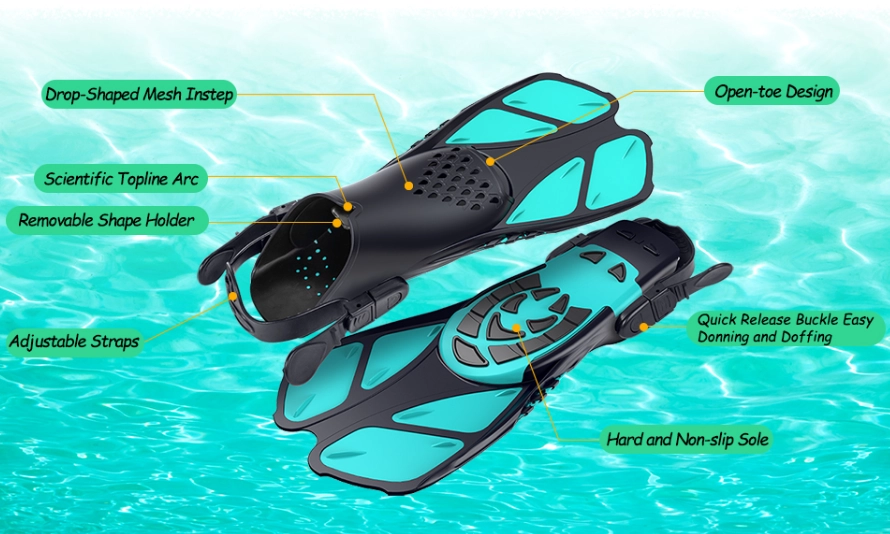
| Fin Model | Best For | The Real-World Pros | The Watch-Outs | My Take |
|---|---|---|---|---|
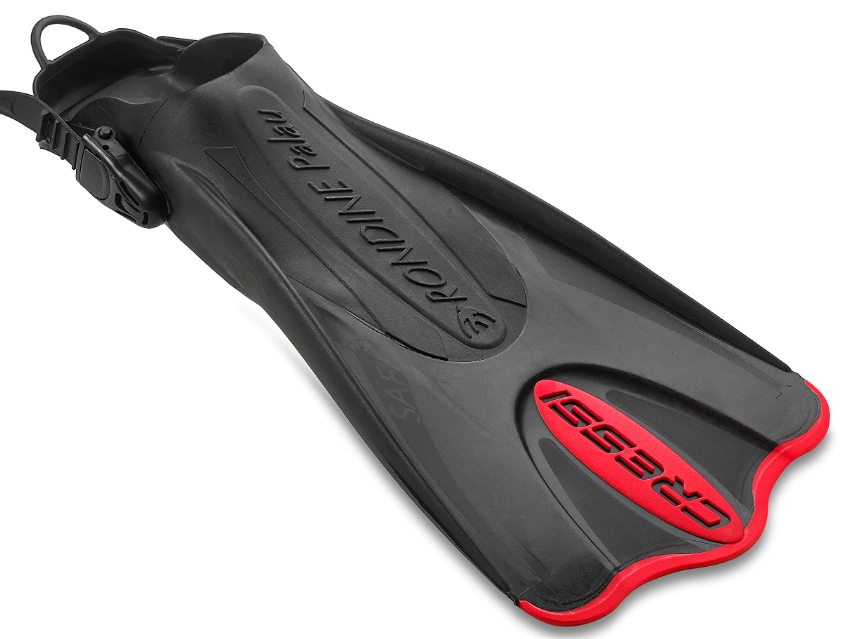
| Cressi Palau SAF | The All-Around Traveler / First-Time Buyer | Lightweight. The adjustable strap system is simple and reliable. Side rails channel water well for efficiency. Packs flat. A proven workhorse you'll see on dive boats worldwide. | The foot pocket runs a bit narrow. If you have wide feet, size up or look elsewhere. The blade is on the softer side—great for leisure, not for fighting strong currents. | This is my default recommendation. It does nothing exceptionally, but everything very well. It's the Toyota Corolla of snorkel fins—dependable, affordable, and gets the job done for millions of people. |
| Mares Avanti Quattro+ | The Active Snorkeler / Confident Swimmer | Four-channel blade design is incredibly efficient, offering great thrust with less effort. Durable construction. More substantial feel than the Palau. | Heavier and bulkier. The fit is more performance-oriented—snugger, which some find restrictive. Pricier. | If you plan to spend hours in the water, cover distance, or snorkel in areas with some current, this is a massive upgrade. The efficiency is noticeable. It's a "driver's" fin. |
| Leaderfins Soft Travel Fin | The Packing Minimalist / Family with Diverse Sizes | Extremely soft, flexible blade and foot pocket. Weighs almost nothing. Can be rolled or folded in a suitcase. Surprisingly comfortable for a wide range of foot shapes. | Not for power or speed. The ultra-soft blade is for gentle kicking only. Durability long-term is a question mark compared to rigid fins. | I was skeptical until I tried them. For calm bays, resort reefs, and kids, they're brilliant. The comfort is top-tier because they're so flexible. Just manage your expectations—they're paddles, not propellers. |
There are others, of course. The Scubapro GO Travel Fin is excellent if money is less of an object. U.S. Divers makes some decent budget options at chain stores, but check that strap quality closely.
Using Them Right: A Pro's Tips & Common Mistakes
Buying the right fin is half the battle. Using it wrong can ruin the experience.
The Strap Isn't a Tourniquet: The most common error is cranking the strap down as tight as possible. It should be snug enough that the fin doesn't rotate on your foot when you kick, but you should still be able to slide a finger under the strap. Circulation is good.
Wet Everything First: Put your fins on last, at the water's edge. Wet your feet and wet the foot pockets. Everything slides into place easier.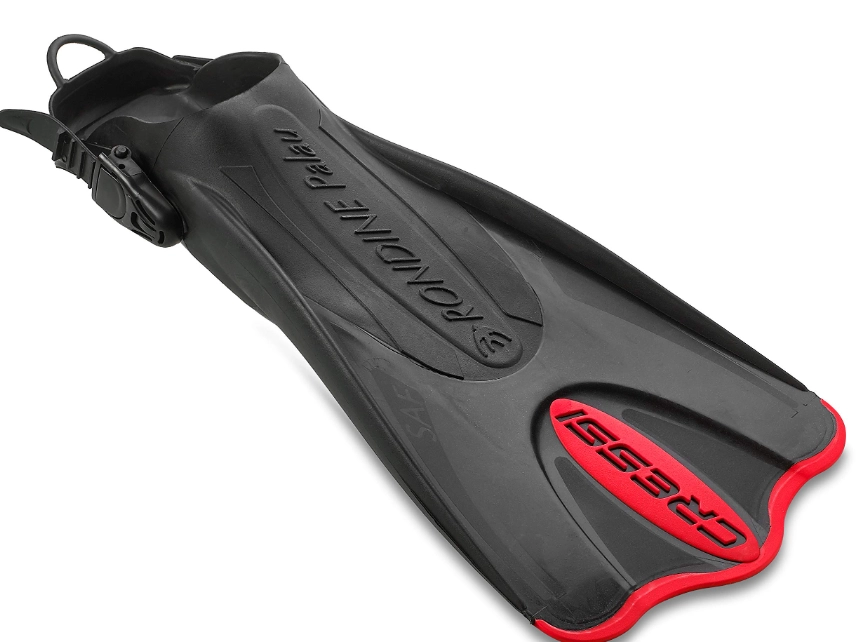
Kick from the Hip: With shorter snorkeling fins, a gentle flutter kick from the hip works best. Don't bicycle kick from the knees—it's inefficient and will cramp your thighs. Let the fin's flexibility do the work.
Rinse Them Like You Mean It: Sand in the buckle mechanism will destroy it. Rinse with fresh water after every use, especially working the strap back and forth to flush out grit.
One last piece of advice I give on every trip: Take your fins for a test swim close to shore for 10 minutes before heading out to the reef. Adjust the strap. Feel how they move. It's your final safety check.
Your Burning Questions Answered
Can I use adjustable snorkeling fins for scuba diving?
Why do my adjustable fins still hurt my feet even when they fit?
 How do I stop the adjustable strap on my snorkel fins from slipping loose?
Are shorter adjustable blades better for beginners?
 The right adjustable fin shouldn't be something you think about. It should disappear on your foot, becoming a natural extension that lets you focus on the parrotfish and the coral, not on your gear. Avoid the trap of buying the absolute cheapest pair; that $20 saved often costs you a day of comfort. Focus on the foot pocket first, the strap second, and let the blade design follow. Do that, and you'll make a choice that brings back great memories, not blisters.
See you out there.
Reader Comments