You've seen them everywhere – those futuristic-looking full face snorkel masks that promise a revolution in breathing underwater. The ads show people smiling blissfully, completely at ease. But then you hear whispers online about safety, about fogging, about them being a gimmick. So, what's the truth? Are full face snorkel masks worth your money?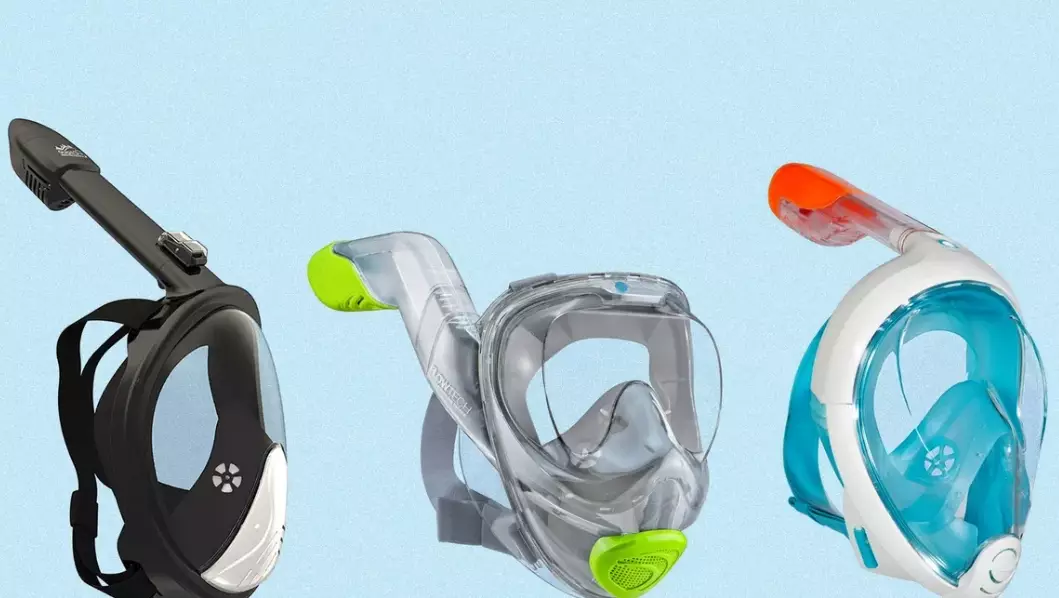
After testing multiple models from Hawaii to the Caribbean and talking to dozens of fellow snorkelers, dive shop owners, and instructors, I can give you a straight answer: For the vast majority of casual, recreational snorkelers, a good quality full face mask is absolutely worth it and a game-changer for comfort. But – and this is a huge but – they are not for everyone, and choosing the wrong one or using it incorrectly can turn a dream trip into a frustrating or even risky experience.
This isn't just a list of specs. It's about whether this piece of gear will make your time in the water better or worse.
What You'll Find Inside
What Exactly Is a Full Face Snorkel Mask?
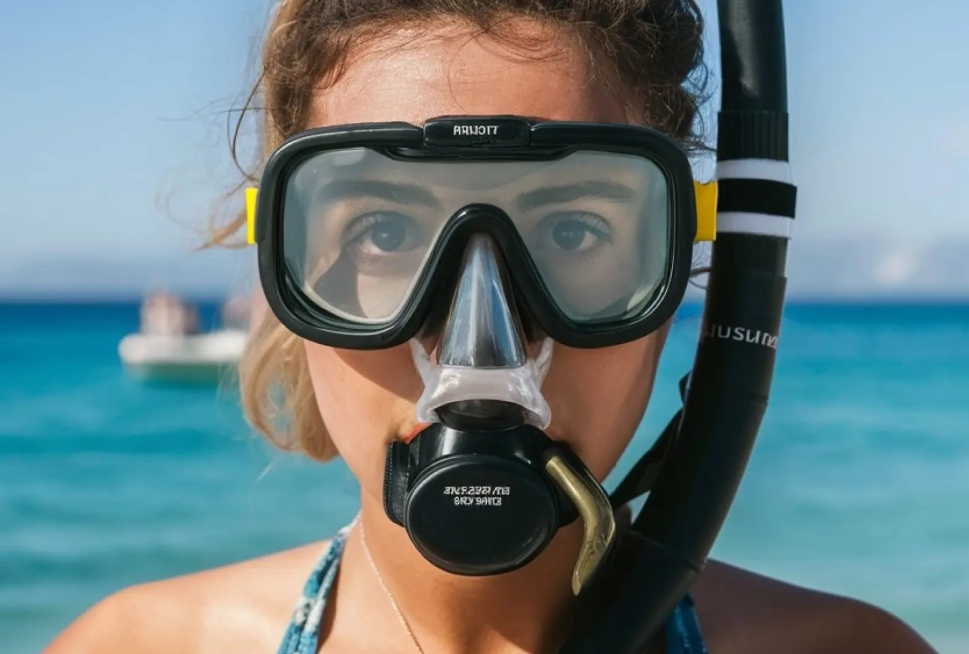
Let's clear up the terminology first. When people ask "are snorkel masks worth it," they're almost always talking about the full face snorkel mask. This is a single unit that covers your eyes, nose, and mouth. You breathe in and out naturally through your nose and mouth inside the sealed chamber. The snorkel tube is attached at the top, and a clever system of separate inhalation and exhalation channels is designed to prevent CO2 buildup – that's the critical safety feature.
This is completely different from the traditional snorkel set: a separate dive mask that seals only around your eyes and nose, plus a J-shaped snorkel that you bite onto with your mouth. That's the classic setup you'll see most serious divers and many experienced snorkelers using.
The core promise of the full face design is simple: eliminate the uncomfortable mouthpiece, stop jaw fatigue, and let you breathe as you do on land. It sounds perfect. So where does it stumble?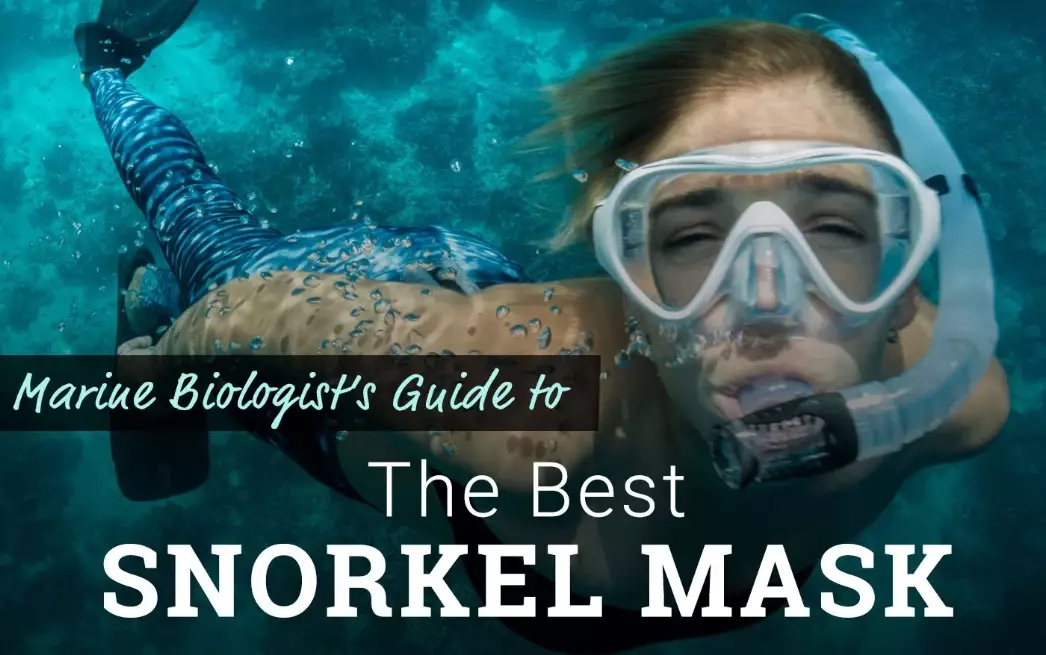
The Real Pros and Cons: No Fluff
I've used both systems extensively. Here’s the unfiltered breakdown, the kind you get after a long chat with a dive instructor at a beach bar.
>Serious Limitation: You cannot equalize pressure in your ears while wearing it (you can't pinch your nose). Not suitable for freediving below surface.>Depends entirely on design quality. Reputable brands with proper separate air channels mitigate this. Never buy a no-name, ultra-cheap mask.| Feature | Full Face Snorkel Mask | Traditional Mask & Snorkel |
|---|---|---|
| Breathing | Major Pro: Breathe through nose and mouth. No jaw fatigue. Feels natural, especially for beginners or those with anxiety. | Must breathe only through mouth. Can cause dry mouth and jaw ache after a while. |
| Fogging | Potential Con: The whole lens can fog if not treated properly or if you exhale heavily through your nose. Anti-fog systems vary in quality. | Easier to manage. A simple spit-and-rinse on the small lenses usually works for hours. |
| Field of View | Pro or Con: Often a panoramic, wide-angle view that's immersive. But some cheaper models have distorted peripheral vision. | Standard view. Less immersive but optically accurate and reliable. |
| Fit & Seal | Major Con: Trickier to fit. Must seal perfectly around entire hairline and jaw. Facial hair, certain face shapes, and long hair can cause leaks. | Easier to get a good seal on most faces. The skirt only seals around the eyes and nose. |
| Diving & Duck Diving | Essential Pro: You can easily pinch your nose through the mask skirt to equalize. Designed for diving down. | |
| Communication | Nice Pro: You can talk! Point out fish to your buddy without removing your mouthpiece. | Grunts and hand signals only. |
| CO2 Buildup Risk | Virtually zero risk. The classic design is simple and has been proven safe for decades. |
The Non-Consensus Take: The biggest unspoken issue isn't CO2 – it's leak management. With a traditional mask, a little water in the nose cup is annoying, but you just tilt your head and clear it. With a full face mask, a leak means water trickling down your entire face, often into your nose and mouth. For a beginner, that panic moment of "I'm breathing in water!" can be terrifying and is a common reason people give up on them. The solution? A perfect fit and learning to stay calm and surface to reseat it.
Who Should (and Shouldn't) Buy a Full Face Mask
This is the decision matrix. Be honest about where you fit.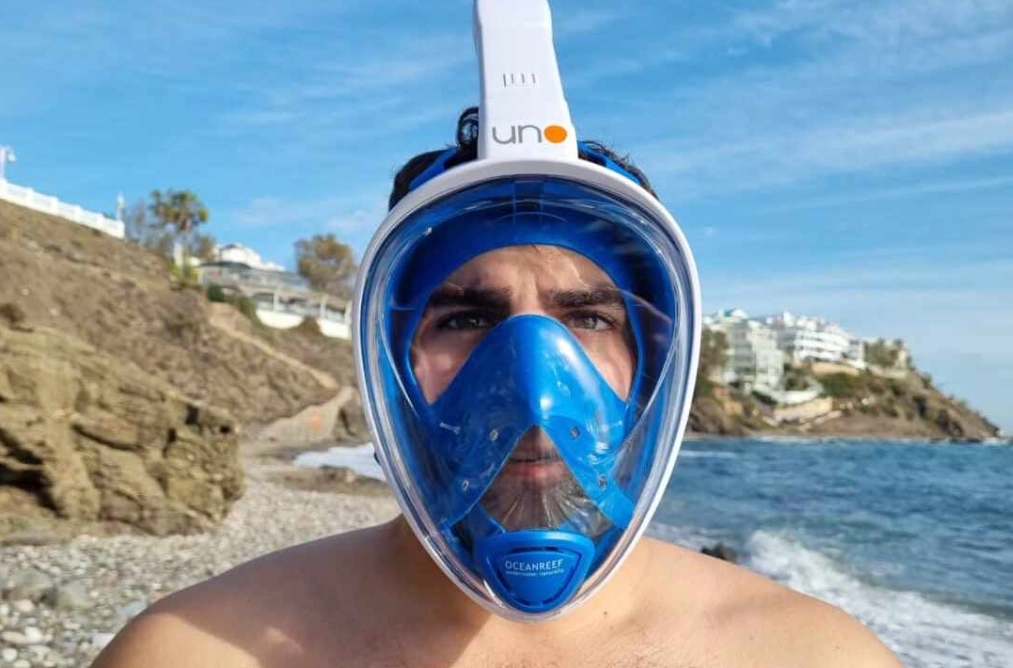
Buy One If You Are:
- A first-time or casual snorkeler who just wants to float and look at fish for an hour. The ease of breathing reduces anxiety dramatically.
- Snorkeling with kids. Getting a child to bite a mouthpiece correctly is a battle. A well-fitting full face mask lets them enjoy the water instantly. (Always supervise and use child-specific models).
- Someone who hates the mouthpiece feel or has TMJ/jaw issues.
- A traveler who snorkels once a year on vacation and values supreme surface comfort over diving capability.
Avoid It If You Are:
- An avid freediver, spearfisher, or anyone who wants to dive below 3-4 feet regularly. This is non-negotiable. You need to equalize.
- A scuba diver using it for surface swimming. It's incompatible with scuba training and habits.
- Someone with a very unique face shape, prominent facial hair, or long hair that will break the seal. Try before you buy if possible.
- On a very tight budget. A $30 full face mask is a dangerous gamble. A $30 traditional set from a reputable brand like Cressi or Aqua Lung is perfectly safe and functional.
I once watched a confident swimmer in Cozumel struggle for 20 minutes with a rental full face mask, constantly flooding. His face was just too angular for the generic size. He swapped to a traditional set and was happy as a clam. Fit is everything.
How to Choose the Right Full Face Snorkel Mask for You
If you've decided you're in the target group, here’s how to pick a winner and avoid a dud.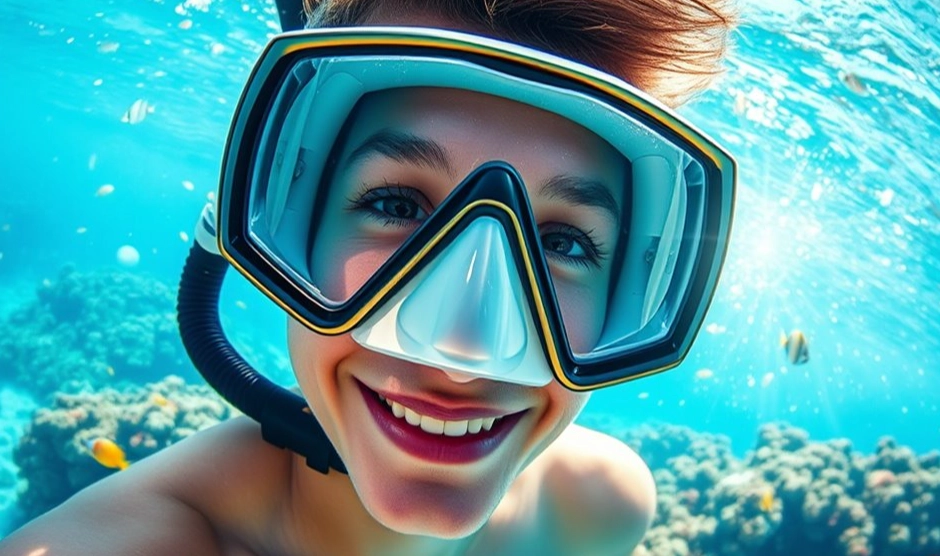
1. Prioritize Safety & Brand Reputation: Stick to known brands that invest in R&D for airflow. Tribord (Decathlon's brand), Ocean Reef, Cressi, and Seac have models with certified separate airflow paths. Avoid mysterious Amazon brands with names like "GoSwimProX." Look for mentions of dry-top snorkels (a splash guard) and purge valves at the bottom to easily drain any water that enters.
2. Fit is King – Measure Your Face: This isn't a one-size-fits-all item. Most brands offer S/M and M/L sizes. Use their sizing chart. Measure from the center of your hairline (just above eyebrows), down over the nose, to the tip of your chin. A mask that's too tall will press on your forehead or chin; too short will leak at the cheeks.
3. Test the Anti-Fog System: Many have a built-in anti-fog coating or a double-pane lens (like a car windshield) to reduce fog. The double-pane is more effective long-term. Assume you'll still need to use a dab of anti-fog gel on the inside lens before each use.
4. Check the Field of View: Look for "180°" or "panoramic" view descriptions. Read reviews to see if users complain about distortion at the edges.
5. Consider Your Activity Level: Some newer, more expensive models like the Ocean Reef Aria have a "dive mode" – a nose clip inside you can pinch to equalize for very short, shallow dives. It's a niche feature but shows innovation.
My personal go-to for recommending to friends is the Tribord Easybreath (the original that sparked the trend) or the Cressi Supernova Dry. They're mid-range, widely available, and have a proven track record.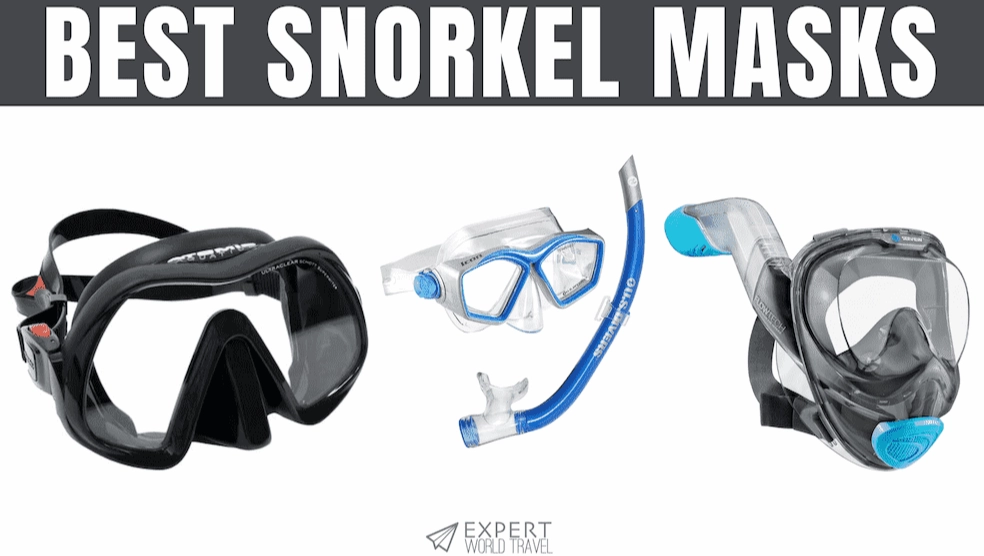
Your Top Snorkel Mask Questions Answered
Are full face snorkel masks actually safe, or is the CO2 danger real?
The danger was real in some early, poorly designed knock-offs that used a single chamber for inhaling and exhaling. Reputable brands now use dedicated, sealed channels that direct your exhaled breath (CO2) directly out the top tube, away from the fresh air intake. The key is buying from a trusted brand, not the cheapest option. Organizations like PADI have published safety guidelines endorsing well-designed models. The greater practical risk for most users is panic from a poor-fitting mask that leaks, not CO2 buildup from a quality product.
I always have fogging problems. Will a full face mask be worse?
It can be more challenging. Because you're breathing inside the mask, the warm, moist air from your lungs hits the large lens. The fix is twofold. First, buy a mask with a good anti-fog system (double-pane is best). Second, religiously use a proper anti-fog gel or spray (like Sea Gold or baby shampoo) on the inside lens before every snorkel session. Rinse it gently in sea water—don't rub it. This creates a film that prevents droplets from forming. If it fogs during use, letting a tiny bit of seawater in, swishing it around, and draining it can help.
 Can children use full face snorkel masks safely?
Yes, but with critical caveats. You must get a child-specific model (Tribord, Ocean Reef, and others make them). Adult masks are too large and will leak dangerously. Always have the child practice in a pool first, under direct, hand's-on supervision. Teach them what to do if water gets in (stand up or roll onto their back). For very young kids, traditional sets or just swim goggles might be a simpler, safer introduction to putting their face in the water.
I'm a strong swimmer who likes to dive down. Is there any full face mask for me?
Honestly, you are the prime candidate for sticking with a traditional mask and snorkel. The core limitation—the inability to pinch your nose to equalize ear pressure—makes full face masks fundamentally incompatible with diving more than a couple feet. Some high-end models have internal nose clips, but it's a fiddly workaround. Your enjoyment and ability will be higher with gear designed for your activity. The mouthpiece is a trade-off for the freedom to explore vertically.
How do I clean and maintain a full face snorkel mask?
Rinse it thoroughly with fresh water after every use, especially if you've been in saltwater or chlorinated pools. Pay attention to the purge valve flaps to ensure no sand or debris is stuck. Let it air dry completely in the shade—sunlight degrades the silicone skirt and plastic. Store it in a protective case, not crammed in a bag where the lens can get scratched. Reapply anti-fog solution before storing for next time.
So, are snorkel masks worth it? For the person who pictures themselves floating effortlessly over a coral reef, breathing easily and taking it all in, the answer is a resounding yes. It removes the biggest initial barrier to enjoying snorkeling. But it's a specialized tool. It won't make you a diver, and it demands a good fit. Invest in a quality model from a real brand, make sure it fits your face and your vacation goals, and you'll likely find it's one of the best travel purchases you've ever made.
Skip it if your underwater ambitions go deeper than the surface. In that case, a reliable traditional mask and snorkel from your local dive shop will serve you far better.
Reader Comments