I remember the first time I saw one. Not on a screen, but in the water. The sun was cutting through the surface, painting shafts of light in the blue. Then, a shadow. It grew, and grew, until the spotted pattern emerged. A whale shark, moving with a grace that belied its bus-length size, glided past a few meters below. The sound of my own breathing through the snorkel was suddenly very loud. It's a moment that redefines your scale in the world. But getting to that moment isn't just about booking a ticket to a tropical beach. There's a right way and a wrong way to do this.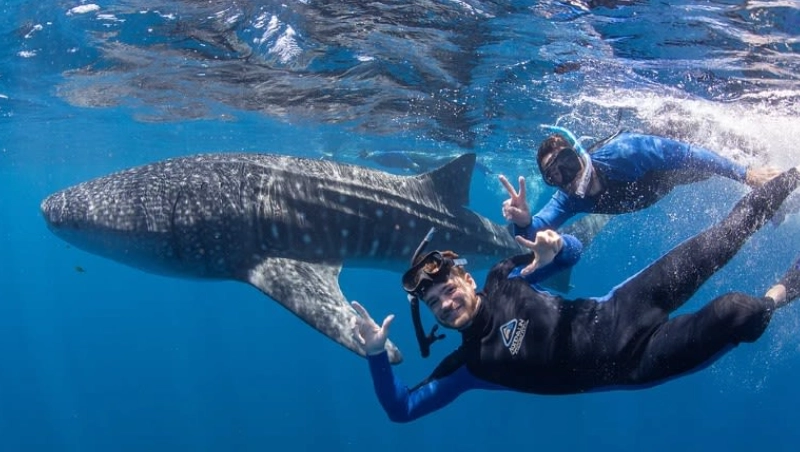
Let's cut through the Instagram. This isn't just a checklist activity. It's a privilege. A lot of guides sugarcoat the logistics and skip the ethics. I've seen the good, the bad, and the ugly sides of this industry over the years. My goal here is to give you the unvarnished truth—so you can have an amazing experience that's also a responsible one.
What's in This Guide?
What Are Whale Sharks, Really?
First, a quick myth-buster. Whale shark. The name causes confusion. They are sharks, not whales. They are filter feeders, meaning they swim with their massive mouths open to scoop up plankton, small fish, and squid. They're completely harmless to humans. In fact, their gentle nature is part of what makes encounters so profound.
But here's the thing most blogs don't stress enough: they are wild, migratory animals. Their appearance is seasonal and tied to plankton blooms. Seeing one is never a 100% guarantee on an ethical tour. If an operator promises you a sighting, ask how. The answer might make you uncomfortable.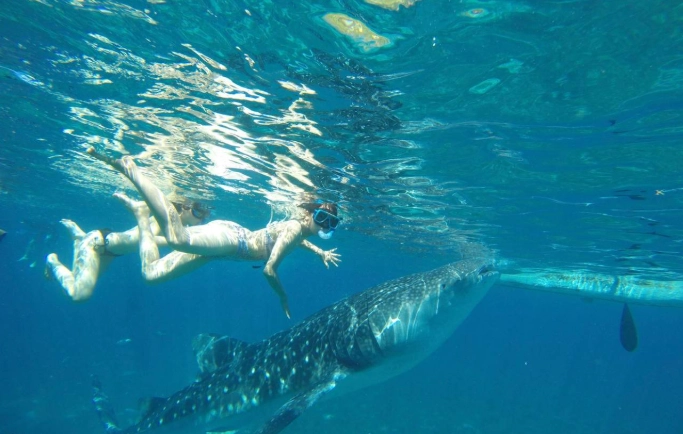
Conservation Status: Whale sharks are listed as Endangered on the IUCN Red List. Populations are declining due to ship strikes, bycatch, and the impacts of irresponsible tourism. Your choices as a tourist directly impact their future.
Where & When: Top Destinations Decoded
Location is everything. It dictates the season, the type of encounter, the water conditions, and the overall vibe. I've put together a comparison of the major spots based on personal experience and conversations with marine biologists.
| Destination | Peak Season | Type of Encounter | Avg. Tour Cost (USD) | The Vibe & Key Notes |
|---|---|---|---|---|
| Ningaloo Reef, Australia | Mar - Aug | Wild, in open ocean. Swim alongside. | $350 - $450 | Highly regulated, eco-focused. Often involves a spotter plane. Considered a gold standard for sustainable interaction. Water can be choppy. |
| Isla Holbox / Isla Mujeres, Mexico | Jun - Sep | Wild, in open ocean. Aggregations can be huge. | $110 - $160 | Can be crowded with boats. Regulations exist but enforcement varies. Holbox is more laid-back than Cancun/Isla Mujeres. |
| Oslob, Philippines | Year-round | Provisioned (they are fed). Sharks circle near shore. | $20 - $40 | Heavily controversial. Guaranteed sighting but alters natural behavior. Very crowded, feels more like a theme park line than a wild encounter. |
| Donsol, Philippines | Nov - Jun | Wild, in a bay. You search from a boat. | $50 - $80 | The original, more ethical Philippine experience. No feeding. Sightings depend on luck and season. Community-run, great ecotourism model. |
| South Ari Atoll, Maldives | Year-round (best Aug-Nov) | Wild, resident population. | $120 - $200 | Often part of a liveaboard dive trip. Calm, clear water. Luxury resort setting, but still wild encounters. |
My personal take? Ningaloo and Donsol offer the most authentic "wild encounter" feeling. Mexico is incredible when the aggregations happen, but you need to vet your operator carefully. I have strong reservations about Oslob; it's convenient, but it doesn't feel right.
How to Choose a Tour That Doesn't Harm the Sharks
This is the most critical decision you'll make. A bad operator stresses the animals and ruins the experience for everyone.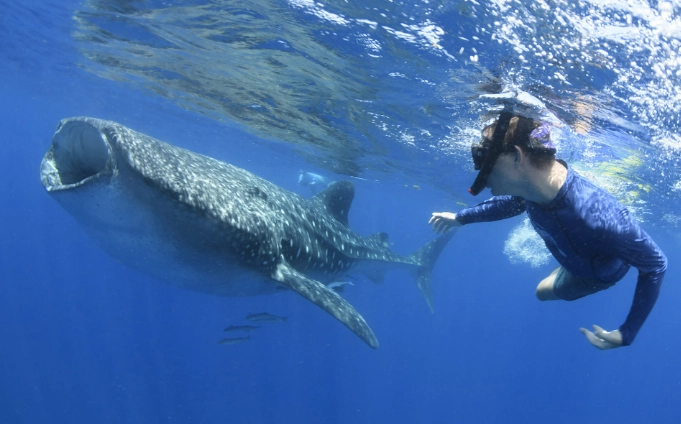
Red Flags (Walk Away)
- Guarantees sightings. In the wild, nothing is guaranteed except with provisioning.
- Boasts about letting you "touch" or "ride" the shark. This is illegal and harmful.
- Has very large group sizes (more than 10-12 snorkelers in the water per shark is too many).
- Boats that chase or cut off the shark's path.
- No briefing on rules before getting in the water.
Green Flags (Book Them)
- Limits group size and has a strict "swim-with" protocol (e.g., guide in water, rotating groups). >Gives a thorough briefing emphasizing distance (3-4 meters minimum), no touching, no flash photography. >Uses a spotter on the boat to coordinate approach, not just the driver. >Partners with or contributes to a research/conservation NGO (e.g., WWF, local universities). >Requires the use of reef-safe sunscreen.
Don't just book the cheapest option. The extra $30 often goes towards fuel for a less crowded boat, better-trained guides, and a smaller environmental footprint.
A Common Mistake: People focus only on the shark and forget the boat ride. If you're prone to seasickness, a 2-hour bumpy ride to the site on a small boat will wreck your day before you even see a spot. Choose a destination with calmer conditions (like a protected bay) or take seasickness medication proactively.
Gear: What You Actually Need (and What You Don't)
You don't need $2000 worth of photography gear. You need comfort and reliability.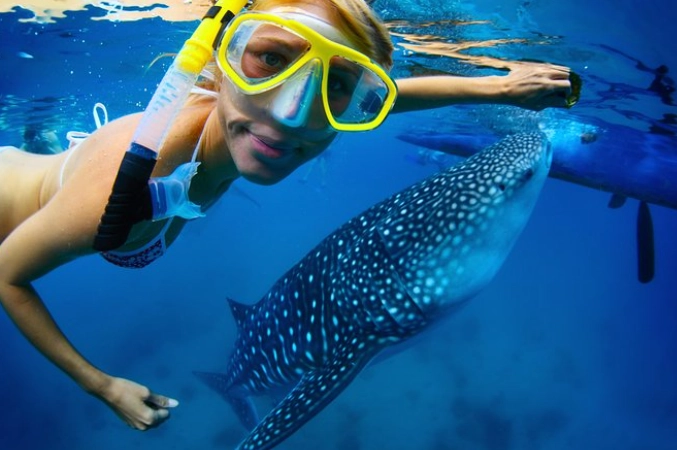
The Non-Negotiables:
- A Snorkel Mask That Fits. This is the #1 game-changer. A leaky mask is misery. If you have a face that's hard to fit (like me), bring your own. Test it in a pool first. A low-volume design is better for quick clearing.
- Snorkel. A simple J-shaped one is fine. Dry-top snorkels can be fussy.
- Fins. Open-heel fins with booties are more comfortable for boat entries than full-foot pocket fins. Most operators provide these, but if you have finicky feet, consider your own.
- Exposure Protection. A long-sleeve rash guard or a 1-2mm wetsuit top. You'll be floating for a while. It prevents sunburn and chill. This is crucial.
The Nice-to-Haves:
- Underwater Camera. A GoPro or Olympus TG-series is perfect. Set it to video and snap stills from the footage later. Pro tip: Don't spend the whole encounter staring at the screen. Be present.
- Anti-Fog. Baby shampoo in a small bottle works better than most commercial sprays.
- Waterproof Dry Bag. For your towel, phone, and wallet on the boat.
Leave on the Boat: Gloves (temptation to touch), heavy jewelry (can snag), and non-reef-safe sunscreen. Apply reef-safe sunscreen at least 30 minutes before getting wet.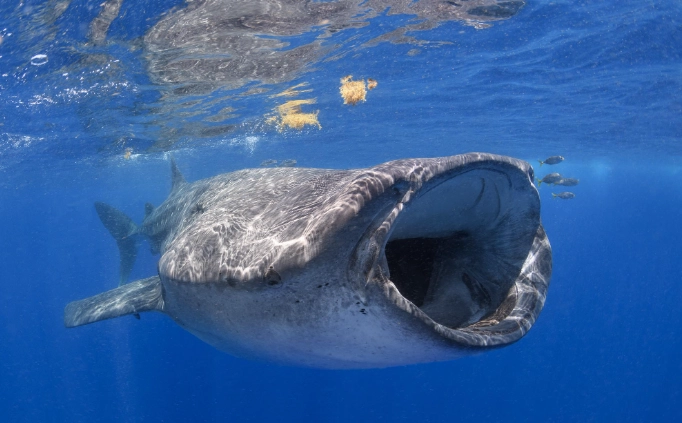
In the Water: Safety & Etiquette That Matters
The briefing is over, you're in the water. Heart pounding. Here's what to do (and not do) when the giant appears.
Listen to Your Guide. They know the shark's behavior. If they say "get back to the boat," move. The shark might be diving or changing direction.
Position Yourself Calmly. Don't swim directly at the shark. Let it come to you, or swim parallel to its side, keeping a respectful distance. The best view is from the side, not in front of its mouth (despite the photos).
The Tail is a Rudder, Not a Threat. But it's powerful. Maintain a 4-6 meter distance from it. A casual flick could knock the wind out of you.
Minimize Splashing. Smooth, quiet kicks. Excessive noise and splashing can startle the animal.
Never, Ever Touch. It removes their protective mucus layer, leaving them vulnerable to infection. It's also disrespectful and, in most places, illegal.
Most encounters last a few minutes. The shark has places to be. Don't chase it when it decides to leave. Your boat will find another opportunity.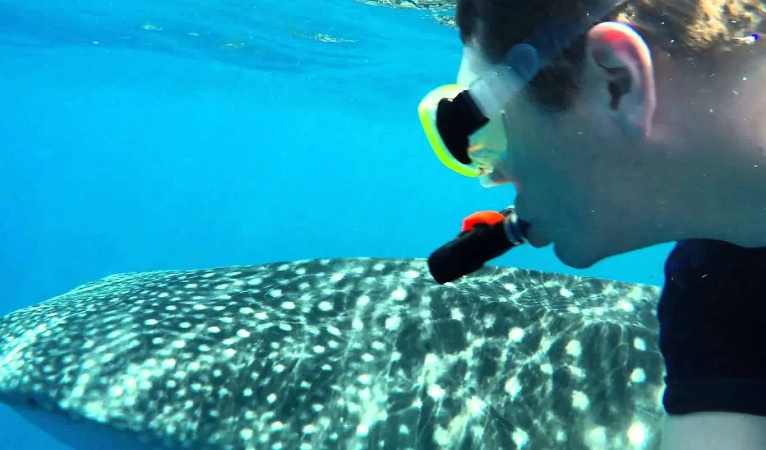
Your Questions, Answered
What are the main differences between snorkeling with whale sharks in the Philippines vs. Mexico?
The core difference is between a provisioned and a wild encounter. In Oslob, Philippines, the sharks are fed (provisioned) to keep them near shore. Sightings are virtually guaranteed, but it creates a crowded, circus-like atmosphere and disrupts natural migratory behavior. In Donsol (Philippines) or Holbox (Mexico), you're searching for wild sharks on the move. It's less predictable—you might see five or none—but it's a more authentic and environmentally respectful experience. The water in Mexico's aggregations can also be rougher than the protected bays in the Philippines.
Is snorkeling with whale sharks safe for non-swimmers or beginners?
It pushes the limits. You need to be honest about your swimming ability. Operators in calm, shallow areas like Ningaloo's reef shallows are more suitable. Most open-water tours require you to be a confident swimmer capable of getting off a boat into deep water and swimming 50-100 meters unaided, sometimes against a mild current. Always disclose your skill level when booking. A good operator might assign a guide with a floatation device to stay with you, but they are not a personal lifeguard. If you can't swim comfortably in a pool, this isn't the activity to learn in.
How can I tell if a whale shark tour operator is truly ethical and responsible?
Look past the marketing. Email them specific questions before booking: "What is your maximum number of snorkelers per shark in the water at one time?" "What is your policy if other boats are crowding a shark?" "Do you provide a detailed briefing on maintaining distance?" Their answers are telling. Check their online reviews for mentions of crowding or chasing. The best ones often have fewer, more detailed reviews praising their educational approach and respect for the animals. Membership in a recognized ecotourism association (like ECO-Certified Tourism in Australia) is a strong positive sign.
What is the one piece of gear most people forget for a whale shark snorkel that makes a huge difference?
A well-fitting, low-volume snorkel mask that doesn't fog or leak. It sounds trivial, but fighting a bad rental mask for an hour will ruin your focus and enjoyment. If you have your own, bring it. The second is a full-coverage rash guard. The sun reflecting off the water is intense, and you're floating on your stomach for long periods. Burning the back of your legs and neck is a common, trip-souring mistake.
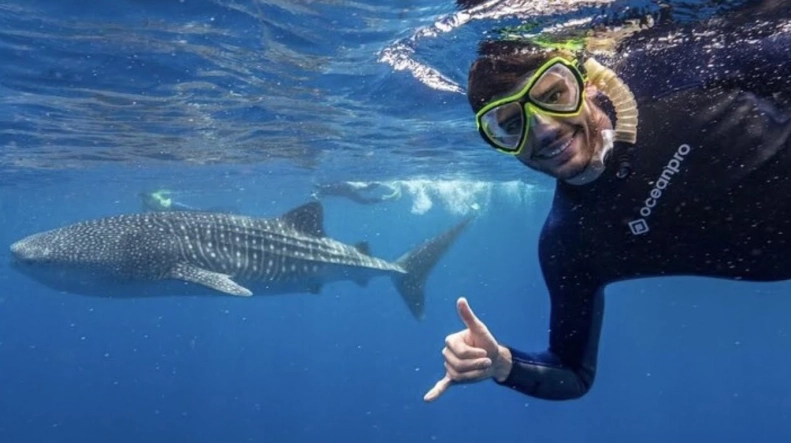 Whale shark snorkeling isn't just a tick on a bucket list. Done right, it's a lesson in humility and a powerful reminder of why we protect our oceans. It's about witnessing wildness on its own terms. Do your homework, choose wisely, and when you're in the water with that gentle giant, remember to breathe—and take a moment to just watch, without the camera.
Reader Comments