You're planning a family trip to that dreamy turquoise cove. The idea of your child, wide-eyed, watching neon fish dart through coral is magical. Then reality hits. What if the mask leaks? What if they swallow water? That magic quickly morphs into anxiety. I've been there. I've also guided hundreds of families on their first snorkel adventures, and I can tell you the difference between a traumatic experience and a lifelong love for the ocean often boils down to one thing: the right gear.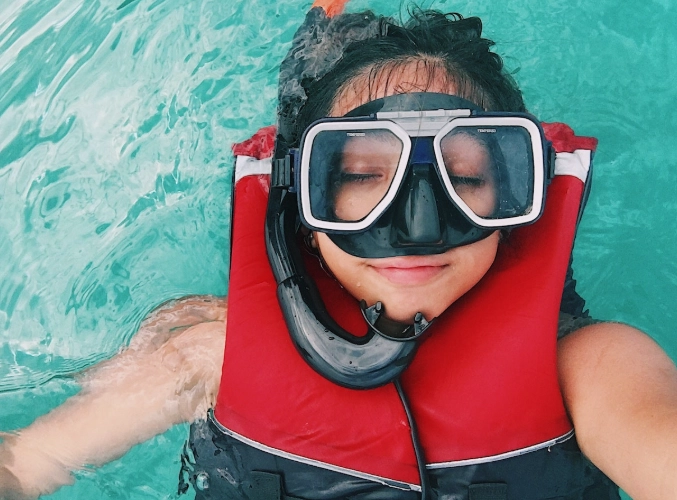
Not just any gear. Safe gear. A child's snorkel set isn't a miniature version of an adult's. It's a piece of specialized safety equipment. This guide cuts through the marketing fluff about cartoon characters and bright colors. We're talking about the engineering, the fit, and the subtle features that genuinely protect your little one underwater.
What You'll Learn in This Guide
How to Choose the Safest Snorkel Set for Your Child: A 5-Point Checklist
Forget just comparing prices. Before you even look at brands, use this checklist. If a set misses one of these points, keep looking.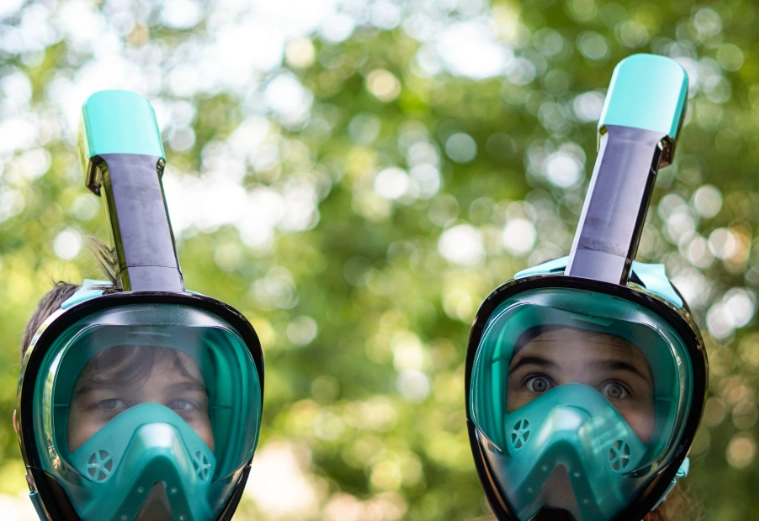
| Component | Non-Negotiable Safety Feature | Why It Matters |
|---|---|---|
| Mask | Soft, hypoallergenic silicone skirt | Creates a watertight seal on delicate skin without irritation. Stiff PVC skirts leak and chafe. |
| Mask | Single lens (not dual-lens with a nose bridge) | Provides a wider, less distorted field of view. Dual-lens masks often pinch small noses, making equalizing pressure impossible and causing discomfort. |
| Snorkel | Dry-top or semi-dry splash guard | A mechanical valve seals the tube when submerged. Prevents the #1 cause of panic: a sudden mouthful of seawater. |
| Snorkel | Flexible, medical-grade silicone mouthpiece | Fits small jaws comfortably, reducing jaw fatigue. Hard plastic mouthpieces cause biting down, leading to headaches. |
| Fins | Closed heel with adjustable strap | Ensures a secure fit; open-heel fins with boots are too complex for young kids. Adjustability accommodates growth and different foot widths. |
Notice I didn't mention color once. That's intentional. A pink mask that leaks is a liability, not a gift.
Mask Mastery: Fit, Seal, and Avoiding the Fog Panic
The mask is the most personal piece. A leak here ruins everything. The biggest mistake I see? Parents buying a mask based on their child's "age range" on the box. Faces don't read age labels.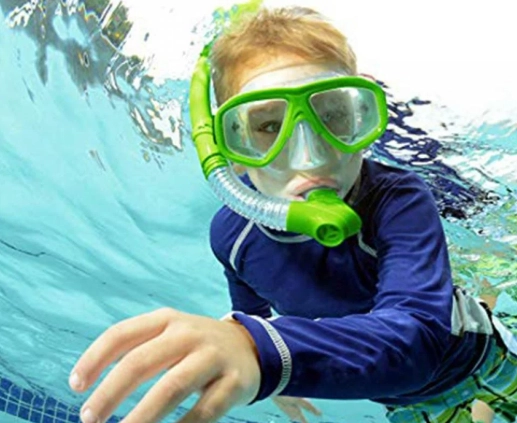
Here's how to find the Goldilocks fit.
The Suction Test is Everything
Have your child hold their hair back. Place the mask gently on their dry face, without using the strap. The skirt should sit comfortably from the bridge of the nose to just above the upper lip. Now, ask them to inhale gently through their nose and hold their breath. The mask should stick to their face, suctioned on, for a few seconds after they let go with their hands. If it falls immediately, it's too big or the wrong shape.
The Nose Bridge Pinch (The Silent Problem)
This is the expert tip most miss. Even if the mask seals, press gently on the lens area over the nose. Can your child still breathe easily out of their nose? If it's blocked or pinched, that's a dual-lens mask causing trouble. A proper single-lens mask encloses the nose in a soft pocket, allowing them to exhale to clear water or equalize pressure in their ears if they dive down a bit. This is a critical safety function.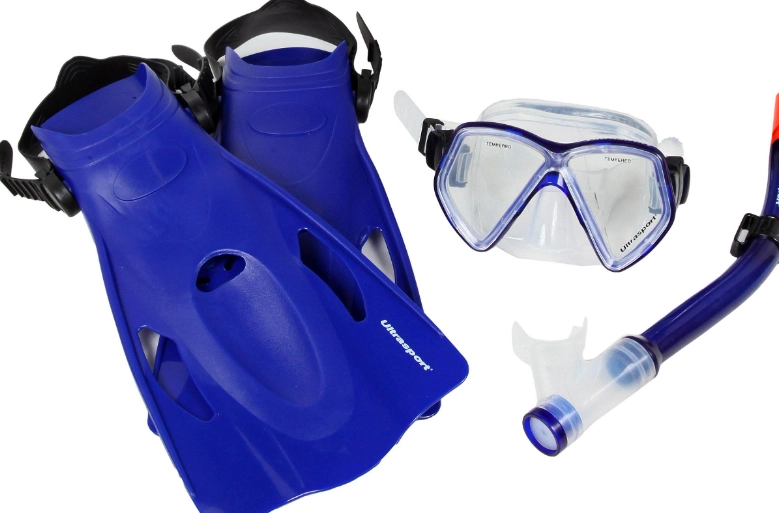
Snorkel Savvy: Why the Top Valve is Your Best Friend
Let's talk about the snorkel itself. The difference between a "wet" snorkel and a "dry" or "semi-dry" snorkel is the difference between a calm child and a coughing, sputtering one.
- Dry-Top Snorkel: Has a floating ball or complex mechanical valve that seals the tube the moment it goes underwater. Zero water entry. Ideal for very young or apprehensive beginners.
- Semi-Dry Snorkel: Has a splash guard (a cleverly designed cover) that deflects most surface water and waves. A simple valve inside seals if fully submerged. Offers a more natural breathing feel with excellent protection. My personal recommendation for most kids.
- Wet Snorkel (J-Style): Just an open tube. Requires the user to have the skill and presence of mind to clear it with a sharp exhale. Not suitable for children's safety.
The mouthpiece matters just as much. Look for one that angles downward naturally. If the snorkel forces their head back to align, it strains the neck. The bite tabs should be soft and long enough to sit comfortably between the teeth and gums.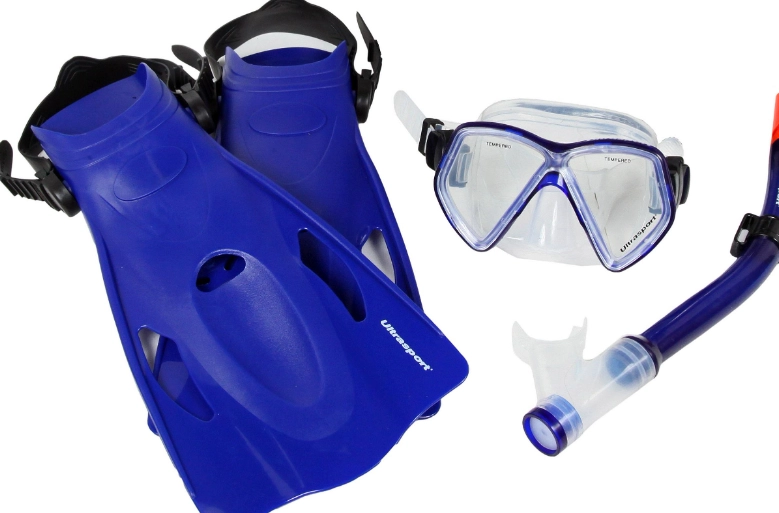
Fin Finesse: Power Without the Cramp
Kids' fins aren't about speed; they're about efficient movement and conserving energy. Stiff, long fins meant for adults will overload their leg muscles in minutes.
You want short, flexible blades. The flex should start right at the foot pocket. Have your child wiggle their foot inside; they should feel the fin blade move easily. A common error is getting fins that are too big, "to grow into." This creates a dangerous amount of drag and can cause the fin to slip off entirely. The fit should be snug but not tight, with the foot pocket fully enclosing the heel.
Materials matter too. Rubber fins are durable but heavy. Modern thermoplastic elastomers offer a great balance of flexibility and lightness. Avoid hard, rigid plastics.
Beyond the Gear: The Real-World Practice Session
The safest gear is useless without practice. Never let the ocean be the training ground. Here's a foolproof pool or calm shallow beach routine.
Phase 1: Mask & Breath Only. No snorkel. Have them put on the mask, get used to the feeling of breathing through their mouth while their nose is covered. Play a game: put a toy on the bottom step, have them look at it while breathing. This builds the foundational skill.
Phase 2: Introduce the Snorkel. Attach the snorkel. Have them stand in chest-deep water, bend at the waist, and put their face in. Let them experience the dry-top valve in action. They'll hear and feel the "click" as it seals. This builds trust in the equipment.
Phase 3: Gentle Movement. Add the fins. Have them practice a slow, relaxed flutter kick on the surface, face in the water. The goal isn't distance, but rhythm and buoyancy. Hold their hand if it helps.
This entire process might take an hour over a couple of days. Rushing it undermines safety. The American Academy of Pediatrics emphasizes the importance of swim competency and supervised, gradual acclimation to snorkeling for children.
Your Top Safety Questions, Answered
Investing time in selecting the right snorkel set for your child isn't about buying the most expensive one. It's about understanding the engineering behind safety features and prioritizing fit over fancy designs. When you see that confident smile behind the mask as they point at a turtle, you'll know it was worth every minute of research. The ocean is an incredible classroom. With the right gear, you're giving your child the key to enter it safely and joyfully.
Reader Comments