You're standing in a shop, or scrolling online, looking at a wall of snorkeling masks. They all promise crystal-clear views and a perfect seal. The price tags swing wildly. What's the real difference? It often comes down to the stuff they're made of—the materials.
Get this wrong, and you're in for a session of constant leaking, forehead pain, and endless fogging. Get it right, and the underwater world opens up without distraction. I've bought the cheap sets and the premium masks, and the material choice was the deciding factor every single time.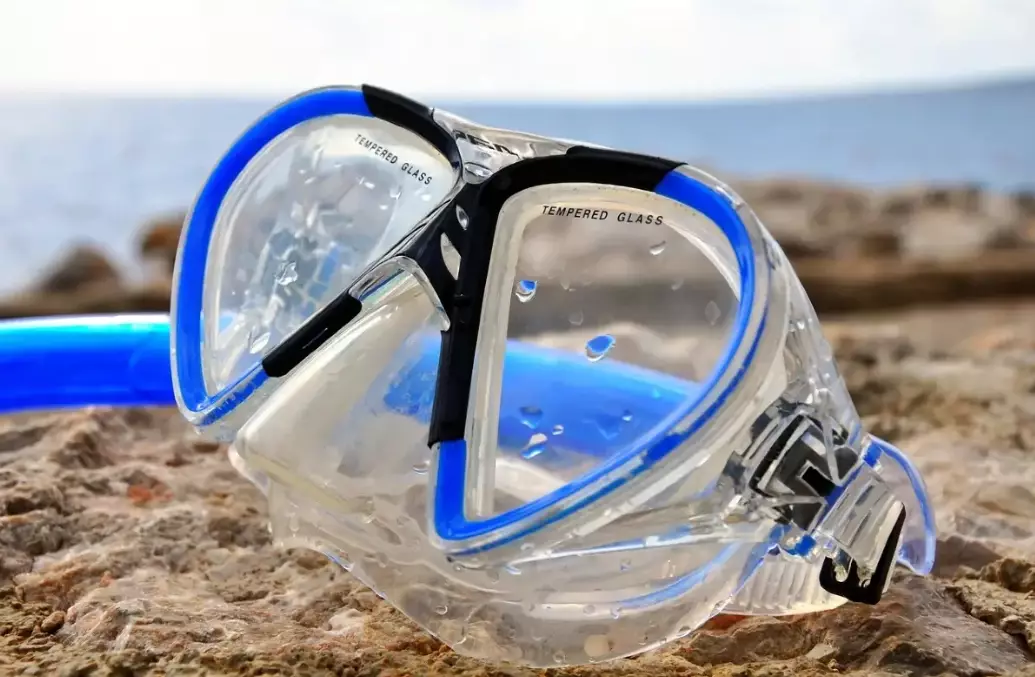
What’s Inside This Guide?
The Skirt Showdown: Silicone vs. PVC (The Face-Sealing Battle)
This is the part that touches your face. It's the number one source of comfort—or misery.
Silicone: The Gold Standard (For Good Reason)
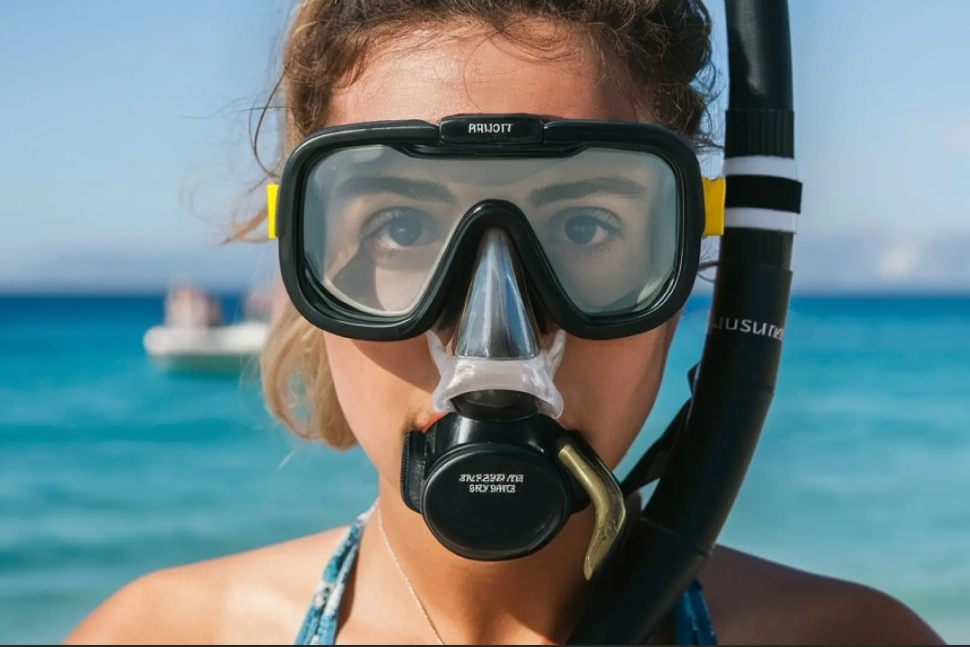
High-grade silicone is what you'll find on every reputable snorkeling and diving mask. It's not a marketing gimmick.
- Feel & Flexibility: It's soft, supple, and feels almost skin-like. This lets it mold to the unique bumps and contours of your face for a superior seal. No two faces are the same, and silicone accommodates that.
- Durability: Here's the big one. Silicone resists UV degradation, ozone, and saltwater corrosion. A good silicone skirt can last for years without hardening. I have a mask from 2016 that's still as pliable as day one.
- Hypoallergenic: It's inert. For most people, it won't cause skin irritation, even on sensitive skin or during long hours in the water.
- The Trade-off: Cost. The production process is more expensive. You're looking at roughly $40 to $150 for a quality silicone mask.
PVC (Vinyl): The Budget Contender
This is the material on virtually every cheap, full-face snorkel mask and those $30 complete snorkel sets.
- The Initial Appeal: Price. It's dramatically cheaper to produce. You get a whole kit for the price of a mid-range silicone mask skirt alone.
- The Reality Check: PVC is inherently stiffer. It has less "memory" and doesn't conform as well. To get a seal, the strap often needs to be tighter, leading to that classic "raccoon eye" headache.
- The Killer Flaw: It degrades. Sunlight, heat, and even just time cause PVC to lose plasticizers. It becomes brittle, cracks, and yellows. That mask might be okay for a one-week vacation, but try using it next year and it'll likely leak. I learned this the hard way on a trip to Hawaii—my backup PVC mask from the previous season was useless.
- Potential for Irritation: Some people report a chemical smell or skin reaction, especially with newer masks.
My blunt take? PVC is for infrequent, casual snorkelers on a strict budget who don't mind replacing gear often. For anyone planning more than a couple of outings, silicone is an investment that pays off in comfort and longevity.
The Lens: It's All About Tempered Glass
Forget plastic lenses for snorkeling. Just don't. They scratch if you look at them funny.
Tempered glass is the only serious option. It's safety glass, processed to be far stronger than regular window glass. If it does break (which requires significant, direct impact), it crumbles into small, less dangerous granules rather than sharp shards.
The key term you might see is "tempered" or "safety" glass. All reputable brands use it. The clarity and scratch resistance are non-negotiable. Some masks add an anti-fog coating on the inside, but don't rely on it—proper prep and defog gel are still essential.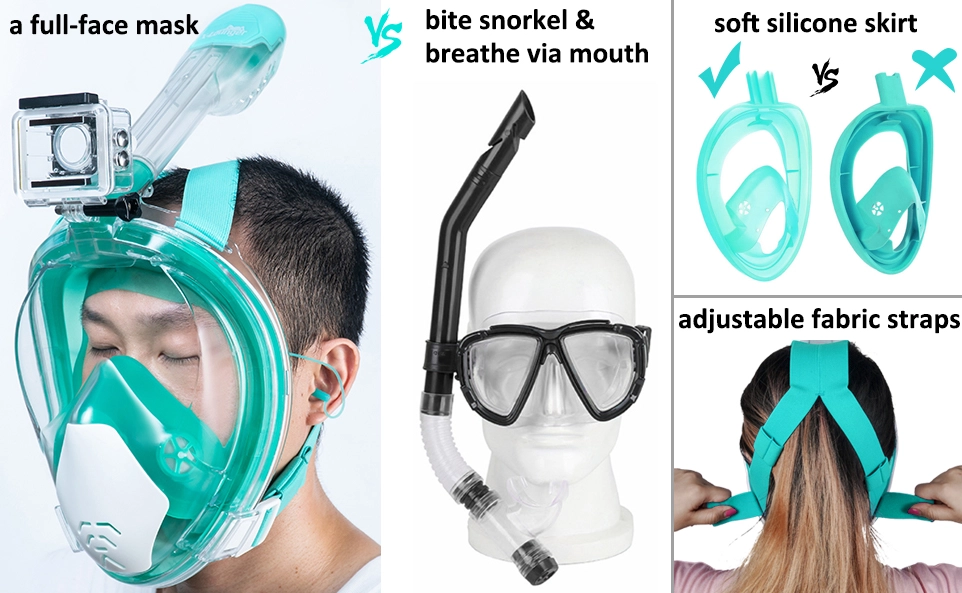
Frame & Construction: Where It All Comes Together
The frame holds the lens and attaches the skirt. Its material affects weight, field of view, and durability.
| Frame Type | Material(s) | Best For | Considerations |
|---|---|---|---|
| Traditional Framed | Polycarbonate or ABS Plastic | Beginners, durability, wide range of lens shapes. | Most common. The frame adds structure and protects the lens edges. Can be slightly bulkier. |
| Low-Volume Framed | Polycarbonate (often with silicone skirt) | Experienced snorkelers, divers, those who need to clear water easily. | Smaller internal air space. Easier to equalize pressure if diving down, less drag. Requires a more precise fit. |
| Frameless | Silicone skirt bonded directly to the lens. | Maximizing peripheral view, minimalists, travel. | Extremely wide field of vision, lightweight, packable. The silicone must be very high-quality. Slightly less rigid. |
| Full-Face Mask | Typically PVC/Polycarbonate combo | First-timers who struggle with a separate snorkel. | Controversial. Can pose CO2 buildup risks. Almost universally use PVC skirts and plastic lenses. I generally advise against them for serious snorkeling. |
How to Choose Based on Your Snorkeling Style?
Let's make this practical. Here’s how your habits should guide your material choice.
The "Once-a-Year Vacationer": You rent gear or have an old set. If buying, a mid-range silicone mask with a polycarbonate frame ($50-$80) is your sweet spot. It will last for many trips, be comfortable, and eliminate the leak variable from your holiday. Avoid the cheapest PVC sets unless you view them as disposable.
The "Weekly Enthusiast": You own your gear and use it regularly. Invest in a high-quality silicone mask. Consider a low-volume or frameless design for a better field of view. You'll appreciate the durability and perfect seal every time you go out. This is where spending $100+ makes sense.
The "Family Trip Planner": Buying for kids or a group? For kids, soft silicone is crucial for comfort and safety. For adults, if budget is tight, get one good silicone mask for the most avid snorkeler and consider mid-range for others. Don't buy everyone the cheapest PVC option—shared discomfort ruins the activity.
The "Tropical Traveler": You're in warm water frequently. Black or dark-colored silicone is a pro move. It reduces internal light reflection (glare) from the bright sun, enhancing contrast and colors underwater. Transparent skirts look cool but can create a "fishbowl" glare effect.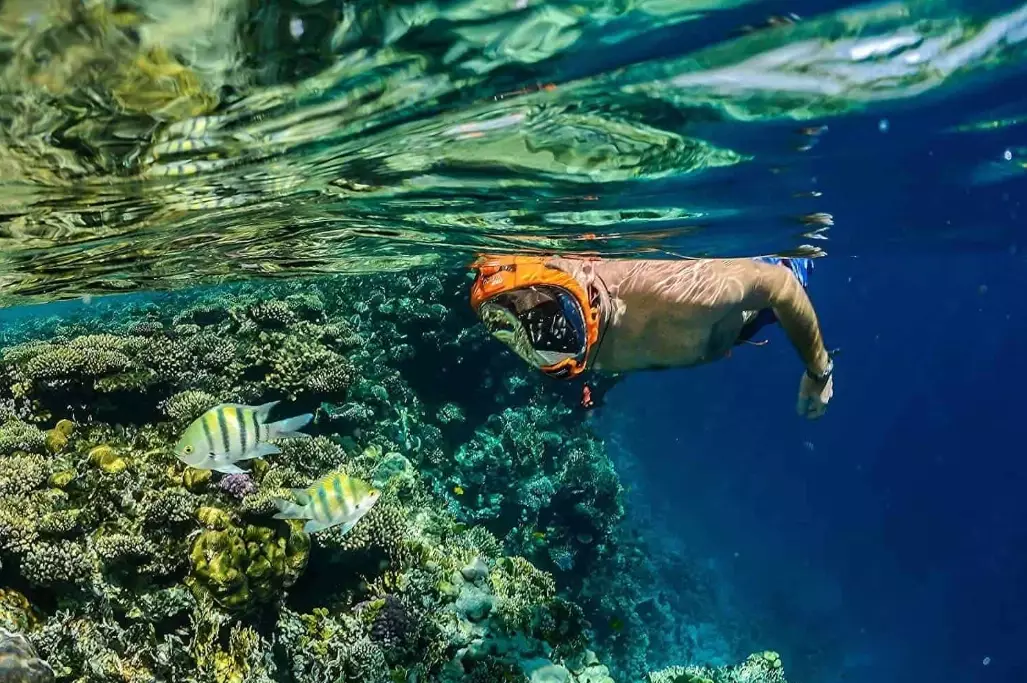
Material-Specific Care & Lifespan
Your mask's longevity depends on how you treat its materials.
- Silicone: Rinse with fresh water after use. Store it in a protective case, out of direct sunlight. Avoid letting it sit on hot surfaces. Keep it away from petroleum-based products. With care, 5-10 years is realistic.
- PVC: Same rinsing advice, but be extra vigilant about sun and heat storage. Even with care, expect hardening and potential cracking within 1-3 years.
- Tempered Glass: Rinse. Dry with a soft cloth. Never use abrasive cleaners or paper towels. Store so the lens isn't resting on hard surfaces.
- Universal Rule: Never, ever use sunscreen on your forehead before putting the mask on. It will degrade the skirt (especially silicone) and guarantee fogging. Apply sunscreen after the mask is on, or use a reef-safe stick around the mask skirt area.
Your Snorkeling Mask Materials Questions Answered
 My PVC mask feels stiff and leaks. Is it just a bad fit?
Reader Comments