Quick Guide to MPA Restrictions
- The Big Picture: Why Are There Restrictions in the First Place?
- The Universal List: Activities Commonly Restricted in MPAs
- Beyond the Basics: Less Obvious (But Important) Restrictions
- Breaking It Down: A Look at Different MPA Zones and Their Rules
- Real-World Examples: What Do Restrictions Look Like on the Ground?
- How to Find the Specific Rules for Your MPA (A Practical Guide)
- Frequently Asked Questions About MPA Restrictions
- The Bigger Why: It's More Than a List of "No's"
So you're planning a trip to the coast, maybe to go diving, fishing, or just cruise around on a boat, and you see those signs or hear from a buddy: "That area's an MPA, watch out." Your first question is probably a simple one: what activities are restricted in MPAs? It's not always straightforward, and honestly, the rules can feel confusing even for people who spend a lot of time on the water. I've been there, staring at a nautical chart trying to decipher the different zones.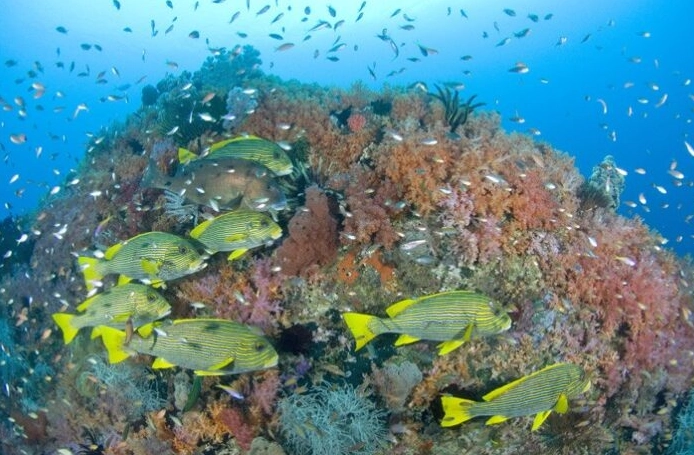
The short answer is: it depends. Heavily. There's no single global rulebook. A Marine Protected Area (MPA) isn't just one thing; it's an umbrella term for a place in the ocean with some level of protection. Think of it like land parks – a local city park has different rules than a strict wilderness preserve. MPAs work the same way.
But that vague answer doesn't help you much, does it? You need specifics. You want to know if you can drop your anchor, cast your line, or collect a few shells. This guide is here to cut through the jargon and give you a clear, detailed look at the common (and not-so-common) activities that get restricted or banned in these zones. We'll look at why these rules exist (it's not just bureaucracy, there's real science behind it), how they vary, and what you absolutely need to know before you go.
Quick Reality Check: Ignorance isn't an excuse. Fines for violating MPA rules can be hefty, ranging from hundreds to tens of thousands of dollars, depending on the location and the violation. More importantly, breaking these rules undoes the hard work of conservation. A single anchor drop in a coral reef recovery zone can destroy decades of growth.
The Big Picture: Why Are There Restrictions in the First Place?
Before we dive into the list, let's talk about the "why." It's easy to see rules as just red tape, but for MPAs, there's a clear goal: to reduce human pressure so marine ecosystems can recover, thrive, and sustain themselves (and us) in the long run. It's about giving the ocean a break.
Scientists have found that well-managed, no-take MPAs (where almost all extraction is banned) can lead to amazing results. Fish get bigger and more abundant, biodiversity increases, and healthy ecosystems spill over to benefit surrounding areas. The International Union for Conservation of Nature (IUCN) provides frameworks for these areas, emphasizing that the level of protection should match the conservation objective. So, the restrictions are tools to hit specific targets, like rebuilding a fish stock or protecting a rare sponge bed.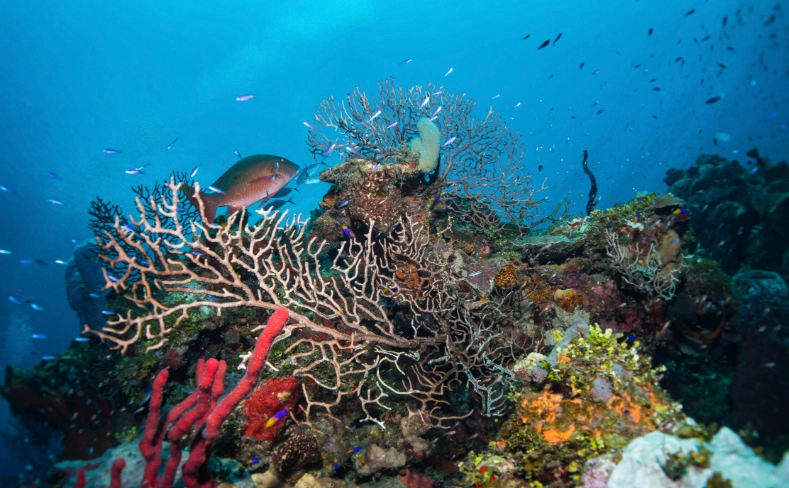
I remember talking to a fisherman in Florida who was initially furious about a new no-fishing zone. A few years later, he admitted his catches just outside the zone were better. It wasn't magic; it was the spillover effect in action. The restrictions, though tough for him personally, ended up helping his livelihood.
The Universal List: Activities Commonly Restricted in MPAs
While specific rules vary, some activities are almost always on the radar for restriction. If you're wondering what activities are restricted in MPAs, start with this core list.
1. Fishing (All Forms)
This is the big one. Fishing pressure is often the primary reason an MPA is established. Restrictions can range from total bans (no-take zones) to limits on:
- Commercial Fishing: Trawling, longlining, gillnetting, trapping. These are frequently prohibited first due to their scale and habitat impact.
- Recreational Fishing: Hook-and-line from shore or boat. Sometimes only certain species are off-limits, or catch-and-release is the only allowed method.
- Subsistence Fishing: This is a tricky one, often involving cultural rights. Some MPAs allow regulated traditional/subsistence fishing with permits.
- Spearfishing: Almost always prohibited in protected areas due to its targeted nature and potential to remove key species.
2. Habitat Disturbance Activities
It's not just about what you take; it's about what you disrupt. These activities mess with the physical home of marine life.
- Anchoring: Dragging an anchor scours the seafloor, destroying fragile corals, seagrass beds, and sponge communities. Many MPAs require the use of mooring buoys instead.
- Dredging & Seabed Mining: Obviously a massive disturbance. Almost universally banned in MPAs.
- Construction: Building piers, breakwaters, or other infrastructure that alters coastlines and seabeds.
I've seen the scars from anchors in seagrass meadows – bare patches that look like underwater dirt roads. It takes years for them to heal. Using a public mooring buoy takes an extra minute but makes a world of difference.
3. Collecting or Harvesting Living/Non-Living Material
If it's on or in the seafloor, it's probably meant to stay there.
- Shell Collecting: Even empty shells provide homes for hermit crabs and other creatures. Often restricted.
- Coral/Souvenir Collection: Taking any coral, live or dead, is a major offense in most marine parks.
- Aquarium Trade Collection: Harvesting tropical fish, live rock, or invertebrates.
- Bioprospecting: Collecting organisms for pharmaceutical or chemical research without explicit permits.
4. Pollution and Discharge
Keeping the water clean is a fundamental goal.
- Sewage Discharge: From vessels or coastal facilities. Many MPAs are designated "No Discharge Zones."
- Greywater Discharge: Water from sinks/showers on boats.
- Trash/Littering: Goes without saying, but penalties are often heightened in MPAs.
- Chemical Runoff: While harder to regulate for individual visitors, MPAs often influence land-use policies to reduce agricultural or urban runoff into the area.
Beyond the Basics: Less Obvious (But Important) Restrictions
Here's where it gets interesting. To truly understand what activities are restricted in MPAs, you need to look at the less obvious ones. These are the rules that often catch people by surprise.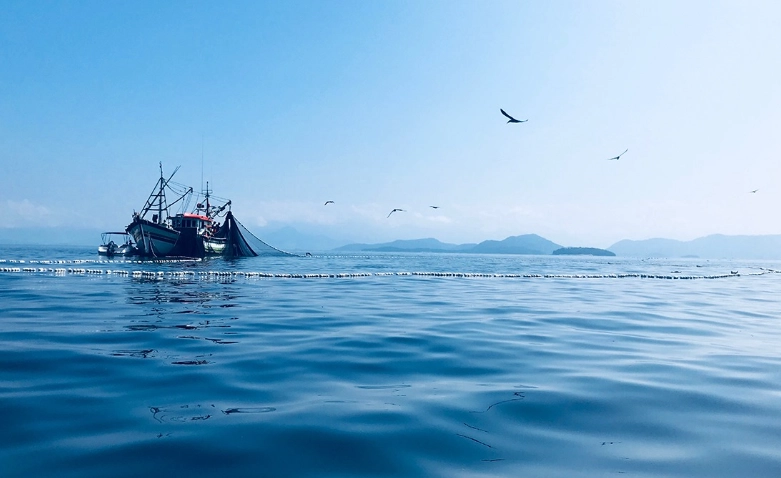
Tourism and Recreation Pressures
Even non-extractive activities can stress an ecosystem if not managed.
- Feeding Wildlife: It alters natural behavior, can make animals aggressive, and leads to poor health. Almost always banned.
- Wildlife Harassment: Chasing, touching, or crowding marine animals (sea turtles, dolphins, manatees, whales). Getting too close on a jet ski or paddleboard can constitute harassment.
- Access to Sensitive Areas: Certain seabird nesting islands or seal haul-out beaches may be completely off-limits during breeding seasons.
- Underwater Noise: Some MPAs are starting to consider noise pollution from boats, sonar, or construction as a form of disturbance, especially for sound-sensitive species like whales.
Scientific Research (Yes, Even That)
This one surprises people. Even scientists need permission. Research within an MPA often requires a permit to ensure the study itself doesn't cause harm and aligns with the MPA's goals. Collecting samples, tagging animals, or deploying equipment all needs approval. It's a good system – it prevents duplicative or damaging studies and coordinates efforts. You can usually find permit applications on the managing agency's website, like the NOAA Fisheries permit pages for MPAs in U.S. waters.
Shipping and Transportation
Large vessels pose risks of spills, groundings, and noise. Some MPAs establish:
- Areas to Be Avoided (ATBAs): Voluntary or mandatory zones where large ships should not travel.
- No-Wake Zones: To reduce erosion and disturbance from wave action.
- Speed Restrictions: To reduce collision risk with whales and other large animals.
Breaking It Down: A Look at Different MPA Zones and Their Rules
The "it depends" factor is mostly about zoning. A single MPA often has multiple zones with different rules. Here’s a simplified table to show how restrictions typically stack up. Remember, this is a general guide – you MUST check the specific regulations for the MPA you're visiting.
| Zone Type / Activity | Strict Nature Reserve / No-Take Zone | Habitat Protection Zone | General Use / Multiple-Use Zone |
|---|---|---|---|
| Commercial Fishing | Prohibited | Restricted (e.g., no bottom trawling) | Allowed with regulations |
| Recreational Fishing | Prohibited | Often restricted or catch-and-release only | Allowed with regulations (bag/size limits) |
| Anchoring | Prohibited (moorings only) | Restricted to designated areas | Generally allowed on sand/gravel |
| Diving & Snorkeling | Allowed (often with permit/guide) | Allowed | Allowed |
| Boating | Transit only, no stopping | Allowed | Allowed |
| Collecting (shells, coral) | Prohibited | Prohibited | Often prohibited |
See the gradient? The general-use zone might feel almost normal, while the no-take zone is like a wilderness sanctuary. Knowing which zone you're in is 90% of the battle.
A Common Pitfall: GPS boundaries. MPA boundaries are legal lines, not physical fences. It's scarily easy to drift from a general-use zone into a no-take zone while fishing without realizing it. Your fishfinder won't warn you. Having a chartplotter or marine app with the official zones loaded is crucial.
Real-World Examples: What Do Restrictions Look Like on the Ground?
Let's make this concrete. Here’s how some famous MPAs answer the question, "what activities are restricted in MPAs?"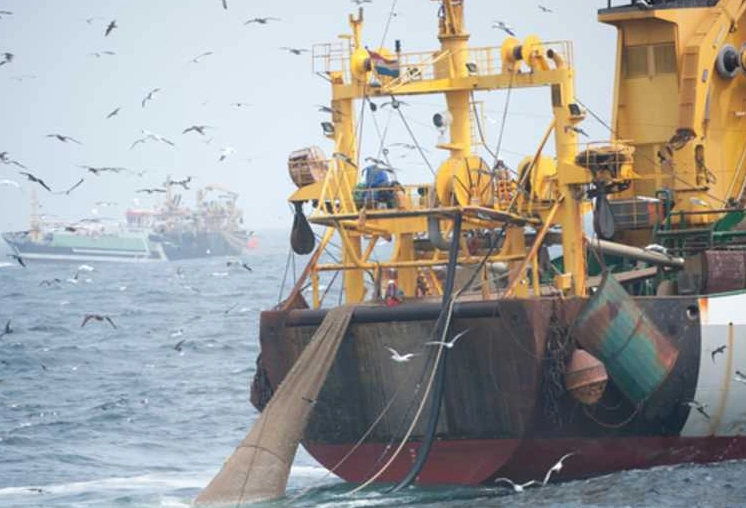
The Great Barrier Reef Marine Park (Australia)
A masterclass in zoning. Their system is color-coded (Green, Yellow, Blue, etc.). In a "Preservation" (Pink) Zone, you can't even enter without a scientific permit. In a "General Use" (Light Blue) Zone, you can troll for pelagic fish like mackerel, but bottom fishing or collecting shells is banned. It's incredibly specific. They publish detailed maps for every sector.
Papahānaumokuākea Marine National Monument (Hawaii, USA)
This is one of the world's largest MPAs. The rules are stark: no commercial fishing, no recreational fishing, no anchoring (moorings at select sites for permitted research/ship operations only), no mining, no unauthorized access. It's about as strict as it gets, designed to preserve a remote, pristine ecosystem. Tourism is virtually non-existent.
A Local Coastal MPA
Contrast that with a smaller MPA near a populated area, like the Channel Islands National Marine Sanctuary off California. It has no-take "marine reserves" within the larger sanctuary. In the reserves, all fishing and harvesting is banned, but non-consumptive diving and boating are okay. Outside the reserves, in the broader sanctuary, fishing follows state regulations, but there are rules against discharging sewage and disturbing seabirds. It's a mosaic.
The lesson? You can't assume. A place called a "Sanctuary" might allow fishing, while a "Marine Park" might have a strict no-take core. Always, always look up the local rules.
How to Find the Specific Rules for Your MPA (A Practical Guide)
All this talk is useless if you don't know how to get the info you need. Here’s your action plan:
- Identify the Managing Authority: Is it federal (like NOAA in the U.S.), state/provincial, or local? A quick web search for "[MPA Name] regulations" usually points you right way.
- Find the Official Map and Regulations Page: Legitimate MPAs have these. For U.S. federal waters, the NOAA MPA Inventory is a fantastic starting point with links to official sites.
- Use Updated Marine Charts or Apps: Paper NOAA charts and electronic chartplotters (like Garmin, Navionics) display MPA boundaries. Apps like Fishbrain or state-specific wildlife agency apps often have layer toggles for MPAs and fishing regulations.
- Ask On-Site: If there's a visitor center, park ranger, dive shop, or charter captain, ask them. They are the local experts.
"The most frustrating violations I see come from simple laziness," a marine park warden once told me. "Someone sees others fishing and assumes it's fine, without checking if they're in a different zone. Five minutes of research could save them a $500 ticket and protect the reef."
Frequently Asked Questions About MPA Restrictions
Almost always yes. In fact, no-take MPAs are often incredible dive spots because the marine life is so abundant. However, there are rules: don't touch or stand on coral, don't harass animals, maintain good buoyancy, and ensure no gear drags across the bottom. Some sensitive sites may require a guide or permit.
Accidents happen—a lure snags in a no-take zone, you drift over a boundary. If it's a genuine accident and you're not blatantly exploiting resources, most officers will use it as an educational moment, especially if you're cooperative. However, claiming ignorance after the fact rarely works. The best defense is to have done your homework beforehand and have your charts ready to show you were trying to comply.
In most MPAs, simple transit (moving through without stopping) is allowed in all but the most extreme preservation zones. Non-consumptive, passive observation (like bird watching from a boat, whale watching from a regulated distance) is also typically fine. Swimming on the surface is usually okay, but check for specific beach or shoreline access rules.
It varies. It could be national coast guards, state wildlife officers, fisheries patrols, local marine police, or dedicated MPA rangers. Enforcement might be via patrol boats, aircraft, or even remote cameras and acoustic monitoring. Don't assume no one is watching just because you don't see a boat nearby.
MPA management is adaptive. If new science shows a species is struggling, rules might tighten. If a threat diminishes, some restrictions could be relaxed (though this is rarer). Public comment periods usually accompany major changes. It's a good idea to check for updates if you visit an MPA regularly.
The Bigger Why: It's More Than a List of "No's"
Looking at a long list of restrictions can feel limiting. I get it. But I try to flip the perspective. These rules aren't about taking something away from us; they're about giving something back to the ocean. They're an investment.
When you're in a well-protected MPA, the difference is palpable. The colors are brighter, the fish are less skittish, the ecosystem feels whole. That experience—seeing a thriving ocean—is the real privilege. The restrictions are the price of admission for that privilege, and for ensuring our kids get to see it too.
So next time you're planning a trip and ask, "what activities are restricted in MPAs?" don't just see it as a bureaucratic hurdle. See it as the user manual for visiting a fragile, recovering, and spectacular place. Learn the rules, follow them, and you become part of the solution. And trust me, the view is better from there.
Got a specific MPA in mind you're curious about? Drop its name in a comment—figuring out these rules is a puzzle worth solving.
Reader Comments