Let's be honest. The first time you saw a full face snorkel mask, it looked like something from a sci-fi movie. One big lens covering your whole face, breathing through your nose and mouth naturally. It promised an end to jaw fatigue and a leaky mouthpiece. But then you heard the rumors – are they safe? Do they cause CO2 buildup? Which one is actually worth your money? I've tested over a dozen models in conditions from the calm Caribbean to choppy Hawaiian shores. This guide cuts through the marketing hype. We'll look at the engineering, the real-world performance, and help you find the best full face snorkel mask for your specific needs, or if you should stick with a traditional setup.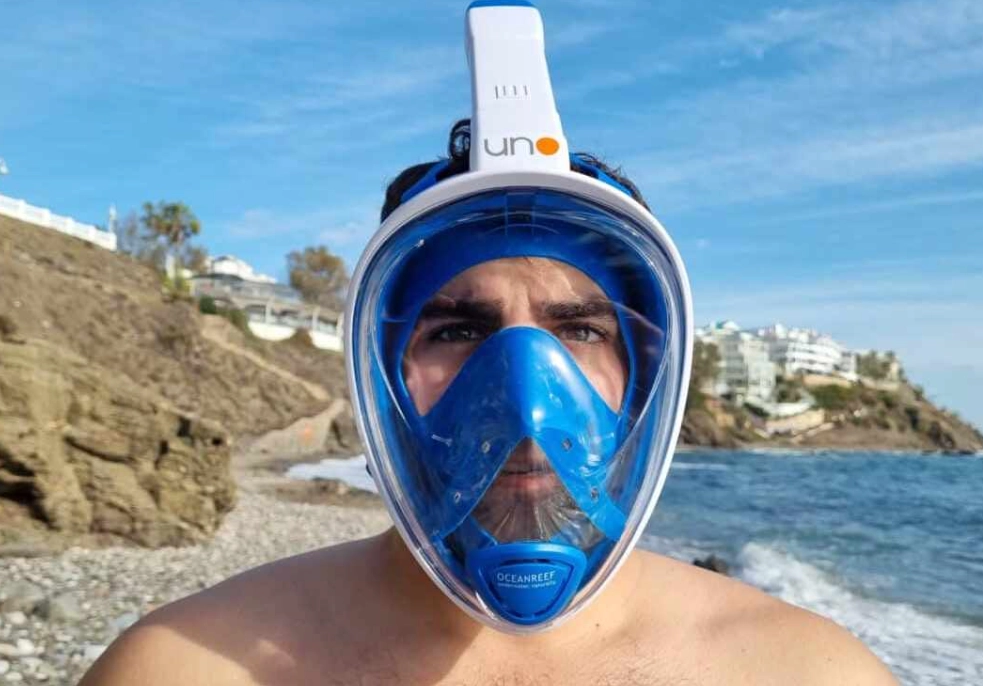
What's Inside This Guide
What Is a Full Face Snorkel Mask and How Does It Work?
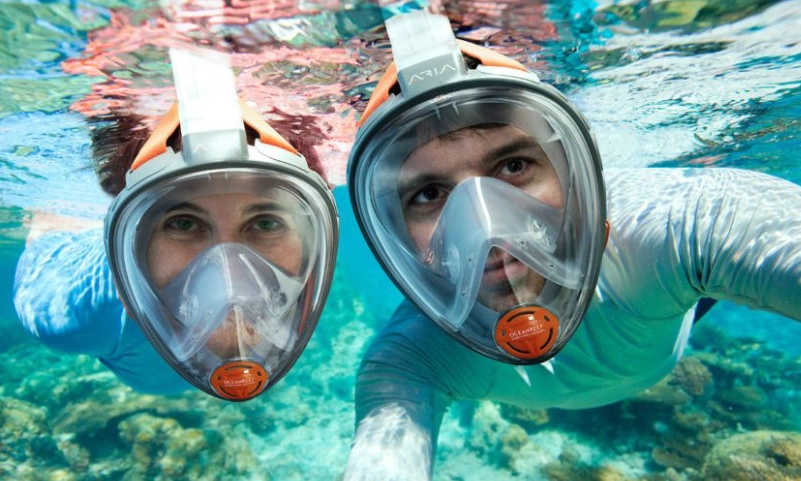
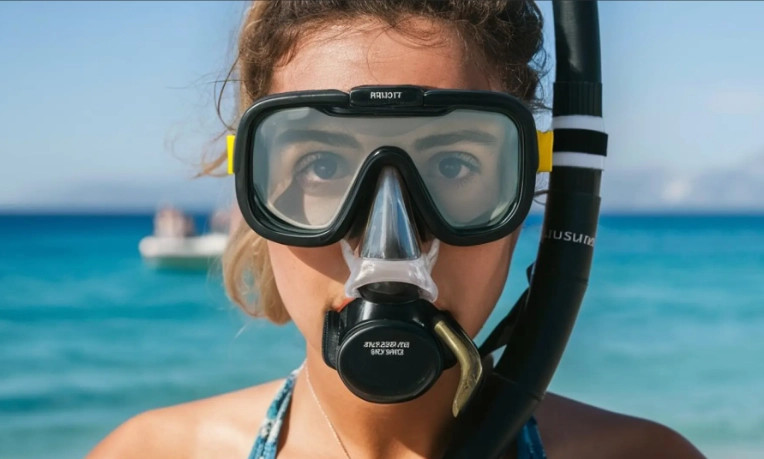
A full face snorkel mask is a single unit that seals around the perimeter of your face, covering your eyes, nose, and mouth. Unlike the traditional separate mask and snorkel, it integrates the breathing apparatus above the lens. You breathe in and out through your nose and/or mouth inside a sealed air chamber. The key component is the dry-top system – a floating valve at the top of the snorkel that seals shut if a wave washes over it, preventing water entry. A separate, lower valve at the bottom of the mask allows exhaled air (rich in CO2) to be purged out.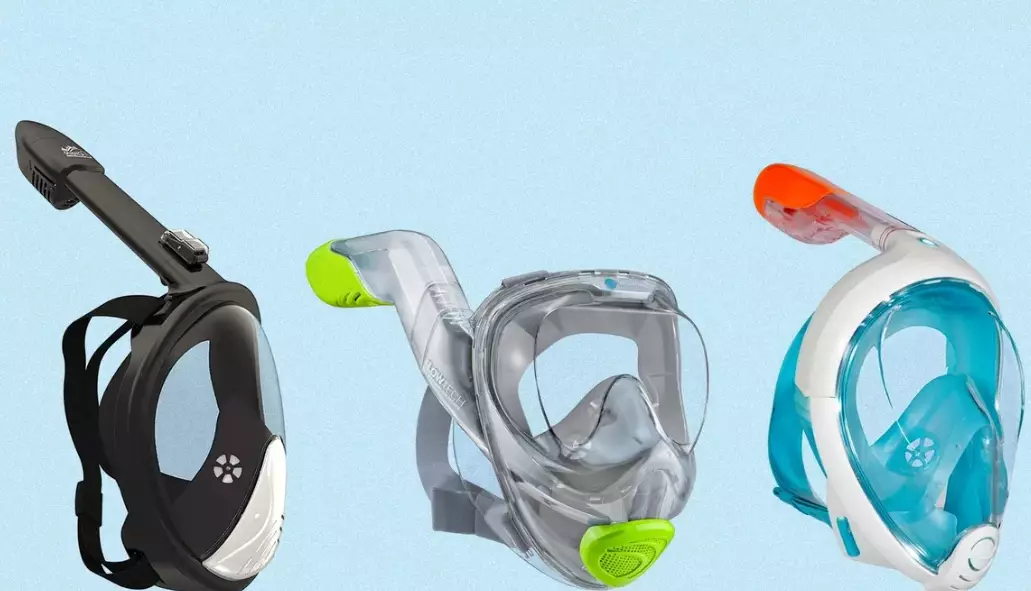
The main appeal is comfort and ease of use. No more biting on a rubber mouthpiece. You can talk, smile, and breathe naturally. The panoramic view is often superior. But this design introduces a critical factor: the volume of the internal air chamber. Too large, and stale air (CO2) might not be efficiently flushed, which is the root of safety concerns.
The Safety Debate: What the Science Actually Says
This is the elephant in the room. You've probably read alarming headlines. Let's clarify.
The concern is carbon dioxide (CO2) rebreathing. When you exhale, you release CO2. In a poorly designed mask with a large dead air space (the area between your face and the lens where air doesn't circulate), you could inhale a higher concentration of this exhaled CO2 on your next breath. In extreme, theoretical cases, this could lead to hypercapnia (excess CO2 in the blood), causing dizziness, headache, or worse.
Reputable brands design masks with separate inhalation and exhalation channels and optimized chamber volumes to minimize this risk. Look for masks that comply with European (CE) or other international safety standards for diving equipment. The professional diving organization PADI has issued guidance stating that while they recommend traditional gear for formal training, modern full-face masks from trusted manufacturers can be used recreationally with proper instruction.
The bottom line? A high-quality, well-fitted full face mask from a reputable brand is generally safe for recreational surface snorkeling by healthy individuals. It is NOT for freediving, scuba diving, or swimming underwater for extended periods.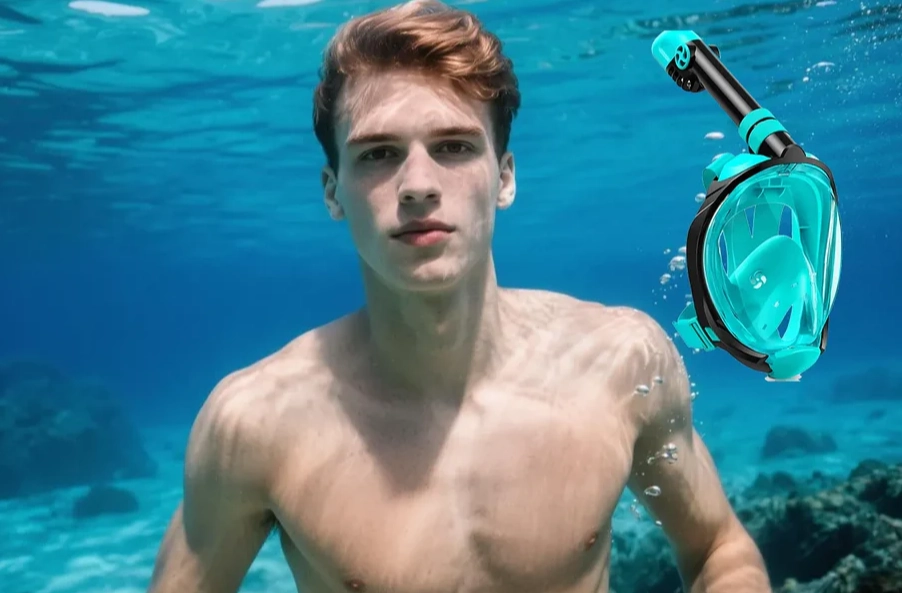
How to Choose the Best Full Face Snorkel Mask: The 5-Point Checklist
Don't just buy the first one you see on Amazon. Use this checklist.
1. Fit and Seal (The Deal-Breaker)
This is paramount. A leaky mask is a useless mask. Your face shape matters more than with traditional masks. Most brands offer size guides based on measurement from chin to brow. But here's the trick most miss: the seal relies heavily on your cheekbone and temple structure, not just vertical height. If you have very prominent or very flat cheekbones, some designs will simply not seal. Look for masks with a wide, flexible silicone skirt.
2. Dry Top Snorkel and Purge Valve Reliability
The dry top valve should snap shut instantly and seal completely. Test it by blowing water up the tube – nothing should come through. The lower purge valve should be large and easy to clear with a sharp exhale. I've seen masks where the purge valve is too stiff or too small, making clearing a chore.
3. Field of View and Anti-Fogging
Panoramic views are a major selling point. Look for a lens that wraps around. Anti-fogging is critical because you can't spit-and-rinse the inside lens. The best systems use a dual-pane lens (like double-glazed windows) with a sealed air gap that prevents condensation from forming on the inner surface. This is a game-changer. Some cheaper masks just have a basic anti-fog coating that wears off.
4. Materials and Build Quality
Press on the lens frame. Does it feel flimsy or solid? The silicone should be soft, hypoallergenic, and thick. Thin silicone wrinkles and leaks. Check the strap system – a wide, split-strap design is more secure and comfortable than a single thin strap.
5. Intended Use and Your Snorkeling Style
Are you a casual floater watching fish in a calm bay? Or do you like to actively swim and dive down a few feet? For active snorkelers, look for a more streamlined, lower-volume design. For pure relaxation, comfort and view are king.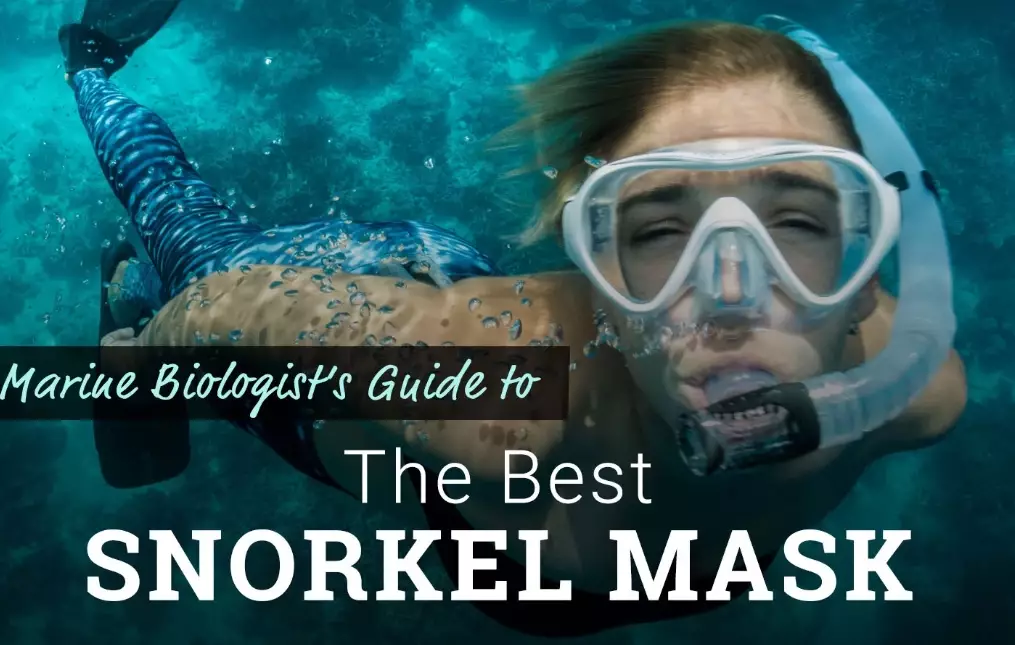
Top 5 Full Face Snorkel Masks Compared (2024)
Here’s a breakdown of the leading contenders based on hands-on testing. This isn't just specs – it's about how they perform in the water.
| Brand & Model | Key Feature | Best For | Watch Out For | My Personal Take |
|---|---|---|---|---|
| Ocean Reef Aria | Gold standard for safety. Separate breathing channels, certified. | Safety-conscious users, those prone to anxiety. | Higher price point. Can feel bulky. | The most engineered and "safe-feeling" mask. The separate air channels are noticeable. Used by many tour operators. |
| Tribord Subea Easybreath (Decathlon) | Original pioneer. Excellent dual-pane anti-fog, great value. | First-time buyers, families, value seekers. | Some find the breathing resistance slightly higher. Sizing can be tricky. | My go-to recommendation for most people. The anti-fog works brilliantly. I've used mine in Belize for 3 years with zero fogging issues. |
| Wildhorn Outfitters Seaview 180° | Massive 180° view, camera mount included. | Underwater photographers, those wanting the widest view. | The large view can cause distortion at the edges. Seal requires a perfect fit. | The view is incredible, like an IMAX screen. But if your face doesn't match their sizing mold, it will leak. Try before you buy if possible. |
| HEAD Sea Vu | Streamlined, low-profile design. | Active snorkelers who swim more than float. | Smaller field of view than panoramic models. | It feels sporty. Less drag in the water. Good if you dislike the "bubble helmet" feeling of other masks. |
| CAPAS Ninja Mask | Extremely low volume, minimalist design. | Freedivers transitioning to surface use, or those wanting a "second skin" feel. | Not a true full-face – mouthpiece is inside, so you still bite. Steep learning curve. | A niche product. It's fantastic for its purpose (freediving training), but confusing for casual snorkelers expecting a traditional full-face experience. |
My personal workhorse is the Tribord Easybreath. For the price, the consistent anti-fog performance is unbeatable. On a trip to the Bahamas, while others in my group were constantly clearing their traditional masks or dealing with fog, I was just… breathing and looking. It changed the experience from a task to pure enjoyment.
Care and Maintenance: Making Your Investment Last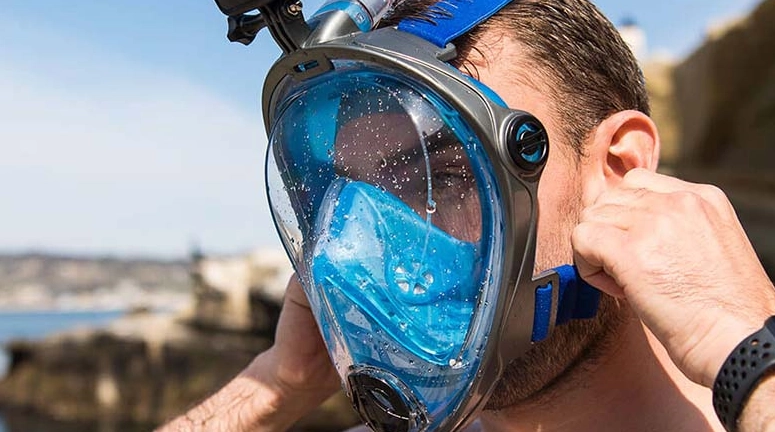
Treat it right, and a good mask lasts for years. Treat it wrong, and the anti-fog fails in a season.
Rinsing is Non-Negotiable: After every saltwater or chlorinated pool use, rinse thoroughly inside and out with fresh, cool water. Don't use hot water—it can damage the silicone and seals.
Drying: Let it air dry completely in the shade before storing. Never pack it away damp. This prevents mildew and silicone degradation.
Cleaning the Lens: Never use abrasive cloths, paper towels, or harsh chemicals. Use a microfiber cloth and, if needed, a tiny drop of mild dish soap. For the external lens, a dedicated mask cleaner spray works well. The CDC recommends proper cleaning of recreational gear to prevent the spread of waterborne illnesses, a good practice for any snorkel gear.
Storage: Keep it in a protective case or a padded bag. Don't leave it in direct sunlight or a hot car for prolonged periods. UV rays and heat are the enemies of silicone and plastic.
Your Full Face Snorkel Mask Questions, Answered
 Are full face snorkel masks safe for children?
 Choosing the best full face snorkel mask comes down to honest self-assessment. What's your face shape? What's your snorkeling style? And what's your comfort level with the technology? Ignore the extreme fear-mongering and the over-the-top hype. Focus on fit, reputable brands with safety certifications, and that crucial dual-pane anti-fog lens. When you get the right one, it can transform a good day on the water into a great one, letting you focus on the turtles, not your gear.
Reader Comments