In This Guide
- Why the Right Fin Makes All the Difference
- The Big Split: Full-Foot vs. Open-Heel Fins
- Blade Design: Paddle, Split, and Everything In Between
- Key Features to Compare Side-by-Side
- A Real-World Snorkeling Fins Comparison: Popular Models
- How to Choose: Your Personal Snorkeling Fins Comparison Checklist
- Gear Up Right: The Rest of Your Kit
Let's be real. Shopping for snorkeling fins can feel like trying to read a foreign language. You've got full-foot, open-heel, short blades, long blades, split fins, paddle fins, vents, channels... it's enough to make your head spin. And every brand claims theirs is the best. I remember my first pair. I bought the cheapest ones I could find on a tropical vacation, thinking "a fin is a fin." Big mistake. My feet were cramped halfway through the first swim, and I spent more energy fighting the floppy blades than I did enjoying the fish. That experience sent me down a rabbit hole of research and real-world testing.
This guide is the result. It's not a sales pitch. It's a straight-talking, detailed snorkeling fins comparison aimed at one thing: helping you find the pair that actually works for you and your style of snorkeling. We'll ditch the jargon, compare the real-world pros and cons, and I'll even throw in some personal opinions (the good and the bad) from years of getting it wrong before I got it right.
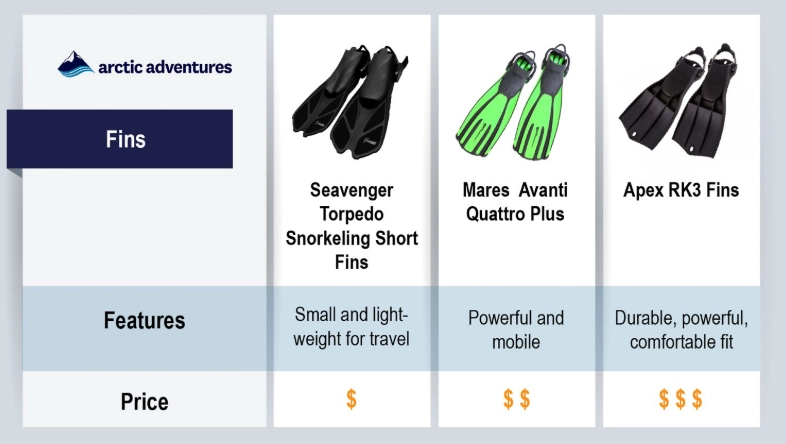 Forget one-size-fits-all. Your perfect fin is out there.
Why the Right Fin Makes All the Difference
Before we dive into the nitty-gritty of a snorkeling fins comparison, let's talk about why this matters so much. Good fins aren't just about going faster. They're about efficiency, comfort, and safety. The right pair turns snorkeling from a leg-burning chore into a graceful, effortless glide. You conserve energy, which means you can stay out longer, see more, and aren't exhausted when you need to swim back against a current. Poor fins do the opposite. They can cause foot cramps, blisters, and leg muscle fatigue that ruins your whole day. Trust me, I've been there.
It boils down to physics. Fins convert the powerful, slow-twitch muscles in your thighs and core into efficient forward motion. A well-designed blade amplifies your kick. A poorly designed one wastes that energy as drag or flex. Choosing the right tool for the job is half the battle in having a great time on the water.
The Big Split: Full-Foot vs. Open-Heel Fins
This is the first and most fundamental decision in any snorkeling fins comparison. It defines the entire experience.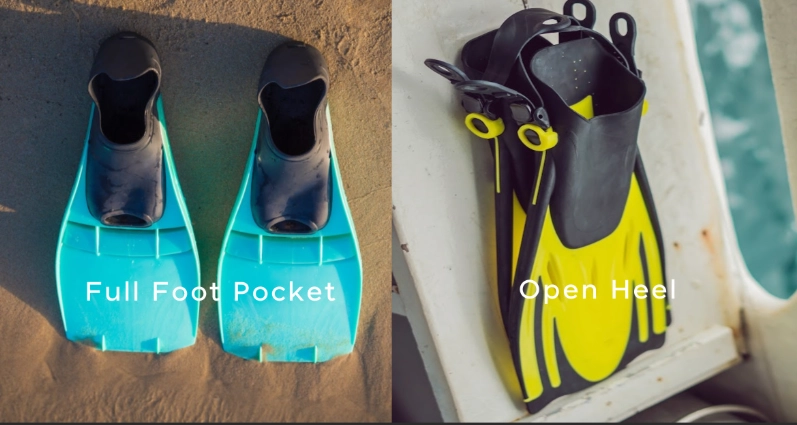
Full-Foot Fins (The Slipper)
These are the classic snorkeling fin. They enclose your entire foot like a shoe, usually made from a single piece of rubber or thermoplastic. You wear them barefoot.
- The Good: Lightweight, simple, and incredibly streamlined. There are no straps to adjust or catch on anything. They're often more affordable and are the go-to for warm-water, casual snorkeling straight from a beach. The fit, when correct, can feel very secure and direct.
- The Not-So-Good: Fit is absolutely critical—there's no adjustment. If your foot is between sizes, you're out of luck. They can be a pain to put on when your feet are wet or sandy. In cooler water, you can't wear them with booties for warmth. I find they can also put more direct pressure on the top of your foot, which can lead to hotspots during a long session.
Open-Heel Fins (The Adjustable Workhorse)
These have a foot pocket that stops at your instep, with an adjustable strap that goes around your heel. They are designed to be worn with neoprene booties.
- The Good: Ultimate adjustability and comfort. The strap lets you get a perfect, secure fit regardless of foot shape. The booties protect your feet from blisters, provide warmth, and allow you to walk comfortably over rocky entries. This is the preferred choice for more active snorkelers, those in cooler climates, or anyone snorkeling from a boat where you might be stepping on ladder rungs.
- The Not-So-Good: They are bulkier, heavier, and more expensive (you need to buy the booties too). The strap mechanism can sometimes fail or be fiddly. There's a slight increase in drag compared to a sleek full-foot design.
Blade Design: Paddle, Split, and Everything In Between
This is where the magic—or the struggle—happens. The blade's job is to move water.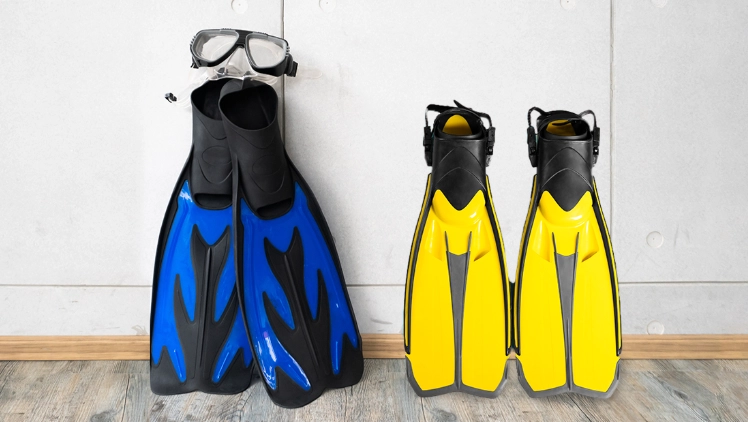
Traditional Paddle Fins
The original design. A solid, single blade extending from the foot pocket. They rely on the snorkeler's leg strength and kicking technique.
- Pros: Simple, durable, and provide powerful direct thrust. They offer excellent control and maneuverability, which is great for finning around coral heads or in surge. Generally more affordable.
- Cons: Can cause more leg fatigue for beginners or those with less-than-ideal kicking technique (a stiff, straight-legged kick will tire you out fast). They have a higher perceived effort.
Split Fins
These have a blade that's split down the middle, resembling a fish's tail. They work on a different principle, creating lift and propulsion like a propeller.
- Pros: Incredibly efficient for a relaxed, low-effort flutter kick. They significantly reduce leg fatigue, allowing you to snorkel for hours. Many people with knee or ankle issues prefer them because they require less joint flexion.
- Cons: Less immediate power and thrust. They can feel "mushy" or unresponsive if you need a quick burst of speed or are fighting a current. Maneuverability and backward kicking are not their strong suits. Personally, I find the feeling strange—I miss the solid "push" of a paddle fin.
Channel / Vented Fins
These are paddle fins with strategic holes or channels near the foot pocket. The idea is to reduce resistance at the beginning of the kick stroke, making it easier to initiate, while still providing solid power on the push.
- Pros: A great middle-ground. They feel lighter and easier to kick than a solid paddle fin but retain more direct power and control than a split fin. The vents can also help with stability.
- Cons: The benefits can be subtle and depend heavily on the specific design. Not all vents are created equal.
So, which is best in this blade design snorkeling fins comparison? If you're strong, snorkel actively, and want control, go paddle. If you prioritize comfort, endurance, and have joint concerns, try split. If you want a bit of both, channel/vented fins are a fantastic compromise that most people end up loving.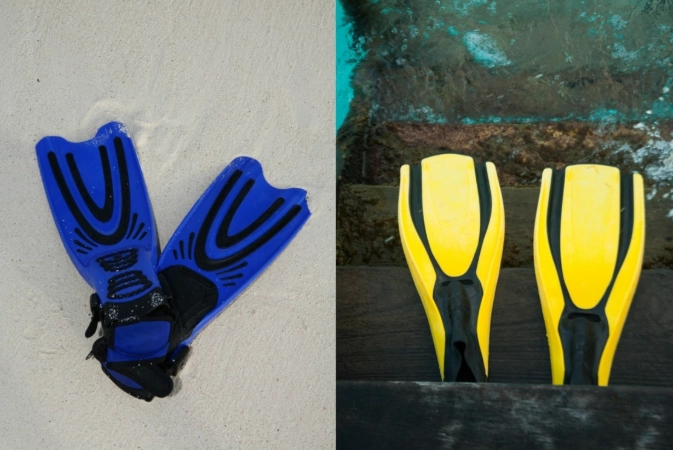
Key Features to Compare Side-by-Side
Beyond the big categories, the devil's in the details. Here’s a breakdown of features that make a tangible difference.
| Feature | What It Is | Why It Matters | My Take |
|---|---|---|---|
| Blade Length | Short (20-23"), Medium (24-26"), Long (27"+) | Short: Agile, less leg strain. Long: More power per kick, better for strong swimmers/currents. Medium: The sweet spot for most. | I'm a medium-length guy. Long fins are cumbersome for travel and feel like overkill unless you're a serious freediver. Short fins are great for kids or very casual use. |
| Blade Stiffness/Flex | Soft, Medium, Stiff | Softer flex is easier on legs, good for beginners. Stiffer flex transfers more power, needs stronger legs. Flex pattern (where it bends) is key. | This is huge. A fin that's too stiff for your strength is miserable. Err on the side of softer when in doubt. A progressive flex (softer at pocket, stiffer at tip) is ideal. |
| Foot Pocket Material | Thermoplastic Rubber (TPR), Silicone, Traditional Rubber | TPR is stiff and durable. Silicone is super soft, comfortable, and resistant to sun/ozone. Rubber is the classic, often a balance. | For full-foot, silicone is a luxury that prevents blisters. For open-heel, the material matters less since the bootie is the interface. Rubber can get smelly. |
| Drainage Holes | Small holes in the foot pocket | Let water drain out quickly when you put them on, and prevent a suction/vacuum effect. A small but brilliant feature. | Non-negotiable for me now. Trying to squeeze into a fin full of water is the worst. This is a mark of thoughtful design. |
| Spring Straps (Open-Heel) | Replaces the traditional rubber strap with a bungee-style spring | Easier to put on/take off, constant even pressure, no metal buckles to corrode. More durable. | Worth every penny of the upgrade. Once you go spring strap, you never go back. It's that simple. |
A Real-World Snorkeling Fins Comparison: Popular Models
Let's apply all this theory to some actual fins you'll see recommended everywhere. This isn't about declaring one "the best," but highlighting their personalities so you can see which aligns with your needs.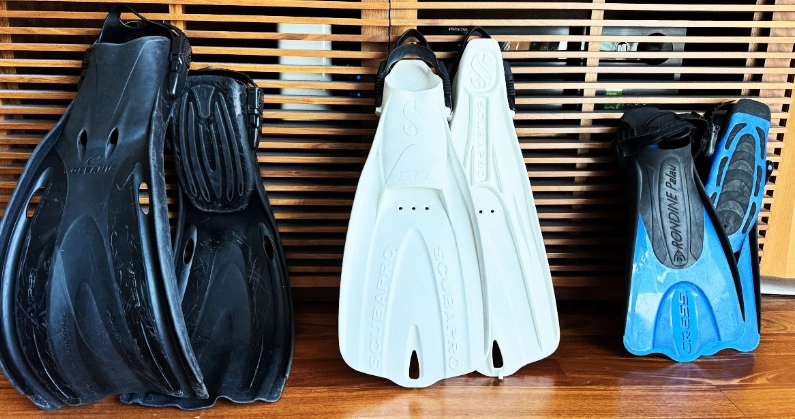
The All-Rounder: Cressi Rondinella
A classic full-foot, short/medium paddle fin. It's lightweight, has a soft-ish flex, and a reasonably comfortable foot pocket. It's the default rental fin in much of the world for a reason: it's forgiving and works for a wide range of people. For a first-time buyer or a travel snorkeler who wants a reliable, no-fuss tool, it's a stellar choice. Is it the most powerful or advanced? No. But it's a workhorse that gets the job done comfortably. I've loaned these to friends and they always come back smiling.
The Efficiency King: Aqua Lung Stratos 3
An open-heel fin that often comes with spring straps. It's a channel fin, designed to be easy-kicking yet effective. The flex is progressive, the materials are high-quality, and it's built to last. This is the fin I'd recommend to someone who snorkels regularly, from various conditions, and wants a premium, do-everything tool. It's not the cheapest, but you feel the engineering. The thrust you get for the effort expended is impressive.
The Comfort Specialist: Mares Avanti Superchannel
Another open-heel legend. It's a vented paddle fin with a very specific, research-backed blade design (the "Superchannel" system) that really does make each kick feel smooth and powerful. The foot pocket is renowned for comfort. These fins are popular with scuba divers too, which tells you about their power and durability. They have a distinct, almost "snappy" feel on the kick that some love (I do) and others might find too responsive.
The Split Fin Option: Atomic Aquatics Split Fin
If you're sold on the split fin concept, these are arguably the gold standard. They are exceptionally well-made, with a comfortable foot pocket and a smooth, effortless kick. They are expensive and feel very specialized. You buy these because you want the ultimate in low-effort propulsion and have had issues with leg fatigue before. They are not for powering into currents.
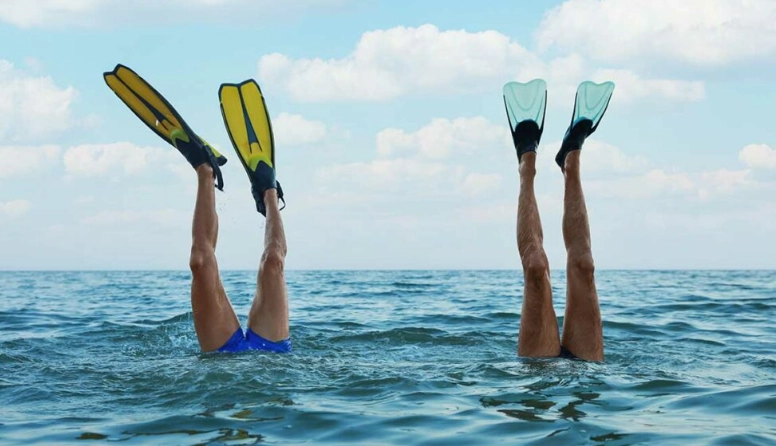 Try before you buy if you can. A fin's "feel" is deeply personal.
How to Choose: Your Personal Snorkeling Fins Comparison Checklist
Stop looking for "the best fin." Start looking for "my best fin." Ask yourself these questions:
- Where and how do I snorkel? Calm tropical coves from sand? Or temperate rocky shores from a boat? (This points to full-foot vs. open-heel).
- What's my fitness and kicking style? Are you a strong swimmer with good technique, or do you prefer a leisurely, minimal-effort float? (This guides blade type and stiffness).
- What's my priority: Packability, Power, or Comfort? You can often only maximize two of the three.
- What's my budget? Good fins range from $50 to $200+. Set a realistic budget. Remember, this is critical gear, not a souvenir.
Once you've narrowed it down to 2-3 models based on this snorkeling fins comparison framework, read user reviews focusing on fit and long-term comfort. Look for consistent comments about blisters or foot cramps—that's a red flag for that particular foot pocket shape.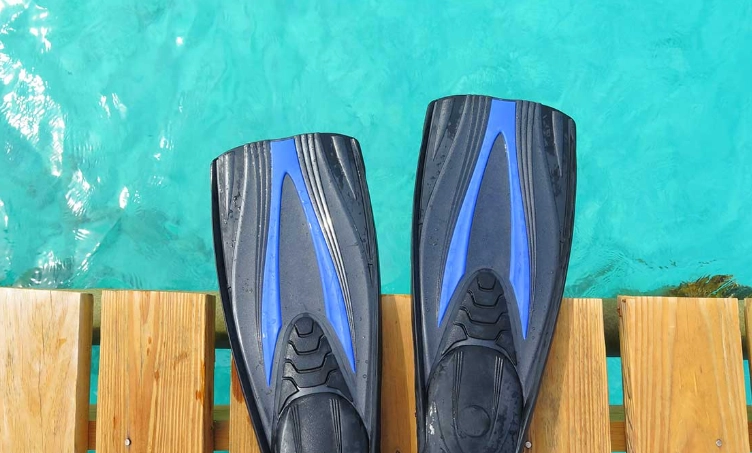
Gear Up Right: The Rest of Your Kit
Great fins are pointless if your mask leaks or you're sucking water through a cheap snorkel. Your fins are part of a system. A high-quality, low-volume mask that seals perfectly is the single most important piece of snorkeling gear. Full stop. A dry-top snorkel is a luxury that makes the experience more pleasant. And if you go the open-heel route, don't skimp on the booties—get a pair with a sturdy sole. For authoritative advice on safe snorkeling practices, which directly influences the gear you might need (like choosing fins suitable for current), the Professional Association of Diving Instructors (PADI) has extensive resources for divers and snorkelers alike.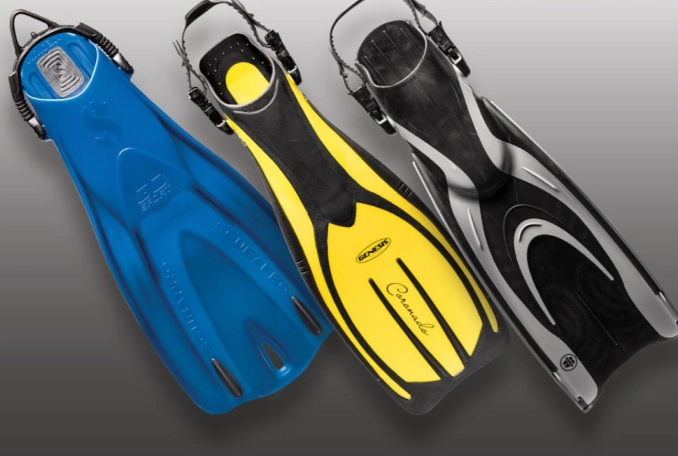
Your Snorkeling Fins Comparison Questions, Answered
Look, at the end of the day, the best fin in this entire snorkeling fins comparison is the one that makes you forget you're wearing it. The one that lets you focus on the turtle gliding below or the shimmering school of fish, not on your aching feet or tired legs. It might take a bit of research and an honest assessment of how you snorkel, but finding that pair is worth it. It transforms the activity. Start with the big choice (full-foot vs. open-heel), then consider the blade, and let the details guide you home. Now go get wet.
Reader Comments