Quick Navigation: What You'll Learn
Let's cut to the chase: if your snorkeling mask leaks, your dive is ruined. I've been snorkeling for over a decade, from the Great Barrier Reef to local lakes, and I've seen too many beginners grab any mask off the shelf, only to spend half their trip clearing water. The secret isn't the price tag—it's the seal. A good seal means comfort, clear vision, and no annoying leaks. In this guide, I'll compare snorkeling mask seals based on materials, design, and fit, so you can pick one that actually works for your face.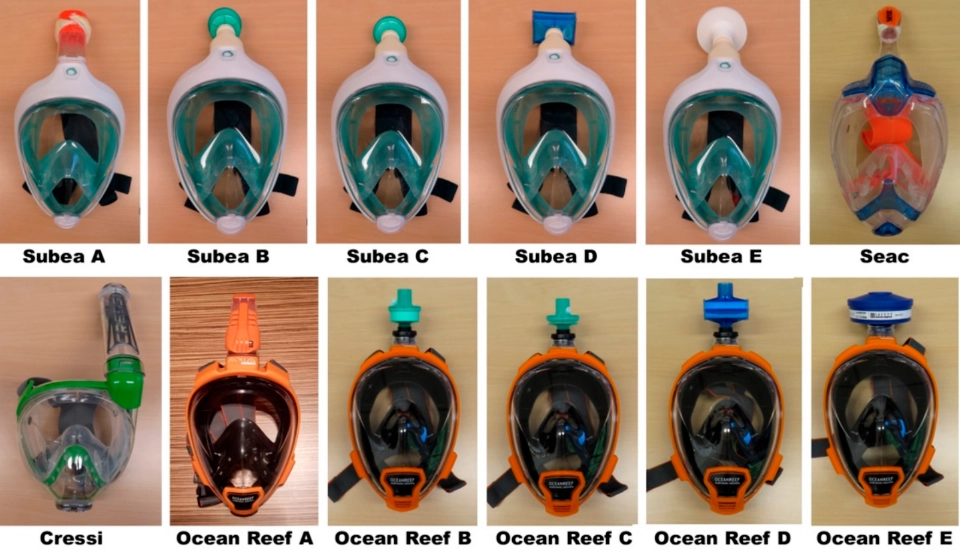
Why Mask Seal is Everything in Snorkeling
Think of the seal as the mask's handshake with your face. It needs to be firm but gentle, keeping water out without squeezing your skin. A poor seal lets water seep in, causing fogging, irritation, and constant adjustments. I remember a trip to Hawaii where my old mask leaked near the nose bridge; I missed a sea turtle because I was too busy bailing water. Not fun.
Seals matter because they affect safety and enjoyment. A leak forces you to surface more often, breaking your rhythm. According to diving experts like PADI, a proper seal reduces fatigue and improves buoyancy control. It's not just about comfort—it's about staying underwater longer to see the good stuff.
Types of Snorkeling Mask Seals: A Detailed Comparison
Most snorkeling masks use silicone for the seal, but not all silicone is created equal. The skirt—the part that touches your face—varies in thickness, softness, and design. Here's a breakdown.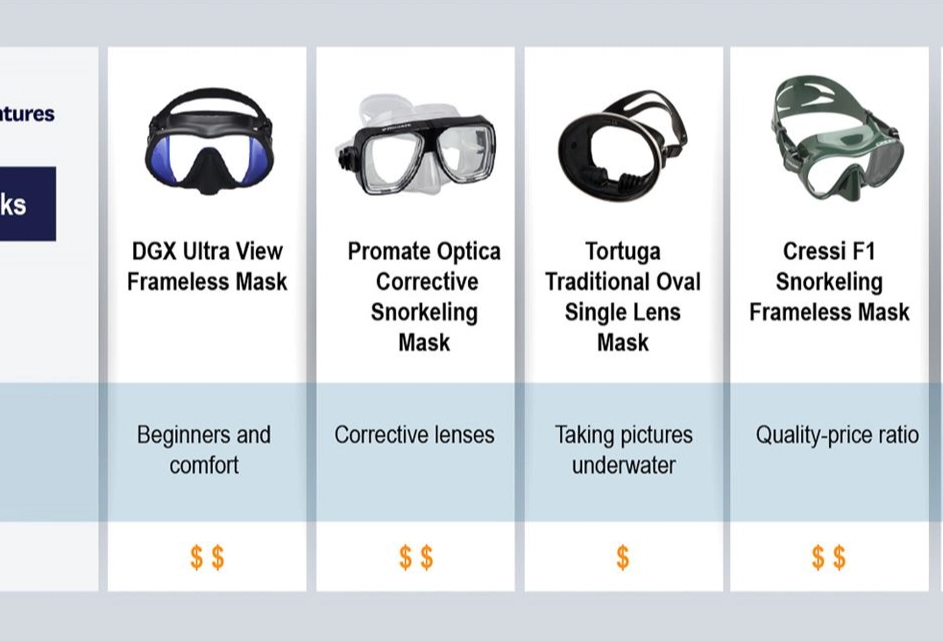
Silicone Seals: The Standard Choice
Silicone is flexible, hypoallergenic, and durable. But there's a catch: softer silicone conforms better to facial contours, while firmer silicone lasts longer. Brands like Cressi use medical-grade silicone that feels like a cushion, but it can degrade faster if exposed to sunscreen. I've had a Mares mask with firm silicone that lasted years, but it left red marks on my cheeks after an hour. Trade-offs, right?
Skirt Design: Low Volume vs. Traditional
Low-volume masks have smaller air spaces and skirts that sit closer to your face. They're easier to clear if water gets in, but the seal needs to be precise—any facial hair or asymmetry can cause leaks. Traditional masks have larger skirts, offering more forgiveness for uneven faces. For example, the Aqua Lung Lookout has a low-volume design great for narrow faces, while the TUSA Freedom Elite uses a wider skirt for broader faces.
Some masks feature double seals, like the Oceanic Shadow. They have an inner and outer lip, supposedly for redundancy. In my experience, they're overhyped. If the primary seal fails, the secondary one rarely helps. They add bulk without much benefit, unless you have deep-set eyes or prominent brows.
How to Test a Snorkeling Mask Seal Before You Buy
Don't rely on online reviews alone—your face is unique. Here's a step-by-step method I use in dive shops.
First, remove the strap. Place the mask against your face, ensuring the skirt sits evenly from forehead to upper lip. Inhale gently through your nose. The mask should stick without you holding it. Hold your breath for 5-10 seconds. If it stays put, the seal is good. Check for gaps around the nose bridge and cheeks by moving your head side to side. A tiny leak might not matter in calm water, but in choppy seas, it'll flood.
I learned this the hard way. Once, I bought a mask that passed the suction test but leaked when I smiled. Snorkeling involves smiling—at fish, at coral—so test with a slight grin. Also, press lightly on the lens; if air hisses out, the seal isn't tight enough.
Pro tip: Bring a friend to watch for gaps you can't see. Or, use a mirror in good lighting. Avoid testing with wet hair or sunscreen; oils break the seal.
Common Mistakes in Choosing Mask Seals
People mess this up all the time. I've seen divers blame the mask when it's their technique. Here are pitfalls to avoid.
- Over-tightening the strap: This is the biggest error. Tight straps distort the skirt, creating gaps. The strap should just keep the mask in place; the seal comes from suction. Adjust it so it's snug but not digging into your hair.
- Ignoring facial hair: Beards and mustaches break seals. If you have facial hair, look for masks with thicker skirts or consider trimming. Some divers use silicone grease, but it's messy and needs reapplication.
- Choosing based on color or brand alone: A fancy mask from Scubapro might leak on you if the skirt doesn't match your face shape. Fit trumps aesthetics every time.
- Not checking the nose pocket: If the mask presses too hard on your nose, it'll hurt and leak. Ensure the nose pocket is roomy enough for your nose bridge. Asian-fit masks, like those from Atomic Aquatics, often have shallower pockets for flatter noses.
I made the over-tightening mistake early on. My mask leaked, so I cranked the strap tighter, which made it worse. A dive instructor showed me to loosen it and rely on the seal—problem solved.
Top Snorkeling Masks for Different Face Shapes
Based on my tests and diver feedback, here are masks that excel in seal quality for specific face types. Prices are approximate, from online retailers like LeisurePro or local shops.
| Mask Model | Best For Face Shape | Seal Type | Key Feature | Price Range |
|---|---|---|---|---|
| Cressi F1 | Narrow or oval faces | Soft silicone skirt, low volume | Easy clearing, minimal pressure | $40-$60 |
| TUSA Freedom Elite | Wide or round faces | Wide silicone skirt, traditional design | Comfortable fit, reduced fogging | $50-$70 |
| Aqua Lung Lookout | Average to narrow faces | Dual-seal silicone, frameless | Wide field of view, lightweight | $60-$80 |
| Mares Star | Uneven or bony faces | Thick silicone skirt, adjustable nose pocket | Durable, good for high cheekbones | $45-$65 |
Remember, this isn't a definitive list. Try them on if possible. For instance, the Cressi F1 worked wonders for my sister's narrow face, but on my broader face, it leaked at the temples. The TUSA Freedom Elite became my go-to—its skirt spreads evenly without pinching.
If you're on a budget, the US Divers Proflex XS is decent for under $40, but the silicone is stiffer and may not last as long. I've seen it crack after two seasons of heavy use.
Your Snorkeling Mask Seal Questions Answered
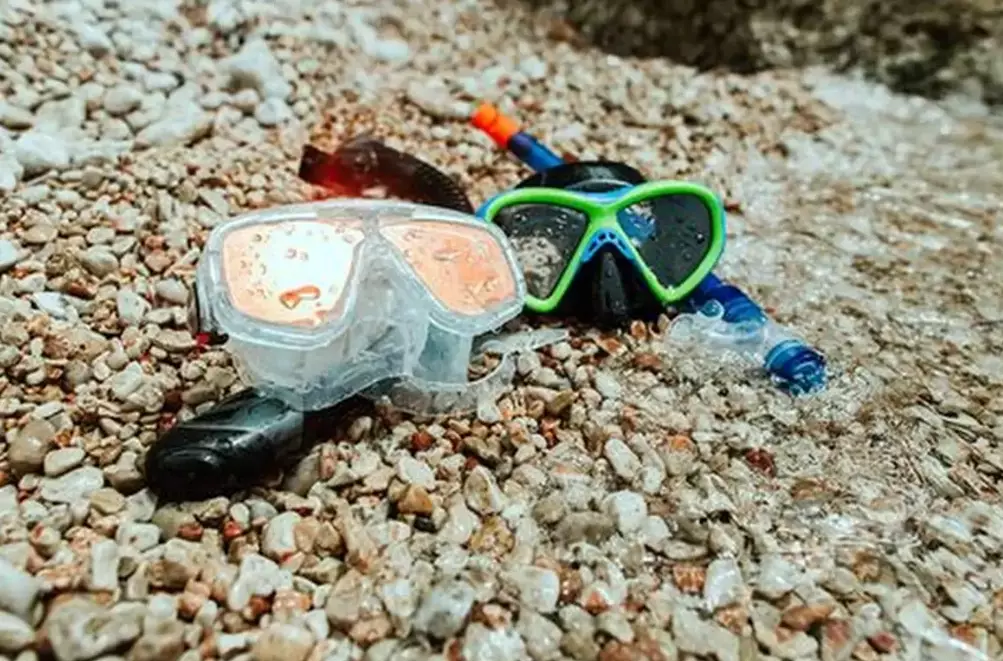 Final thought: a snorkeling mask seal comparison isn't just about specs—it's about how it feels on your face. Take your time, test thoroughly, and don't settle for a leaky fit. Your underwater adventures depend on it.
Reader Comments