Let's be honest. When you buy a snorkel set, you're focused on the mask's seal, the snorkel's comfort, the fins' fit. The bag it comes in? An afterthought. Often it's a flimsy thing you stuff in a closet. But if you've ever wrestled with a soggy, sandy mess at the end of a perfect beach day, or spent 10 minutes unpacking your suitcase to find one lost fin, you know the problem. A dedicated snorkel set with a mesh bag isn't a luxury; it's the secret weapon for organized, hassle-free snorkeling.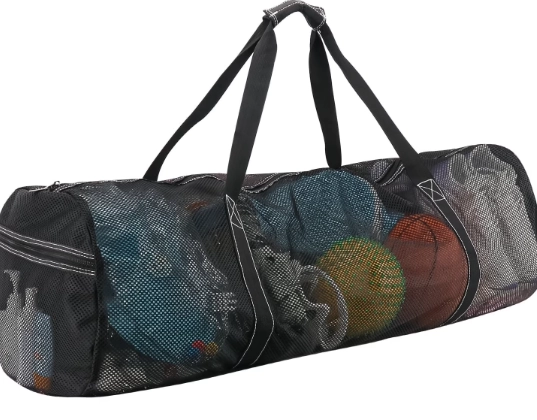
I've guided snorkel trips for years. I've seen gear ruined by poor storage and watched people's enjoyment fade as they deal with post-snorkel chaos. The right bag changes everything. This guide cuts through the marketing. We'll look at why mesh matters, what features actually help, and which sets get it right (and which don't).
What You'll Find in This Guide
The Real Reasons a Mesh Bag Beats Any Other
Why mesh? It's not just about seeing your gear. It's about function.
Drying is everything. Saltwater and chlorine are corrosive. Trapping wet gear in a solid bag is a recipe for mildew, funky smells, and degraded silicone and plastic. Mesh allows maximum airflow, so your gear dries quickly, even while you're carrying it back to your hotel or car. This alone extends the life of your set by years.
Drainage on the go. Sand, pebbles, seaweed – it all gets in. With a mesh bag, you can dunk the whole thing in the shallows or rinse it under a tap. The water and debris just fall out. Try that with a nylon duffel.
Organization and visibility. No more dumping everything out to find your defogger or snorkel keeper. You can see exactly where each piece is. It creates a dedicated "home" for your snorkel kit, so you're not scrambling before a trip.
I learned the importance of drainage the hard way. On a trip to Hawaii, I used a regular backpack for my gear. After a morning session, I threw it in the rental car trunk. Hours later, I opened it to a pool of warm, salty water and a smell I'll never forget. The mesh bag I switched to after that cost $15 and saved me hundreds in potential gear replacement.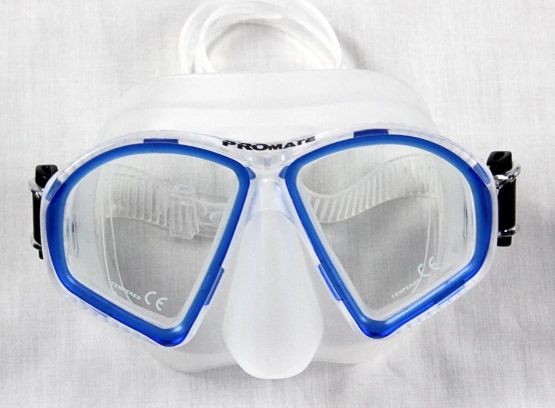
How to Choose a Snorkel Set Mesh Bag: The 5-Point Checklist
Not all mesh bags are created equal. When evaluating a snorkel set with mesh bag, look beyond the gear and scrutinize the bag itself.
1. Material & Build: It's Not Just "Mesh"
The mesh should be a tight, robust weave, not a loose, flimsy netting that snags easily. Look for reinforced stitching at the stress points—the handles and the zipper ends. The handles themselves should be padded or made of a comfortable webbing. A cheap handle will cut into your palms when carrying a full set of fins.
2. Size & Compartment Layout
This is where most bundled bags fail. They're often too small, forcing you to cram gear in, which can distort mask skirts or fin straps.
- For a standard set (mask, snorkel, fins): The bag should be at least 18 inches long.
- For sets with full-foot pockets or larger fins: Look for 20-24 inches.
- Avoid overly complicated compartments. One large main mesh area is perfect. Small zippered pockets are useful for defog, sunscreen, or keys, but internal dividers for each item usually waste space.
3. Closure System: Zipper vs. Drawstring
Zippers are more secure, especially when traveling. A good zipper will have a large, easy-to-grab pull, ideally with a hole to attach a small lock for airport security. Drawstrings are simpler and faster but offer less security; gear can fall out if the bag tips over. Some premium bags offer a combination: a drawstring main closure with a zippered top flap.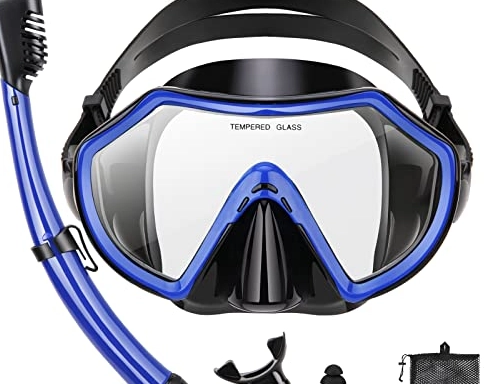
4. Extra Features That Actually Matter
External attachment points: Bungee cords or straps on the outside are golden. They let you secure a wet wetsuit, a water bottle, or a pair of sandals without getting the inside soggy.
A dry pouch: Some bags have a separate, waterproof section (often made of TPU or coated nylon) for your phone, wallet, and keys. This is a fantastic, practical addition.
Carry options: Besides handles, a detachable shoulder strap offers versatility. Can you carry it as a backpack? That's a major plus for longer walks.
5. The Brand's Reputation for Quality
A bag from a known diving or snorkeling brand (like Cressi, Mares, or Aqua Lung) is generally a safer bet than a no-name bag from a generic set. These companies understand the demands of marine environments.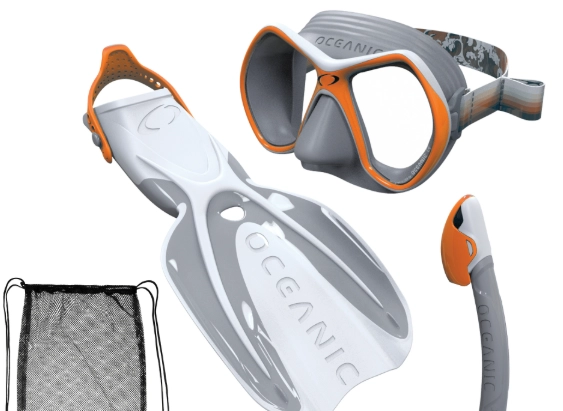
Top Snorkel Set Brands with Mesh Bags: A Hands-On Review
Based on durability, design, and real-world testing, here’s how some popular options stack up.
>| Brand/Set Name | Mesh Bag Highlights | Best For | Watch Out For |
|---|---|---|---|
| Cressi Palau SAF Set | Large, durable mesh with padded handles. Simple, effective drawstring + flap. External bungee net. | Travelers who need a reliable, spacious all-rounder. The gear quality is consistently high. | The bag is great, but the set doesn't include a dry pouch. You'll need a separate dry bag for electronics. |
| U.S. Divers Legend Set | Often includes a bag with a separate dry compartment. Good size for the included gear. | Beach-goers who want everything (gear, phone, keys) in one carry. | The mesh can be thinner than premium brands. The zipper on the dry section is a potential failure point if sand gets in. |
| Mares Ergo Dry Set | Bag is functional but often the most basic part of this premium set. Good mesh, simple design. | Snorkelers prioritizing top-tier mask/snorkel tech over bag features. | You're paying for the dry-top snorkel technology. The bag is adequate but not standout. |
| Atomic Aquatics Venom Set | Sometimes bundled with a fantastic, heavy-duty mesh bag with backpack straps and excellent organization. | The serious snorkeler or beginner diver who views the bag as critical gear. | Premium price point. The set and bag are an investment. |
| Generic Amazon/Store Brand Sets | Price. The bag is included, which is better than nothing. | Someone trying snorkeling for the first time on a tight budget. | Expect the bag to be the first thing to fail—thin mesh, weak stitching, uncomfortable handles. |
My personal workhorse for years was a bag from a Cressi set. It survived being dragged across boat decks, rinsed in a hundred outdoor showers, and crammed under airplane seats. The stitching finally gave out after five years of hard use. The U.S. Divers bag with the dry pocket is what I recommend to friends who just want one simple thing to grab for a beach day.
Care, Maintenance & The #1 Mistake Everyone Makes
Your mesh bag needs care too. The biggest error I see? People zip up their wet snorkel set with mesh bag and forget about it for weeks.
Here’s the right way:
- Rinse everything together. After snorkeling, submerge your entire bag with the gear inside in a tub or bucket of fresh water. Swish it around. This rinses sand and salt from the bag and the gear simultaneously.
- Empty and hang. Take the gear out, shake off water, and lay the pieces on a towel. Turn the mesh bag inside out and hang it over a chair or shower rod. Don't leave it bunched up.
- Store dry and open. Once completely dry, store your gear loosely in the bag, but leave the zipper or drawstring open to prevent any residual moisture from causing mildew.
- Deep clean occasionally. Every few months, wash the bag with a mild soap solution to remove salt crystals and sunscreen oils that can degrade the material.
If your bag starts to smell musty, a soak in a water-and-vinegar solution (1 part vinegar to 4 parts water) for 30 minutes will usually kill the bacteria. Rinse thoroughly.
The Ultimate Travel Packing Strategy with Your Mesh Bag
This is where the mesh bag for snorkeling gear shines. It’s your packing cube for adventure.
For Checked Luggage:
Pack your mesh bag inside your suitcase or duffel. Use it to compartmentalize all your snorkel gear. Surround it with your clothes for padding. The mesh bag keeps any last-minute dampness or sand contained away from your clean clothes. It also makes unpacking at your destination instant—just pull out one bag and you're ready.
For Carry-On:
If your fins are compact, you can often use the mesh bag as your personal item. It's breathable and easy for TSA to inspect if needed. The dry pouch feature is invaluable here for your travel documents and electronics.
The Pro Move: I pack a giant, lightweight mesh laundry bag as a spare in my suitcase. At the end of the trip, I put all my wet swimwear, towels, and the now-dirty mesh gear bag into the laundry bag before putting it in my suitcase. This contains the post-vacation mess perfectly.
Think of your mesh bag not as packaging, but as the final, essential piece of your snorkel kit. It’s the difference between a chore and a pleasure.
Quick Answers to Common Mesh Bag Questions
Can I put my wet snorkel set directly into the mesh bag after snorkeling?
You should avoid this. While the mesh allows air circulation, stuffing soaking-wet gear directly into the bag traps moisture against the fabric and straps, creating a perfect environment for mildew. The saltwater or chlorine can also degrade materials faster. The best practice is to give your gear a quick freshwater rinse, shake off excess water, and let it air-dry partially before packing it loosely in the mesh bag.
What size mesh bag is best for a full-face snorkel mask and fins?
Full-face masks are bulkier. Look for a large or extra-large mesh bag, typically around 18-22 inches in length. Crucially, check that the main compartment is a simple, open rectangle or cylinder without internal dividers that would restrict space. A bag with an external bungee or strap system is ideal for securing longer fins to the outside if needed, keeping the main bag for the mask, snorkel, and accessories.
Is a mesh bag enough protection for my snorkel gear in checked luggage?
No, it's not sufficient for air travel. A mesh bag offers zero padding. For checked bags, place your mesh bag (with gear inside) into a larger, sturdy duffel or suitcase, surrounding it with clothes for cushioning. The mesh bag's role here is to keep your wet/dry items separate from your clothing and other luggage contents, not to provide impact protection. For carry-on, the mesh bag alone is usually fine.
How do I clean and deodorize a smelly mesh gear bag?
Mix a solution of warm water and a mild detergent or a dedicated gear cleaner. Submerge the empty bag, scrub it gently inside and out, especially the corners. For persistent smells, add a cup of white vinegar to the soak. Rinse thoroughly. Never use bleach, as it weakens synthetic fibers. The key to preventing smells is always ensuring the bag and the gear inside are completely dry before long-term storage. Hang it in a well-ventilated area, not crumpled in a closet.
Reader Comments