Let's clear something up right away. If you're picturing one uniform coastline for snorkeling in Costa Rica, you're in for a surprise. This country gives you two completely different experiences: the rugged Pacific and the laid-back Caribbean. One side might have crystal-clear water perfect for spotting giant rays, while the other feels like swimming in a warm, green-hued aquarium teeming with colorful fish. Choosing the right coast—or deciding to tackle both—is your first big decision.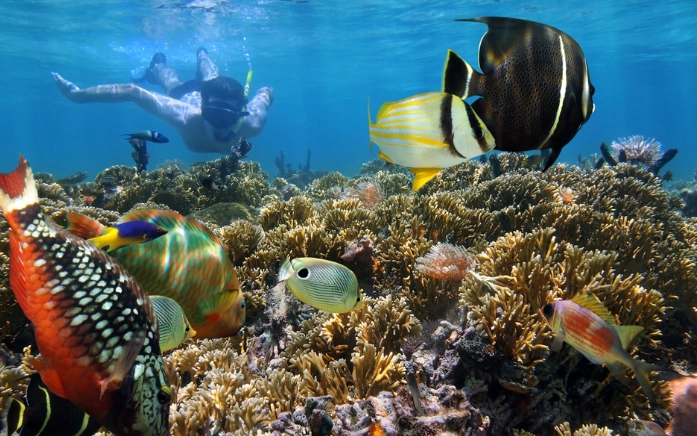
Your Snorkeling Journey Starts Here
How to Choose Between Costa Rica's Pacific and Caribbean Coasts?
This isn't just about east vs. west. It's about water temperature, marine life, accessibility, and even the vibe of the towns you'll stay in. Getting this choice wrong can leave you disappointed. I've seen people expecting Caribbean-style calm on the Pacific and being overwhelmed by the swell.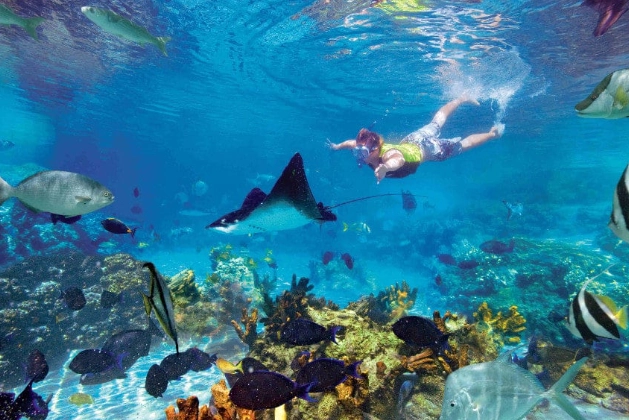
The Non-Consensus View on Water Clarity
Most blogs parrot that the Caribbean has "better visibility." That's an oversimplification. The Pacific, especially around islands like Caño, often has exceptional visibility (15-25 meters/50-80 feet) from December to April. The Caribbean can be stunningly clear, but it's also more susceptible to runoff from rain, which can turn the water a bit murky (in a fertile, green way) even on sunny days. Don't rule out the Pacific if crystal clarity is your top goal during dry season.
| Factor | Pacific Coast (e.g., Guanacaste, Manuel Antonio) | Caribbean Coast (e.g., Puerto Viejo, Cahuita) |
|---|---|---|
| Water & Visibility | Cooler, deeper blues. Visibility is best in dry season (Dec-Apr), often 15-25m. More susceptible to plankton blooms. | Warmer, greenish hues. Generally good visibility but can be affected by river runoff. Feels more like a bathtub. |
| Marine Life Vibe | Bigger pelagic encounters possible. Think spotted eagle rays, white-tip reef sharks, turtles, large schools of fish. More dramatic seascapes with rock formations. | Intensely colorful reef fish (parrotfish, angelfish), sea turtles, nurse sharks, lobsters. Denser coral formations (especially in Cahuita). |
| Conditions & Skill Level | Often has more swell and surface chop. Better for confident swimmers. Boat trips to offshore islands are common. | Typically calmer, protected by reefs. Excellent for beginners, families, and those who prefer relaxed swimming. |
| Access & Tours | Highly developed for tourism. Many operators, easy to book. Tours often include transportation from major hotel areas. | More independent vibe. Fewer, often smaller operators. Booking ahead is wise in peak season. More DIY access from shore. |
| Best Time to Visit | Dry Season (Dec-April): Calmest seas, best visibility. Green Season (May-Nov): Can be rougher, less predictable. | Dry Spells (Feb-Apr, Sept-Oct): Least rain, best conditions. Can rain any time, but showers often pass quickly. |
My take? If you're a confident swimmer dreaming of dramatic encounters and don't mind a boat ride, the Pacific calls. If you want to wade in from a sandy beach with kids and float over gardens of fish, the Caribbean is your spot.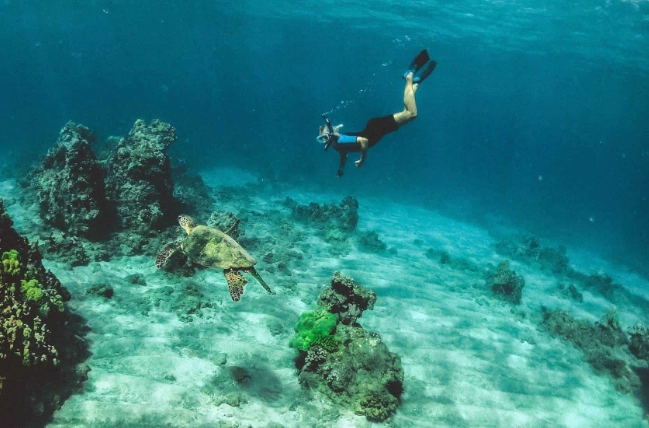
Top Snorkel Spots on the Pacific Coast
The Pacific side is where you go for adventure. You'll mostly need a boat to reach the good stuff, but that's part of the fun.
1. Caño Island Biological Reserve
This is the crown jewel for a reason. It's a protected island about 20km offshore from the Osa Peninsula. You can't just show up; you need a licensed tour. The reefs here are healthy, and the fish know they're safe.
Need to Know:
Access: Boat tours from Drake Bay or Sierpe. The Drake Bay route is shorter (about 45 mins). Tours from Uvita/Manuel Antonio are a much longer ride (2+ hours).
Cost: Tours range from $90-$130 per person, including park fee ($15 for foreigners), gear, lunch, and drinks.
What you'll see: White-tip reef sharks napping on the sand are almost guaranteed. Huge schools of snapper, big parrotfish, moray eels, and with luck, dolphins or rays on the boat ride.
My tip: Book a tour that does two snorkel sites around the island. The current can vary, so a good captain will pick the leeward side. The underwater rock pinnacles are spectacular.
2. The Catalina Islands
Located off the coast of Flamingo/Tamarindo in Guanacaste, the Catalinas are famous for one thing: giant Pacific manta rays and eagle rays. It's a rocky archipelago, not a coral reef.
Visibility here can be incredible. I've had days where I felt like I was floating in air. The key thing everyone misses? Look down into the blue. While you're fixated on the rocks, mantas often glide silently in the deeper water just beyond the reef. Season matters—ray sightings are more common from November to May.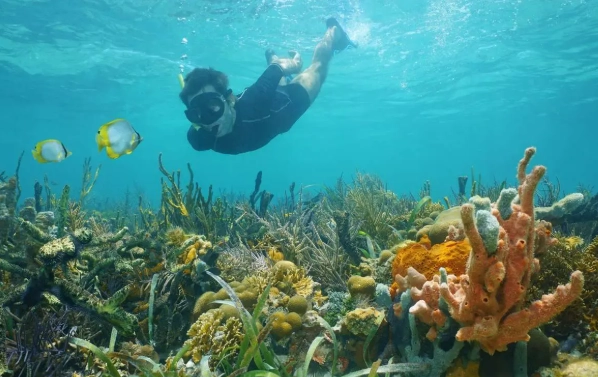
3. Manuel Antonio National Park
Yes, it's crowded with capuchin monkeys on land. But the snorkeling right off the park's beaches, like Playita Escondida, can be surprisingly good for a mainland spot. You can snorkel from shore here.
Park Info: Entrance is $18.08 for adults (yes, the weird change is real). You must reserve online in advance through the SINAC website (the National System of Conservation Areas). They limit daily entries. Go as early as 7 AM when it opens to beat crowds and when the water is calmest.
Top Snorkel Spots on the Caribbean Coast
Here, the rhythm is slower. You'll base yourself in Puerto Viejo de Talamanca or Cahuita, rent a bike, and explore.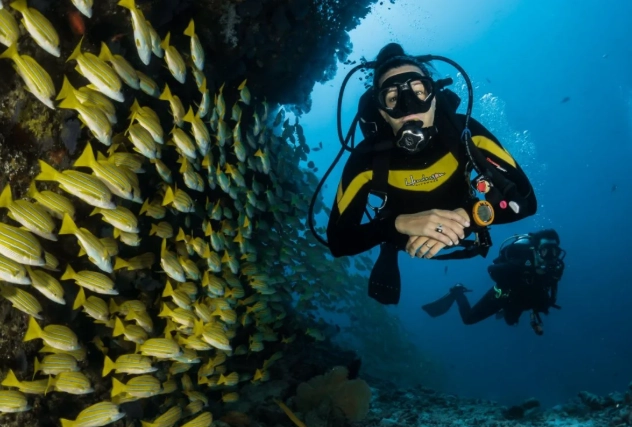
1. Cahuita National Park
This is the star. Costa Rica's largest living coral reef (about 600 acres) runs along the shore. The park is free to enter (donations appreciated), which is amazing. You can walk in from the main entrance in Cahuita town or from the Puerto Vargas sector.
The classic move is to hire a local boat captain at the park entrance in Cahuita town. For about $20-25 per person, they'll motor you out to the best section of the reef (like the Two Moons area), drop you in, and follow along, picking you up when you're done. This saves you a long swim and gets you to the healthiest coral. Tip them well—they're fantastic spotters.
2. Gandoca-Manzanillo Wildlife Refuge
South of Puerto Viejo, this refuge feels wilder. There's no formal park fee. You snorkel from the beach at Punta Uva or Manzanillo itself. Swim out towards the rocky points. The reef is closer to shore here.
I once spent an hour here following a friendly hawksbill turtle that seemed utterly unbothered by my presence. The water is so calm and warm it's almost lazy snorkeling. After, grab a coconut from a roadside vendor and sit in the shade. Perfection.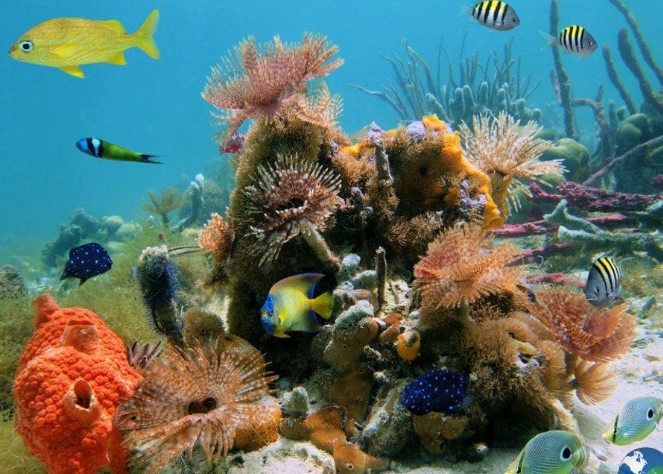
3. Manzanillo Bay (by Boat)
Local operators in Puerto Viejo or Manzanillo offer boat trips that go to deeper, less-visited reef patches in the bay. This is where you have a better chance of seeing nurse sharks, bigger eagle rays, and larger coral heads. It's a good upgrade if you've already done the Cahuita reef from shore.
Planning Your Trip: Itineraries & Logistics
You can't easily day-trip between coasts—the mountains in the middle see to that. You need to pick a base or split your trip.
Sample 5-Day Pacific-Focused Itinerary
- Day 1-3: Fly into Liberia (LIR). Stay in Playas del Coco or Tamarindo. Take a day trip to the Catalina Islands.
- Day 3-5: Travel south to Uvita or Drake Bay (this is a 4-5 hour drive/shuttle, or a quick domestic flight). Take a full-day tour to Caño Island.
- Where to stay: For convenience, Tamarindo has tons of tours and hotels. For a more immersive nature feel before Caño, stay in Drake Bay at a lodge like Aguila de Osa.
Sample 5-Day Caribbean-Focused Itinerary
- Day 1-5: Fly into San Jose (SJO). Take a shared shuttle (5 hours) or domestic flight to Limón, then taxi to Puerto Viejo.
- Use Puerto Viejo as your base. Rent bicycles. One day snorkel Cahuita with a boat guide. Another day bike to Punta Uva/Manzanillo and snorkel from shore.
- Where to stay: Puerto Viejo for nightlife and food. Playa Chiquita or Punta Uva for quieter jungle lodges right near the beach.
Budget-wise, the Caribbean is generally cheaper for lodging and food. Pacific tours, especially to islands, cost more.
Expert Tips & Common Mistakes to Avoid
After years of guiding and just messing around in these waters, here's what most first-timers get wrong.
- The Sunscreen Blunder: Using non-reef-safe sunscreen is a big no. Many tour operators will check and refuse you if you have the wrong kind. Costa Rica enforces a ban on sunscreens containing oxybenzone and octinoxate. Buy mineral-based (zinc oxide/titanium dioxide) before you come. Brands like Stream2Sea or Badger are reliable.
- Overlooking the Current: Especially on the Pacific, currents can be strong and invisible from the surface. Always listen to your guide's briefing on entry/exit points. Never snorkel alone. If you're going without a guide, ask a local lifeguard or hotel about conditions that day.
- Fins Are Not Optional: I see people trying to snorkel in just swim shoes. You need the propulsion from proper snorkeling fins to fight current and save energy. Any good tour provides them. If you're DIY, rent them.
- Touching is Tempting, But Don't: It seems obvious, but the urge to steady yourself on coral is real. It kills the coral polyps. Also, some corals sting, and some "rocks" might be spiny sea urchins. Practice buoyancy—float, don't stand.
Reader Comments