Quick Navigation
Let's be honest. There's nothing worse than gearing up for a perfect day on the water, only to find your mask is flooding, your snorkel tastes like plastic, and your fins are rubbing blisters on your heels. It turns paradise into a frustrating chore. I've been there, bobbing around trying to clear a mask for the tenth time while everyone else is watching turtles. Not fun.
That's why knowing how to test snorkeling gear isn't just a tip—it's the difference between a forgettable trip and an unforgettable one. It's about safety, comfort, and getting your money's worth. This isn't a quick listicle. We're going deep. We'll walk through a real testing process, from the moment you pick up a mask in the shop to your first real ocean dive. I'll share the mistakes I've made so you don't have to.
Think of testing in layers. You start simple, then add complexity, just like you would when learning to snorkel itself.
The Core Idea: Testing isn't one step. It's a phased approach. Dry land first. Then controlled, shallow water. Finally, open water. Skipping ahead is where people get into trouble.
Phase One: The Dry Land Test (Before You Spend a Dime)
This is your first and most crucial line of defense. All the best open-water performance in the world won't matter if the gear fails the basic fit test. This phase answers one question: Does this gear have a fighting chance of working for my face and my feet?
Testing the Mask Fit – The Suction Test is Everything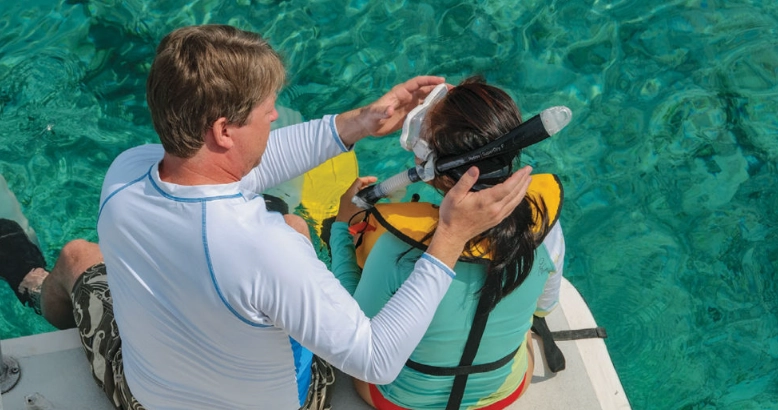
Forget color, forget fancy lenses for a second. Fit is king. A leaking mask is a miserable experience. Here's a real-world method, the way a dive shop pro would show you.
First, hold the mask gently to your face. Don't strap it on yet. Just position the skirt (that soft silicone part) evenly around your face. Make sure no hair is tucked under it—that's a classic leak source. Now, inhale gently through your nose. Suck the mask onto your face. If it stays put without you holding it and without the strap, that's a fantastic sign. It means the skirt is creating a good initial seal.
Keep inhaling to hold it there. Now, look down at your feet. Turn your head side to side. Does it stay sealed? Good. Next, break the seal with your finger. You should hear a distinct *pop* or *hiss* as air rushes in. That's what you want—a secure, airtight seal.
Pro Tip: Don't over-tighten the strap to try and fix a bad seal. If you need to crank the strap painfully tight to get it to hold during this simple test, the mask shape is wrong for your face. Move on. A proper fit should be secure with a moderately snug strap. Over-tightening is the #1 cause of mask headache and rapid fatigue.
What about facial hair? I have a bit of stubble, and it's a constant battle. Silicone skirts are better than rubber, but a mustache will almost always mean a tiny bit of leakage. You learn to live with minor, manageable leaks or get really good at the mask clear maneuver. It's a trade-off.
Checking the Snorkel – Mouthpiece and Comfort
This one's more subjective, but no less important. Pop the mouthpiece in your mouth—yes, right there in the store, give it a wipe with a sanitizing wipe first if you're cautious. Does it feel comfortable? Or does it jab into the roof of your mouth or your gums? The mouthpiece should feel soft and pliable, not like hard plastic.
Bite gently on the bite tabs. They should rest comfortably between your teeth without forcing your jaw open too wide. A snorkel that makes your jaw ache in 5 minutes on dry land will be torture after 30 minutes in the water. Give it a few pretend breaths. Is the tube bore wide open, or does it feel restrictive? Dry testing a snorkel is mostly about ergonomics and comfort.
Sizing Up the Fins – The Bootie Question
This is where people mess up. Are you using full-foot fins (like slip-ons) or open-heel fins (that require booties)? The testing is totally different.
For full-foot fins, you must try them on with the socks you intend to wear snorkeling (usually thin neoprene or lycra socks). Your bare foot will swell a little in warm water, and the sock protects against blisters. Put the fin on. It should be snug but not painfully tight. Your toes should be able to wiggle slightly, but your heel shouldn't slip up and down more than a few millimeters when you walk. Too tight cuts off circulation. Too loose causes blisters and cramps.
For open-heel fins, you need the bootie first. The bootie itself needs a good fit. Then, you test the fin with the bootie on. Adjust the fin's heel strap. A good fit feels like an extension of your foot—secure, with no pinching on the top of your foot or around the ankle. The power of the fin comes from the blade, not from how tight it squeezes your foot.
I made the mistake once of buying fins that were just a half-size too big, thinking it would be fine. The chafing after an hour was unbelievable. Lesson painfully learned.
Here's a personal gripe: Some budget gear sets have truly awful fins. They're either so flexible they provide zero thrust, or so stiff they give you calf cramps instantly. If a fin feels like cheap, floppy plastic on dry land, it will perform even worse in the water. Don't compromise on fins if you have any current to fight.
Phase Two: The Controlled Water Test (Your Backyard or Pool)
You've passed the dry test. Congrats. Now we add the first real variable: water. This phase is about function, not just fit. Can you actually breathe through this thing? Does it still seal when your face is submerged?
This is the most critical step in learning how to test snorkeling gear for real-world use, and it's the one most people skip because they're excited. Don't skip it.
The Bathtub or Bucket Mask Test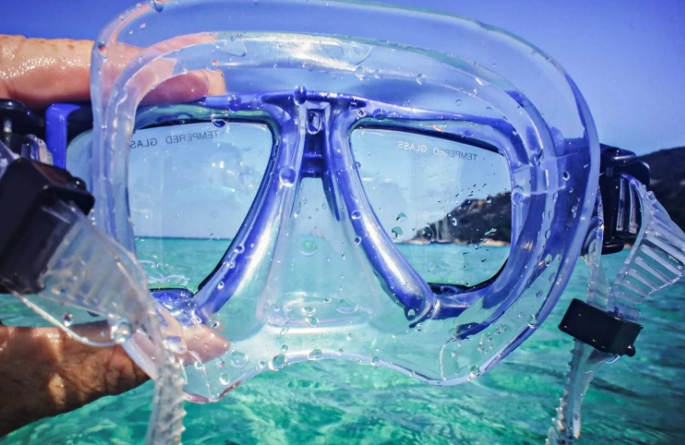
Fill a sink, a bucket, or your bathtub with clean water. Put your mask on, properly adjusted. Gently lower your face into the water. Don't dive in; just submerge your face while breathing through the snorkel (or just holding your breath for a few seconds at first).
Feel around the skirt of the mask. Do you feel any persistent trickles of water? A few tiny bubbles when you first go under are normal as the skirt settles, but a steady stream means a bad seal. Check the usual suspects: the bridge of your nose (a common spot if the mask is too narrow or too wide), and under your eyes. Roll your head slightly side to side. Does the leak start or stop? This test often reveals fit issues the dry suction test missed, because water pressure and the angle of your head change the game.
Warning: If your mask consistently floods in still, shallow water, it will be a disaster in the ocean. Address the issue now. It could be fit, it could be a manufacturing defect in the skirt, or it could be hair in the seal.
Snorkel Breathing and Purge Valve Check
With your face in the water, take slow, deep breaths through the snorkel. Does it feel easy, or is there a noticeable resistance? Now, the key test: simulate it getting flooded.
Lift your head clear of the water, so the snorkel tube is full of air. Take a breath to make sure it's clear. Now, submerge the entire snorkel (and your head) under water so the tube fills completely. Come back up. If your snorkel has a simple design, you'll need to perform a sharp exhale (a blast clear) to eject the water. Did most of the water shoot out? Good.
If your snorkel has a splash guard or a float valve at the top (often called a "dry" or "semi-dry" snorkel), submerge it and see if it seals. When you bring it back up, does water drain out the bottom purge valve (if it has one)? Purge valves can get stuck or be weak. Test it. A good purge valve should clear 90% of the water with a gentle exhale. I've had cheap purge valves that were worse than useless—they just let water sit in the chamber.
Breathe again. Is there any gurgling or residual water? You shouldn't be drinking the pool.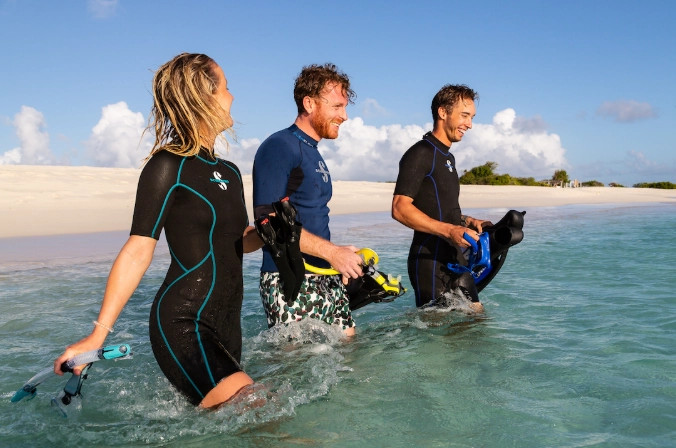
Fin Mobility and Comfort in Water
If you have pool access, this is golden. Put all your gear on. Get in the shallow end. Just float on the surface and kick gently. How do the fins feel? Do they stay on securely? Do your feet cramp? Does the foot pocket rub in a specific spot? A few minutes of gentle kicking can reveal pressure points you'd never feel standing in a shop.
Now try a slightly stronger flutter kick. Do the fins feel responsive? Do they propel you, or do they just flap? You're not testing for speed, but for connection and comfort. Water changes everything. That "slightly tight" fin might now feel perfect. That "comfortable" one might feel sloppy.
This controlled environment is your safe space to practice clearing your mask, clearing your snorkel, and getting a feel for the gear without waves, salt, or currents. It's invaluable.
Phase Three: The Open Water Shakedown (The Final Exam)
This is the final, non-negotiable phase. It's where you learn how to test snorkeling gear under the actual conditions you'll use it. Salt water, waves, sunshine, and movement change the equation. Plan your first open-water snorkel as a dedicated gear test, not a sightseeing tour. Go to a calm, protected bay or beach entry site.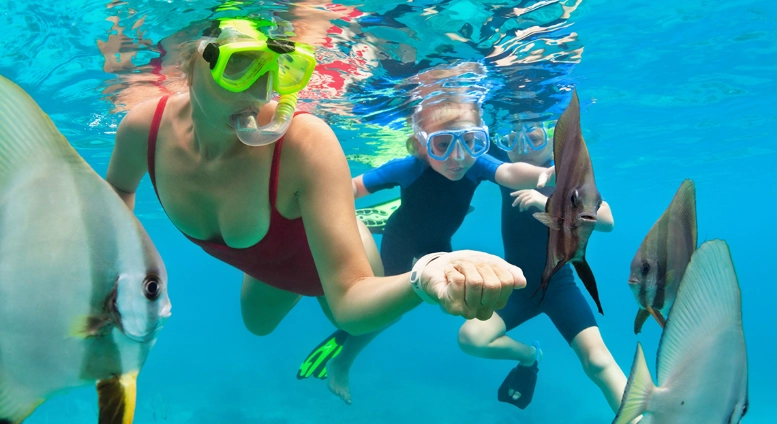
The First Five Minutes Checklist
- Float and Breathe: Just float face down for a minute. Get comfortable. Breathe slowly and deeply through the snorkel. Is breathing easier or harder than in the pool? Salt water buoyancy can change your head position slightly.
- Mask Seal Re-check: After moving around, does the mask still seal perfectly? Sometimes, as your face muscles relax or you smile at a fish, the seal can break. Note if it leaks.
- Snorkel in Waves: Do small waves splash into the top of your snorkel? If you have a dry snorkel, does the valve close reliably? If you have a simple J-snorkel, how often do you need to clear it? This is the reality check.
- Fin Performance: Start swimming. Do the fins give you good propulsion with minimal effort? Or do your leg muscles burn quickly? Do they stay on during a moderate kick?
Here’s a table to help you diagnose common open-water problems during this shakedown:
| Problem | Likely Cause | Quick Fix to Try |
|---|---|---|
| Mask leaks from the top (forehead) | Strap is too high, pulling skirt away. | Lower the strap on the back of your head. |
| Mask leaks from the bottom (cheeks) | Strap is too low or too tight. | Loosen strap slightly, reposition higher. |
| Constant snorkel gurgle / water entry | Head position too low, or splash guard not working. | Lift head slightly, or exhale before inhaling to clear residual water. |
| Fins rubbing heel/ankle | Missing socks, improper fit, or hard spots in material. | Add a neoprene sock, adjust strap, or consider different fins. |
| Fins feel "heavy" or hard to kick | Blade too stiff for your leg strength. | Use a more flexible fin, focus on slower, longer kicks. |
| Cramps in feet or calves | Fins too stiff, too small, or kicking technique. | Point toes less, stretch before entering, ensure fins aren't cutting circulation. |
Spend this first session close to your exit point. If something is seriously wrong, you can just stand up and walk out. There's no pressure. The goal is data collection, not distance.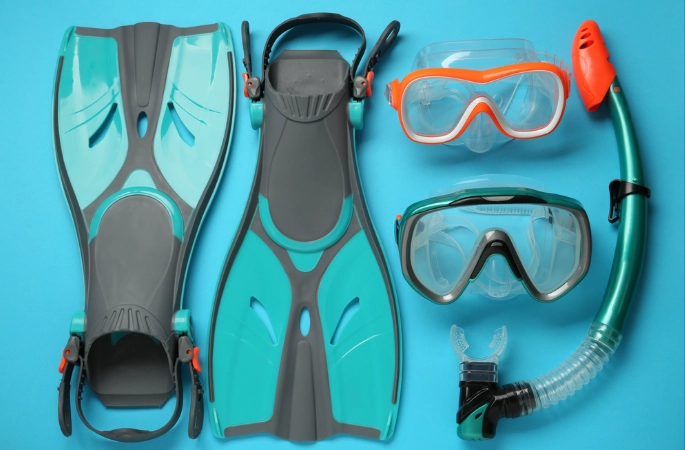
Gear-Specific Deep Dive Tests
Let's get granular. Each piece of gear has its own quirks.
Testing Mask Lens Quality and Anti-Fog
A foggy mask is useless. All new masks have a factory coating on the inside of the lens to protect it during shipping. This coating must be removed or it will fog instantly and permanently. The test? After you've properly prepped the mask (scrubbed the inside lens with toothpaste or a special mask scrub, rinsed thoroughly), breathe on it. If it fogs up evenly and then clears quickly, the coating is gone. If it forms stubborn, patchy droplets, you need to scrub more.
Lens clarity is another thing. Look through the mask at something with fine detail, both up close and at a distance. Is the view perfectly sharp and distortion-free, especially at the edges? Some cheaper masks have minor optical distortion, which can cause dizziness or nausea for some people.
Testing Snorkel Attachment and Hose Flexibility
How does the snorkel attach to your mask? Is it a simple silicone keeper that's easy to adjust? Or a rigid plastic clip that always seems to be in the wrong place? In the water, move your head side to side. Does the snorkel hose swing freely and comfortably, or does it whack you in the head? The hose should be flexible enough to move with you, not against you.
Also, pay attention to where the mouthpiece sits when you're relaxed. Is it naturally in your mouth, or do you have to strain your neck forward to reach it? An improperly positioned snorkel can cause serious neck strain.
The Fin Flex Test
On dry land, hold the fin by the foot pocket and try to flex the blade. A good fin has a progressive flex—softer at the base near your toes, stiffer towards the end. This creates an efficient whip-like motion. A fin that's stiff along its entire length is for powerful divers, not casual snorkelers. A fin that's floppy everywhere will give you no power. Flex it. Feel where it bends. It tells you a lot about its intended use.
For more detailed information on fin design and hydrodynamics, resources from the Divers Alert Network (DAN) often discuss equipment physiology, though their focus is more on scuba. The principles of efficient propulsion and reducing fatigue are directly relevant.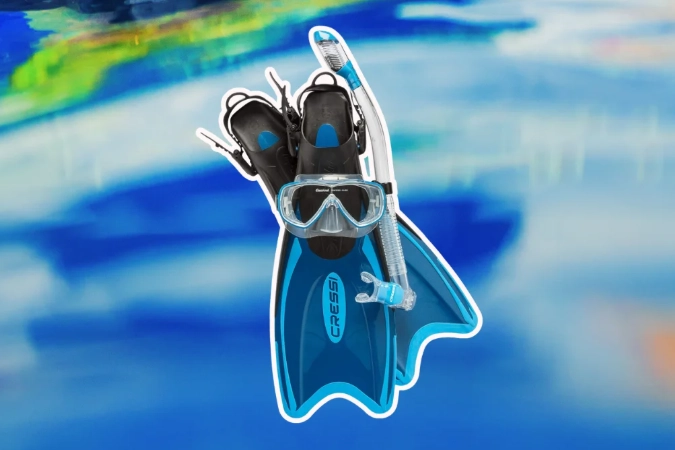
Common Questions (And Real Answers) About Testing Gear
For understanding broader safety practices and preparation that complement gear testing, the Professional Association of Diving Instructors (PADI) site has snorkeling-specific safety guidelines that emphasize the importance of proper equipment checks.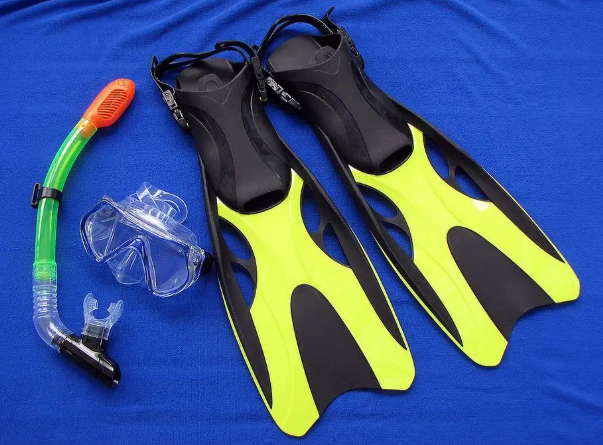
Final thought from someone who's learned the hard way: Testing gear feels like a chore. It's not as fun as just jumping in. But I promise you, the confidence of knowing your gear won't fail you lets you relax completely. You stop thinking about your equipment and start seeing the fish, the coral, the whole reason you're out there. That peace of mind is what you're really testing for. It turns snorkeling from a activity into a genuine escape.
So, take the time. Do the phases. Start on dry land, move to the pool, and graduate to the calm sea. Listen to what the gear is telling you. Your future self, floating effortlessly over a reef, will thank you.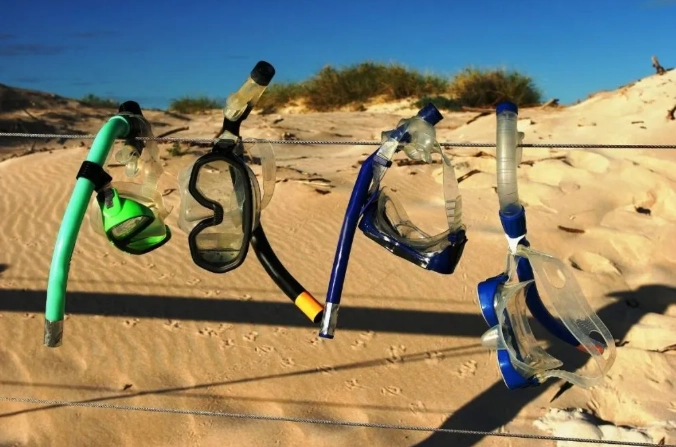
And remember, the ocean doesn't care if your mask fits. That's your job.
Reader Comments