Quick Snorkeling Guide
- Why Asking "Is Maldives Good for Snorkeling?" is Almost a Silly Question
- Picking Your Spot: It's All About the Atoll
- Resort vs Liveaboard vs Local Island: Your Snorkeling Basecamp
- Gear, Safety, and Not Being "That" Snorkeler
- Beyond the Obvious: Answering Your Real Questions
- My Final Take: Is It Worth It?
You've seen the pictures. Crystal-clear water, overwater bungalows, and that incredible shade of blue. It's the dream, right? But when it comes to actually getting in the water with a mask and snorkel, you might be wondering if the reality matches the postcard. Is Maldives good for snorkeling, or is it all just Instagram hype?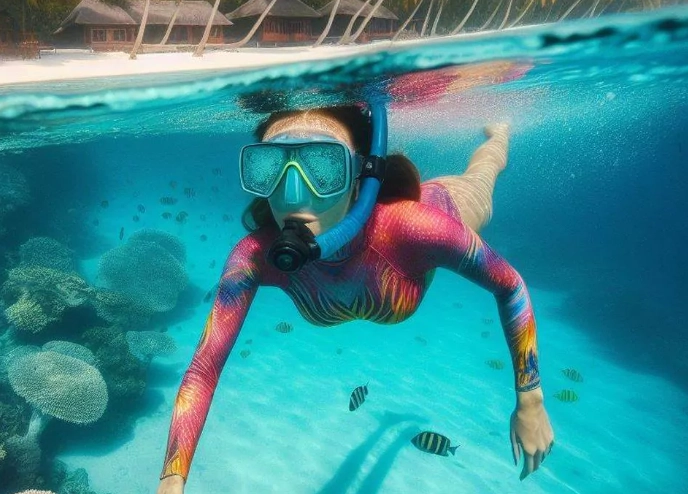
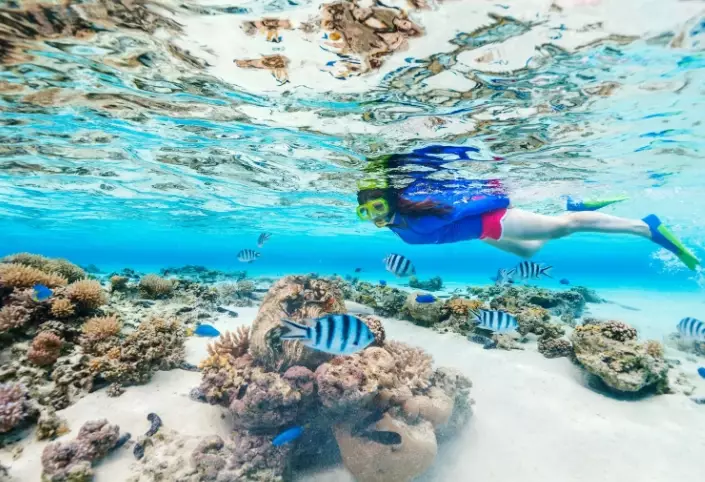
Let me cut to the chase. If you're asking is the Maldives good for snorkeling, the short answer is a resounding yes. It's not just good; for many people, it's the absolute pinnacle. I remember my first time dipping my head under the surface right off a resort jetty. One moment I was looking at a wooden plank, the next I was staring at a parade of parrotfish, a curious turtle, and more colors than a box of crayons. It felt like someone had flipped a switch into a different world. But is it really that simple? Well, like any destination, it has its nuances.
The Quick Verdict: Yes, the Maldives is spectacular for snorkeling. Its unique geography of coral atolls creates shallow, protected lagoons and dramatic drop-offs (they call them "thilas" and "giris") teeming with life. The water visibility is often absurdly good—think 30 meters or more on a calm day. For beginners and pros alike, it's hard to beat the convenience and sheer density of marine life.
Why Asking "Is Maldives Good for Snorkeling?" is Almost a Silly Question
Let's break down why this place is on every snorkeler's bucket list. It's not just one thing; it's a perfect storm of ideal conditions.
First, the geography. The Maldives is a chain of 26 natural atolls. Think of them as giant, submerged volcanic mountains with coral reefs growing on the rim. This creates a genius setup: inside the atoll, you often have calm, shallow lagoons perfect for nervous swimmers or beginners. On the outer edges, you have channels and drop-offs where ocean currents bring in nutrients, attracting the big ticket animals. This variety means there's always a good spot to snorkel, regardless of wind or weather.
The marine biodiversity is just silly. The Maldives sits in the Indian Ocean's sweet spot. We're talking over 2,000 species of fish. From the tiny, jewel-like clownfish in their anemones to massive, peaceful whale sharks (the biggest fish in the sea!) and manta rays that glide like underwater birds. The coral, despite facing global challenges like bleaching events, is still vibrant in many areas, especially in the less-visited parts of the atolls. Resorts and local communities are actively involved in coral restoration projects, which is heartening to see.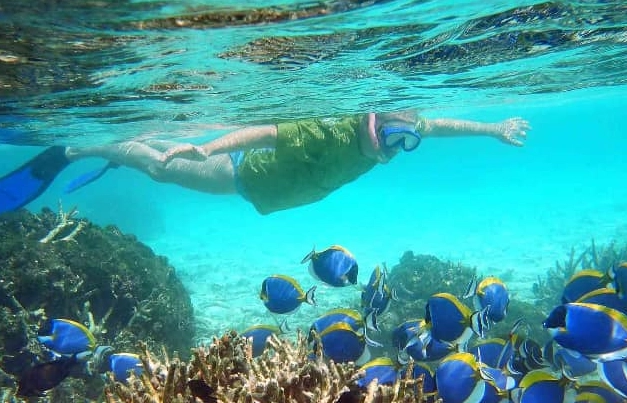
Then there's the resort factor. This is the Maldives' secret weapon for snorkeling. Many resorts are built on their own private islands, completely surrounded by a house reef. Your snorkeling adventure can literally start from your overwater villa's ladder or the main beach. No boats, no schedules, just grab your gear and go. This accessibility is a game-changer, especially for families. You can snorkel for 20 minutes before breakfast—I've done it, and it's the best way to start a day.
But.
Yes, there's a but. It's not all perfect. The very thing that makes it amazing—the resort islands—can sometimes concentrate all the snorkelers in one area of the house reef. I've been to places where the coral right off the main jetty looks a bit tired from too many fins. And let's be real, the Maldives is not a budget destination. You're paying for that pristine environment and convenience. Also, while the lagoons are calm, the currents on the outer reef channels can be strong. That's not a deal-breaker, just something to respect.
Picking Your Spot: It's All About the Atoll
Not all atolls are created equal. Where you go in the Maldives dramatically shapes your snorkeling experience. Picking the right spot is the difference between a "wow" trip and an "oh, that's nice" trip.
North vs South Male' Atoll: The Classic Choice
These are the busiest, closest to the international airport (Velana). They have a huge concentration of resorts and liveaboards. The pros? Easy transfer, tons of dive and snorkel operators, well-known sites. The cons? Can feel crowded, especially at popular snorkel points. The reefs have seen more pressure. Still, for a first-time visitor who wants convenience and reliable action, it's a solid bet. Sites like Banana Reef or Manta Point are famous for a reason.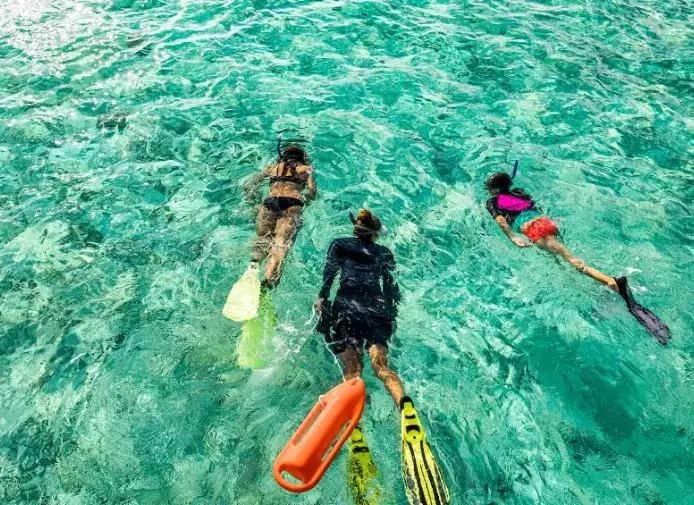
Ari Atoll: The Big Animal Magnet
If your dream is to swim with whale sharks and manta rays, Ari Atoll should be at the top of your list. Places like Dhigurah Island or the renowned South Ari Atoll MPA (Marine Protected Area) offer incredibly high chances of encounters, especially with resident populations of whale sharks. The snorkeling here is often about the pelagics—the big guys cruising the open blue.
Baa Atoll: A UNESCO Biosphere Reserve
This is a special one. Designated a UNESCO Biosphere Reserve, Baa Atoll is a testament to conservation. From June to November, Hanifaru Bay becomes a feeding station for dozens, sometimes hundreds, of manta rays. Snorkeling here during a feeding frenzy is a life-altering experience. It's strictly regulated (which is good!), so you need to go with a licensed guide. The overall health of the reefs here feels more pristine.
The Outer Atolls: For the Adventurous
Think Laamu, Gaafu Alifu, or Huvadhoo Atoll. Further south, less developed, harder to get to (often requiring a domestic flight *and* a speedboat). Why bother? Because you get reefs that have seen far fewer visitors. The coral formations can be more dramatic, the fish less shy, and you might have an entire thila to yourself. This is for the snorkeler who prioritizes pristine conditions over easy logistics.
| Atoll | Best For | Marine Life Highlights | Accessibility |
|---|---|---|---|
| North/South Male' | First-timers, short trips, convenience | Reef sharks, turtles, colorful reef fish | Excellent (short speedboat ride) |
| Ari Atoll | Whale shark & manta ray encounters | Whale sharks (year-round), mantas, eagle rays | Good (speedboat or seaplane) |
| Baa Atoll | Eco-conscious travel, unique spectacles | Massive manta ray aggregations (seasonal), healthy reefs | Moderate (seaplane common) |
| Outer Atolls (e.g., Laamu) | Adventure, pristine reefs, avoiding crowds | Untouched coral gardens, pelagics, bigger fish | Challenging (flight + boat) |
That table should give you a quick snapshot. My personal bias? If it's your first time and you're not sure if the Maldives is good for snorkeling for *you*, stick with Male' or Ari. Get your confidence. If you're a seasoned snorkeler craving something raw, push for the outer atolls.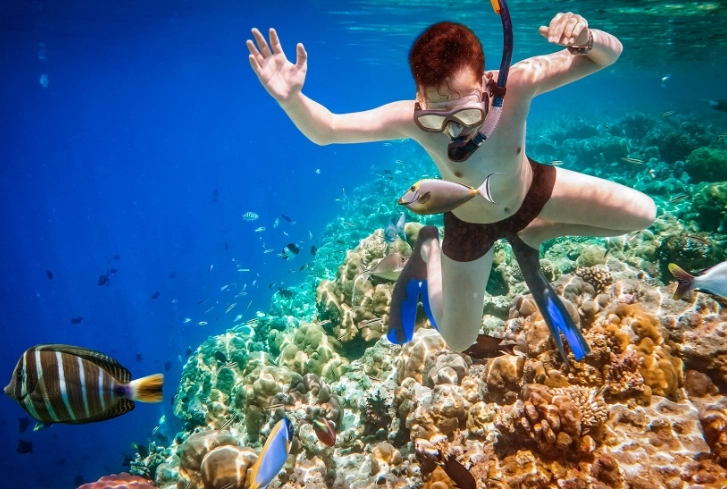
Resort vs Liveaboard vs Local Island: Your Snorkeling Basecamp
This is a critical decision. Where you stay defines your snorkeling routine.
"Choosing a resort with a thriving house reef changed everything for our family. The kids could snorkel on their own schedule, and we didn't waste a single minute on transport. It felt like the reef was our backyard." – A sentiment I hear all the time, and totally agree with.
The Resort Experience: This is the classic Maldives. You're on a private island. The big question to ask when booking: "Do you have a healthy, accessible house reef?" Not all do. Some islands are surrounded by a deep lagoon or a sea wall. Do your research. Look for resorts that mention "house reef" prominently. The beauty is the freedom. Snorkel at dawn, at dusk, under the moonlight. The downside? You're mostly limited to that one reef unless you pay for boat trips. And it's the most expensive option.
The Liveaboard Adventure: For the snorkeling purist. You live on a boat (a comfortable one, think cruise ship-style cabins) and it moves to 3-4 different sites per day. You hit the absolute best spots across multiple atolls. The variety is unbeatable. You'll snorkel pristine thilas in the morning, drift over a channel in the afternoon, and maybe do a night snorkel after dinner. It's intensive and fantastic. But it's not relaxing in the beach-lounging sense. You're there for the water.
The Local Island Stay: A more affordable and culturally immersive option. Islands like Maafushi, Fulidhoo, or Dhigurah offer guesthouses. You book snorkeling trips with local guides. The pros? You support the local community directly, trips are cheaper than resort excursions, and guides know secret spots. The cons? You usually can't snorkel right off the beach (many local islands have designated "bikini beaches" and the surrounding water might be for fishing, not reefs). You need to take a boat for every session.
I've done all three. For a honeymoon or relaxed holiday, a resort with a great house reef is magic. For a dedicated snorkeling safari with like-minded people, a liveaboard can't be beat. For budget travelers who want authenticity, local islands are a gateway.
Gear, Safety, and Not Being "That" Snorkeler
Okay, let's get practical. You've decided the Maldives is good for snorkeling and you're going. How do you not mess it up?
Safety First, Always: The ocean is not a pool. Currents can be deceptive. Always snorkel with a buddy. Listen to your guide. If they say the current is strong today, believe them. Hydrate like crazy—tropical sun and saltwater are dehydrating. Reapply reef-safe sunscreen every hour. A rash guard or UV shirt is the best investment you'll make; it protects you from sun and potential coral scrapes.
Gear Talk: Most resorts and tour boats provide basic snorkels, masks, and fins. The quality is... variable. If you have a prescription mask or just want a perfect fit, bring your own. A fog-free mask makes a world of difference. I always pack my own. Fins are less critical, but if you have comfortable ones, bring them. Consider investing in a snorkel vest. Not the bulky orange life jacket, but a slim, inflatable one. It gives you incredible confidence, lets you rest effortlessly, and is a major safety boost. No one will judge you; in fact, savvy snorkelers use them.
Underwater Etiquette (Please Read This!):
- Don't touch anything. Not the coral (it kills it), not the turtles (it stresses them), not the starfish. Look with your eyes, not your hands.
- Control your fins. Kicking wildly stirs up sand (which smothers coral) and can accidentally smash into the reef. Practice a slow, steady flutter kick.
- Keep your distance. Chasing a turtle to get the perfect photo is selfish. Let the animals go about their business. A good encounter is when they choose to stay near you.
- Use Reef-Safe Sunscreen. Chemicals like oxybenzone and octinoxate bleach and kill coral. Many Maldivian islands and resorts now ban non-reef-safe sunscreen. Get a mineral-based one (zinc oxide/titanium dioxide). The official Maldives Tourism website has information on their sustainability initiatives, which often include this.
Seriously, following these rules is what keeps the Maldives good for snorkeling for everyone who comes after you.
Beyond the Obvious: Answering Your Real Questions
You've got more questions. I had them too. Let's tackle some common ones head-on.
My Final Take: Is It Worth It?
Look, after all this, you're probably still wondering about the core question: Is Maldives good for snorkeling for *you*?
If your priority is the easiest, most accessible, and most reliably dense snorkeling experience straight from your hotel room, then yes, 100%. The resort house reef model is unparalleled anywhere in the world. The sheer convenience transforms how you interact with the ocean.
If you're on an extremely tight budget and expect world-class snorkeling off a public beach for free, you might be disappointed. The best access often comes with a price tag, either through a resort or paid boat trips.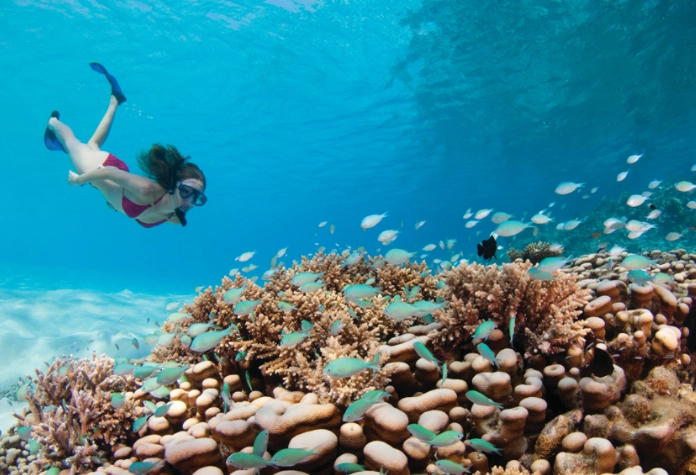
If you're an experienced snorkeler who has been to remote parts of Indonesia or the Pacific, you might find some of the more popular Maldivian sites a bit tame or crowded. For you, the answer to is the Maldives good for snorkeling might be: "Yes, but head to the outer atolls or a dedicated liveaboard."
For the vast majority of people—families, couples, first-time snorkelers, even enthusiasts—the Maldives delivers. It packages insane natural beauty with tourism infrastructure that makes enjoying it effortless. You're not just getting a snorkeling trip; you're getting an entire vibe—the overwater villa, the white sand, the incredible sunsets. The snorkeling is the brilliant, sparkling centerpiece of that experience.
The Bottom Line: Don't overthink it. If you have the means and the desire, go. Do your research to match your atoll and accommodation type to your snorkeling goals. Pack your sense of wonder, your reef-safe sunscreen, and a healthy respect for the ocean. You'll come back with your answer to "Is Maldives good for snorkeling?" etched in your memory, in the form of a manta ray's shadow, a turtle's wise gaze, and the electric blue of the lagoon.
Just remember to float quietly, kick gently, and look around. That's where the magic is.
Reader Comments