Quick Guide
- Why Bother? The Real Cost of Poor Storage
- Step 1: The Non-Negotiable Post-Snorkel Clean
- Step 2: Dry It Completely. I Mean, REALLY Completely.
- Step 3: Choosing the Right Storage Location
- Step 4: How to Store Each Piece of Gear
- Common Storage Mistakes (And How to Avoid Them)
- Material Matters: A Quick Guide
- Long-Term & Seasonal Storage Strategy
- Storing Snorkel Gear for Travel
Let's be honest. After a fantastic day in the water, the last thing you want to do is spend ages on your snorkeling gear. You're tired, maybe a bit salty, and just want to collapse. I've been there. I used to rinse my mask and snorkel quickly, toss them in a mesh bag, and shove the whole damp mess into a dark corner of my garage. Big mistake. A few months later, I was greeted by a lovely patch of black mold inside my favorite mask and a snorkel mouthpiece that felt weirdly sticky and brittle. That was an expensive lesson.
Properly storing snorkeling equipment isn't just about being tidy. It's the single most important thing you can do to protect your investment. Good gear isn't cheap, and whether it's a perfectly fitting mask or a comfortable pair of fins, you want it to perform reliably season after season. Neglect can lead to foggy lenses, degraded silicone, cracked plastics, and that awful mildew smell that never really goes away.
This guide is everything I wish I'd known years ago. We're going to move beyond the basic "rinse it" advice and dive deep into the why and how of storing snorkeling gear for the long haul. We'll cover every piece of equipment, tackle common problems, and even look at specific scenarios like off-season storage or packing for a trip. Think of it as a long-term relationship guide for you and your snorkel kit.
Why Bother? The Real Cost of Poor Storage
Maybe you think you can get away with being lazy. I did. But the elements are constantly working against your gear. Sunlight's UV rays are like kryptonite to rubber and plastic, breaking them down and making them stiff and prone to cracking. Salt crystals are abrasive and corrosive; left to dry on your gear, they can scratch lenses and degrade materials over time. And then there's moisture. Dark, damp places are a five-star resort for mold, mildew, and bacteria. It's not just gross—it can cause health issues and permanently stain or degrade your equipment.
I learned this the hard way. Replacing that moldy mask and funky snorkel cost me more than $150. The time and money wasted on a "quick fix" that didn't work was just salt in the wound. A proper storage routine takes maybe 15-20 minutes after a dive. It's a no-brainer.
Step 1: The Non-Negotiable Post-Snorkel Clean
You cannot store gear properly if you don't clean it first. This step is the foundation. Storing snorkeling equipment begins the moment you get out of the water.
Fresh Water Rinse is King
Immediately after use, give everything a thorough rinse in fresh, clean water. I mean soak it. Don't just spray it. Submerge your mask, snorkel, and fins in a bucket or tub of fresh water for 10-15 minutes. This dilutes and dissolves salt and chlorine (if you were in a pool). For your wetsuit, turn it inside out and rinse it thoroughly inside and out. Pay special attention to zippers and seams where salt loves to hide.
A Little Soap Goes a Long Way
Once the salt is rinsed off, use a tiny amount of mild, non-detergent soap. Baby shampoo or dedicated gear cleaner is perfect. Avoid dish soap, laundry detergent, or anything with oils, moisturizers, or harsh chemicals. They can leave residues that attract dirt or break down silicone. Gently wash the silicone skirt of your mask, the mouthpiece of your snorkel, and the foot pockets of your fins. For the wetsuit, use a wetsuit-specific shampoo to maintain the neoprene's flexibility.
Disinfect When Needed
If you've been snorkeling in warm, stagnant water, or if you're sharing gear, a disinfecting rinse is smart. A solution of one part white vinegar to three parts water works well. Soak the mouthpiece and mask for a few minutes, then rinse thoroughly. For a more thorough approach, the CDC provides guidelines on using diluted household bleach for disinfection (typically 1 tablespoon per gallon of water for 5+ minutes), which is highly effective but requires extremely careful rinsing afterward to prevent material damage. Personally, I find the vinegar solution less harsh and sufficient for my needs.
Step 2: Dry It Completely. I Mean, REALLY Completely.
This is where most people slip up. "Mostly dry" isn't good enough. Moisture trapped in a bag or box is the root of all evil for stored snorkel gear.
Air Dry in the Shade
Lay your gear out on a clean towel in a well-ventilated, shaded area. Direct sunlight might seem like a good dryer, but it will prematurely age the materials. Hang your wetsuit on a thick, padded hanger (wire hangers can create permanent shoulder bumps). Turn the suit inside out halfway through drying. For fins, stand them on their heels so water drains from the foot pocket.
Mind the Nooks and Crannies
Your snorkel is the biggest culprit. Shake it vigorously to get water out of the tube. Better yet, use a dedicated snorkel dryer or a flexible, absorbent cleaning rod (like those for reusable straws) to swab the inside. For masks, ensure the skirt and frame are completely dry, especially where the silicone meets the plastic or glass.
How long does it take? In good conditions, a mask and snorkel might take a few hours. A thick wetsuit can take a day or more. Don't rush it.
Step 3: Choosing the Right Storage Location
Where you put your gear is as important as how you clean it. Your attic, car trunk, or a damp basement are terrible choices.
Here’s what the ideal storage spot for your snorkeling equipment looks like:
- Cool and Stable Temperature: Extreme heat or cold damages materials. A consistent, room-temperature environment is best.
- Dry and Ventilated: Low humidity is key. A dehumidifier in a basement storage room can work wonders.
- Dark: Keep it away from direct or even strong indirect sunlight. UV is a silent killer.
- Free from Pressure and Sharp Objects: Don't pile heavy stuff on top of your fins or mask. Keep them away from tools or other gear that could puncture or crush them.
A closet shelf, under a bed in a storage box, or a dedicated gear cabinet in your garage (if temperature-controlled) are all solid options.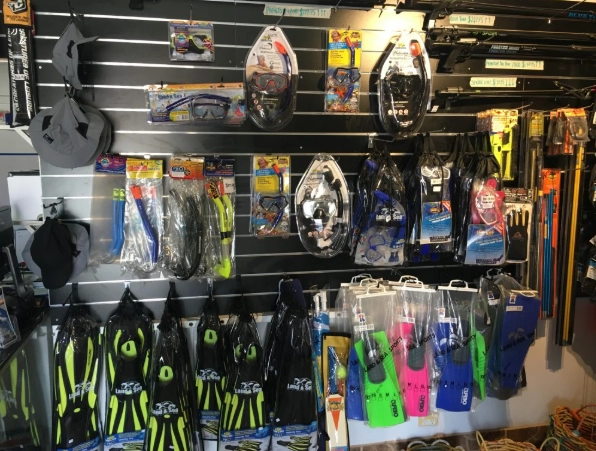
Step 4: How to Store Each Piece of Gear
Now for the specifics. Different gear has different needs.
Storing Your Mask
This is your most sensitive item. Never leave the mask strap stretched around the lens for long periods—it warps the skirt and weakens the strap. I lay mine flat, with the lens facing up, in its original protective box or a soft cloth pouch. Some people stuff the skirt with acid-free tissue paper to help it keep its shape, but I find laying it flat is enough. Critical tip: Do not store the mask in its plastic travel case long-term. Those cases are for transport only and can trap moisture.
Storing Your Snorkel
Make sure it's 100% dry inside. I like to loop mine loosely in a large coil, avoiding any sharp kinks in the tube or mouthpiece. Don't bend the mouthpiece at a severe angle. Lay it flat in a drawer or on a shelf. Some dry bags have separate compartments that are perfect for this.
Storing Your Fins
The goal is to relieve stress on the foot pockets and blades. Stand them upright (heel down) on a shelf, or lay them flat. Do not store them with the blades bent or twisted. If you have spring straps, it's fine to leave them attached, but ensure they aren't under tension. For travel storage, laying them flat in your bag is the way to go.
Storing Your Wetsuit or Rash Guard
This is crucial. After it's bone-dry, hang it on a wide, padded hanger. Fold it over the bar of the hanger at the waist—don't hang it by the shoulders alone for weeks on end, as this can stretch them out. For very long-term storage (like over the winter), some experts recommend folding it loosely and storing it flat in a cool, dark place. The key is to avoid sharp, permanent creases.
Other Snorkeling Accessories
- Defog: Store the bottle at room temperature. Don't let it freeze or get too hot.
- Mesh Gear Bag: Wash and dry it thoroughly before storage. A stinky bag will make all your clean gear smell.
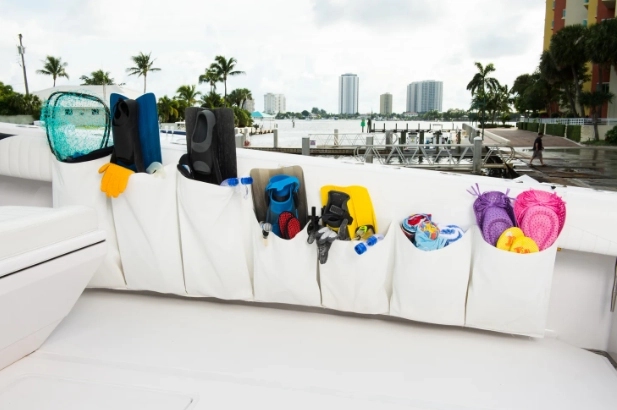
- Snorkel Vest/Safety Gear: Inflate it slightly, check for leaks, and store it partially inflated in a cool, dry place away from sharp objects.
Common Storage Mistakes (And How to Avoid Them)
We all make mistakes. Here's a quick table to highlight the big ones I see all the time (and have made myself).
| Mistake | What Happens | The Right Way |
|---|---|---|
| Storing gear wet in a mesh bag | Mold city. The bag holds moisture against the gear. | Clean, dry COMPLETELY, then store in a dry bag or box. |
| Leaving gear in direct sun to dry | UV degrades silicone and plastic, causing fading, brittleness, and cracking. | Air dry in a shaded, ventilated area. |
| Folding a wetsuit sharply | Creates permanent creases that weaken the neoprene and affect insulation. | Hang on a wide hanger or fold loosely over itself. |
| Stretching the mask strap over the lens | Deforms the silicone skirt, leading to leaks. | Store the mask flat with the strap loose. |
| Using plastic bins without ventilation | Traps any residual moisture, creating a mini swamp. | Use breathable storage bags or leave the lid of a plastic bin slightly ajar. |
Material Matters: A Quick Guide
Different materials in your snorkeling equipment have different vulnerabilities.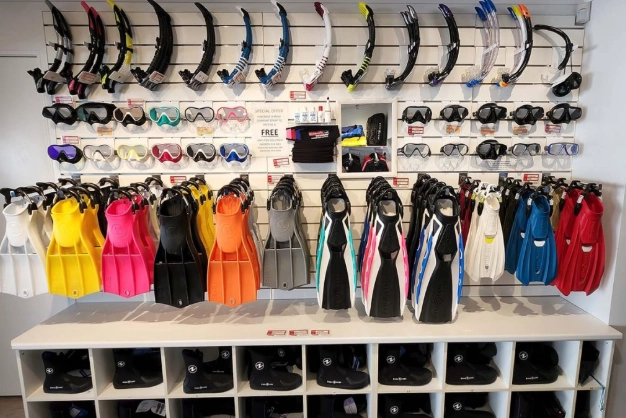
- Silicone (Mask Skirts, Fins Straps): Resilient but hates UV light, ozone, and oils. Keep it clean, dry, and in the dark.
- Neoprene (Wetsuits): Can become stiff if stored dirty or in very cold conditions. Rinse with fresh water and use neoprene shampoo occasionally. For authoritative care information, the PADI Gear Guide on equipment care offers excellent, diver-trusted advice that applies directly to snorkeling wetsuits as well.
- Plastic/Polycarbonate (Lenses, Fin Blades, Snorkel Tubes): Avoid extreme heat (like a hot car) which can cause warping. Also keep away from solvents and petroleum-based products.
Long-Term & Seasonal Storage Strategy
If you won't be using your gear for several months (hello, winter!), you need a more thorough process for storing your snorkeling equipment.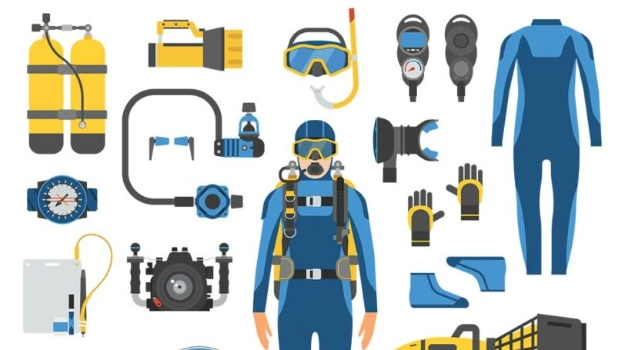
- The Deep Clean: Follow the cleaning steps above meticulously. This is not the time to cut corners.
- The Ultimate Dry: Let everything air dry for at least 48 hours in a perfect indoor spot. Feel inside every tube and pocket.
- Prep for Hibernation: Lightly dust silicone parts with pure talc or cornstarch (not baby powder with additives) to prevent sticking. This is especially good for mask skirts.
- Pack with Care: Place each item in a breathable cotton pillowcase or a dedicated gear bag. You can use a plastic storage bin, but punch a few small air holes in it or don't snap the lid shut tightly.
- Label and Place: Mark the box clearly and put it in your chosen cool, dark, dry location.
Storing Snorkel Gear for Travel
Travel storage is different. It's short-term, but often involves damp gear in confined spaces.
My method? I always pack a small, absorbent microfiber towel and a separate, waterproof "wet bag." After a snorkel session, I do my best fresh water rinse (even from a water bottle in a pinch), pat everything down with the towel, and then place the damp gear in the wet bag. This contains the moisture and protects the rest of my luggage. The first thing I do when I get to my next hotel or back home is unpack that wet bag and properly dry everything. Letting it fester in your suitcase for a flight home is a recipe for disaster.
Frequently Asked Questions on Storing Snorkeling Equipment
Here are answers to the questions I get asked most often, and the ones I had when I started.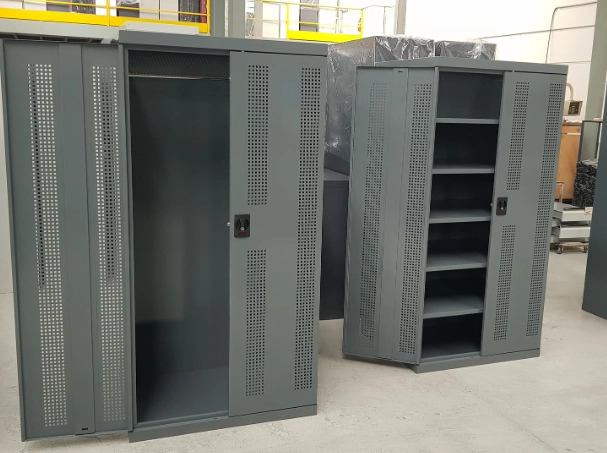
The bottom line? Storing snorkeling equipment properly is a simple habit that pays massive dividends. It saves you money, ensures your gear is safe and comfortable, and gives you peace of mind. That feeling of grabbing your perfectly maintained kit, knowing it's ready to go without any surprises, is worth every minute of the routine. Now go enjoy the water, and when you're done, show your gear a little love. It'll return the favor on your next adventure.
Reader Comments