Quick Guide
Let's cut to the chase. You're planning a trip to Costa Rica, you've packed your swimsuit and reef-safe sunscreen, and you're dreaming of floating over colorful coral gardens. But then you hit the big question: Is Costa Rica better for snorkeling Pacific or Caribbean? It's not just a casual wondering—it can make or break your entire underwater experience. I've spent weeks bobbing around both coasts, sometimes loving it, sometimes getting frustrated with conditions, and I'm here to give you the real, unvarnished breakdown. This isn't about which one is "objectively" better (that's impossible), but about which one is better for you.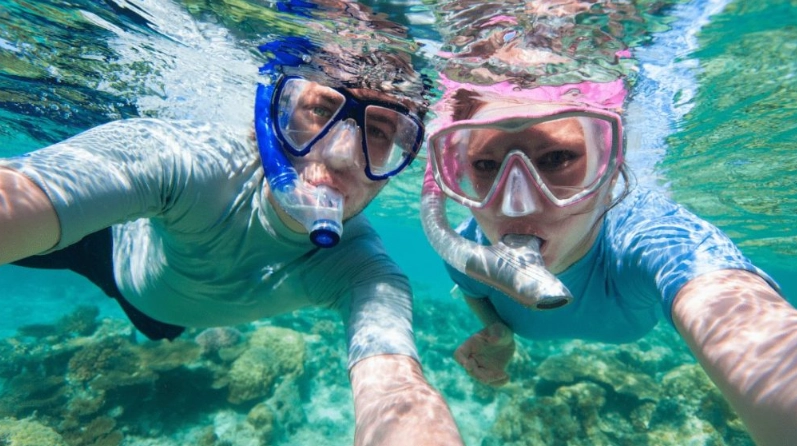
The short answer? It's a classic apples-to-oranges, or rather, manta-rays-to-sea-turtles comparison. The Pacific side (think Guanacaste, the Nicoya Peninsula, down to the Osa Peninsula) and the Caribbean side (centered around Puerto Viejo, Cahuita, and the remote Tortuguero) offer two completely different worlds beneath the waves. Your choice depends on what you're after—dramatic rock formations and big animal encounters, or calmer, coral-focused gardens with a different vibe.
The Core Differences: A Side-by-Side Snapshot
Before we dive into the nitty-gritty of every bay and beach, let's lay out the fundamental contrasts. This table is your cheat sheet.
| Feature | Pacific Coast Snorkeling | Caribbean Coast Snorkeling |
|---|---|---|
| Water Visibility | Variable. Can be excellent (15-25m/50-80ft) in dry season, but prone to plankton blooms and runoff in rainy season, reducing it significantly. | Generally good to very good (10-20m/30-65ft) year-round, especially around protected reefs. Less affected by seasonal runoff. |
| Water Temperature | Colder. Ranges from 26°C to 29°C (79°F - 84°F). Upwelling can bring cooler water, sometimes surprising swimmers. | Warmer. Consistently 27°C to 30°C (81°F - 86°F). Feels like a bath, minimal thermoclines. |
| Underwater Landscape | Rocky headlands, volcanic formations, cliffs dropping into the deep. Less traditional coral, more rocky reefs covered in soft corals, anemones, and algae. | Classic fringing and patch coral reefs. Costa Rica's most significant coral structures are here, particularly in Cahuita National Park. |
| Marine Life Vibe | "Big Game" potential. More pelagic action—eagle rays, manta rays (seasonal), schools of jacks, tuna, occasional reef sharks. Larger fish. | "Reef Dweller" paradise. Brilliant reef fish (parrotfish, angelfish, triggerfish), sea turtles, nurse sharks, moray eels, crustaceans. |
| Wave & Current Action | Can be rough. The Pacific gets swell. Many good spots require a short boat ride to sheltered islands or coves. Not always beginner-friendly from shore. | Generally calmer. Protected by offshore reefs, many areas are lagoon-like. More beginner and family-friendly direct from the beach. |
| Cultural Atmosphere | More developed tourism infrastructure (especially in Guanacaste). "Tico" culture blended with expat influence. Surf town vibes in many places. | Distinct Afro-Caribbean ("Limonense") culture. Reggae, rasta, rice & beans cooked in coconut milk. More rustic, laid-back, and less developed. |
See? They're basically siblings who chose completely different life paths. Asking is Costa Rica better for snorkeling Pacific or Caribbean is like asking if pizza is better than tacos. It hinges on your craving.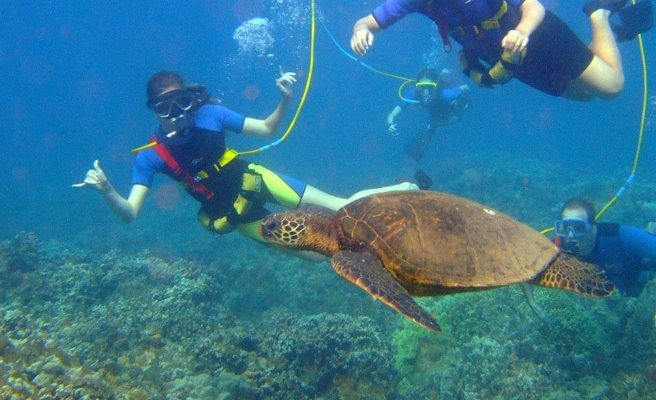
Diving Deep: The Pacific Coast Experience
The Pacific coast is where Costa Rica shows off its wild, untamed side—above and below water. This isn't your stereotypical tranquil coral garden snorkel. It's more rugged, more unpredictable, and often more thrilling.
The Northern Pacific (Guanacaste & Papagayo)
This is the most accessible region, packed with resorts and airports (Liberia, LIR). The snorkeling here is heavily dependent on getting on a boat. The shoreline beaches are beautiful but often have waves and sand, not reefs.
Top Spots You Need a Boat For:
- Catalina Islands: Famous for seasonal (Dec-Apr) giant manta ray sightings. The site "The Point" is a cleaning station. It's not guaranteed, but when it happens, it's life-changing. The islands themselves are barren rock formations erupting from the deep, attracting huge schools of fish, eagle rays, and white-tip reef sharks. Visibility can be hit or miss.
- Bat Islands (Islas Murciélagos): More advanced due to currents and depth, but offers a chance to see bull sharks (from a safe distance on a guided dive trip—rare for snorkelers). For snorkelers, the highlight is the incredible biodiversity on the rock walls.
- Playa del Coco & Hermosa Bay: The bays themselves offer mediocre snorkeling from shore. But the dozens of tour operators here provide easy access to the Catalinas and other local reefs. It's the convenience hub.
The Shore Snorkeling Reality Check: Don't believe every blog that says you can snorkel brilliantly right off the beach at Playa Conchal or Flamingo. Conchal is a shell beach that drops off quickly into sand. Flamingo has a few rocky areas near the point, but it's often murky. For reliable, good snorkeling here, budget for a boat trip.
The Central & Southern Pacific (Manuel Antonio, Uvita, Osa Peninsula)
As you go south, the jungle meets the sea more dramatically, and the snorkeling gets more interesting, often with better chances from shore.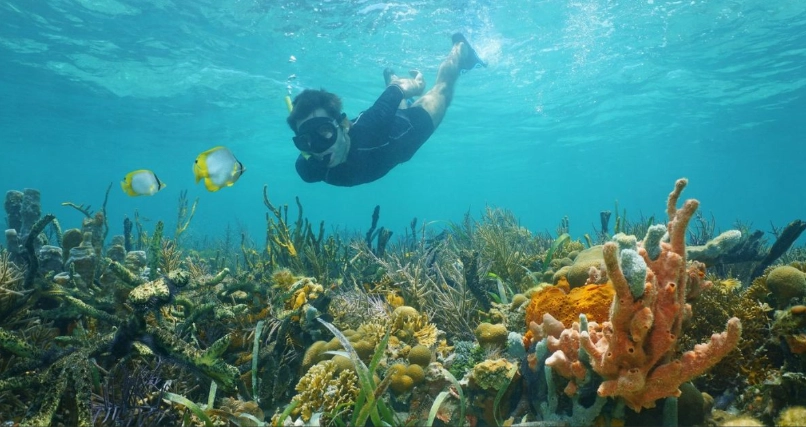
- Manuel Antonio: Inside the national park, near the famous cathedral point, there are rocky islets with decent snorkeling. It's not the world's best, but you'll see plenty of tropical fish. The big perk is combining a jungle hike with a snorkel in one of the country's most famous parks. Gets crowded.
- Marino Ballena National Park (Uvita): The namesake "whale's tail" sandbar is amazing at low tide. The snorkeling around the rocky formations at the end of the "tail" and near Isla Ballena can be excellent. You might snorkel with migrating humpback whales (from a respectful distance, of course—you hear them singing!). The coral here is more prevalent than up north.
- Caño Island Biological Reserve: This is the Pacific's crown jewel, a 90-minute boat ride from Drake Bay or Sierpe near the Osa Peninsula. It's a fully protected reserve. The water is often clearer, and the rocky reefs are draped in soft corals, sea fans, and sponges in electric colors. You're almost guaranteed to see white-tip reef sharks napping on the sand, huge schools of snapper, turtles, and massive moray eels. It's the closest the Pacific gets to a "garden" feel, but with bigger animals. This spot alone makes a strong case for the Pacific side.
Diving Deep: The Caribbean Coast Experience
The Caribbean side feels like a different country. The pace slows, the food changes, and the water turns a warmer, greener-blue. The snorkeling here is more about the intricate reef ecosystem than open-ocean spectacle.
The Southern Caribbean (Puerto Viejo, Cahuita, Manzanillo)
This is the heart of Caribbean snorkeling in Costa Rica. The culture is fantastic, and the snorkeling is accessible.
- Cahuita National Park: This is the flagship. It's a protected marine park with Costa Rica's most developed coral reef (over 35 species of coral). You can access it by walking from Cahuita town along the park trail and entering from the beach (Punta Cahuita), or by taking a boat from Puerto Viejo. The boat tours usually take you to the best two or three sections, like the Coral Garden and Three Moai sites.
The reef is shallow, calm, and perfect for beginners and nervous swimmers. You'll see endless brain coral, elkhorn coral, sea rods, and the fish that call them home: parrotfish chomping on coral, blue tangs, trumpetfish, and the occasional spotted eagle ray cruising over the sand patches. The park's protection status (managed by SINAC, Costa Rica's National System of Conservation Areas) means the guides are knowledgeable and enforce no-touch, no-fin-kicking-the-reef rules. I've seen the reef health improve over the years, which is encouraging. - Punta Uva & Manzanillo: The Gandoca-Manzanillo Wildlife Refuge offers more relaxed snorkeling. You can swim out from the stunning Punta Uva beach to rocky areas with coral patches. It's less structured than Cahuita but also less crowded. The point at Manzanillo has interesting formations. Always go at high tide for the best depth over the reefs.
The vibe here is chill. You snorkel in the morning, eat rice and beans with coconut milk and fresh fish for lunch, and sway in a hammock in the afternoon.
The Northern Caribbean (Tortuguero, Barra del Colorado)
This is a wildcard. Tortuguero is famous for turtles nesting, not snorkeling. The canals are freshwater, murky, and full of caimans—not a snorkeling destination. Barra del Colorado has river mouths and is more about fishing. For coral reef snorkeling, stick to the southern zone from Cahuita down to Manzanillo.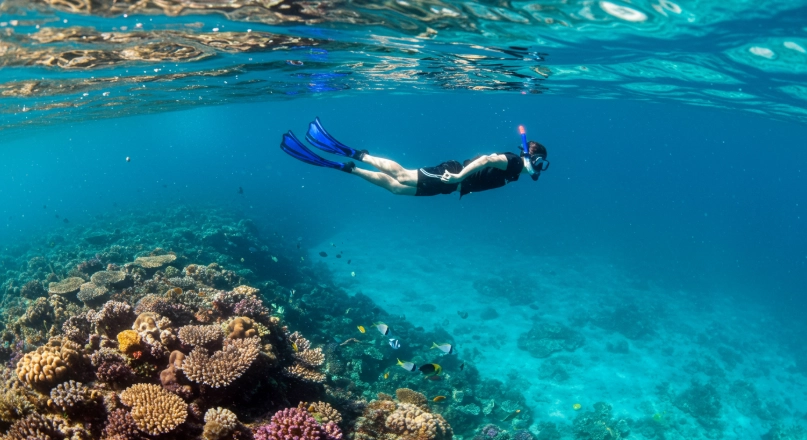
The Decision Matrix: Which Coast is For You?
Stop asking is Costa Rica better for snorkeling Pacific or Caribbean in a general sense. Start asking which one fits your specific trip profile. Let's match you up.
Choose the PACIFIC Coast if...
- Your trip is between December and April (the dry season). Pacific visibility is best then.
- You're an adventurous snorkeler who doesn't mind cooler water, some swell, or hopping on a boat.
- You're thrilled by the idea of seeing large animals (rays, sharks, big schools) more than intricate coral.
- You're already visiting for other Pacific attractions (volcanoes, dry forests, surfing in Tamarindo).
- You prefer more developed tourist infrastructure, a wider range of restaurants, and easier logistics (like flying into Liberia).
- You're combining your trip with a visit to the Osa Peninsula and can get to Caño Island.
Choose the CARIBBEAN Coast if...
- You're traveling year-round and want more predictable water conditions. (Though Sept-Oct can be very rainy on land).
- You're a beginner, a family with kids, or someone who prefers calm, protected waters.
- You love classic coral reef ecosystems and want to see a high diversity of reef fish and invertebrates.
- You value cultural immersion and want a different vibe from the typical Latin American experience.
- Your trip is shorter, and you want good snorkeling accessible directly from the beach or a very short boat ride.
- You're on a tighter budget, as tours and accommodation on the Caribbean side can be less expensive than in Guanacaste's resort areas.
What if you can't decide? Well, domestic flights between Liberia (LIR) and San José (SJO), and then a shared shuttle or rental car to the Caribbean, can let you do both in a trip of 10 days or more. It's a lot of travel, but it gives you the full spectrum. The drive from the Pacific to the Caribbean through San José is a full day's journey, so factor that in.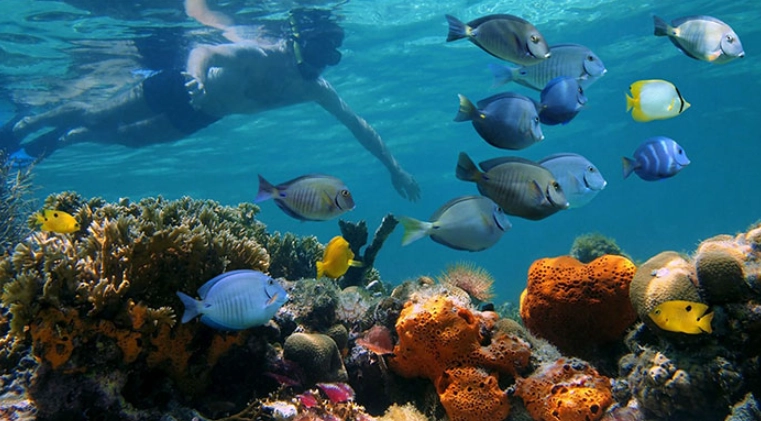
Beyond the Basics: FAQs & Pro Tips You Won't Find Elsewhere
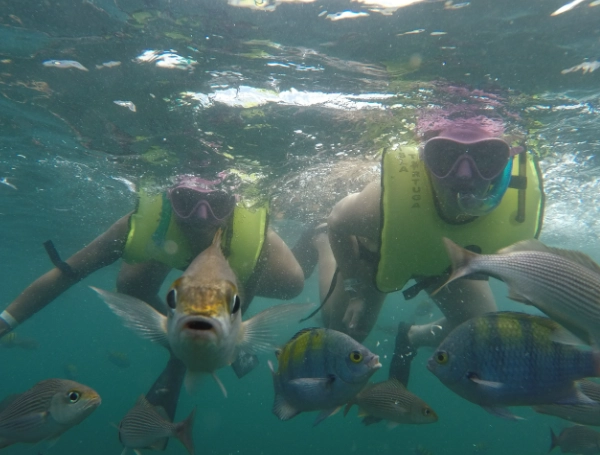
- Do you provide reef-safe sunscreen or can we use yours? (Many now require it).
- Do the guides give an environmental briefing about not touching anything?
- Is the boat operator licensed? (Look for the "ICT" sticker—Instituto Costarricense de Turismo).
- For the Caribbean, do they have a permit to operate in Cahuita National Park?
The Final Verdict: It's a Tie, With Conditions
So, after all this, is Costa Rica better for snorkeling Pacific or Caribbean? I can't give you a single winner.
If I had to pick one for a first-timer who just wants a beautiful, easy, classic coral reef experience with a high chance of success, I'd point them to the Caribbean, specifically Cahuita with a good guide. It's reliable, unique culturally, and magical in its own detailed way.
But if I were going back for my fifth time and wanted the adrenaline of the unknown, the chance of a manta ray encounter, or the pristine protected waters of Caño Island, I'd head to the Pacific in a heartbeat, specifically the Osa Peninsula region.
The real beauty of Costa Rica is that it offers both.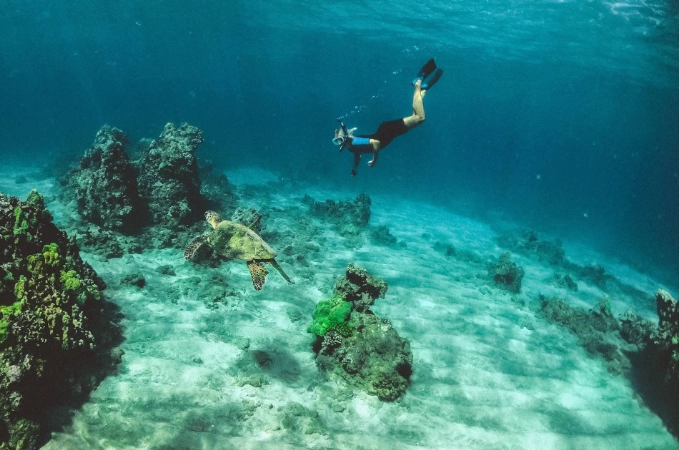
Your mission isn't to find the "best" coast, but to understand what each offers and match it to your personal travel style, season, and expectations. Forget the rankings. Think about what makes you smile underwater. Is it floating over a bustling city of coral, watching a parrotfish poop sand? Or is it hovering on the edge of the blue, waiting for a shadow to morph into a graceful ray?
Whichever you choose, go with respect for the ocean, support the local guides who know it best, and you'll have an answer to is Costa Rica better for snorkeling Pacific or Caribbean that is uniquely, perfectly, your own.
Reader Comments