Quick Navigation
- When and Where: Cracking the Code of California Whale Shark Season
- California vs. Mexico: A Side-by-Side Reality Check
- The Best Places to Try Your Luck in California
- How to Actually Do It: A Step-by-Step, No-BS Plan
- What to Expect in the Water (If You Get the Chance)
- Gear You Absolutely Need (And What's Optional)
- Answering Your Burning Questions
- The Bottom Line: Is It Worth Trying?
Let's get one thing straight right off the bat. If you're picturing a Cancun-style tour where you're guaranteed to swim right next to a dozen feeding whale sharks in crystal clear water, you need to reset your expectations. The experience of snorkeling with whale sharks in California is a different beast entirely—it's wild, unpredictable, and honestly, way more rewarding if you know what you're getting into. I learned this the hard way after showing up with all the wrong ideas.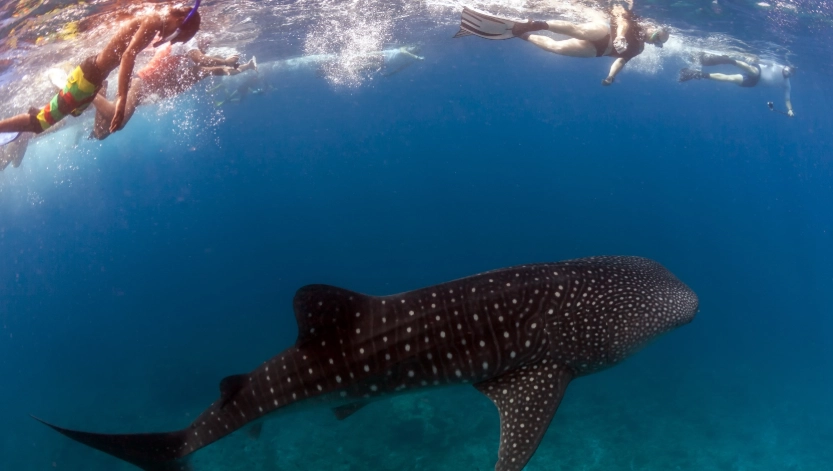
Here's the core truth that most travel blogs gloss over: there is no commercial tour operator in California that advertises a guaranteed "swim with whale sharks" experience like they do in Mexico. Why? Because the whale sharks here are truly wild, migratory animals. They aren't baited or fed. They show up on their own terms, following warm water currents and plankton blooms. Your chance to see one comes from being on a boat that's out there for other reasons—like whale watching, dolphin trips, or scientific surveys—and getting phenomenally lucky.
When and Where: Cracking the Code of California Whale Shark Season
This is the million-dollar question, isn't it? When can you actually see them? I spent hours cross-referencing sighting reports from pelagic trip logs, scientific papers, and chatting with seasoned boat captains to get a clearer picture. The pattern isn't as simple as "summer."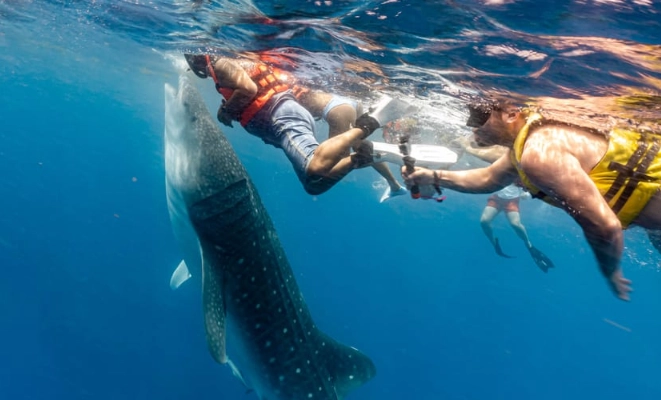
The appearance of whale sharks (Rhincodon typus) off the California coast is tightly linked to oceanographic conditions. They're after warm water. Specifically, they love the edges of warm-water eddies that spin off from larger currents, where their microscopic food—plankton, fish eggs, and small crustaceans—gets concentrated.
The Prime Windows of Opportunity
Think of the season in two main pulses:
- The Late Summer Pulse (August - October): This is your best bet. As the California Current warms up and the infamous "warm blobs" of water settle off the coast, conditions become prime. Sightings spike from late August through September, sometimes stretching into a warm October. Most of the photos you see from California are from this period.
- The El Niño Wild Card: During strong El Niño years, when the eastern Pacific gets a huge injection of warm water, the season can start earlier (July) and last longer. More sharks seem to venture north. Checking the forecasts from the National Oceanic and Atmospheric Administration (NOAA) for El Niño updates can be a smart move for planning.
But here's the frustrating part for planners: it's maddeningly inconsistent. One year, there might be multiple reliable reports off San Diego. The next, they might only be seen far offshore near the Channel Islands. There is no calendar alert.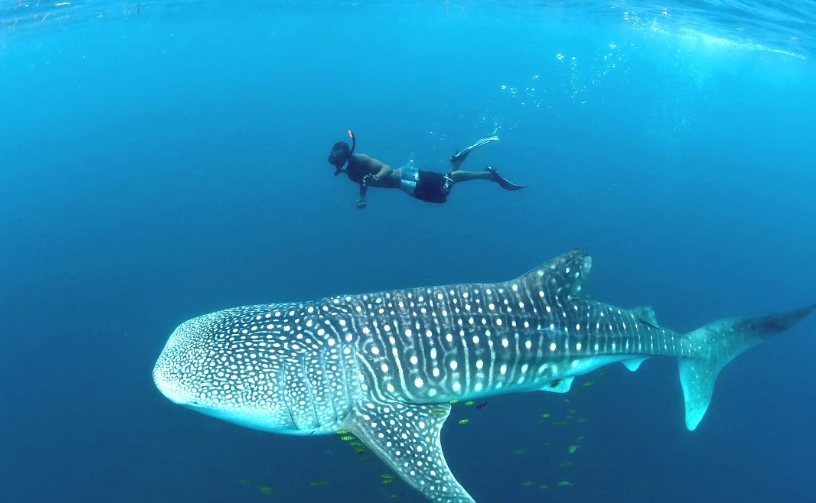
California vs. Mexico: A Side-by-Side Reality Check
Because so many people's frame of reference is Mexico, it's crucial to break this down. Let's be brutally honest about what you're signing up for.
| Aspect | Snorkeling with Whale Sharks in California | Snorkeling with Whale Sharks in Mexico (e.g., La Paz/Isla Mujeres) |
|---|---|---|
| Encounter Type | Wild, unpredictable, non-guaranteed sighting. | Managed aggregation, very high probability of encounter. |
| Water Conditions | Colder (60-70°F / 15-21°C), often greener/less visibility due to rich nutrients. | Warm (75-85°F / 24-29°C), typically clearer, turquoise water. |
| Group Size & Rules | If seen from a whale watch boat, you may share the sighting with many. Snorkeling opportunity depends on captain's discretion & conditions. | Strictly regulated, small groups rotated in and out for brief, close encounters. |
| Guarantee | Zero. You are paying for a whale watch or pelagic trip. | Near 100%. Most operators offer a free second trip if you don't see one. |
| Cost | Standard whale watch fare ($50-$150). No premium for whale sharks. | Premium price for the specific activity ($100-$250). |
| Conservation Ethos | Passive observation. No interaction or impact on animal behavior. | High impact from tourism. Regulations in place to minimize stress, but feeding/aggregation alters natural behavior. |
See what I mean? They're almost opposite experiences. One is a safari; the other is a curated exhibit. Neither is inherently "better," but knowing the difference saves a world of disappointment.
The Best Places to Try Your Luck in California
Geography matters. While a whale shark could theoretically appear anywhere, some areas have better track records. Think of these as hotspots, not guarantees.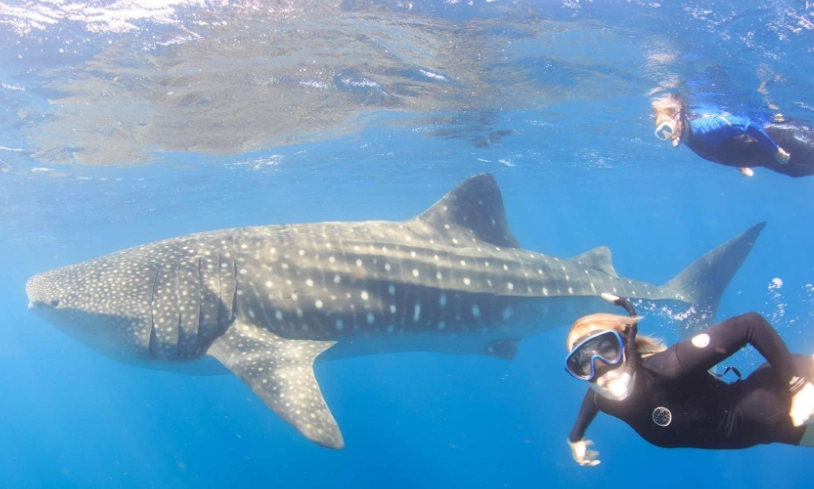
Southern California's Gold Coast
The waters from San Diego up through Orange County and the Catalina Channel are your most consistent bet. The reason is the combination of warmer water from the south and the rich upwelling zones that create massive plankton soups.
- San Diego Offshore: The Nine-Mile Bank and areas near the Coronado Islands are legendary. Trips out of San Diego, Mission Bay, or even Oceanside harbor have logged sightings. The San Diego Whale Watch collective's logs are a great resource to scour for recent patterns.
- The Channel Islands National Marine Sanctuary: Specifically, the backside of Santa Catalina Island and the waters around San Clemente Island. These remote, deep-water areas are nutrient factories. Multi-day liveaboard dive trips to these islands sometimes hit the jackpot.
The Northern California Surprise
Yes, really. While far rarer, there are validated records of whale sharks venturing as far north as Monterey Bay during exceptionally warm years. These are truly vagrant individuals, but it underscores that the entire California coast is potential habitat when conditions align. Don't rule out a pelagic trip out of Monterey or Half Moon Bay during a strong warm-water year—you'd be part of a very exclusive club.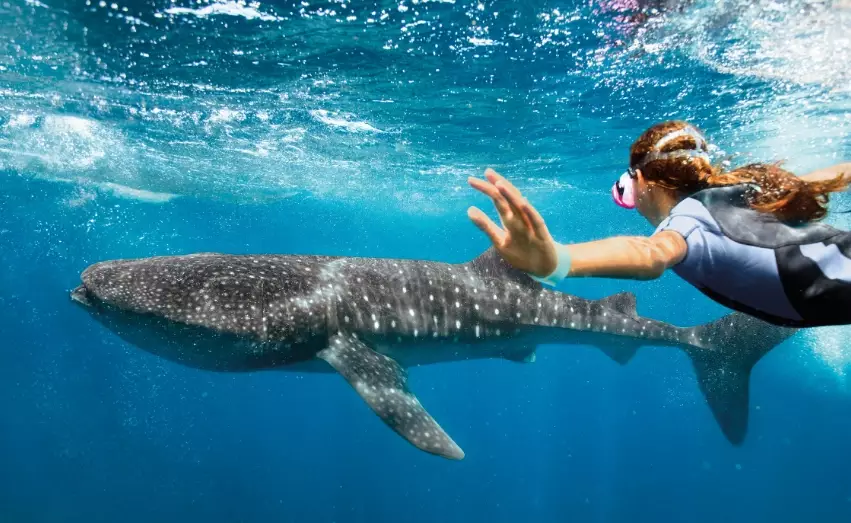
How to Actually Do It: A Step-by-Step, No-BS Plan
Okay, so you're still interested. You want to try for that wild card experience. Here's exactly how to plan your attempt at snorkeling with whale sharks in California.
- Nail the Timing: Block out dates in late August, September, or early October. Check historical sea surface temperature maps for the week before you go. You want to see a patch of warm water (70°F+) hugging the coast.
- Choose the Right Boat Trip: Do NOT search for "whale shark snorkel tour." You will fail. Instead, look for:
- Extended Whale Watching Trips: The 6-8 hour "whale watching" trips that go far offshore are key. The half-day coastal trips won't cut it.
- Pelagic Birding Trips: Seriously. These boats go to the same nutrient-rich zones and the skippers have eagle eyes. They report a lot of unusual marine life.
- Multi-Day Dive Liveaboards: The ultimate gamble, but maximizes your time on the water. Companies that run trips to the Channel Islands are your target. - Communicate Your Hope (But Don't Be a Pest): When you book, you can politely ask, "Have there been any whale shark sightings recently?" This shows you're informed. Do not demand a guarantee or act disappointed if the answer is no.
- Pack for the REAL Conditions: This isn't the tropics. You need a proper 5mm-7mm wetsuit, hood, and gloves. The water is cold. Being cold ruins the experience faster than anything. Bring your own mask, snorkel, and fins—boat rentals are basic.
What to Expect in the Water (If You Get the Chance)
Let's daydream for a second. The call goes out: "Whale shark! Off the starboard side!" The boat slows. It's a juvenile, maybe 25 feet long, cruising lazily just below the surface, its iconic checkerboard pattern glowing in the greenish water.
The captain assesses the situation—is the shark milling? Is the sea calm enough? If yes, they might give the okay for a limited number of snorkelers to enter the water, well ahead of the shark's path. You slip in, trying not to splash.
The visibility might be 30 feet, not 100. The water has a chill that seeps through your wetsuit. You float, heart pounding. And then it emerges from the haze. It's not just big; it's monumental. A living submarine. You see the remoras hitching a ride, the massive gill slits, the tiny eye. It passes you, utterly indifferent, a force of nature going about its business. It might circle once, maybe twice, feeding on the invisible plankton. And then it sinks down into the deep blue and is gone. The whole encounter lasts maybe three minutes.
That's it. That's the pinnacle of snorkeling with whale sharks in California. No crowds, no guides herding it. Just a brief, breathtaking audience with a wild being.
Gear You Absolutely Need (And What's Optional)
Since you're not on a dedicated snorkel tour, you need to be self-sufficient. Here’s the breakdown:
- The Non-Negotiables:
- A High-Quality, Warm Wetsuit: 5mm minimum. A 7mm semi-dry is better for most people. Don't cheap out here.
- Hood and Gloves: You lose most heat through your head and hands. Neoprene gloves also help you grip the boat ladder.
- Reliable Mask and Snorkel: A fog-free mask that seals well is worth its weight in gold. A dry-top snorkel is nice for the chop.
- Fins with Booties: Open-heel fins with separate neoprene booties are warmer and more adjustable than full-foot fins.
- The "Seriously, Consider It" Items:
- Anti-Nausea Medication: You'll be on a moving boat for hours, often in open ocean swell. Take it before you leave the dock.
- Waterproof Camera/GoPro: If you get the chance, you'll want proof. Have it ready on a wrist strap.
- Brightly Colored Swim Cap: Makes you highly visible to your boat captain, a major safety plus.
Answering Your Burning Questions
I get it. You still have questions. Let me tackle the ones that kept me up at night when I was planning.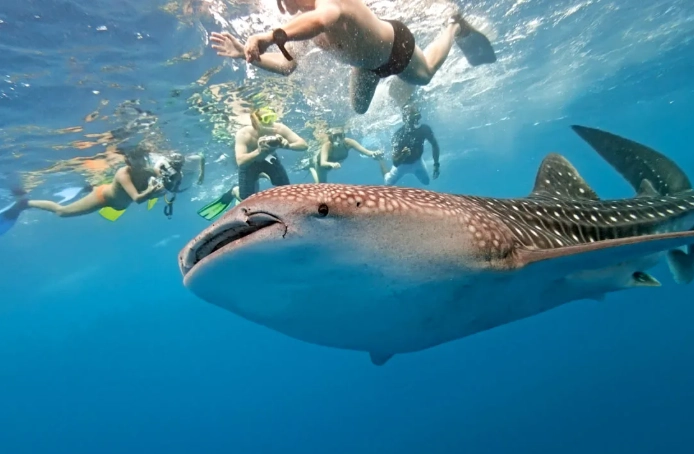
The Bottom Line: Is It Worth Trying?
If you're a checklist traveler who needs a guaranteed trophy photo, then no. Save your money and fly to Mexico. You'll get the photo.
But if you're an ocean lover who finds the hunt as exciting as the find, who values the authenticity of a wild encounter over a packaged one, then absolutely, it's worth a shot. Book that late-summer pelagic trip out of San Diego or Long Beach. Go for the whales, the dolphins, the incredible pelagic birds. Immerse yourself in the stunning ecosystem of the California Current.
Think of the possibility of snorkeling with whale sharks in California as the ultimate bonus round. It's the rare, glittering prize at the end of an already fantastic day on the water. And if it happens, you'll have a story—a true wild encounter story—that very few people can tell.
Just remember to pack your warm wetsuit.
Reader Comments