You float on the surface, peering down into a world of electric blue and swaying coral. A parrotfish crunches on a chunk of reef. A school of silvery baitfish parts around you like a living curtain. This is the magic of snorkeling for marine life observation. But here's the unspoken truth: most snorkelers miss 80% of the action. They're battling a leaky mask, fighting to breathe through a flooded snorkel, or kicking too hard and scaring everything away. The difference between a frustrating swim and an immersive underwater safari isn't luck—it's your gear and how you use it.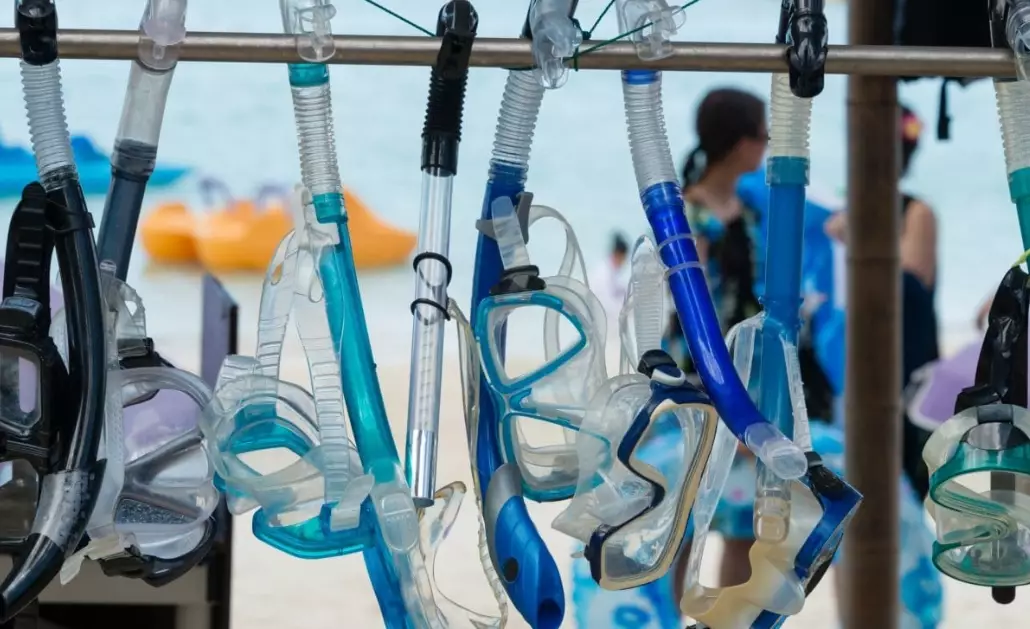
What's Inside This Guide
- Why Regular Snorkeling Gear Isn't Enough for Serious Observation
- How to Choose the Best Mask for Marine Observation?
- Selecting the Right Snorkel and Fins for Extended Sessions
- What Are the Essential Snorkeling Gear Accessories?
- Putting It All Together: Techniques for Better Wildlife Spotting
- Top Destinations to Test Your Marine Observation Gear
- Your Questions Answered
Why Regular Snorkeling Gear Isn't Enough for Serious Observation
Think about the last rental snorkel set you used. The mask probably had a generic fit, fogged up quickly, and limited your peripheral vision. The snorkel was a basic J-tube that forced your neck into one position. This setup is fine for a 20-minute dip to say you've been in the water. For observation, it's a handicap.
Observation gear prioritizes three things rental kits ignore: uninterrupted vision, effortless breathing, and silent mobility. You need to stay still for minutes, watching a cleaning station on a coral head. You need to turn your head smoothly to follow a turtle without breaking your mask seal. You need to move without the frantic, sand-kicking flutter kick that sends every creature into hiding. The gear reviewed here is designed for patience and presence, not just basic functionality.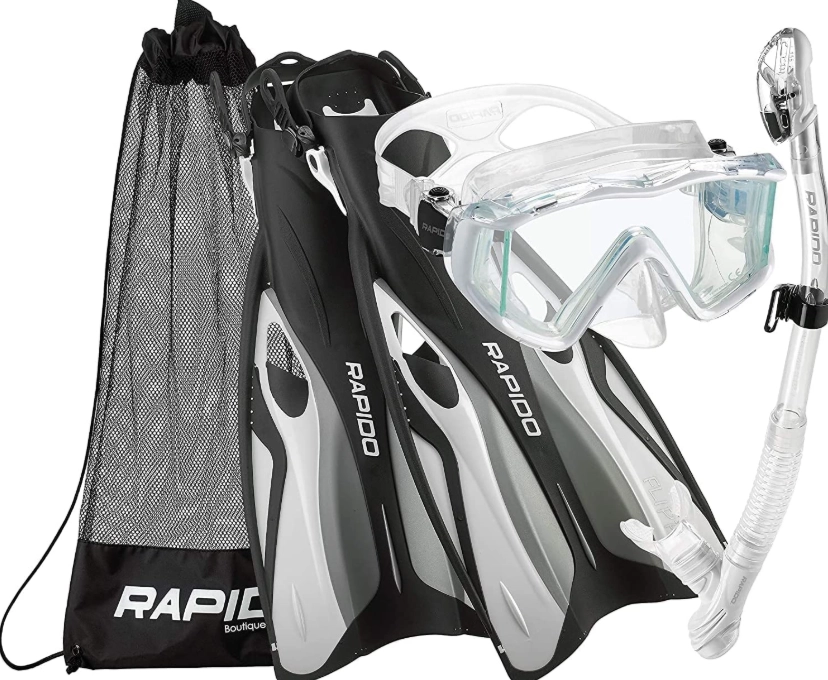
How to Choose the Best Mask for Marine Observation?
The mask is your window. If it fails, the whole experience fails. Forget color and style for a moment. Focus on physics and biology.
Fit is Everything
Place the mask on your face without the strap. Inhale gently through your nose. A good fit will suction onto your face and stay put without you holding it. Now check the skirt (the soft silicone part). It should seal comfortably across your brow, along your cheeks, and over the bridge of your nose. No pinching. For men with mustaches, some brands offer special skirt designs or you can use a bit of silicone-based lubricant (safe for marine life) to help the seal.
Lens Type and Field of View
Single-lens masks offer the widest, most unobstructed view—perfect for spotting movement in your periphery. Two-lens masks are easier to find with prescription inserts. Side windows can add a surprising amount of situational awareness. Try them on and look side-to-side. Does your view feel like looking through a tunnel, or is it expansive?
The Low-Volume Advantage
This is the most overlooked spec. Volume refers to the amount of air space inside the mask. A low-volume mask sits closer to your face. Why does this matter? First, it's easier to clear water from if it floods (less air to exhale). Second, and crucial for observation, it reduces drag and feels more stable when you turn your head quickly to follow a fish. Brands like Cressi and TUSA have excellent low-volume models for observation.
| Mask Feature | Why It Matters for Observation | What to Look For |
|---|---|---|
| Fit & Seal | Prevents leaks during head movement and diving. | Suction test, soft silicone skirt, comfortable nose pocket. |
| Field of View | Maximizes your ability to spot wildlife without turning your whole body. | Single lens or panoramic side windows. |
| Low Volume | Easier clearing, less drag, more stability. | Mask sits close to the face. Compare models online. |
| Lens Color/Tint | Enhances contrast in different light conditions. | Clear or light blue for low light; mirrored for bright sun/glare. |
But what about prescription masks? If you wear glasses, don't struggle. Get a mask with corrective lenses. Stick-on lenses are a temporary fix that often leak or distort. Investing in a proper prescription mask from a brand like AquaOptix or getting your favorite mask fitted with custom lenses is a game-changer for seeing the details on a nudibranch's back.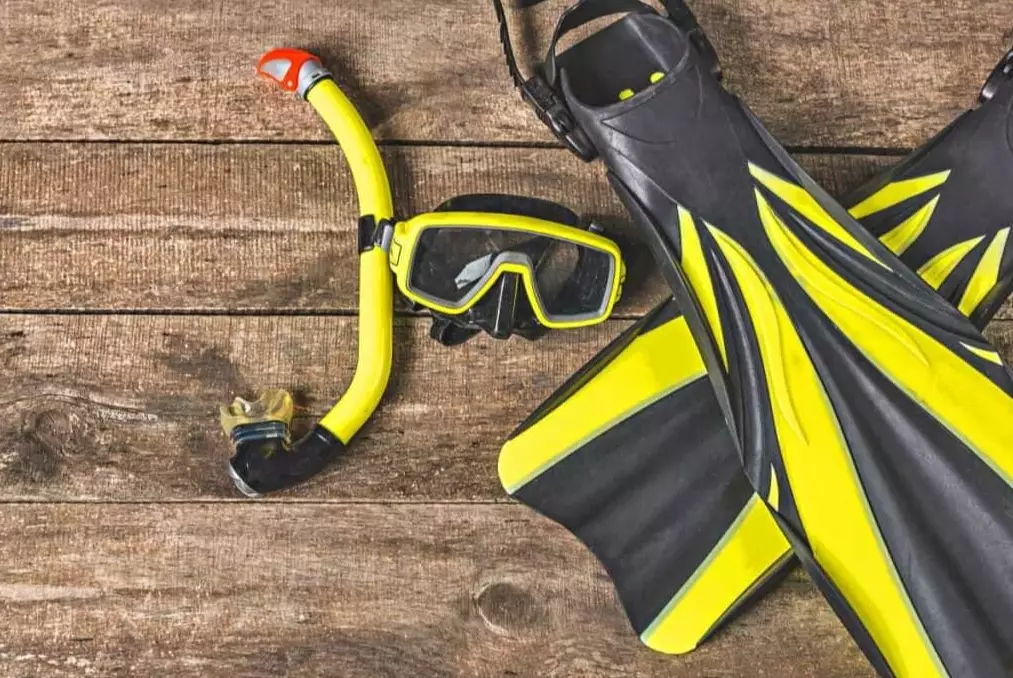
Selecting the Right Snorkel and Fins for Extended Sessions
Your breathing should be automatic. Your movement should be efficient. If you're thinking about either, you're not observing.
The Snorkel: A dry snorkel with a splash guard is non-negotiable for observation. A wave can hit you while you're engrossed in watching an eel hunt. A dry-top valve seals the tube, preventing a mouthful of water. More importantly, look for a flexible lower section or a front-mount swivel. This lets the mouthpiece move independently of your mask strap, so you can turn your head to track an animal without the snorkel pulling on your mouth. The purge valve at the bottom should be large and easy to clear with a gentle exhale.
The Fins: Long, stiff diving fins are overkill. Short, flexible snorkeling fins are your friend. They provide plenty of thrust with less effort and reduce leg fatigue. The key is fit—they should be snug but not cramp your toes. Open-heel fins with adjustable straps are more versatile, especially if you might wear thin booties for protection. Look for channels or vents that improve efficiency. Brands like Mares and Cressi make fantastic snorkel-specific fins. Avoid the ultra-cheap, all-rubber ones; they're inefficient and can cause cramps.
What Are the Essential Snorkeling Gear Accessories?
The core trio (mask, snorkel, fins) gets you in the water. These accessories turn you into an observer.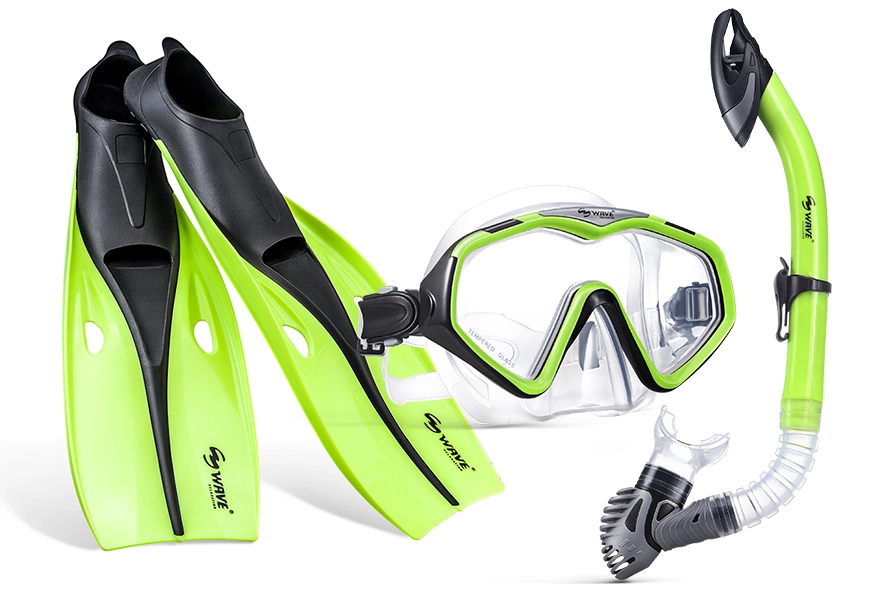
1. A Neoprene Snorkel Vest: This is not just a safety device. It's a buoyancy control device. A partially inflated vest lets you achieve neutral buoyancy, allowing you to hover motionless with minimal finning. You can adjust your depth with your breath. This silent, calm presence is how you get close to wildlife. It also provides warmth and confidence. Get one with an oral inflator and a quick-dump valve.
2. Anti-Fog Treatment: Let's be honest, spit works… sometimes. For serious observation, you need reliability. A small bottle of dedicated, eco-friendly anti-fog gel is worth its weight in gold. Apply it, rinse it lightly as directed, and you'll have a clear view for hours. Fog is a constant battle, especially in cooler water. Don't lose a sighting because your lens clouded over.
3. A Surface Marker Buoy (SMB) or Dive Flag: If you're snorkeling away from a crowded beach, boat traffic is a real hazard. A small, inflatable SMB on a line tethered to you makes you highly visible. It's a critical safety item that also signals to boat captains that someone is in the water. In many areas, it's required by law when snorkeling beyond a certain distance from shore.
4. A Waterproof Watch or Timer: Time dissolves underwater. What feels like 20 minutes can be an hour. Dehydration and sun exposure are real risks. Set a timer for 45-60 minutes as a reminder to drink water, reapply sunscreen on your back, and check your position.
Putting It All Together: Techniques for Better Wildlife Spotting
Great gear is useless with poor technique. Here’s how to use your new setup.
Enter and Exit Smoothly: Don't wade in noisily. Sit, put your fins on in waist-deep water, then slide forward. Reverse the process coming out. The commotion from splashing sends vibrations through the water.
Master the Streamlined Float: Inflate your vest just enough so you float with your face in the water without kicking. Arms by your sides or crossed on your chest. Use slow, wide fin strokes from the hip, not the knee. This is your resting, observing position.
Look, Then Move: Stop. Float. Scan the reef below and middle distance for 30 seconds. Spot something? Plan a slow, diagonal approach, not a direct charge. Many fish are less threatened by something moving horizontally above them than something descending directly on top of them.
Understand Fish Behavior: Read up on the species in your area. Are you in a cleaning station area? Position yourself downstream and wait. Predators like jacks or barracuda often hover at the edge of visibility—look for their silhouettes. Resources like the NOAA FishWatch website or local reef guidebooks are invaluable.
Respect is Paramount: Never touch, chase, or feed marine life. Feeding alters natural behavior and can harm animal health. Touching coral can kill the polyps that built it over centuries. Your goal is to be a ghost, leaving no trace of your visit.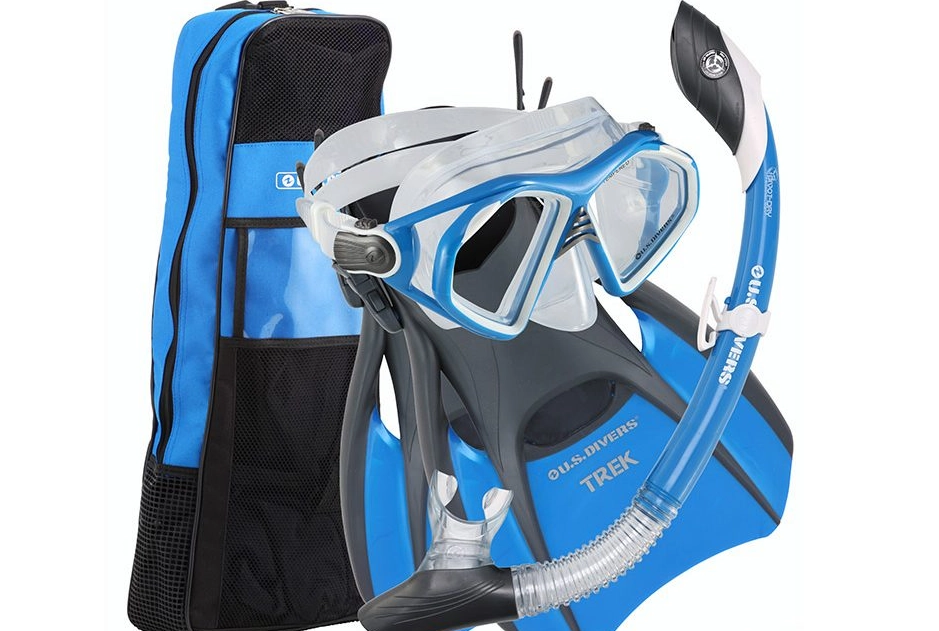
Top Destinations to Test Your Marine Observation Gear
Some places are observation powerhouses. Here are three where your gear will earn its keep.
1. Raja Ampat, Indonesia: The epicenter of marine biodiversity. From a simple homestay jetty, you can see pygmy seahorses, walking sharks, and massive schools of fish. The water is calm, clear, and warm. It's a floating observatory. Access is via Sorong; liveaboards or island-based resorts are the main options. It's a trek, but it redefines what's possible while snorkeling.
2. The Coral Reefs of Bonaire: The entire leeward coast of this Caribbean island is a protected marine park with easy shore access. Simply walk in from dozens of marked sites. The reefs are vibrant and shallow, perfect for long surface observation sessions. You'll need a nature tag (around $45 for a year), which funds conservation. Flights connect through Miami or Amsterdam.
3. The Poor Knights Islands, New Zealand: A subtropical marine reserve just off the North Island. The water is cooler, so a 5mm wetsuit is essential, but the life is spectacular. Large rays, kelp forests, and hundreds of fish species. The clarity is astounding. Access is by permitted boat tour from Tutukaka Marina. It's a more rugged, adventurous observation experience.
Your Questions Answered
How do I prevent my mask from fogging up in cold water?
 Can I use a regular snorkel for marine life observation?
What's the one piece of gear most snorkelers overlook for better observation?
Reader Comments